
Living in the Grand Canyon State means embracing an abundant supply of sunshine, a defining characteristic of the Arizona lifestyle. While the perpetually clear skies and warm temperatures are a major draw, they also present practical considerations for daily life, particularly for vehicle owners. One such consideration, often overlooked until prompted, is window tinting. For residents navigating the bustling streets of Phoenix or the scenic routes near Tucson, understanding the darkest legal tint for your vehicle isn’t just about aesthetics; it’s a critical aspect of comfort, safety, and compliance with state regulations that directly impacts your lifestyle.
The extreme heat and intense UV radiation in Arizona make window tint a highly sought-after feature. It offers protection against the sun’s harsh rays, helps maintain a cooler interior, and can even contribute to the longevity of your car’s upholstery and dashboard. However, the desire for maximum protection must be balanced with adherence to Arizona state laws, which are specific about the permissible Visible Light Transmission (VLT) levels. This guide delves into the specifics of Arizona’s window tint laws, offering essential insights for anyone looking to navigate this aspect of vehicle ownership in the state.
Navigating Arizona’s Climate and the Indispensable Role of Window Tint
The allure of the Arizona lifestyle, characterized by outdoor activities and endless sunshine, comes with the caveat of intense solar exposure. Summers routinely see temperatures soar well over 100 degrees Fahrenheit, and even during cooler months, UV index levels can be surprisingly high. For residents, this means cars parked outdoors can quickly become ovens, and prolonged exposure to direct sunlight while driving can be uncomfortable and potentially harmful. This environmental reality makes window tint not a luxury, but a near necessity for anyone committed to a comfortable and protected lifestyle in Arizona.
Window tint films are designed to block a significant portion of solar heat and harmful ultraviolet (UV) rays from entering your vehicle’s cabin. This reduction in heat helps maintain a more comfortable interior temperature, lessening the burden on your air conditioning system and potentially improving fuel efficiency. More critically, high-quality tint films can block up to 99% of UV-A and UV-B rays, which are known contributors to skin damage, premature aging, and even skin cancer. For those spending considerable time on the road, such as daily commuters in Phoenix or individuals exploring the diverse landscapes, this UV protection is an invaluable health benefit. Furthermore, tint can reduce glare from the sun, improving visibility and reducing eye strain, which contributes to safer driving conditions—an integral part of a worry-free lifestyle.
Beyond the immediate benefits of comfort and health, tint also plays a significant role in preserving the interior of your vehicle. The relentless Arizona sun can cause upholstery to fade, dashboards to crack, and plastic components to degrade over time. Window tint acts as a protective barrier, extending the life and maintaining the aesthetic appeal of your car’s interior, thereby preserving the investment you’ve made in your vehicle. For a state where vehicle longevity can be challenged by environmental factors, this level of protection is highly valued by property-conscious individuals.
Decoding Arizona Tint Laws: The Specifics of Compliance
Understanding the nuances of Arizona’s window tint laws is crucial for avoiding fines and ensuring your vehicle remains road-legal. The state regulations specify different Visible Light Transmission (VLT) percentages for various windows, reflectivity limits, and other stipulations that all vehicle owners must adhere to. The VLT percentage refers to the amount of visible light that can pass through the window film and glass. A lower VLT percentage means darker tint.
Front Side Windows
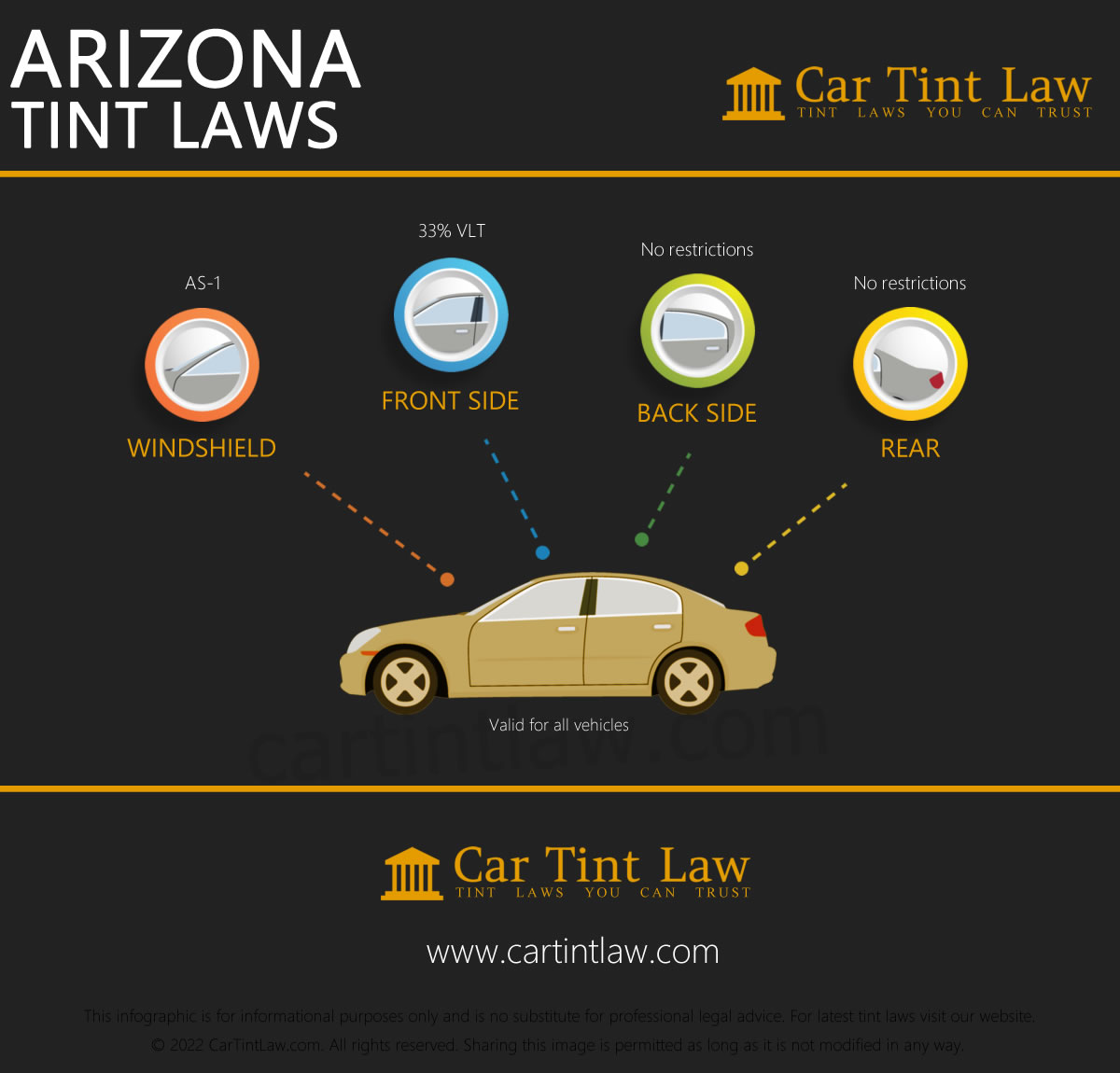
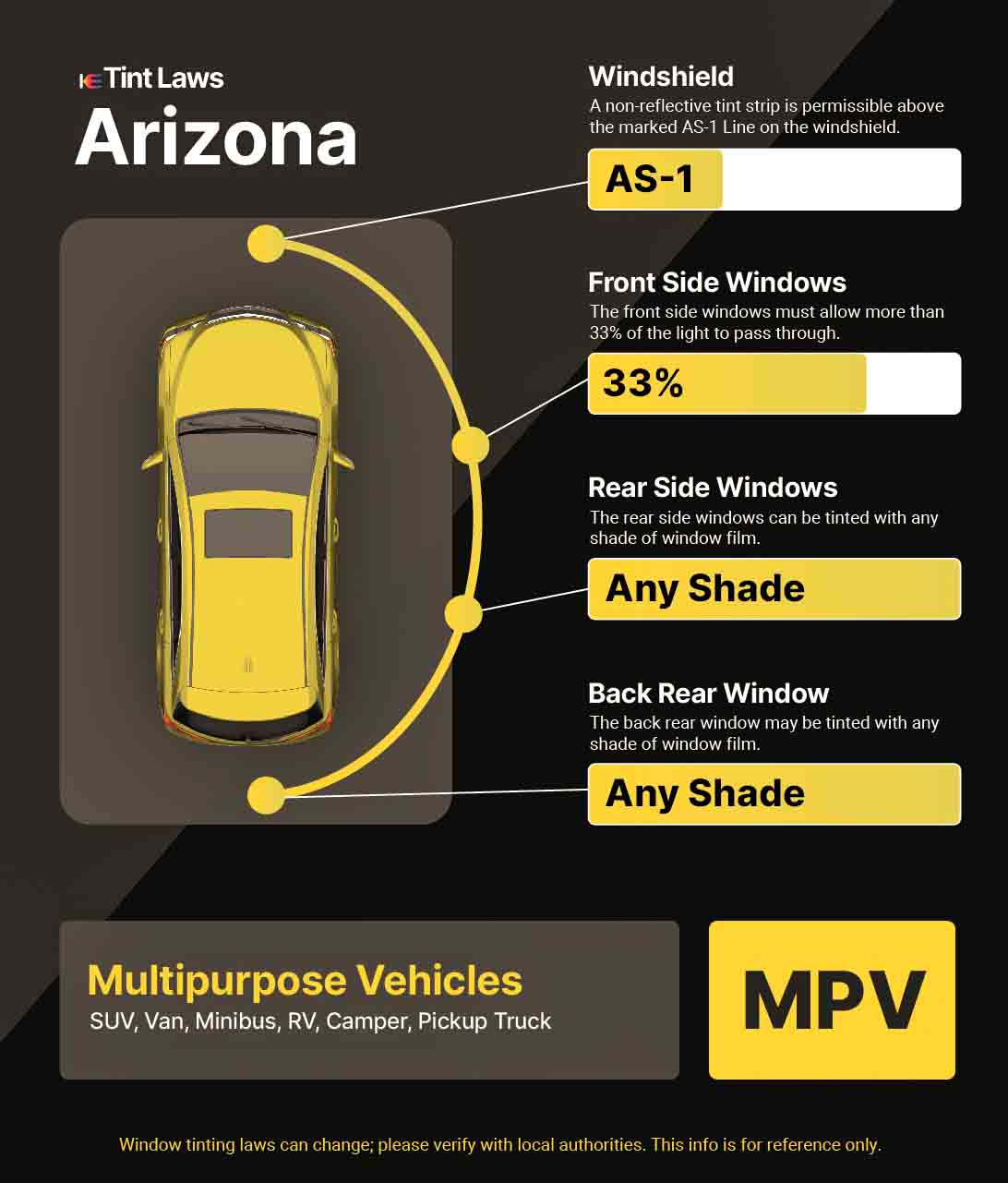
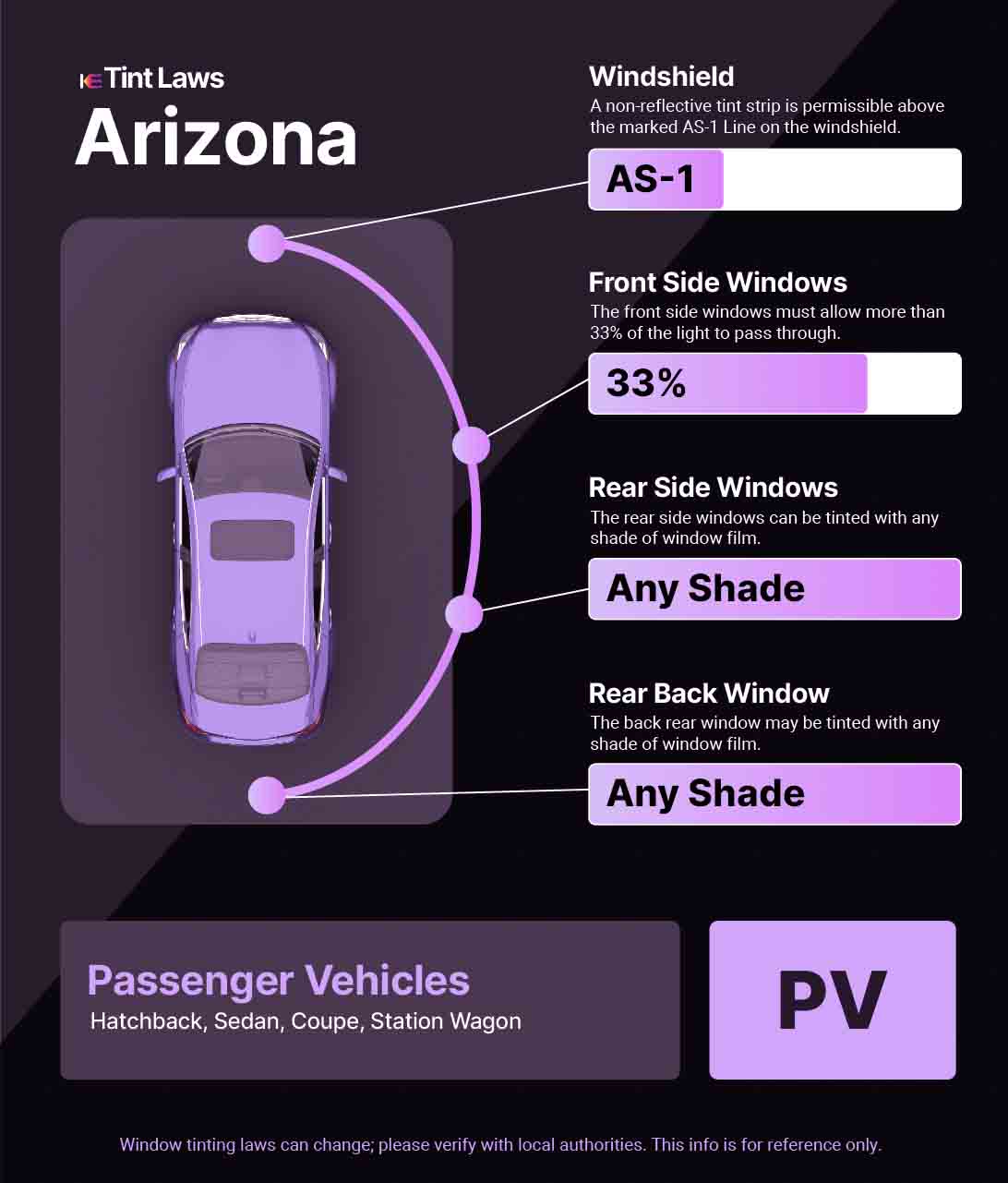
For the front side windows—those immediately to the left and right of the driver—Arizona law mandates a VLT of no less than 33%. This means that at least 33% of external light must be able to pass through these windows. This specific percentage is a common standard designed to ensure that law enforcement officers can still see into the vehicle, maintaining officer safety during traffic stops. It also ensures adequate visibility for the driver, particularly at night or in adverse weather conditions.
Back Side Windows and Rear Window
The laws are more lenient for the back side windows (behind the front side windows) and the rear window. For these windows, any darkness of tint is permitted. This means you can have a very dark, even limousine-style, tint on these sections of your vehicle if you choose. This greater flexibility allows for enhanced privacy, security for belongings stored in the back, and maximum heat rejection where visibility for driving is less critical. This allowance provides significant relief from the sun for passengers and helps maintain a cooler cabin overall.
Windshield Strip
Arizona law allows for a non-reflective tint strip on the top portion of the windshield. This strip is permitted above the manufacturer’s AS-1 line, which is typically marked on the glass itself. If there is no AS-1 line, the tint must not extend more than 5 inches down from the top of the windshield. This strip primarily serves to reduce sun glare that can be problematic during sunrise and sunset, directly contributing to safer driving.
Reflectivity and Color
Beyond VLT percentages, Arizona law also addresses the reflectivity and color of window tint. The tint on your windows must not be more than 35% reflective. Highly reflective tints can cause glare for other drivers, posing a safety hazard. Furthermore, certain tint colors are prohibited. Red, amber, or blue tint colors are generally not allowed as they can interfere with the visibility of emergency vehicle lights or traffic signals. The goal is to ensure that window tint does not create additional road hazards or impede public safety.
Medical Exemptions
Recognizing specific health needs, Arizona does offer provisions for medical exemptions. Individuals with conditions that necessitate additional protection from the sun, such as severe photosensitivity, lupus, or other dermatological conditions, may apply for a medical exemption. This exemption, once approved, allows for darker tint than typically permitted on the front side windows. To obtain a medical exemption, you will need a prescription or certification from a licensed physician, typically submitted to the Arizona Department of Transportation (ADOT) or a similar state agency. It’s crucial to carry documentation of your medical exemption in your vehicle at all times to present to law enforcement if questioned.
Tint Label and Penalties
Arizona law requires that all tinted windows, except for the back side windows and rear window, bear a sticker or label from the tint manufacturer. This label certifies that the tint meets the state’s VLT requirements. While not strictly enforced on every vehicle, professional installers are aware of this and should apply compliant film with the appropriate labeling. Non-compliance with Arizona tint laws can result in fines and potentially require you to remove or replace the illegal tint, incurring additional costs. Staying informed and compliant is a key part of hassle-free vehicle ownership.
Practical Considerations for Vehicle Owners in Arizona
Understanding the legal limits is only the first step; applying this knowledge practically is key to a seamless Arizona lifestyle. Choosing the right tint, finding a reputable installer, and understanding long-term care are all vital aspects.
When selecting tint, consider the quality of the film. High-quality ceramic or carbon-based tints offer superior heat rejection and UV protection compared to cheaper dyed films, without compromising visibility. These advanced films also tend to last longer and resist fading or bubbling, which are common issues with lower-grade products, especially under the intense Arizona sun. Investing in better tint can be a wise decision for long-term comfort and vehicle preservation.
Finding a reputable and experienced tint installer is paramount. A professional installer will not only use high-quality film but also possess the expertise to apply it without bubbles, creases, or misalignment. Crucially, they should be knowledgeable about Arizona’s specific tint laws and ensure that the film they apply to your front windows meets the 33% VLT requirement, providing you with a certificate or label where applicable. Asking for their expertise on Arizona regulations is a good practice. An improperly installed or non-compliant tint can lead to costly remedies and potential legal issues, disrupting your daily routine.
Finally, regular care for your tinted windows can extend their life and maintain their effectiveness. Use ammonia-free glass cleaners, as ammonia can damage some tint films. Clean gently to avoid scratching the surface. By taking these practical steps, vehicle owners can enjoy the full benefits of legal window tint, contributing positively to their comfort, safety, and overall lifestyle in the sunny state of Arizona. Whether you are a long-time resident of Tucson or new to the vibrant community of Mesa, ensuring your vehicle is compliant and comfortable allows for an uninterrupted and enjoyable experience on the road.
LifeOutOfTheBox is a participant in the Amazon Services LLC Associates Program, an affiliate advertising program designed to provide a means for sites to earn advertising fees by advertising and linking to Amazon.com. Amazon, the Amazon logo, AmazonSupply, and the AmazonSupply logo are trademarks of Amazon.com, Inc. or its affiliates. As an Amazon Associate we earn affiliate commissions from qualifying purchases.