
Choosing the right type of lodging is one of the most critical decisions in travel planning. Whether you are navigating the historic streets of London or relaxing on the tropical beaches of Thailand, the roof over your head dictates your budget, your social interactions, and your overall comfort. Two of the most common options are hotels and hostels, yet many travelers remain confused about where the line is drawn. While both provide a place to sleep, they offer vastly different philosophies of hospitality.
A hotel is traditionally defined by privacy and service, whereas a hostel is defined by community and affordability. However, the modern travel landscape has blurred these lines with the emergence of “poshtels” and boutique lodging. To make an informed choice for your next trip to Europe or North America, it is essential to understand the structural, social, and financial nuances of these two accommodation types.
Structural Differences and Privacy Standards
The most immediate distinction between a hotel and a hostel lies in the configuration of the sleeping quarters and the level of privacy afforded to the guest. This structural difference is the primary factor that influences the price point and the target demographic of each establishment.
Private Rooms vs. Shared Dormitories
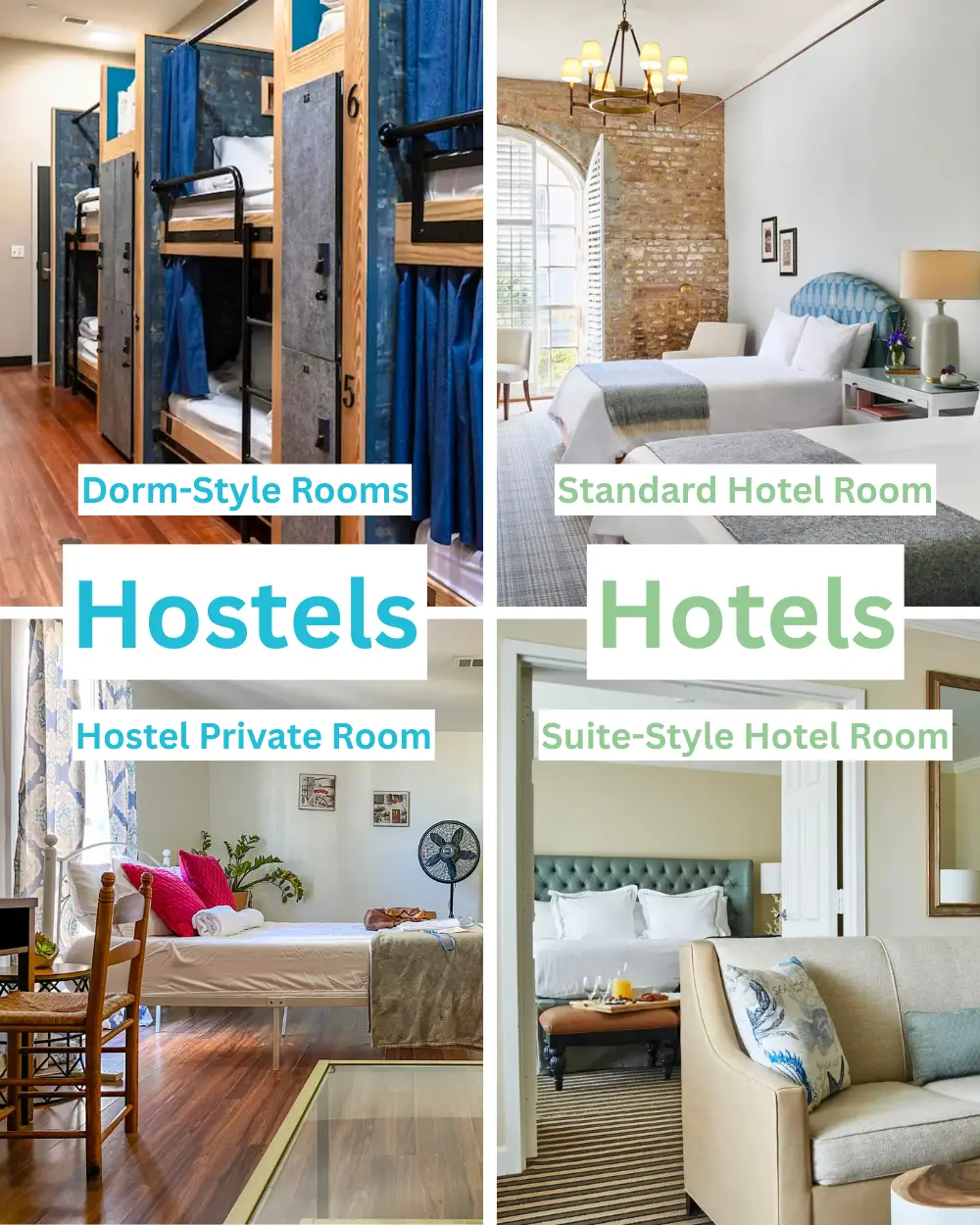
In a hotel, such as the Marriott or the Hilton, your booking guarantees a private room. This space is exclusively yours for the duration of your stay, typically featuring an en-suite bathroom. This setup is ideal for couples, families, or business travelers in New York City who prioritize a quiet environment and personal space.
Conversely, the hallmark of a hostel is the dormitory. In a traditional hostel, you book a bed rather than a room. You might share a space with four to twenty other travelers. While many modern hostels, like those in the Generator Hostels chain, now offer private rooms, the core of the hostel experience remains the shared bunk bed setup. For those traveling through Berlin on a budget, this shared arrangement is what keeps costs significantly lower than traditional hotels.
Bathroom Facilities and Amenities
Hotels are designed to be self-contained sanctuaries. Whether you are staying at a luxury resort in Bali or a mid-range hotel in Paris, you can expect a private bathroom, curated toiletries, and often a desk or seating area. High-end establishments like the Four Seasons take this further with bathrobes, slippers, and premium espresso machines.
Hostels typically utilize communal bathrooms located in the hallway. While some dorms feature “en-suite” shared bathrooms, guests should generally expect to share showers and sinks with others on their floor. Amenities in hostels are also more utilitarian; while a hotel provides towels for free, many hostels charge a small rental fee for them. However, hostels often compensate for this by providing communal kitchens, a feature rarely found in hotels unless you are booking an apartment-style stay at a place like Adina Apartment Hotels.
The Social Atmosphere and Community Dynamics
Beyond the physical structure, the “vibe” of a hostel versus a hotel is what truly separates the two experiences. Your choice here depends largely on whether you are looking for an anonymous, quiet retreat or an interactive, social adventure.
Networking and Solo Travel
Hostels are the undisputed champions of social interaction. They are specifically designed to facilitate meetings between strangers. Through organized pub crawls in Prague, free walking tours in Barcelona, or communal dinners, hostels encourage travelers to mingle. This makes them the go-to choice for solo travelers who want to find companions for a hike to Machu Picchu or a night out in Tokyo.
Hotels, by design, prioritize the guest’s desire for seclusion. In a hotel lobby, interactions are usually limited to professional exchanges with the concierge or brief nods to fellow guests in the elevator. While luxury hotels may have bars or lounges, the atmosphere is generally geared toward private conversations rather than meeting new people. For a traveler visiting Rome for a romantic anniversary, the privacy of a hotel is a benefit; for a backpacker in Australia, it might feel isolating.
Common Areas and Shared Spaces
The heart of a hostel is its common room. These spaces often feature bean bags, board games, and shared computers. Many hostels, particularly in Southeast Asia, have vibrant bars that serve as local hubs for the backpacking community. Groups like Selina have even integrated co-working spaces into their hostels, catering to the growing demographic of digital nomads who need to balance work and social life.
Hotels focus their communal efforts on service-oriented spaces. A hotel might have a high-end gym, a rooftop pool overlooking the Eiffel Tower, or a formal dining room. These areas are designed for relaxation or business rather than social networking. The shared kitchen in a hostel—where guests cook their own meals to save money—is perhaps the most significant cultural contrast to a hotel’s room service or on-site restaurant.

Pricing Models and Value Propositions
For many, the decision between a hotel and a hostel comes down to the bottom line. However, price is not the only factor; one must also consider the “value” provided by each accommodation type.
Budgeting for Short vs. Long-term Stays
Hostels are almost always the more affordable option, especially for solo travelers. A bed in a dormitory in Lisbon might cost a fraction of a standard room at a nearby Holiday Inn. For long-term travelers or students exploring Mexico, this price difference allows them to extend their trip by weeks or even months.
However, for groups or families, the math changes. Booking four beds in a hostel dorm can sometimes cost nearly as much as a single hotel room with two queen beds. In cities like Chicago or Sydney, a budget hotel might offer better value for a family of four than a hostel when you factor in the included breakfast and private bathroom.
Service Levels and Hidden Costs
Hotels operate on a service-first model. Daily housekeeping, a 24-hour front desk, and luggage assistance are standard. When you stay at a Hyatt or a Sheraton, you are paying for the convenience of having someone else manage the details of your stay.
In a hostel, the guest is often more self-sufficient. You are expected to strip your own bed upon checkout and wash your own dishes in the communal kitchen. While some hostels include a basic breakfast (often bread, fruit, and coffee), hotels frequently offer extensive buffets. Travelers must also be aware of hostel “extras.” While a hotel includes linens and towels in the price, a hostel might charge for these, as well as for padlock rentals for security lockers.
Safety, Security, and Logistics
Safety is a primary concern for travelers, and hotels and hostels handle security in very different ways. Understanding these protocols is essential, particularly for those visiting busy urban centers like Madrid or San Francisco.
Personal Belongings and Room Security
In a hotel, security is relatively straightforward. You have a key card to your private room, which usually contains an electronic safe for your passport, laptop, and jewelry. The limited access to your room by staff only (housekeeping and maintenance) provides a high degree of security for your belongings.
Hostel security requires a more proactive approach. Since you are sharing a room with strangers, you must utilize lockers. Most hostels provide a locker for each bed, but guests are often required to provide their own padlock. While reputable hostels, such as those affiliated with Hostelling International, have excellent safety records, the communal nature of the stay means you must be more vigilant with your valuables.
Staffing and Check-in Procedures
Hotels typically offer 24/7 check-in and have a large staff present to handle guest needs, from the doorman to the concierge. This provides a sense of security and professional oversight. Hostels may have more limited reception hours, especially smaller independent ones in Vietnam or Peru. However, many modern hostels in major cities now mirror hotel standards with round-the-clock security and electronic key card access to both the building and individual dorm rooms.

Making the Choice: Which One Suits Your Stay?
The decision between a hotel and a hostel ultimately depends on the purpose of your trip and your personal preferences. There is no right or wrong choice, only the choice that best fits your current needs.
If you are traveling for business to Singapore and need a reliable internet connection, a quiet space to take calls, and an iron for your suit, a hotel like the Ritz Carlton is the logical choice. The predictability and high service standards of hotels ensure that your focus remains on your work.
If you are a student on a gap year exploring South America, a hostel is likely the better fit. The social environment will help you find travel partners, and the shared kitchen will keep your food budget manageable. Furthermore, many hostels offer unique local insights and activities that you won’t find in a corporate hotel setting.
For those who want a bit of both, the “poshtel” trend is the answer. Establishments like Freehand Hotels or Mama Shelter offer the stylish design and private rooms of a boutique hotel alongside the social areas and communal spirit of a hostel. Whether you are visiting Amsterdam or Los Angeles, these hybrid accommodations are proving that you don’t always have to choose between privacy and community. By understanding the core differences in structure, atmosphere, cost, and security, you can book your next stay with confidence, ensuring your accommodation enhances your travel experience.
LifeOutOfTheBox is a participant in the Amazon Services LLC Associates Program, an affiliate advertising program designed to provide a means for sites to earn advertising fees by advertising and linking to Amazon.com. Amazon, the Amazon logo, AmazonSupply, and the AmazonSupply logo are trademarks of Amazon.com, Inc. or its affiliates. As an Amazon Associate we earn affiliate commissions from qualifying purchases.