
Grand Junction, Colorado, a vibrant city nestled on the western slope of Colorado, is a captivating destination for travelers seeking adventure, natural beauty, and a unique high-desert experience. One of the fundamental characteristics that shapes its environment, climate, and the myriad of activities available to visitors is its elevation. Understanding Grand Junction‘s altitude is not merely a factual detail; it is a crucial element that informs travel planning, influences health considerations, and defines the very essence of the experiences one can have in this remarkable region.
Unveiling Grand Junction’s Geographic Core: The Elevation Defined
At its heart, Grand Junction sits at a specific point above sea level, a geographical attribute that underpins much of its distinctive character. For travelers, knowing this elevation helps paint a clearer picture of what to expect upon arrival.

The Specific Altitude
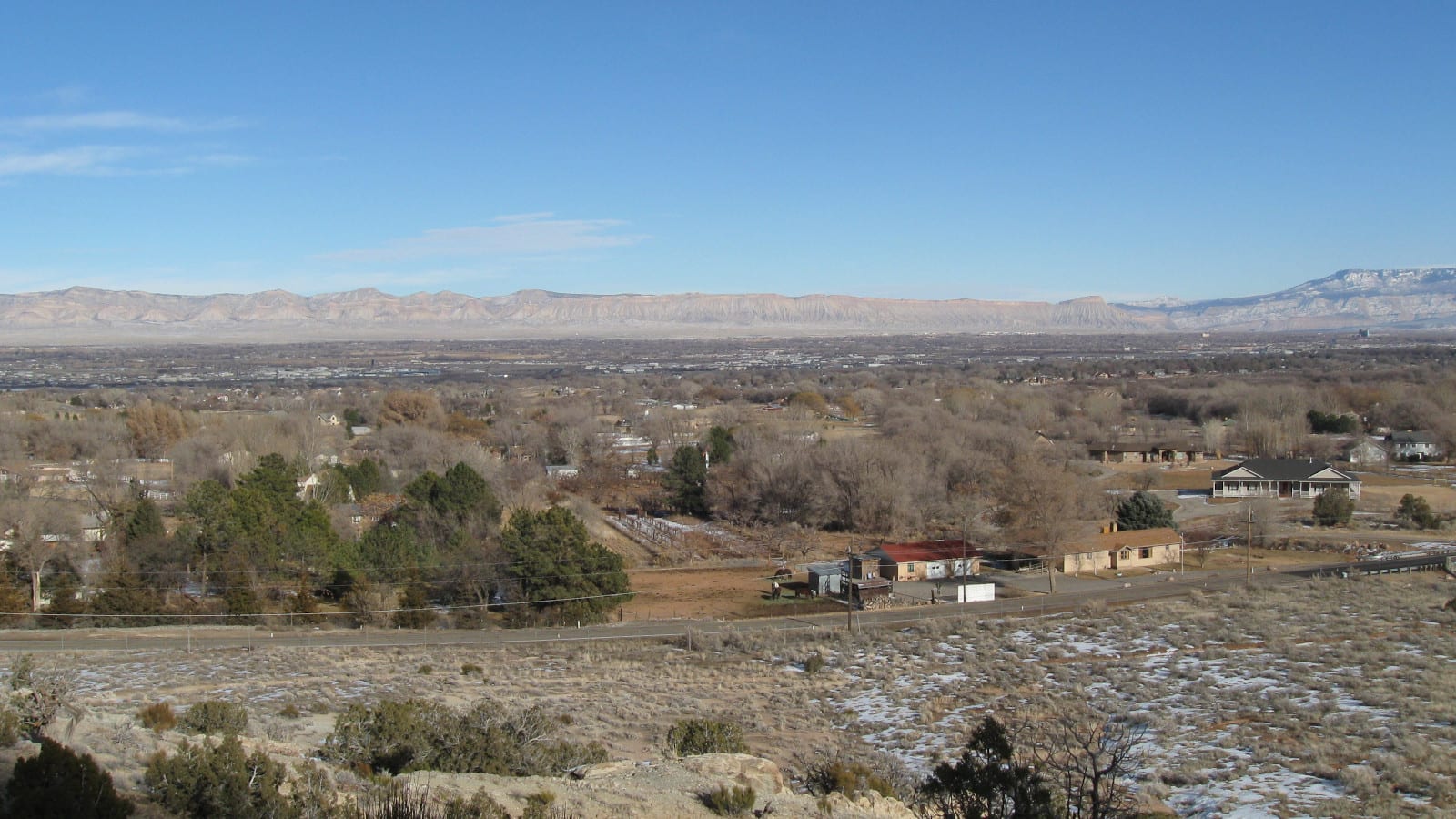
The approximate elevation of Grand Junction is around 4,583 feet (1,397 meters) above sea level. This figure can vary slightly depending on the exact point of measurement within the city limits, as Grand Junction spans a varied topography, but this average provides a reliable benchmark for travelers. Located at the confluence of the Colorado River and the Gunnison River, the city benefits from a relatively flat valley floor surrounded by dramatic geological formations.
How Elevation is Measured
Elevation refers to the vertical distance of a point or object above a fixed reference point, typically mean sea level. For cities like Grand Junction, this measurement is often taken at a central point, such as a city hall or airport, to represent the general altitude of the urban area. It is a critical metric for understanding atmospheric pressure, oxygen levels, and, consequently, how a destination’s environment might affect visitors.
Context within Colorado
To put Grand Junction’s elevation into perspective, it’s helpful to compare it to other prominent Colorado cities. Denver, the state capital, famously sits at “the Mile High City” mark, roughly 5,280 feet (1,609 meters). Boulder is slightly higher at about 5,430 feet (1,655 meters). In contrast, Colorado Springs is even higher, around 6,035 feet (1,839 meters). Therefore, Grand Junction is at a comparatively lower elevation than many of Colorado’s front-range cities, which can be a significant advantage for travelers who may be sensitive to high altitudes, offering a more gentle introduction to the state’s mountainous terrain. However, it still provides access to significantly higher elevations nearby, such as Grand Mesa, the largest flat-topped mountain in the world, which soars to over 11,000 feet (3,353 meters).
Traveling to Grand Junction: Preparing for the Altitude
Even at 4,583 feet, Grand Junction’s elevation can still present considerations for some travelers, especially those coming from sea level. Thoughtful preparation ensures a more comfortable and enjoyable visit.
Health Considerations
While generally considered moderate, Grand Junction’s altitude means the air is thinner than at sea level. For most, this poses no significant issue, but a small percentage of individuals might experience mild symptoms of altitude sickness, such as headaches, fatigue, dizziness, or nausea. These symptoms are usually temporary and subside as the body acclimatizes. Key prevention strategies include:
- Hydration: Drink plenty of water before and during your trip. Dehydration can exacerbate altitude sickness symptoms.
- Gradual Acclimatization: If possible, take it easy on your first day. Avoid strenuous activities immediately upon arrival.
- Avoid Alcohol and Caffeine: These can contribute to dehydration and affect your body’s ability to adjust.
- Listen to Your Body: If symptoms worsen, rest and consider seeking medical advice.
Physical Activities
The thinner air can make physical activities feel more challenging, particularly for those unaccustomed to the elevation. Hiking, biking, or even brisk walking might require more effort than at lower altitudes.
- Pace Yourself: Start activities slowly and gradually increase your intensity.
- Frequent Breaks: Take breaks often to catch your breath and hydrate.
- Sun Protection: At higher elevations, the sun’s UV rays are more intense. Wear sunscreen, a hat, and sunglasses, even on cloudy days.
Packing Essentials
Beyond health, packing smart for Grand Junction’s elevation and climate is vital. The high-desert environment can lead to significant temperature swings between day and night. Layers are your best friend, allowing you to adapt to changing conditions. Additionally, bring comfortable footwear for exploring trails, a reusable water bottle, and lip balm to combat dry air.
Grand Junction’s Elevation and Its Impact on Travel Experiences
The specific elevation of Grand Junction is a fundamental factor that shapes its environment, contributing to its unique appeal as a travel destination. From its climate to its landscape and outdoor activities, elevation plays a critical role.
Climate and Weather Patterns
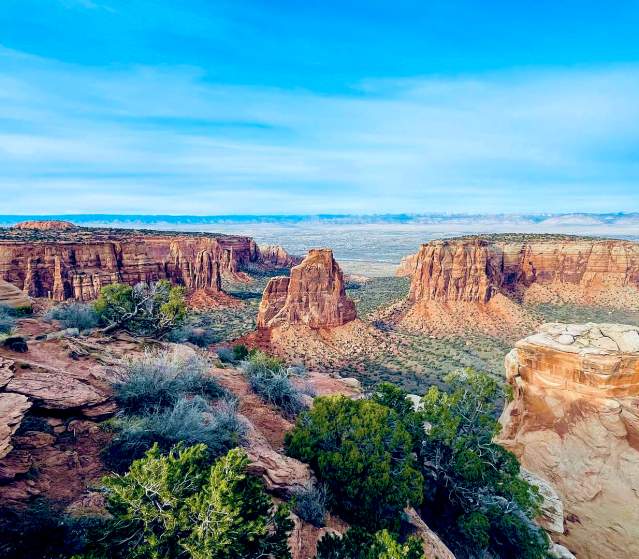
Grand Junction experiences a semi-arid, high-desert climate, largely influenced by its elevation and location within the Grand Valley, surrounded by the Book Cliffs to the north and the Uncompahgre Plateau to the south. This results in:
- Abundant Sunshine: Over 240 sunny days per year, making it ideal for outdoor enthusiasts.
- Dry Air: Low humidity levels are typical, which can make extreme temperatures feel more tolerable but also necessitates increased hydration.
- Temperature Extremes: Summers are hot, with daytime temperatures often exceeding 90°F (32°C), but evenings cool down significantly. Winters are mild compared to other parts of Colorado, with moderate snowfall.
- Distinct Seasons: Travelers can enjoy vibrant springs, hot summers, colorful autumns, and mild, snowy winters, each offering different activities.
Unique Landscapes and Scenery
The elevation and geological processes have carved out breathtaking landscapes that are a major draw for travelers.
- Colorado National Monument: Just a short drive from downtown Grand Junction, this national monument features massive canyons, towering monoliths, and a semi-arid plateau environment. The views from Rim Rock Drive, with sheer cliffs plunging into deep canyons, are a testament to millennia of erosion shaped by the region’s altitude and climate.
- Grand Mesa: Rising dramatically to the east, Grand Mesa offers a stark contrast to the valley floor. Its higher elevation supports dense forests, over 300 lakes, and cooler temperatures, providing a refuge from summer heat and a winter wonderland for snow sports.
- The Book Cliffs: These dramatic, long escarpments form the northern boundary of the Grand Valley, creating a stunning backdrop and offering unique geological formations and wildlife viewing opportunities.
Outdoor Recreation Opportunities
Grand Junction’s elevation and diverse topography make it an outdoor adventurer’s paradise.
- Hiking and Biking: Trails abound, from the challenging routes in the Colorado National Monument to the extensive network of singletrack trails for mountain biking. The high-desert terrain provides unique scenery and exhilarating experiences.
- Skiing/Snowboarding: While Grand Junction itself doesn’t host ski resorts, its lower elevation serves as a convenient basecamp for accessing higher-elevation winter sports. Powderhorn Mountain Resort on Grand Mesa is a popular destination for skiing and snowboarding, just an hour’s drive away.
- River Activities: The Colorado River and Gunnison River flow through the valley, offering opportunities for rafting, kayaking, paddleboarding, and fishing. The relative mildness of the Grand Junction winter allows for longer seasons for these activities than in higher, colder regions.
Culinary and Cultural Experiences Shaped by Elevation
Beyond outdoor pursuits, Grand Junction’s elevation and climate have profoundly influenced its agricultural output and, consequently, its culinary and cultural identity. This unique connection creates delightful experiences for travelers interested in local flavors and traditions.
High-Desert Agriculture
The Grand Valley is renowned for its fertile soil and ideal growing conditions, a direct consequence of its elevation, abundant sunshine, and access to river irrigation. This environment is particularly conducive to cultivating a variety of fruits.
- Orchards and Vineyards: The area is famous for its juicy peaches, sweet cherries, crisp apples, and tender apricots. Travelers in late summer and early fall can enjoy visiting local orchards, picking fresh fruit, and savoring the harvest at farmers’ markets.
- Farm-to-Table Dining: Many local restaurants pride themselves on sourcing ingredients directly from nearby farms, offering a true taste of the Grand Valley’s bounty.
Local Wines and Breweries
The particular terroir (the complete natural environment in which a particular wine is produced, including factors such as soil, topography, and climate) resulting from Grand Junction’s elevation has fostered a thriving wine industry. The warm days and cool nights, combined with the dry climate, are perfect for growing wine grapes, leading to the production of award-winning Colorado wines.
- Wine Country Tours: Visitors can embark on wine-tasting tours, exploring numerous vineyards and wineries scattered throughout the Grand Valley. Each offers a unique perspective on the region’s viticulture and a chance to sample a diverse array of varietals.
- Craft Breweries: Complementing the wine scene, Grand Junction also boasts a growing number of craft breweries, where local brewers incorporate regional ingredients and influences into their distinctive beers, often enjoyed after a day of outdoor exploration.
Historical Significance
The unique high-desert environment around Grand Junction has supported human settlement for centuries. Indigenous communities thrived by adapting to and utilizing the available resources, developing sophisticated irrigation techniques and knowledge of the local flora and fauna. Later, early settlers were drawn to the fertile valley for agriculture and mining, establishing the foundations of the modern city. Exploring historical sites and museums offers insight into how various cultures have interacted with and been shaped by this distinctive landscape and its elevation.
Planning Your Grand Junction Itinerary: Leveraging the Elevation
Understanding Grand Junction’s elevation allows travelers to craft a well-informed and enriching itinerary, maximizing their enjoyment of the region’s offerings.
Best Times to Visit
The ideal time to visit Grand Junction largely depends on the activities you wish to pursue, as the elevation dictates distinct seasonal changes:
- Spring (April-May): Mild temperatures are perfect for hiking and biking, and the fruit orchards begin to bloom, creating a picturesque landscape.
- Summer (June-August): Hot days are excellent for river activities, exploring the Colorado National Monument in the early mornings or evenings, and enjoying Grand Mesa’s cooler air. This is also peak season for fresh fruit.
- Fall (September-October): Pleasant temperatures, vibrant fall foliage (especially on Grand Mesa), and the grape harvest season make this a prime time for wine tours and scenic drives.
- Winter (November-March): Mild winters in the valley allow for continued hiking and biking on lower trails, while nearby Powderhorn Mountain Resort on Grand Mesa offers skiing and snowboarding.
Day Trips and Excursions
Grand Junction’s central location and moderate elevation make it an excellent hub for exploring diverse landscapes:
- Higher Elevations: Take a scenic drive up to Grand Mesa for alpine lakes, forests, and cooler temperatures. This significant change in elevation offers a completely different ecosystem.
- Lower Elevations/Nearby States: Head west towards the Utah border for unique red rock formations and desert landscapes that slightly differ from Colorado’s high desert.
- Palisade: A short drive east, Palisade is the heart of the fruit and wine country, offering delightful tasting experiences and farm stands.
Essential Travel Tips
To fully embrace your Grand Junction adventure, remember to:
- Stay Hydrated: Always carry water, especially during outdoor activities.
- Wear Layers: Be prepared for significant temperature fluctuations throughout the day.
- Sun Protection: The sun at 4,583 feet is potent.
- Acclimatize Gradually: Give your body time to adjust, especially if you plan strenuous activities.
Ultimately, Grand Junction’s elevation of approximately 4,583 feet is more than just a number; it is a defining characteristic that shapes every aspect of the travel experience, from the climate you encounter to the landscapes you explore and the flavors you taste. By understanding and respecting this geographical feature, travelers can unlock the full potential of this exceptional Colorado destination.
LifeOutOfTheBox is a participant in the Amazon Services LLC Associates Program, an affiliate advertising program designed to provide a means for sites to earn advertising fees by advertising and linking to Amazon.com. Amazon, the Amazon logo, AmazonSupply, and the AmazonSupply logo are trademarks of Amazon.com, Inc. or its affiliates. As an Amazon Associate we earn affiliate commissions from qualifying purchases.