
Navigating the Entrepreneurial Landscape: The California Seller’s Permit Imperative
For the modern entrepreneur, the dynamic landscape of business often means operating across various jurisdictions, managing compliance from a laptop in a bustling city, or overseeing operations during extended “business stays.” A crucial aspect of this agile entrepreneurial lifestyle, particularly for those engaged in selling tangible personal property within the Golden State, is understanding and obtaining a California Resale Permit. Often referred to as a Seller’s Permit, this document is not merely a bureaucratic hurdle; it is a fundamental requirement that underpins the legality and financial integrity of a business. It grants the holder the authority to collect sales tax on behalf of the state and provides the privilege of purchasing inventory for resale without incurring sales tax at the time of purchase.
Embracing the entrepreneurial journey in California means acknowledging its robust regulatory framework, designed to ensure fair competition and state revenue generation. For those expanding their operations into California or establishing a new venture, navigating these requirements efficiently is paramount to a successful and stress-free business operation. The permit is a cornerstone for any enterprise involved in retail, wholesale, or manufacturing of taxable goods, symbolizing a commitment to lawful commerce and facilitating participation in the state’s vibrant economy. Without it, businesses risk penalties, operational disruptions, and a tarnished reputation—all antithetical to the seamless business lifestyle many aspire to.
Decoding the California Seller’s Permit: What Every Savvy Business Owner Needs to Know
The California Seller’s Permit, administered by the California Department of Tax and Fee Administration (CDTFA), is essentially a license that allows a business to sell tangible goods at retail or wholesale within the state. It is vital for businesses that regularly or occasionally sell items that are subject to sales tax. This includes, but is not limited to, traditional retail stores, online merchants with a nexus in California, independent contractors selling goods, and even temporary vendors at craft fairs or pop-up shops.
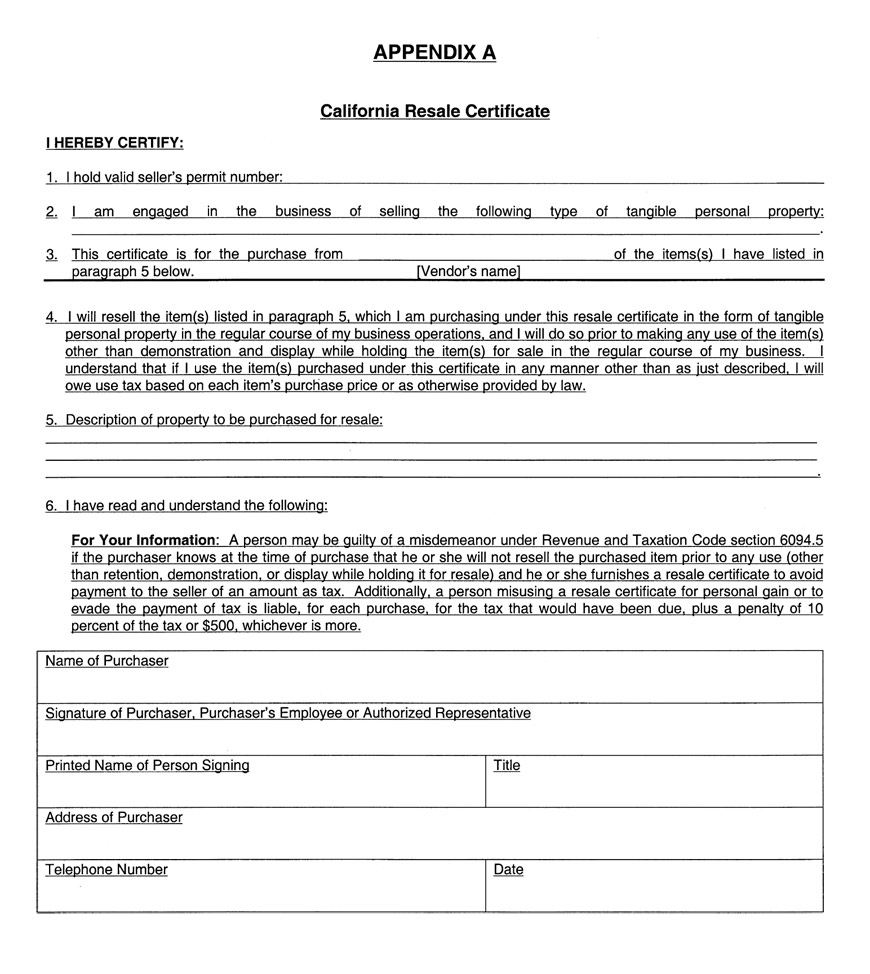
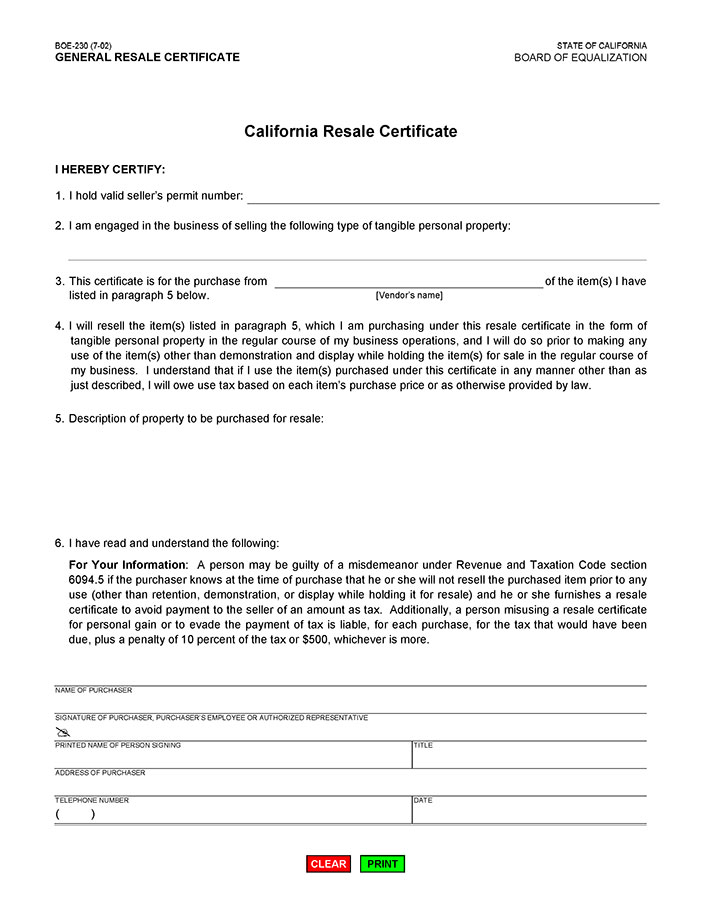
It’s crucial to distinguish the Seller’s Permit from a general business license. A business license, usually issued by a city or county, grants permission to operate a business within that specific jurisdiction. The Seller’s Permit, however, specifically addresses sales tax obligations to the state. While both are often necessary, they serve different purposes. A savvy business owner understands that neglecting either can lead to significant legal and financial repercussions. The CDTFA uses the Seller’s Permit to track sales tax revenue, ensuring that businesses accurately collect and remit the appropriate sales tax amounts to the state. This system allows permit holders to issue resale certificates to their suppliers, enabling them to purchase goods intended for resale without paying sales tax themselves, thus avoiding double taxation and improving cash flow—a key benefit for any business aiming for financial efficiency and sustainability.
The Streamlined Path to Permit Acquisition: Your Step-by-Step Guide
Obtaining a California Seller’s Permit is a relatively straightforward process, designed to be accessible to all types of businesses. However, thorough preparation ensures a smooth and swift application experience.
Prerequisite Preparations
Before initiating the application, ensure you have gathered all necessary information. Key among these are your business entity details. If you operate as a sole proprietorship, your Social Security Number will suffice for identification. For corporations, partnerships, or limited liability companies (LLCs), you will need your Federal Employer Identification Number (FEIN), obtained from the Internal Revenue Service (IRS). If your business is structured as a corporation or LLC, you must also ensure it is properly registered with the California Secretary of State. Having your legal business name, any fictitious business name (DBA), business address, mailing address, and contact information readily available will expedite the process. Additionally, anticipate needing your estimated monthly sales and whether you will be making sales at more than one location.
Online Application via CDTFA
The most efficient way to apply for your Seller’s Permit is online through the official CDTFA website. The online portal guides you through a series of questions designed to capture all relevant business information. You’ll specify your business type (e.g., sole proprietorship, partnership, corporation), the type of merchandise you intend to sell, and your estimated average monthly sales. For businesses with multiple locations, the online application allows you to register all sites under a single account. This centralized approach simplifies management and reporting, aligning with the modern business owner’s need for efficiency.
Required Information
During the application, you’ll be asked for specifics about your business activities. This includes detailing the products or services you offer, the start date of your business, and any anticipated seasonal sales fluctuations. For partnerships and corporations, information regarding all partners or corporate officers, including their names, titles, and Social Security Numbers, will be required. The CDTFA aims to gather a comprehensive profile of your business to ensure accurate sales tax compliance from the outset. Being transparent and accurate with this information is crucial for avoiding future complications.
Post-Application Procedures

In most cases, after submitting your online application, your Seller’s Permit will be issued fairly quickly, sometimes instantly for low-risk applicants. However, some businesses may require further review or an interview with a CDTFA representative. This could be due to the nature of the business, past tax history, or the estimated sales volume. In certain situations, particularly for new businesses or those deemed higher risk, the CDTFA may require a security deposit or bond. This bond serves as a financial guarantee that sales tax will be collected and remitted to the state, protecting public funds. While this might seem like an extra step, it’s a standard practice for ensuring fiscal responsibility and is a minor part of a larger plan for maintaining a healthy business lifestyle in California.
Sustaining Your Business Lifestyle: Ongoing Compliance and Best Practices
Obtaining the California Seller’s Permit is just the beginning of a business’s sales tax journey. Maintaining compliance is an ongoing commitment that is integral to a sustainable and reputable entrepreneurial lifestyle.
Sales Tax Collection and Remittance
As a Seller’s Permit holder, you are mandated to collect sales tax from your customers on all taxable sales made within California. The sales tax rate varies by locality, as local districts impose their own rates on top of the statewide rate. It is imperative to know the correct combined sales tax rate for each location where you make sales. This information is readily available on the CDTFA website. After collection, these funds are held in trust for the state and must be remitted to the CDTFA by designated due dates. Reporting frequency (monthly, quarterly, or annually) is determined by your estimated sales volume, with higher volume businesses typically reporting more frequently. Timely and accurate remittance is critical to avoid penalties and interest charges.
Record-Keeping Essentials
Meticulous record-keeping is not merely good practice; it’s a legal requirement. Businesses must maintain detailed records of all sales, both taxable and non-taxable, along with purchase invoices, resale certificates issued to suppliers, and copies of sales tax returns. These records should be kept for at least four years and must be made available to the CDTFA upon request. Organized and comprehensive records are your best defense in the event of an audit and simplify the process of preparing your sales tax returns. Investing in robust accounting software or a reliable bookkeeper is a wise decision for any business aiming for long-term operational efficiency.
Understanding Use Tax
Beyond sales tax, California also imposes a “use tax.” This applies to goods purchased for use in California from an out-of-California vendor, where California sales tax was not collected by the seller. For businesses, this commonly occurs when purchasing office supplies, equipment, or other tangible property from out-of-state suppliers that do not have a nexus in California and therefore do not collect California sales tax. Businesses are responsible for remitting this use tax directly to the CDTFA. Understanding and correctly accounting for use tax prevents unexpected liabilities and ensures full compliance, reinforcing a responsible and ethical business approach.
Audits and Staying Informed
The CDTFA regularly conducts audits to ensure businesses are complying with sales and use tax laws. While the prospect of an audit might seem daunting, consistently adhering to record-keeping requirements and accurate reporting significantly mitigates stress. Staying informed about changes in tax laws and rates, which the CDTFA communicates through its website and publications, is also crucial. Subscribing to their newsletters or regularly checking their updates ensures your business remains compliant and ahead of any regulatory shifts.
Maximizing Business Opportunities in California with Your Seller’s Permit
Possessing a California Seller’s Permit is more than just fulfilling a legal obligation; it unlocks significant advantages that can fuel business growth and enhance the entrepreneurial lifestyle.
Primarily, the permit grants businesses access to wholesale purchasing without incurring sales tax. This is a fundamental benefit, allowing retailers and manufacturers to acquire inventory or raw materials at a lower cost, thereby improving profit margins. By presenting a valid resale certificate (which is generated using your Seller’s Permit number) to suppliers, businesses can avoid paying sales tax on items they intend to resell, preventing capital from being tied up unnecessarily and improving cash flow management.
Beyond the immediate financial benefits, operating with a valid Seller’s Permit establishes your business as a credible and legitimate entity within California. This credibility can be invaluable when seeking partnerships, securing financing, or building trust with customers. It signifies that your business operates legally and contributes to the economic well-being of the state, indirectly boosting your reputation.
Furthermore, being fully compliant allows entrepreneurs to focus their energy on core business activities and innovation, rather than worrying about potential legal repercussions. This peace of mind is an underestimated asset in the fast-paced entrepreneurial world. It fosters a more productive and enjoyable business lifestyle, freeing up mental space for strategic planning and expansion. By understanding and embracing these regulatory requirements, businesses are not just avoiding penalties; they are strategically positioning themselves for long-term growth, stability, and success within one of the United States‘ largest and most dynamic economies. The Seller’s Permit is thus an essential tool for any aspiring or established business owner in California, enabling a responsible yet unhindered pursuit of entrepreneurial ambitions.
LifeOutOfTheBox is a participant in the Amazon Services LLC Associates Program, an affiliate advertising program designed to provide a means for sites to earn advertising fees by advertising and linking to Amazon.com. Amazon, the Amazon logo, AmazonSupply, and the AmazonSupply logo are trademarks of Amazon.com, Inc. or its affiliates. As an Amazon Associate we earn affiliate commissions from qualifying purchases.