
The Florida Big Bend represents one of the Sunshine State’s most captivating and least-developed coastal regions, offering an unparalleled escape for those seeking authentic natural beauty and a slower pace of life. Unlike the bustling, sandy beaches and neon lights characteristic of much of Florida’s coastline, the Big Bend is defined by its sweeping, marshy shores, pristine spring-fed rivers, and a profound sense of untouched wilderness. This unique geographical feature derives its name from the pronounced curve where the Florida peninsula “bends” westward into the Gulf of Mexico, transitioning from the Panhandle’s east-west orientation to the peninsula’s north-south trajectory.

For travelers yearning to discover the heart of Old Florida, where eco-tourism reigns supreme and charming, historic fishing villages dot the coastline, the Big Bend presents an irresistible destination. It’s a place where the rhythm of the tides dictates daily life, where wildlife thrives in protected sanctuaries, and where the clearest freshwater springs bubble up to meet the Gulf. This region is a haven for kayakers, birdwatchers, anglers, and anyone eager to disconnect from the digital world and reconnect with nature. Exploring the Florida Big Bend is not just a trip; it’s an immersive experience into one of the state’s most ecologically significant and culturally rich landscapes.
Defining the Big Bend: A Unique Coastal Stretch
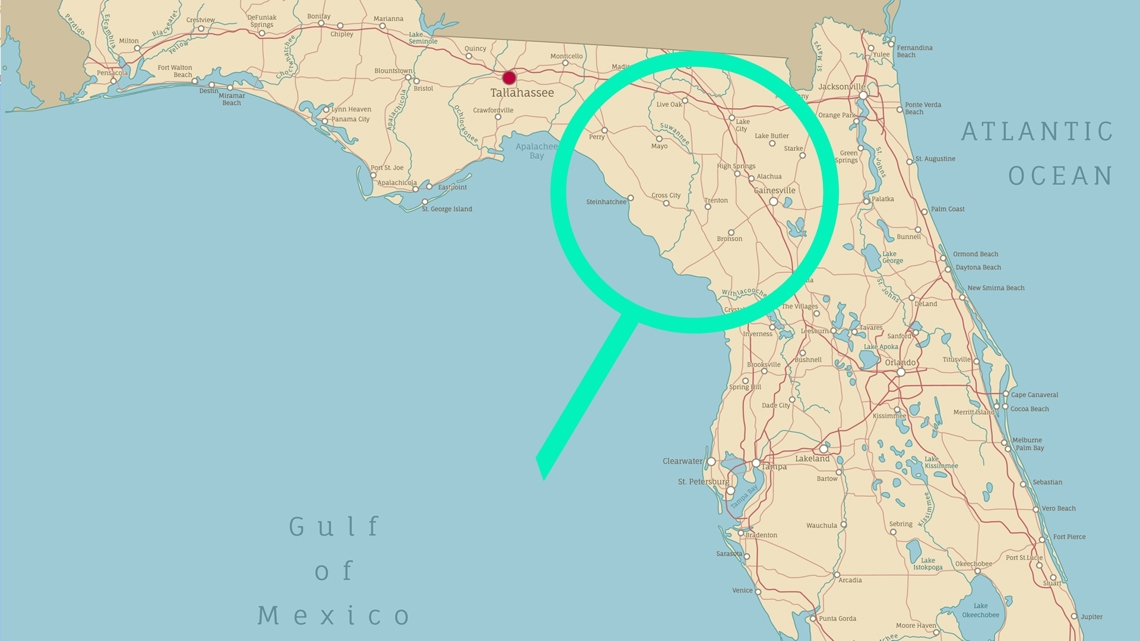
Understanding the Florida Big Bend begins with appreciating its distinctive geography. Stretching roughly from the Apalachicola River delta in the west to the mouth of the Suwannee River in the east, this vast expanse encompasses several counties, each contributing to its unique character. What truly sets it apart is the absence of barrier islands and the prevalence of a low-lying, marshy coastline, a stark contrast to the sandy beaches found elsewhere in Florida.
Geographical Extent and Untamed Beauty
The Big Bend’s coastline is characterized by a mosaic of salt marshes, tidal flats, and estuaries, forming an incredibly productive ecosystem. This environment acts as a natural nursery for myriad marine species and provides critical habitat for migratory birds. Inland, the landscape transitions into vast pine forests, hardwood hammocks, and an intricate network of crystal-clear freshwater springs and rivers, many of which feed into the Gulf of Mexico. Prominent rivers in this region include the Aucilla River, the Fenholloway River, and the iconic Suwannee River, each offering unique paddling and exploration opportunities.
The relative lack of development along this coast is a deliberate result of its marshy nature, which historically discouraged large-scale construction. This “forgotten coast” quality has, in turn, preserved its natural integrity, making it a hotspot for conservation efforts and a magnet for ecotourists. Travelers to the Big Bend will encounter a landscape that feels wild and untamed, a testament to conservation successes and a glimpse into Florida’s ecological past.
The Allure of the Gulf Coast Ecosystem
The Big Bend’s estuarine system is one of the most productive in North America. Its nutrient-rich waters support extensive beds of seagrass, which in turn provide crucial habitat for fish, shellfish, and marine mammals like manatees and dolphins. The expansive marshes serve as nurseries for shrimp, crabs, and juvenile fish, underpinning the region’s robust fishing industry. For birdwatchers, the Big Bend is a paradise, attracting a spectacular array of wading birds, shorebirds, and raptors, especially during migration seasons. The St. Marks National Wildlife Refuge, located on the western edge of the Big Bend, is a prime example of the rich biodiversity found here, offering incredible opportunities for wildlife viewing and photography, including its iconic St Marks Lighthouse.
Gateway to Natural Wonders and Outdoor Adventures
The true magic of the Florida Big Bend lies in its boundless opportunities for outdoor adventures, appealing to nature enthusiasts of all stripes. From serene paddles through ancient cypress swamps to exhilarating fishing excursions in the Gulf of Mexico, the region is a playground for those who love the great outdoors.
Kayaking, Canoeing, and Paddling Trails
The Big Bend is crisscrossed by numerous rivers, creeks, and coastal estuaries, making it a premier destination for kayaking and canoeing. The clear, spring-fed rivers like the Suwannee River and the Aucilla River offer serene paddling experiences through lush environments, often revealing ancient fossils and abundant wildlife. The Florida Circumnavigational Paddling Trail also traces parts of the Big Bend coastline, providing extended expeditions for experienced paddlers. Exploring the intricate maze of coastal marshes by kayak allows for intimate encounters with local flora and fauna, including playful otters, majestic eagles, and even the occasional manatee. Many local outfitters provide rentals and guided tours, ensuring access for all skill levels.
Fishing and Scalloping Expeditions
For anglers, the Florida Big Bend is a renowned fishing haven. The shallow, productive waters of the Gulf of Mexico teem with species like redfish, trout, snook, and flounder, making it a popular spot for both inshore and offshore fishing. Numerous charter services operate out of the region’s coastal towns, offering guided trips for both novice and experienced fishermen.
Perhaps the most iconic seasonal activity is scalloping, which typically occurs from late June through September. Areas around Steinhatchee and Homosassa become bustling hubs as families and friends don snorkeling gear to dive for these delicious bivalves in the seagrass beds. It’s a unique, family-friendly activity that combines snorkeling, hunting, and a rewarding culinary experience, embodying the relaxed, community-focused spirit of the Big Bend.
Exploring State Parks and Forests
The Florida Big Bend is home to an impressive collection of Florida State Parks and national forests, preserving its diverse ecosystems for public enjoyment. The Lower Suwannee National Wildlife Refuge offers extensive opportunities for hiking, birdwatching, and paddling along the lower reaches of the Suwannee River. The Big Bend Wildlife Management Area provides vast tracts of undeveloped land for hunting, hiking, and wildlife observation. Further west, the St. Marks National Wildlife Refuge is a critical stopover for migratory birds and offers scenic drives, walking trails, and the historic St Marks Lighthouse. Freshwater springs like Wakulla Springs, one of the largest and deepest freshwater springs in the world, offer swimming, snorkeling, and glass-bottom boat tours, showcasing the incredible underwater world of Florida’s aquifer system. These protected areas are vital for maintaining the region’s biodiversity and provide endless opportunities for exploration.
Charming Towns and Local Flavor
Beyond its natural splendors, the Florida Big Bend is dotted with small, welcoming towns that encapsulate the area’s relaxed charm and rich history. These communities serve as excellent bases for exploration, offering a taste of authentic Florida culture and hospitality.
Cedar Key: A Historic Fishing Village
Nestled on an island chain at the southern end of the Big Bend, Cedar Key is a historic fishing village that feels a world away from modern bustle. Known for its laid-back atmosphere, charming stilt houses, and delectable seafood, particularly clams, Cedar Key offers a unique glimpse into traditional coastal life. Visitors can explore local art galleries, stroll along the fishing pier, and enjoy fresh-caught seafood at waterfront restaurants. The Cedar Key Museum State Park provides insights into the town’s fascinating past as a major port and pencil factory hub. Its rustic charm and commitment to preserving its heritage make Cedar Key an unforgettable stop.
Steinhatchee and the Scallop Season Hub
Further north, the town of Steinhatchee is synonymous with fishing and, most famously, scalloping. During scallop season, the town transforms into a vibrant community hub, with visitors flocking to its marinas and riverfront to embark on their underwater adventures. Even outside of scallop season, Steinhatchee remains a popular destination for anglers, offering access to some of the best fishing grounds in the Gulf of Mexico. Its rustic appeal, friendly locals, and focus on marine activities make it a quintessential Big Bend experience. The nearby Steinhatchee Falls also offers scenic beauty and hiking opportunities.
Perry and the Forest Capital Museum State Park
As the “Forest Capital of Florida”, Perry offers a different facet of the Big Bend experience, emphasizing the region’s rich timber history. Located slightly inland, Perry serves as a gateway to vast expanses of forests and wilderness areas. The Forest Capital Museum State Park provides an educational and engaging look at the state’s forestry industry and its importance to the local economy and environment. Visitors can explore historic buildings, learn about logging practices, and enjoy nature trails. Perry also acts as a convenient base for exploring inland natural attractions and accessing the numerous rivers and trails of the Big Bend Wildlife Management Area.
Planning Your Big Bend Escape
A trip to the Florida Big Bend requires a slightly different approach than a typical Florida vacation. Embracing its natural, uncommercialized character is key to a truly rewarding experience.
Best Time to Visit
The ideal time to visit the Big Bend depends on your primary interests. For scalloping, late June through September is the prime window. Spring (March to May) and Fall (October to November) offer pleasant temperatures perfect for kayaking, hiking, birdwatching, and fishing, with fewer crowds and lower humidity. Summers can be hot and humid, but are excellent for water-based activities. Winters are mild and often sunny, making it a great escape from colder climates, though water activities might be cooler. Always check local weather and seasonal activity schedules before planning.
Accommodation Options and Local Dining
Accommodation in the Big Bend ranges from charming waterfront cottages and vacation rentals to small, independently owned motels and campgrounds within state parks and private RV resorts. Expect a more rustic, homey feel rather than large resort complexes. Booking in advance, especially during peak scalloping season or major fishing tournaments, is highly recommended.
Dining in the Big Bend is a celebration of fresh, local seafood. From fried shrimp and oysters to grilled fish and, of course, fresh scallops, the culinary scene is unpretentious and delicious. Many restaurants are casual, family-friendly establishments, often with scenic views of the water. Don’t miss the chance to try locally sourced ingredients and experience true Southern Florida hospitality.
Respecting Nature and Local Culture
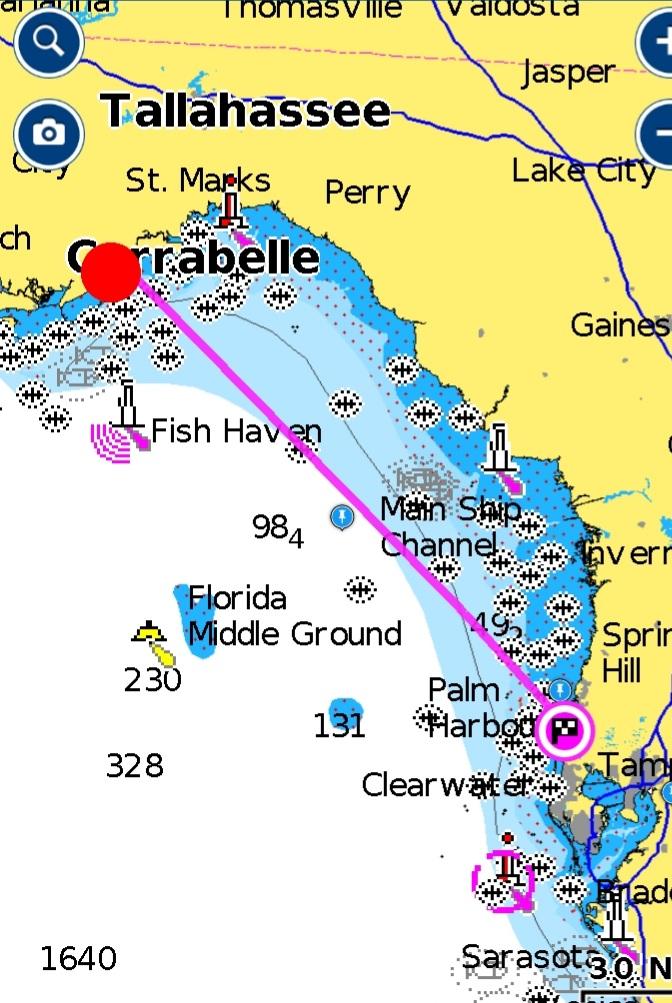
When visiting the Florida Big Bend, it’s crucial to practice responsible tourism. The region’s beauty lies in its unspoiled nature, and preserving it is paramount. Adhere to Leave No Trace principles, respect wildlife and their habitats, and follow all regulations in state parks and refuges. Support local businesses, engage with the communities, and embrace the slower pace of life. This area is less about manufactured entertainment and more about authentic experiences, allowing you to connect deeply with the environment and the genuine spirit of coastal Florida. Nearby major cities like Tallahassee and Gainesville are a drive away, but the Big Bend is truly about getting away from the urban sprawl.
In conclusion, the Florida Big Bend stands as a unique and vital travel destination within Florida. It’s a place where the wild heart of the state beats strongest, offering a refreshing alternative to its more heavily trafficked areas. For those willing to venture off the beaten path, the Big Bend promises an enriching journey filled with natural splendor, outdoor adventure, and the enduring charm of a Florida that time seems to have gracefully preserved. It is a testament to the diverse landscapes and experiences that await travelers in this remarkable state.
LifeOutOfTheBox is a participant in the Amazon Services LLC Associates Program, an affiliate advertising program designed to provide a means for sites to earn advertising fees by advertising and linking to Amazon.com. Amazon, the Amazon logo, AmazonSupply, and the AmazonSupply logo are trademarks of Amazon.com, Inc. or its affiliates. As an Amazon Associate we earn affiliate commissions from qualifying purchases.