
Understanding the ecological footprint of a city often begins with its climate classification. For those visiting or studying the natural history of Las Vegas, the question “What planting zone is Las Vegas?” serves as a gateway to understanding the unique biodiversity of the Mojave Desert. Located in the southern tip of Nevada within the United States, this neon metropolis is set against a backdrop of some of the most rugged and beautiful natural landmarks in North America. The planting zone not only dictates what can grow in a backyard but also defines the survival of ancient flora found in Red Rock Canyon National Conservation Area and the lush displays within the Bellagio Hotel and Casino.
Understanding the USDA Hardiness Zones in Southern Nevada
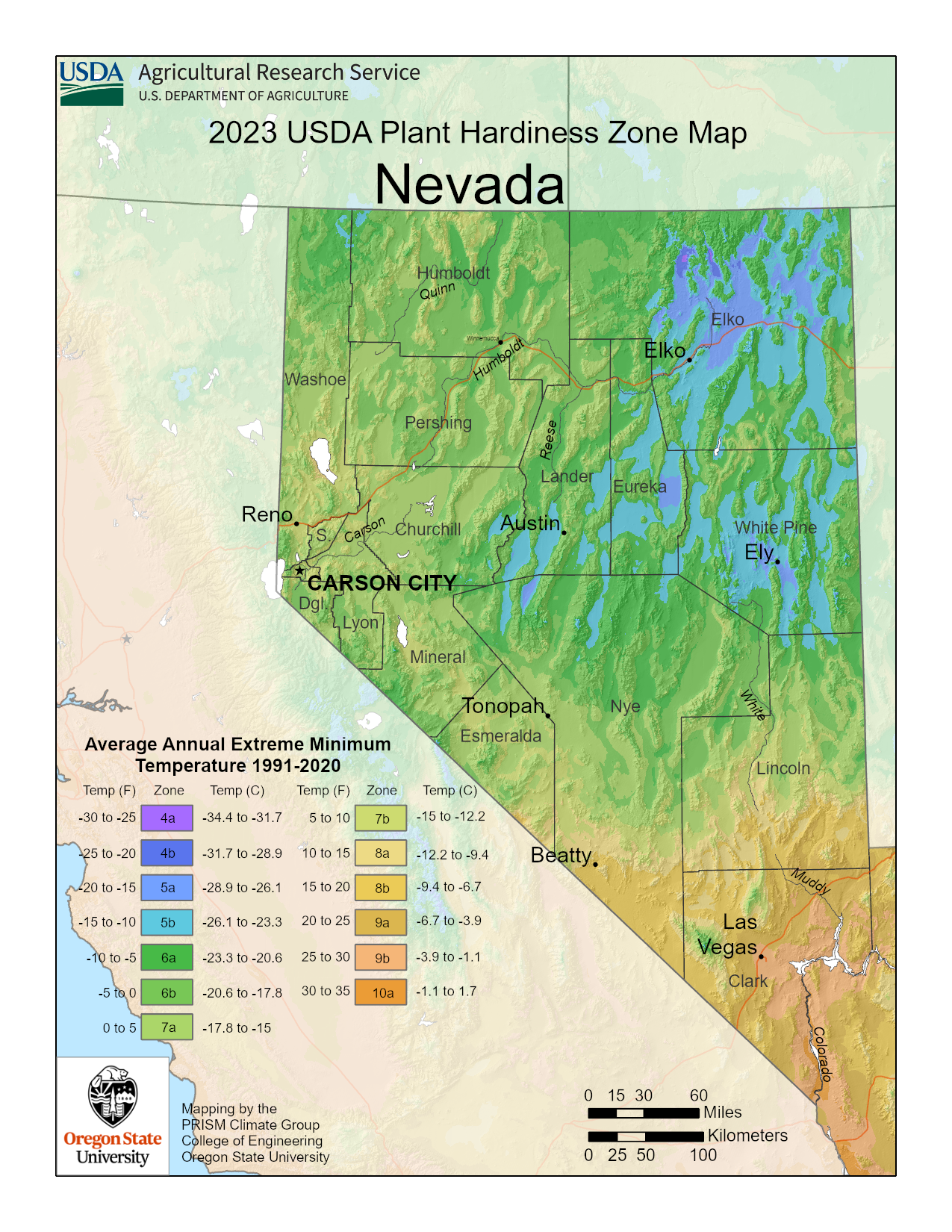
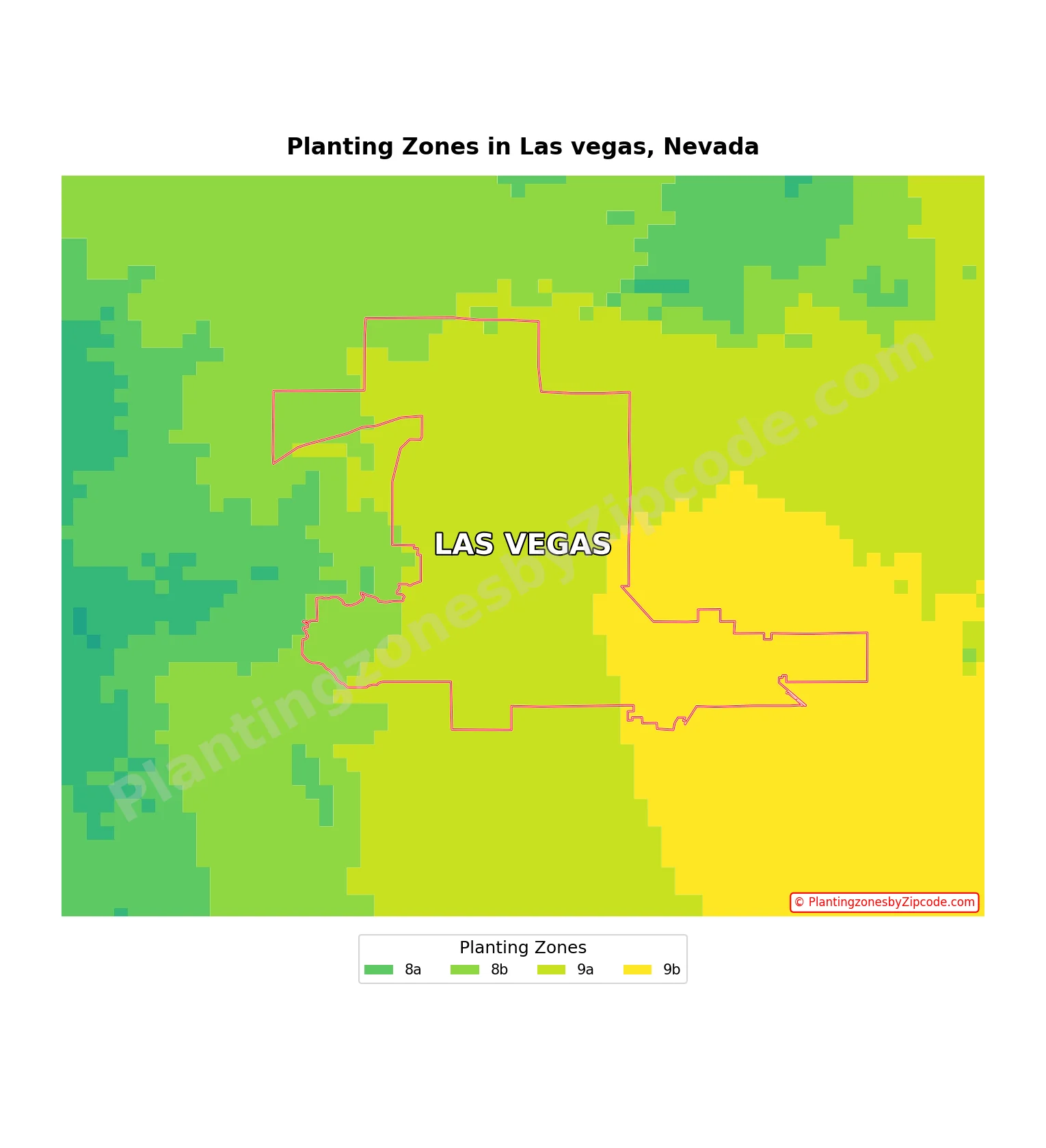
The United States Department of Agriculture (USDA) establishes hardiness zones based on the average annual minimum winter temperature. These zones are critical for understanding the endurance of nature in the desert. Las Vegas primarily falls into USDA Hardiness Zone 9a and 9b, though certain higher-elevation areas in Clark County can dip into Zone 8b.
The Specifics of Zone 9a and 9b
In Zone 9, the average minimum temperature ranges from 20 to 30 degrees Fahrenheit. This classification tells a story of a landscape that rarely sees deep freezes but must endure extreme fluctuations. In the heart of Las Vegas, the “urban heat island” effect often pushes the city toward the warmer 9b side, while the surrounding suburban areas like Henderson and North Las Vegas may experience slightly cooler nights. This specific zone allows for the growth of diverse palm species and Mediterranean plants, which have become synonymous with the luxury aesthetics of the Las Vegas Strip.
How Heat and Aridity Shape the Landscape
While the USDA zones focus on cold, the true challenge for nature in Nevada is the heat and lack of moisture. The Mojave Desert is the driest desert in North America. This aridity, combined with the Zone 9 temperature profile, creates a “hyper-arid” environment. Natural landmarks in the region have adapted over millennia to thrive in these conditions. The soil composition—often high in alkalinity and “caliche,” a hardened layer of calcium carbonate—acts as a secondary filter for what species can survive, making the local flora as resilient as the architecture of the Hoover Dam.
Iconic Landmarks and Natural Flora of the Region
The planting zones of Las Vegas are best observed through its natural landmarks. From the towering peaks of the Spring Mountains to the valley floor, the transition of life zones provides a masterclass in botany and geology.
The Sentinel of the Desert: The Joshua Tree
Perhaps the most famous resident of the Zone 9 desert is the Joshua Tree (Yucca brevifolia). Visitors traveling toward Death Valley National Park or exploring the outskirts of Las Vegas will see these twisted, spikey trees dotting the horizon. They are a biological landmark of the Mojave Desert, growing only at specific elevations where the temperature and rainfall meet their precise needs. These trees are a testament to the endurance required to survive in southern Nevada.
Botanical Highlights at the Springs Preserve
For those looking to see the planting zones of Las Vegas in a curated setting, the Springs Preserve is an essential landmark. Known as the “birthplace of Las Vegas,” this site features 180 acres of botanical gardens, trails, and exhibits. It showcases how Zone 9 plants—ranging from Mojave sage to desert willow—can be used to create sustainable and beautiful landscapes. The preserve serves as a historical and ecological landmark, protecting the original water source that allowed the city to be founded in the first place.
The Ethel M Botanical Cactus Garden
Located in Henderson, the Ethel M Botanical Cactus Garden is one of the largest of its kind in the United States. It features over 300 species of plants, many of which are native to the American Southwest. This landmark provides a visual map of how cacti and succulents from similar hardiness zones around the world can thrive in the Las Vegas climate.
The Impact of the Desert Microclimate on Local Nature Sites
While the general planting zone is 9, Las Vegas is home to several microclimates that defy the standard desert expectations. These areas are landmarks in their own right, offering a reprieve from the heat and a different perspective on Nevada’s nature.
Red Rock Canyon’s Unique Biodiversity
Just a short drive from the city, Red Rock Canyon National Conservation Area offers a stark contrast to the valley floor. Because of the varying elevations and the way the sandstone cliffs trap moisture, you can find plants here that wouldn’t survive in the open desert. The “Ice Box Canyon” within the park stays significantly cooler, supporting lush vegetation and even seasonal waterfalls. This landmark illustrates how topography can shift a planting zone within a matter of miles.
The Cooling Effects of Lake Mead and the Colorado River
The presence of Lake Mead and the Colorado River creates a riparian microclimate. Along the banks of these water bodies, the planting zone feels entirely different. Cottonwood trees and black willows thrive here, providing a green canopy that contrasts with the surrounding red rocks and beige sands. The Sloan Canyon National Conservation Area also showcases how ancient petroglyphs and desert life converge near these vital water sources.
Mount Charleston: An Alpine Escape
For a complete departure from Zone 9, one must look toward Mount Charleston. As the highest peak in the Spring Mountains, it functions as a “sky island.” Here, the planting zone shifts to 5 or 6, resembling the climate of Canada more than the desert. Ponderosa pines and white firs dominate the landscape, and snow remains on the peaks well into the spring. It is a vital natural landmark for residents and tourists seeking a glimpse of mountain ecology just 45 minutes from the desert heat.
Seasonal Transitions and Exploring the Natural Wonders of Las Vegas
The planting zones of Las Vegas ensure that the city’s natural beauty is not static. Throughout the year, the landmarks of the region transform, offering different experiences for nature lovers and history buffs.
Spring Blooms and Fall Colors
Spring is the most vibrant time to explore the nature of southern Nevada. In years with sufficient winter rainfall, the desert floor around Valley of Fire State Park erupts in wildflowers. Brittlebush, desert marigold, and globe mallow turn the landscape into a palette of yellow, purple, and orange. Similarly, autumn brings a subtle but beautiful change, especially at Floyd Lamb Park, where the large groves of trees turn golden against the backdrop of the Sheep Range.
The Role of Architecture in Nature
In Las Vegas, the line between man-made landmarks and natural beauty often blurs. The Bellagio Conservatory & Botanical Gardens is a prime example. While the gardens are indoors, the horticulturalists must navigate the challenges of the local climate to transport and maintain thousands of plants that change with the seasons. This site serves as a bridge, teaching visitors about global plant life while being situated in one of the world’s most extreme planting zones. Similarly, the Wynn Las Vegas uses massive pine trees and floral installations to create an oasis that feels worlds away from the Mojave Desert.
Practical Tips for Exploring Nature in the Mojave
When visiting the natural landmarks of Las Vegas, it is crucial to respect the fragility of Zone 9 ecosystems.
- Hydration: Always carry more water than you think you need, especially when hiking in Red Rock Canyon National Conservation Area.
- Timing: The best time to see the flora in its prime is between March and May.
- Protection: The sun in Nevada is intense; sunblock and hats are as necessary as your camera.
- Leave No Trace: Many desert plants, like the crust of the soil itself (cryptobiotic soil), are incredibly slow-growing. Staying on marked trails at sites like Valley of Fire State Park is essential for preservation.
In conclusion, Las Vegas is much more than a collection of resorts; it is a fascinating case study in how life persists in a challenging environment. By understanding that Las Vegas is in planting Zone 9, visitors can better appreciate the specialized beauty of the Mojave Desert and the incredible natural landmarks that define this corner of the United States. Whether you are standing at the base of a Joshua Tree or marvelling at the manicured gardens of the Encore at Wynn Las Vegas, you are witnessing the intersection of climate, nature, and human ingenuity.
LifeOutOfTheBox is a participant in the Amazon Services LLC Associates Program, an affiliate advertising program designed to provide a means for sites to earn advertising fees by advertising and linking to Amazon.com. Amazon, the Amazon logo, AmazonSupply, and the AmazonSupply logo are trademarks of Amazon.com, Inc. or its affiliates. As an Amazon Associate we earn affiliate commissions from qualifying purchases.