
A Symbol of the Sunshine State’s Enduring Spirit
For any traveler journeying through the vibrant landscapes and rich history of the Sunshine State, understanding its flag is a gateway to appreciating Florida’s unique local culture. More than just a piece of fabric, the Florida flag is a condensed narrative, a visual representation of the state’s heritage, natural beauty, and historical journey. Its prominent display across government buildings, public spaces, and even local businesses speaks volumes about the pride and identity of Floridians.
The current design of the Florida flag features a white field adorned with a diagonal red St. Andrew’s Cross, often referred to as a saltire. Centered squarely within this striking design is the Great Seal of the State of Florida. Each element within this composition tells a story, offering insights into the diverse influences that have shaped Florida into the captivating destination it is today. From the indigenous peoples who first inhabited its shores to the pioneers who navigated its waterways, the flag encapsulates the spirit of discovery, resilience, and natural splendor that defines the experience of visiting Florida. For those seeking to immerse themselves in the authentic essence of a place, delving into the meaning behind its most cherished symbols provides a profound and enriching dimension to their travels.

Unpacking the Emblem: Design, History, and Cultural Significance
The Florida flag is a tapestry woven with historical threads and symbolic imagery, each component contributing to its overall cultural meaning. For tourists interested in connecting with the heart of Florida’s identity, understanding these elements provides invaluable context.
The St. Andrew’s Cross and Its Antecedents
The most striking feature of the Florida flag, beyond the state seal, is the red diagonal cross. This design element, known as a saltire or St. Andrew’s Cross, traces its origins to the post-Civil War era. After the Civil War, Florida found itself without an official state flag, and its militia often marched under banners reminiscent of the Confederate Battle Flag, which also prominently featured a St. Andrew’s Cross.
In 1900, Florida voters approved an amendment to the state constitution that officially added the red cross to the flag. This decision was largely influenced by Governor Francis P. Fleming, a former Confederate soldier, who felt the flag should include a red cross to prevent it from appearing as a surrender flag when hanging limp. While the direct connection to the Confederate Battle Flag is a historical reality, the cross on the Florida flag is officially recognized as the St. Andrew’s Cross, a symbol with broader vexillological significance. This historical detail highlights Florida’s complex past and its Southern identity, providing a deeper layer of understanding for visitors exploring historical sites or engaging with the state’s heritage. The state seal itself was redesigned in 1985 to refine the depiction of its elements, further showcasing the evolving nature of cultural representation.
The Heart of the Flag: Florida’s Great Seal
At the very center of the flag is the Great Seal of Florida, a rich tableau of symbolic imagery that captures the essence of the state. Each element within the seal offers a glimpse into Florida’s natural wonders, economic drivers, and cultural heritage, making it a fascinating focal point for culturally curious travelers.
- Native American Woman: The seal depicts a Seminole woman scattering flowers in the foreground. This figure pays homage to Florida’s rich indigenous heritage and its enduring natural beauty. For tourists, this symbol can inspire visits to places like the Ah-Tah-Thi-Ki Museum on the Big Cypress Indian Reservation or Everglades National Park, where the history and culture of the Seminole and Miccosukee tribes are preserved and shared.
- Steamboat: In the middle ground, a steamboat sails on a body of water towards a distant sun. This represents commerce, transportation, and technological progress, all vital to Florida’s development. Visitors can connect with this aspect by exploring historic port cities like St. Augustine or Key West, taking river cruises, or learning about the impact of figures like Henry Flagler on Florida’s infrastructure at the Henry Flagler Museum in Palm Beach.
- Sabal Palm: Standing prominently is the Sabal Palm, Florida’s state tree. This iconic tree is ubiquitous throughout the state, symbolizing its lush natural environment and tropical climate. It’s a visual reminder of the scenic beauty awaiting tourists in Florida’s State Parks, beaches, and wilderness areas.
- Sun: A sun, complete with rays, rises above mountains in the background. While Florida is known for its flat topography, this element is a historical remnant from an earlier design. It powerfully symbolizes Florida’s moniker as the “Sunshine State,” promising warmth and vibrancy to all who visit.
- Motto: The phrase “In God We Trust” encircles the seal. As the national motto of the United States, its inclusion on the state seal reflects a broader aspect of American culture embedded within Florida‘s identity.
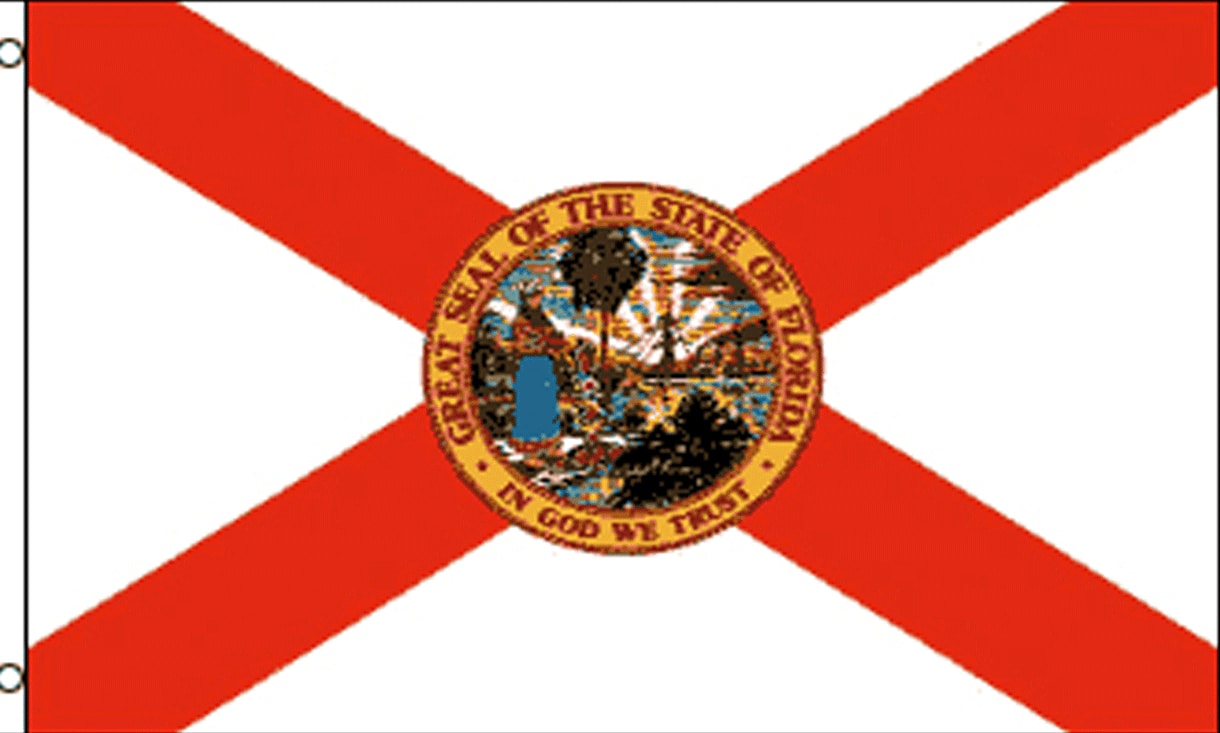
Together, these elements on the seal offer a comprehensive snapshot of Florida’s character, from its profound natural beauty to its economic dynamism and historical narrative. Recognizing these symbols while traveling through the state allows visitors to connect more deeply with the places they see and the stories they represent.
Experiencing Florida’s Identity Through Its Symbols
For the discerning tourist, understanding the Florida flag is not merely an academic exercise; it’s a tool for enriching their travel experience. The flag’s elements are tangible reflections of the state’s cultural tapestry, inviting deeper engagement with its history, environment, and communities.
Beyond the Flagpole: Where Culture Comes Alive
While the most obvious place to see the Florida flag is flying proudly from flagpoles, its symbolic representations are woven into the very fabric of the state, awaiting discovery by curious travelers.
- Government and Historical Sites: The most prominent display of the flag and its seal can be found at the Florida State Capitol in Tallahassee, where the history of state governance unfolds. Historical museums across the state, such as the St. Augustine History Museum or the Florida Museum of Natural History in Gainesville, often feature exhibits explaining the flag’s evolution and the stories behind its symbols. These institutions offer a direct educational experience that complements the visual cues seen elsewhere.
- Natural Preserves and State Parks: The presence of the Sabal Palm on the seal draws a direct link to Florida’s abundant natural beauty. Visiting Florida’s many State Parks, wildlife refuges, or even just driving along scenic routes, provides countless opportunities to see the iconic state tree thriving in its natural habitat. Recognizing this symbol in person fosters a greater appreciation for Florida’s commitment to preserving its unique ecosystems.
- Cultural Centers and Indigenous Lands: The depiction of the Seminole woman on the seal invites visitors to explore Florida’s rich indigenous heritage. Cultural centers and museums on tribal lands, such as the Ah-Tah-Thi-Ki Museum, offer authentic insights into the history, traditions, and contemporary life of Florida’s Native American communities. Engaging with these sites provides a nuanced understanding of the state’s multi-layered cultural landscape.
- Local Festivals and Art: Throughout the year, numerous local festivals, art exhibits, and community events across Florida showcase state pride. You might find stylized versions of the flag’s elements in public art, local crafts, or festive decorations. These vibrant displays offer a lively and informal way to see how the state’s symbols are embraced and reinterpreted by its people.
Engaging with Florida’s Heritage as a Visitor
For travelers, the true value of understanding the Florida flag lies in how it enhances their journey. It transforms passive observation into active engagement, allowing for a more profound connection with the destination. By consciously looking for the elements of the flag—the Sabal Palm, the imagery of exploration and commerce, the echoes of indigenous history—tourists can weave a richer narrative for their trip.
Take a moment to observe the details of historical architecture in St. Augustine, reflecting the commerce represented by the steamboat. Reflect on the resilience of the natural environment while kayaking through the Everglades, where the spirit of the indigenous woman and the Sabal Palm thrive. Even simply basking in the warm glow of the “Sunshine State” becomes more meaningful when you recall the sun on the state seal. This mindful approach to travel turns a superficial visit into an immersive cultural exploration, creating memories that are not just beautiful but deeply significant.

The Flag as a Gateway to Understanding Florida’s Local Culture
The Florida flag is far more than a decorative emblem; it is a meticulously crafted artifact that encapsulates centuries of history, natural wonders, and cultural aspirations. For any traveler seeking to move beyond mere sightseeing and truly immerse themselves in the local culture of the Sunshine State, understanding the flag is an indispensable first step.
Its design elements, from the historical St. Andrew’s Cross to the intricate Great Seal, tell a story of indigenous roots, pioneering spirit, and enduring natural beauty. By familiarizing oneself with these symbols, visitors gain a unique lens through which to view and interpret the diverse landscapes, historical landmarks, and vibrant communities they encounter across Florida. It encourages a deeper appreciation for the unique blend of influences that have forged Florida’s distinct identity. Ultimately, the Florida flag serves as a constant reminder of the state’s profound character, inviting every tourist to explore its depths and experience its rich cultural tapestry with newfound insight and understanding.
LifeOutOfTheBox is a participant in the Amazon Services LLC Associates Program, an affiliate advertising program designed to provide a means for sites to earn advertising fees by advertising and linking to Amazon.com. Amazon, the Amazon logo, AmazonSupply, and the AmazonSupply logo are trademarks of Amazon.com, Inc. or its affiliates. As an Amazon Associate we earn affiliate commissions from qualifying purchases.