
California’s roads are iconic, weaving through diverse landscapes from the sun-drenched beaches of Southern California to the towering redwood forests of the north, and connecting vibrant cities like Los Angeles and San Francisco. Whether you’re embarking on a cross-state adventure, exploring local attractions, or simply commuting, the availability and quality of these roadways are often taken for granted. However, maintaining and improving this extensive network of infrastructure comes at a significant cost, and in California, a primary funding source is the state’s gas tax. Understanding what the gas tax is, how it functions, and its implications is crucial for anyone who drives in the Golden State.
The Foundation of California’s Roadway Infrastructure: The Gas Tax
At its core, the gas tax in California is a per-gallon excise tax levied on motor vehicle fuel. This tax is collected by the state government, primarily through distributors and retailers, and then channeled into a dedicated fund for transportation projects. The concept behind such a tax is simple: those who directly benefit from the use of roads—drivers—contribute to their upkeep and enhancement. This user-fee principle aims to ensure that the infrastructure supporting transportation is funded by its primary users.
Historical Context and Evolution
The implementation of a state-level gasoline tax in California dates back to the early 20th century, a period when automobiles were rapidly transforming society and the demand for improved roads surged. Initially, these taxes were relatively low but proved effective in generating revenue for road construction and maintenance. Over the decades, as the state’s population grew, its vehicle fleet expanded, and the demands on the transportation system became more complex, the gas tax has seen numerous adjustments. These changes have often been driven by the need to fund larger-scale projects, address traffic congestion, and incorporate new transportation technologies and environmental considerations.
The evolution of the gas tax hasn’t been solely about raising rates. It has also involved shifts in how the tax is calculated and what revenues are dedicated to. For instance, there have been periods where the tax was a fixed amount per gallon, and other times where it was a percentage of the wholesale price, making it susceptible to fluctuations in fuel costs. Furthermore, discussions and legislative actions have increasingly focused on ensuring that the revenue generated is indeed used for its intended purpose—improving and maintaining transportation infrastructure, rather than being diverted to other state budget needs. This dedication of funds is a critical aspect for public trust and effective infrastructure planning.
How the California Gas Tax Works
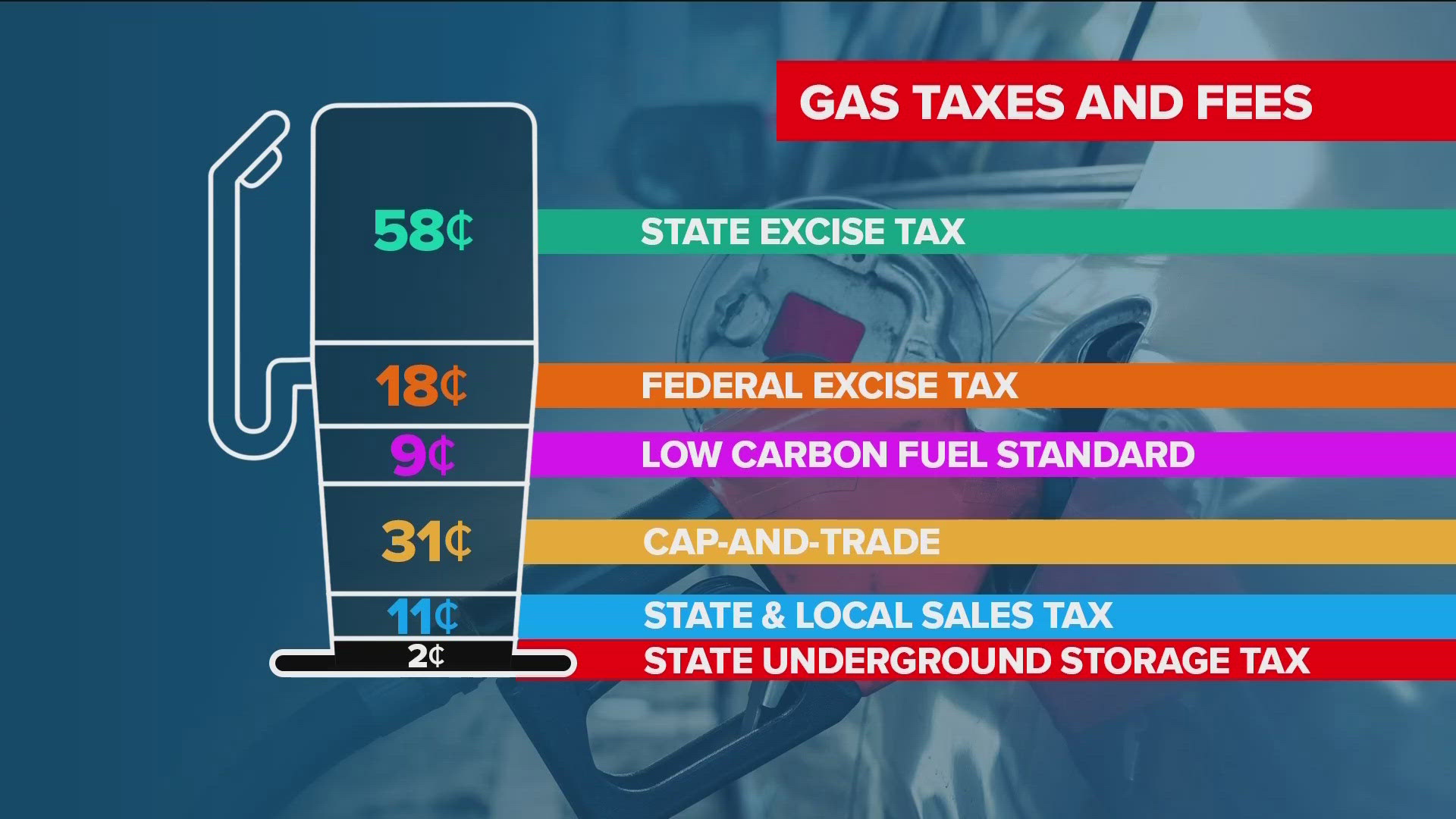
The California gas tax is not a single, static rate. It is comprised of several components, each contributing to the overall per-gallon price at the pump. Understanding these layers is key to grasping the full picture of the tax.
Components of the California Gas Tax
The tax you see at the pump is a culmination of various state and federal levies. While this article focuses on the California state gas tax, it’s important to acknowledge the federal excise tax on gasoline, which also adds to the cost of fueling up. Within California, the state excise tax is the most significant component. This is a fixed amount per gallon, established by state law. However, the true complexity arises from additional charges and adjustments that are layered on top.
One of the most impactful of these is the state excise tax itself. This is the base rate that has been adjusted over time. Beyond this, there are other components that can influence the final price. These include:
- State Sales Tax: While not strictly a “gas tax,” a portion of the state sales tax is applied to the cost of gasoline, further increasing the final price.
- Environmental Fees and Charges: California has a strong focus on environmental protection, and this is reflected in fuel costs. Certain fees are incorporated to fund programs aimed at reducing air pollution, improving fuel efficiency standards, and supporting alternative transportation initiatives. These can include programs related to the Advanced Clean Cars II initiative, which aims to phase out gasoline vehicle sales in favor of electric vehicles.
- Other Special Taxes and Fees: Depending on legislative changes, other specific taxes or fees might be added to fund particular infrastructure projects or programs, such as seismic retrofitting of bridges or the development of public transportation systems.
The interplay of these components means that the effective “gas tax” paid by a consumer is a composite of several charges, rather than a single, simple excise. This complexity can make it challenging for consumers to pinpoint exactly how much of their fuel cost is attributed to taxation.
Revenue Allocation and Use
A crucial aspect of any tax is how the revenue it generates is utilized. In California, the gas tax revenue is primarily dedicated to funding a wide array of transportation-related projects and services. This includes not just the construction of new highways and the repair of existing ones, but also a broader spectrum of transportation needs.
The primary recipient of these funds is the California Department of Transportation (Caltrans). Caltrans is responsible for planning, designing, building, operating, and maintaining the state’s vast network of highways, bridges, and tunnels. This encompasses everything from major freeway expansions in bustling metropolises like San Diego to the upkeep of rural roads that connect agricultural communities.
Beyond traditional highway infrastructure, gas tax revenues also support:
- Public Transportation: A portion of the funds is often allocated to support and expand public transit systems, including bus services, light rail, and commuter trains. This aligns with California’s goals of promoting sustainable transportation options and reducing reliance on single-occupancy vehicles, especially in densely populated areas like the San Francisco Bay Area.
- Bicycle and Pedestrian Infrastructure: Investments are increasingly being made to improve facilities for cyclists and pedestrians, encouraging active transportation and enhancing safety in urban and suburban environments.
- Traffic Congestion Mitigation: Funds can be used for projects aimed at reducing traffic jams, such as intelligent transportation systems, ramp metering, and improving traffic signal synchronization.
- Local Road Maintenance: A significant portion of the revenue is distributed to cities and counties to help them maintain and improve their local road networks, which are critical for local commerce and daily commutes.
- Environmental Initiatives: As mentioned, some revenue streams are specifically earmarked for projects that improve air quality, promote electric vehicle infrastructure, or support alternative fuels.
The allocation of these funds is governed by a complex system of laws and regulations, overseen by state agencies and subject to legislative appropriation. Transparency in how these funds are spent is essential for public accountability and to ensure that the intended beneficiaries—the traveling public—are indeed receiving the improvements they are paying for.
Navigating California’s Roads: The Impact on Travelers and Lifestyle
The California gas tax has a tangible impact on the everyday lives of its residents and the experiences of visitors. For those who live and work in the state, it’s an unavoidable cost of daily transportation. For tourists, it’s a factor that influences travel planning and budget.
The Economic Impact on Drivers and Businesses
For the average Californian driver, the gas tax is a direct contributor to the cost of operating a vehicle. Higher gas prices, influenced by taxes and global fuel markets, can affect household budgets, leading to adjustments in discretionary spending. This can range from planning shorter trips to opting for more fuel-efficient vehicles or even public transportation.
The economic ripple effect extends to businesses that rely on transportation. Trucking companies, delivery services, and ride-sharing platforms face increased operating costs, which can be passed on to consumers in the form of higher prices for goods and services. For businesses located in more remote or less accessible areas, the cost of fuel can also be a significant factor in their viability.
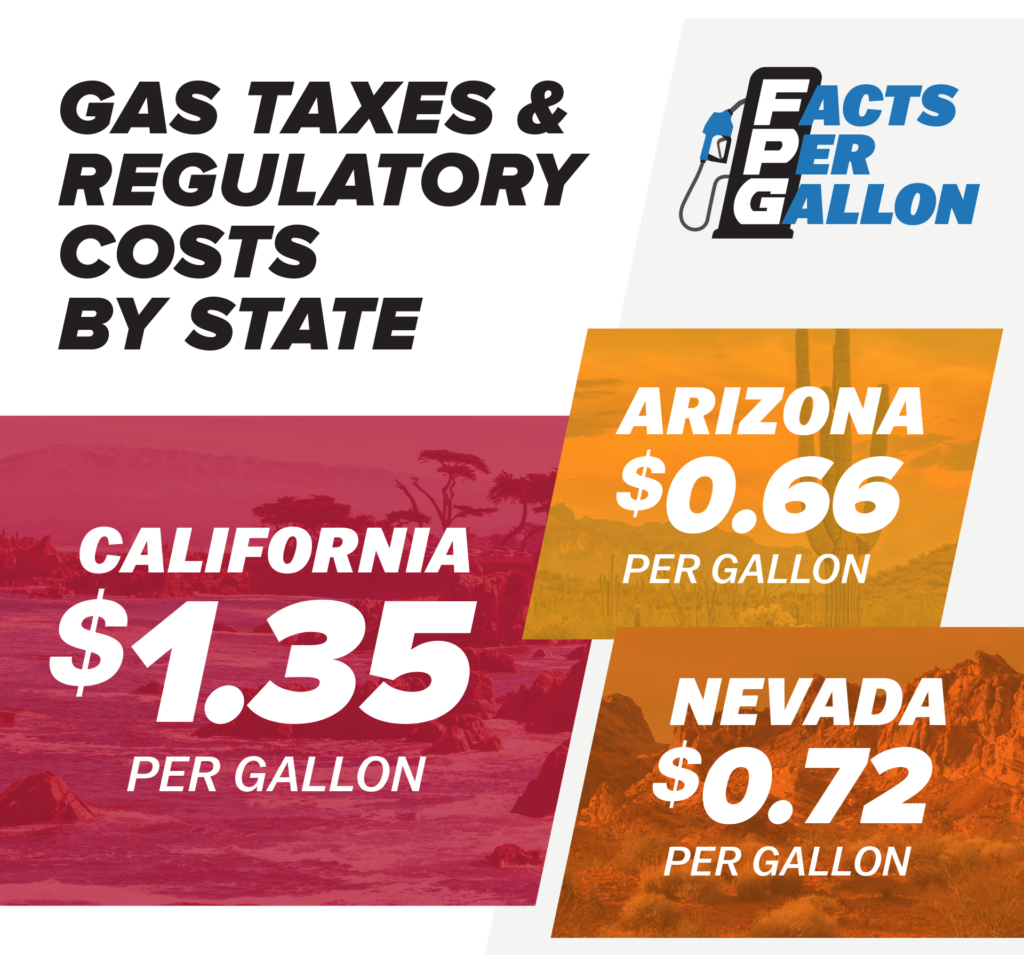
For tourists and visitors, the gas tax contributes to the overall cost of their trip. Renting a car in California and driving to popular destinations like Disneyland or exploring the scenic beauty of Yosemite National Park will involve higher fuel expenses compared to many other states. This can influence itinerary planning, the choice of accommodation, and the overall budget for a vacation. For instance, a family planning a road trip from San Diego to Lake Tahoe will need to factor in substantial fuel costs.
Lifestyle and Travel Choices
The presence of a significant gas tax, alongside generally higher fuel prices due to market dynamics, has subtly shaped lifestyle and travel choices within California.
- Fuel Efficiency and Vehicle Choice: There’s a greater incentive for Californians to purchase fuel-efficient vehicles, including hybrids and electric cars. The state has actively promoted the adoption of electric vehicles (EVs) through incentives and charging infrastructure development, partly as a response to high gasoline costs and environmental concerns. The long-term viability of owning a gasoline-powered vehicle in California is increasingly weighed against the rising costs associated with fuel.
- Urban Planning and Public Transit: The recognition of fuel costs and the desire to alleviate traffic congestion have bolstered investments in and the utilization of public transportation. Cities like San Francisco and Los Angeles have extensive public transit networks, including subway systems and light rail, which are attractive alternatives for commuters and travelers alike, especially when factoring in parking costs and traffic.
- Staycations and Local Tourism: For some, the cost of extensive travel might lead to an increased focus on “staycations” or exploring attractions closer to home. This can, in turn, boost local tourism within specific regions or cities, benefiting local businesses and fostering a deeper appreciation for the diverse offerings within the state, from cultural landmarks to natural parks.
- Luxury vs. Budget Travel: The gas tax can influence both luxury and budget travel. For luxury travelers, the added cost might be a minor consideration, but for budget-conscious individuals or families, it can necessitate more careful planning, seeking out budget-friendly accommodations like motels or apartments, and potentially limiting the distances they travel. A family planning a trip to experience the theme parks of Orange County might opt for accommodations within walking distance or a short shuttle ride to minimize driving.
In essence, the California gas tax is more than just a per-gallon charge; it’s an integral part of the state’s infrastructure funding model, with far-reaching implications for the economy, lifestyle, and the very way people experience travel within the Golden State. Understanding its components, allocation, and impact is key to navigating the roads and planning journeys through this diverse and dynamic state.
Future of Fuel Taxes and Transportation Funding
As California, and indeed the world, looks toward an electrified future and potentially reduced gasoline consumption, the long-term sustainability of the gas tax as a primary funding mechanism for transportation infrastructure is a subject of ongoing debate and innovation.
Adapting to Evolving Transportation Trends
The rise of electric vehicles (EVs) presents a significant challenge to the traditional gas tax model. As more drivers switch to EVs, the revenue generated from gasoline sales will inevitably decline. This shift necessitates a proactive approach to finding alternative and equitable funding sources for road maintenance and infrastructure development.
Several potential solutions are being explored and debated:
- Road Usage Charges (RUC) / Mileage-Based User Fees: This model proposes charging drivers based on the actual miles they drive, rather than the amount of fuel they consume. Pilot programs and studies are underway in various regions to assess the feasibility and public acceptance of such systems. The idea is to maintain the user-fee principle while accounting for all vehicle types, including EVs. This could be implemented through odometer readings, GPS tracking, or other data collection methods.
- Increased Vehicle Registration Fees: Some states are considering or have already implemented higher annual registration fees for EVs to help offset the loss of gas tax revenue.
- New Taxes and Fees on Alternative Fuels: As alternative fuel sources become more prevalent, new taxation strategies may be developed to ensure these fuels contribute to infrastructure funding.
- General Fund Appropriations: A portion of the state’s general fund, derived from income and sales taxes, could be allocated to transportation projects, although this moves away from the user-fee principle.
- Public-Private Partnerships: Leveraging private sector investment for infrastructure projects, with mechanisms for recouping costs through tolls or user fees, is another avenue being explored.
The transition will require careful consideration to ensure fairness, privacy, and efficiency in any new funding model. The goal is to maintain a robust and reliable funding stream that can support California’s extensive transportation network, from the highways connecting major cities like Sacramento to the rural roads that serve agricultural heartlands, and to invest in future transportation needs.
Policy Debates and Public Perception
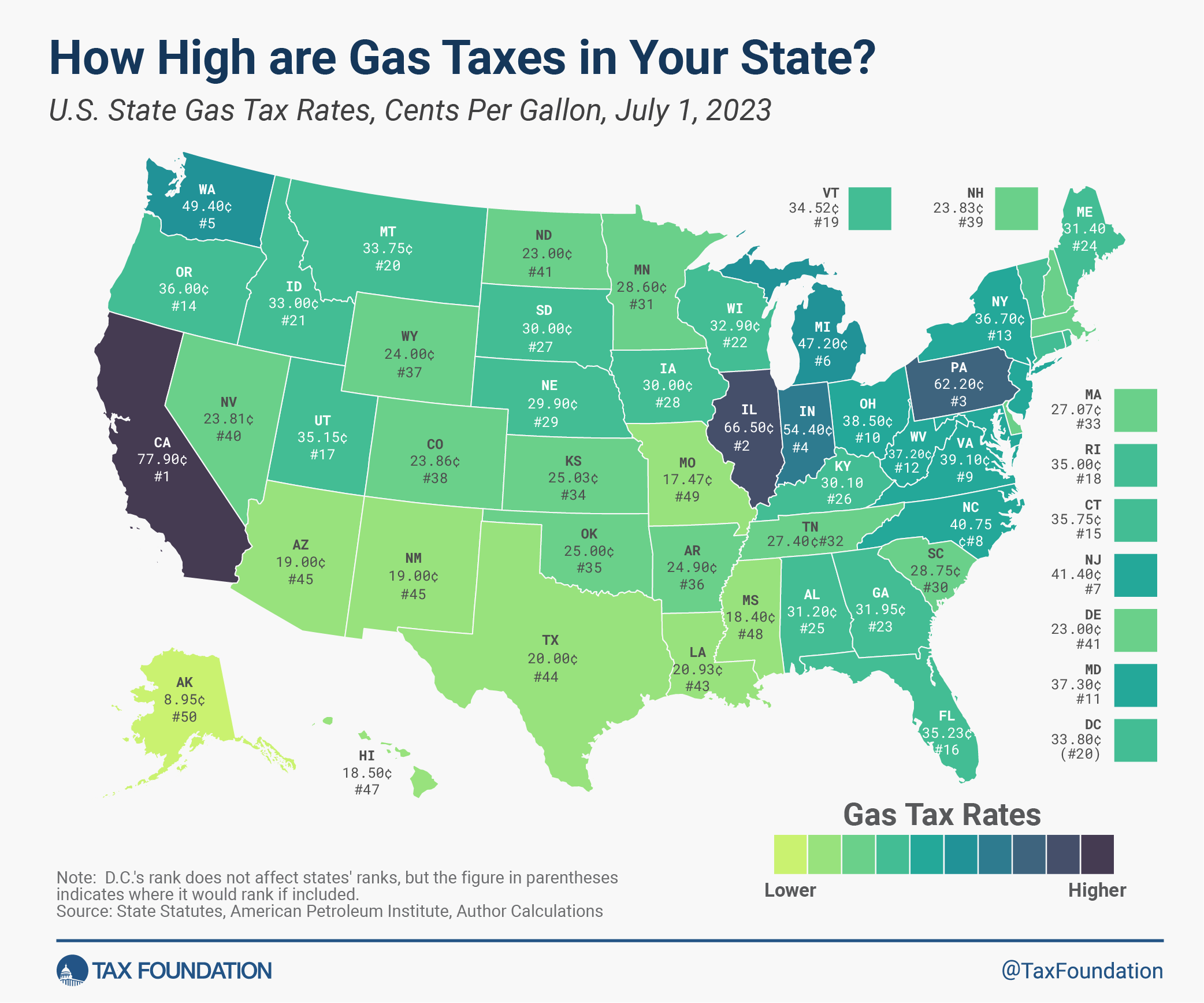
The discussion surrounding gas taxes in California is often intertwined with broader policy debates about environmental protection, economic development, and social equity.
- Environmental Goals: Many argue that higher fuel taxes, particularly those linked to environmental mitigation, are necessary to achieve California’s ambitious climate goals. By making gasoline more expensive, the state encourages a shift towards cleaner transportation options.
- Economic Equity: Conversely, concerns are often raised about the regressive nature of gas taxes, which can disproportionately impact lower-income individuals who may have less flexibility in their vehicle choices or travel habits. Ensuring that any new funding mechanisms are equitable and do not place an undue burden on vulnerable populations is a key consideration.
- Infrastructure Investment: There’s a persistent public demand for improved infrastructure. Whether it’s smoother roads, reduced congestion, or enhanced public transit, voters expect their tax dollars to translate into tangible benefits. Transparency in how gas tax revenue is spent is crucial for maintaining public trust and support.
- Political Landscape: Changes to fuel taxes are politically sensitive. Legislators often face pressure from various stakeholders, including the public, industry groups, and environmental advocates, when proposing adjustments or new funding models. The process typically involves extensive public hearings, legislative committees, and ultimately, votes in the state legislature.
The ongoing dialogue about the future of transportation funding in California reflects the state’s dynamic approach to addressing complex challenges. By understanding the current gas tax and anticipating future needs, the state aims to ensure its transportation infrastructure remains modern, efficient, and sustainable for generations to come, supporting everything from the iconic Pacific Coast Highway to the bustling streets of Los Angeles.
LifeOutOfTheBox is a participant in the Amazon Services LLC Associates Program, an affiliate advertising program designed to provide a means for sites to earn advertising fees by advertising and linking to Amazon.com. Amazon, the Amazon logo, AmazonSupply, and the AmazonSupply logo are trademarks of Amazon.com, Inc. or its affiliates. As an Amazon Associate we earn affiliate commissions from qualifying purchases.