
Florida, often called the Sunshine State, beckons millions of travelers each year with its pristine beaches, vibrant cities, and world-renowned theme parks. From the magical enchantment of Orlando to the sun-drenched shores of Miami and the historic charm of St. Augustine, the state offers a kaleidoscope of experiences. However, a significant aspect of planning a trip to this popular destination, particularly between early summer and late autumn, involves understanding its hurricane season. While hurricanes are a natural part of the tropical Atlantic climate, being informed and prepared can transform potential anxiety into a well-managed and enjoyable vacation. This comprehensive guide aims to equip travelers with the knowledge needed to navigate Florida’s hurricane season confidently, ensuring a safe and memorable journey regardless of the time of year.
Understanding Florida’s Hurricane Season Dynamics
To effectively plan a trip to Florida, it’s crucial to grasp the fundamental characteristics of its hurricane season. Knowing the official timeline, peak activity periods, and the underlying meteorological reasons can significantly influence travel decisions and preparedness strategies.
Official Dates and Peak Activity
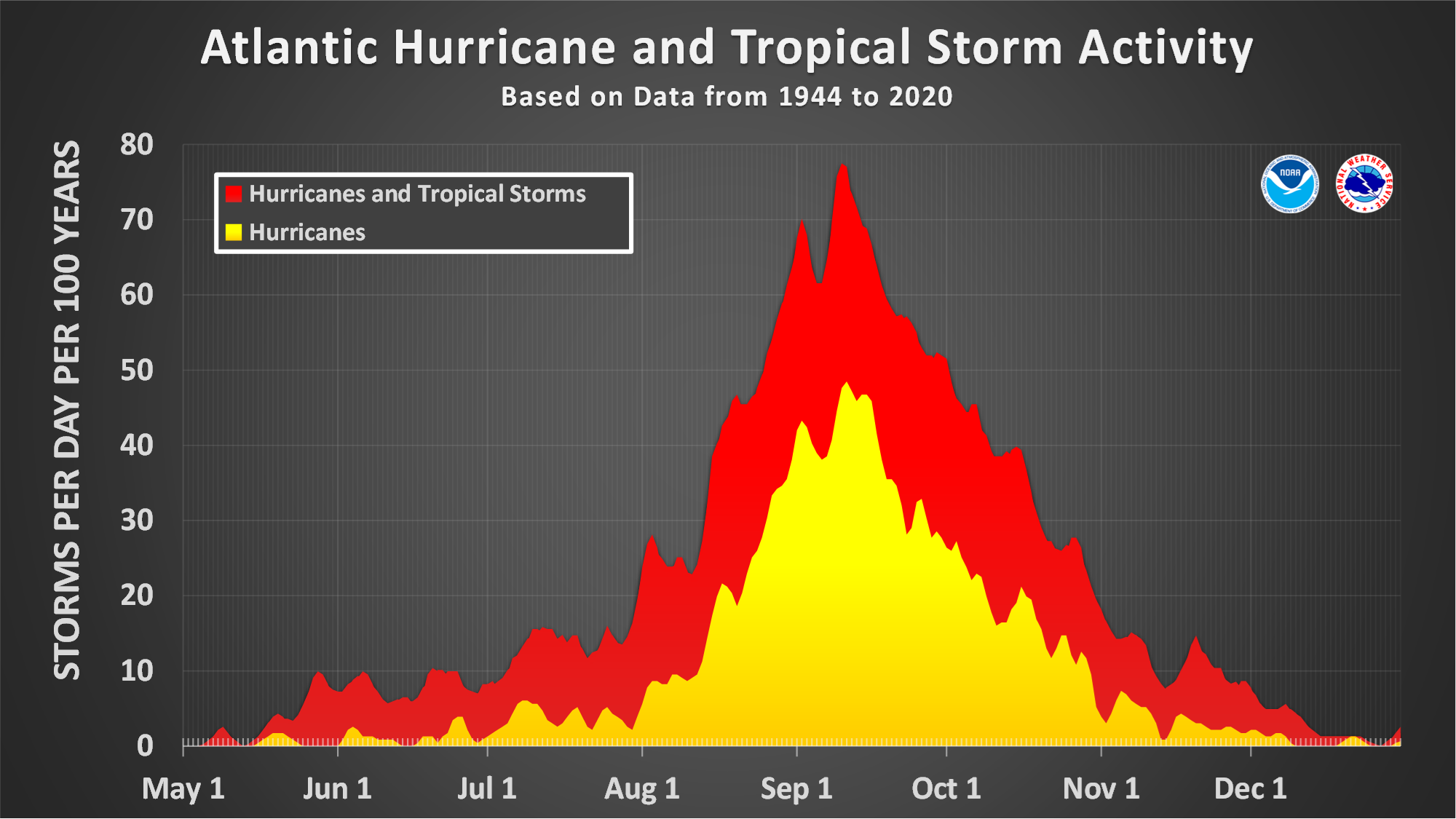
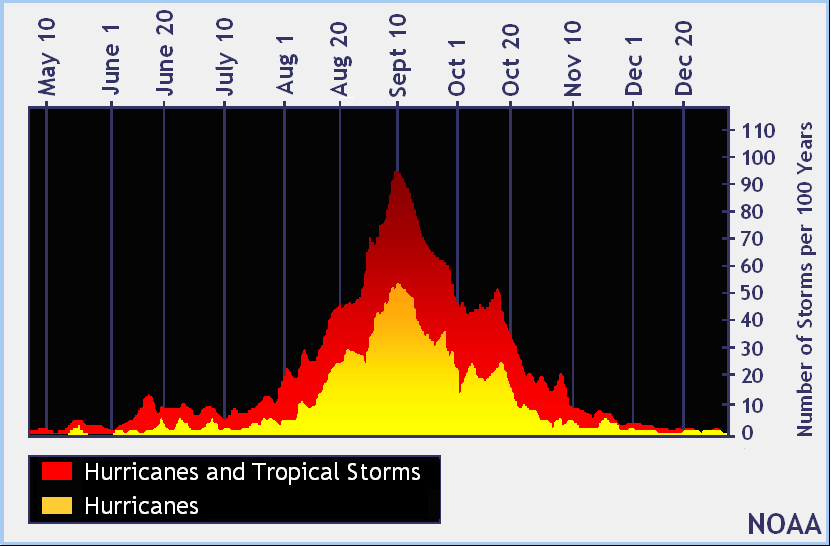
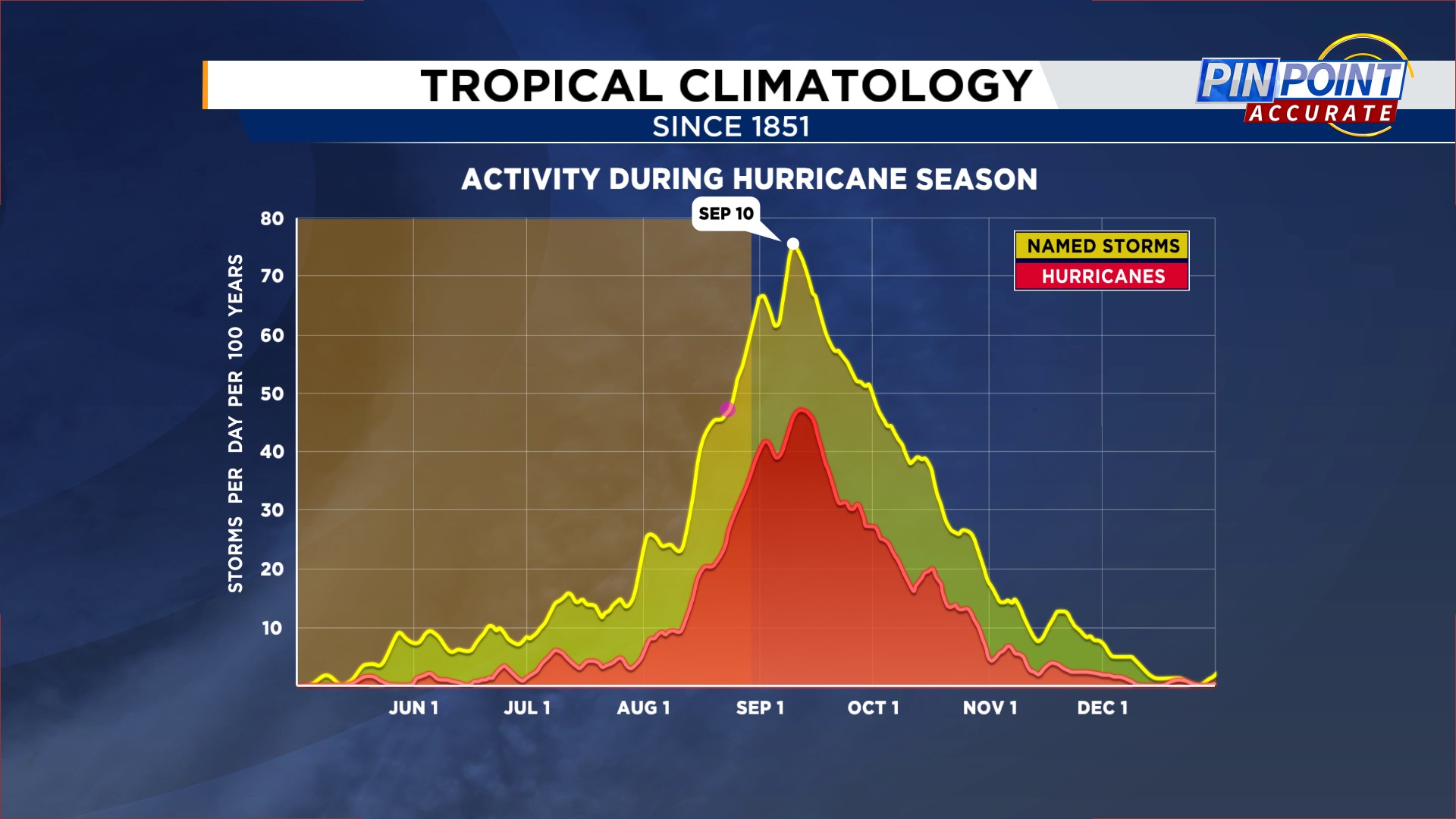
The Atlantic hurricane season officially runs from June 1st to November 30th each year. During this six-month period, conditions in the Atlantic Ocean, Caribbean Sea, and Gulf of Mexico are most conducive to the formation and intensification of tropical cyclones. While storms can occur at any point within this window, the season typically sees a distinct peak in activity. The busiest months are historically August, September, and October, with September often being the most active. It’s during these months that sea surface temperatures are warmest, and wind shear conditions are often minimal, creating a fertile environment for hurricane development. Early season storms (June-July) tend to form closer to the United States and in the Gulf of Mexico, while late season storms (November) can still be potent, though less frequent.
The Science Behind Florida’s Vulnerability
Florida’s geographical location makes it particularly susceptible to hurricanes. As a peninsula bordered by the Atlantic Ocean to the east and the Gulf of Mexico to the west, it is directly in the path of many storm systems. The warm waters surrounding Florida provide the essential energy source for hurricanes, which thrive on heat and moisture. Furthermore, the state’s low elevation and extensive coastline mean that storm surge – a destructive wall of water pushed ashore by a hurricane – poses a significant threat, often more dangerous than the winds themselves. The complex interplay of ocean currents, atmospheric pressure systems, and prevailing winds creates a highway for these powerful weather phenomena, making understanding their patterns vital for any visitor. Organizations like the National Hurricane Center (NHC) provide invaluable resources and forecasts, acting as the primary source for accurate and timely information.
Strategic Planning for Travel During Hurricane Season
Traveling to Florida during hurricane season doesn’t have to be a deterrent; rather, it calls for a more strategic approach to planning. With careful consideration of key factors, travelers can still enjoy the state’s offerings while minimizing potential risks.
The Indispensable Role of Travel Insurance
One of the most crucial investments for travelers during hurricane season is comprehensive travel insurance. Not all policies are created equal, so it’s imperative to read the fine print. Look for policies that specifically cover “weather-related trip interruptions” or “cancellations due to natural disasters.” Some policies may exclude coverage if a storm has already been named or its trajectory forecasted before you purchase the insurance. It’s advisable to buy insurance well in advance of your trip and understand what scenarios, such as mandatory evacuations, flight cancellations, or hotel closures, are covered. This can provide peace of mind and protect your financial investment should a storm impact your travel plans.
Maximizing Flexibility with Bookings
Flexibility is a traveler’s best friend during hurricane season. When booking flights, accommodations, and activities, prioritize options that offer free cancellation or allow for easy date changes without penalty. Many airlines and hotels, especially those catering to tourism in Florida, have more lenient cancellation policies during periods of potential hurricane threats, but these often apply only when a specific warning has been issued for the area. Always confirm these policies directly with providers before finalizing your reservations. Consider booking refundable hotels or vacation rentals, and look for flights with “change fee waiver” options. This approach allows you to adapt quickly if a storm threatens your intended destination, whether it means postponing your trip or rerouting to a less impacted area of the state, such as traveling to the Florida Panhandle if a storm is targeting South Florida, or vice versa.
Monitoring Weather and Local Alerts
Staying informed is paramount. Before and during your trip, make it a habit to regularly check weather forecasts from reputable sources like the National Hurricane Center (NHC), the National Weather Service, and local news outlets in your destination city (e.g., Tampa, Jacksonville, Key West). Pay close attention to hurricane watches (meaning conditions are possible within 48 hours) and hurricane warnings (meaning conditions are expected within 36 hours). Many counties in Florida also have emergency alert systems (e.g., text messages, email notifications) that visitors can sign up for temporarily. These alerts provide real-time information on storm progression, evacuation orders, and shelter locations, ensuring you have the most up-to-date information to make informed decisions.
Essential Safety Measures and On-the-Ground Preparedness
Should a hurricane threat emerge while you are in Florida, having a clear understanding of safety protocols and preparedness measures is vital. Proactive steps can significantly enhance your safety and reduce stress.
Emergency Planning and Communication
Before arriving, research the emergency plans for the specific region or city you’ll be visiting. Familiarize yourself with local evacuation routes, which are usually well-marked, and identify potential shelter locations. Many hotels also have their own hurricane preparedness plans and will communicate directly with guests regarding safety measures. Establish a communication plan with your travel companions and family back home. Share your itinerary and ensure everyone knows how to contact each other if separated. Keep cell phones charged and consider carrying a portable power bank. During a severe storm, traditional communication might be disrupted, so having multiple ways to connect is beneficial.
Assembling a Basic Emergency Kit
Even though you’re traveling, it’s wise to pack a mini-emergency kit. This doesn’t mean hauling survival gear, but rather having a small bag with essentials that can be easily accessed. Include a flashlight with extra batteries, a first-aid kit, any necessary prescription medications, a small supply of non-perishable snacks, bottled water, a whistle, copies of important documents (ID, insurance policies, booking confirmations), and some cash. Power outages are common during and after hurricanes, rendering ATMs and credit card machines inoperable. Having these items readily available ensures basic needs are met and critical information is accessible during a disruption.
Navigating Evacuation Orders and Shelter Options
If an evacuation order is issued for your area, take it seriously and follow official guidance immediately. Local authorities prioritize the safety of residents and visitors, and these orders are given for good reason. Do not attempt to ride out a storm in an evacuated zone. If you need to evacuate and cannot leave the area entirely, seek designated public shelters. Information on shelter locations is typically broadcast on local news and available through county emergency management websites. While shelters provide safety, they are basic facilities, so bringing your emergency kit, comfort items, and entertainment can make the experience more bearable.
The Advantages of Off-Peak Travel During Hurricane Season
Despite the inherent risks, traveling to Florida during the hurricane season, particularly outside the peak storm months, presents several compelling advantages, making it an attractive option for savvy travelers.
Cost Savings and Reduced Crowds
One of the most significant benefits of visiting Florida during the off-peak hurricane season (June, early July, late October, November) is the potential for substantial cost savings. Airfares and accommodation rates, from luxury resorts in Palm Beach to family-friendly suites in Orlando, are often considerably lower than during the winter and spring high seasons. Theme parks like Walt Disney World and Universal Studios experience fewer crowds, leading to shorter wait times and a more relaxed experience. Similarly, popular beaches and attractions are less congested, allowing for a more serene and intimate exploration of the state’s beauty.
Enjoying Florida’s Unique Climate and Experiences
While hurricanes are a concern, much of the hurricane season, especially the shoulder months, still offers beautiful, sunny weather. The summer months are hot and humid, characteristic of Florida’s tropical climate, but also feature stunning afternoon thunderstorms that often clear to spectacular sunsets. These storms, while sometimes intense, are typically brief and localized. Travelers can enjoy the warm ocean waters, perfect for swimming and water sports, which remain inviting well into the fall. Additionally, many of Florida’s cultural events, festivals, and natural attractions, such as exploring the Everglades or the historic streets of Key West, continue uninterrupted, offering authentic experiences away from the peak tourist bustle.
Post-Hurricane Travel Considerations
Even if a hurricane strikes Florida, many areas recover remarkably quickly. Post-storm, travelers might find opportunities to visit regions that were unaffected or have already rebuilt, often at reduced prices. It’s important, however, to verify the status of infrastructure (roads, airports, utilities) and the reopening of specific attractions before traveling to an affected area. Supporting local businesses in the aftermath of a storm can also be a meaningful way to contribute to the community’s recovery, turning your vacation into an act of solidarity.
In conclusion, Florida’s hurricane season, while requiring diligence and preparedness, should not deter an adventurous traveler. By understanding the season’s dynamics, investing in proper insurance, maintaining booking flexibility, and staying informed through reliable weather sources, a trip to the Sunshine State can be both safe and incredibly rewarding. The lure of fewer crowds and more affordable prices during these months offers a unique opportunity to experience Florida’s diverse appeal without compromising on safety, provided you approach your travel plans with foresight and an informed perspective.
LifeOutOfTheBox is a participant in the Amazon Services LLC Associates Program, an affiliate advertising program designed to provide a means for sites to earn advertising fees by advertising and linking to Amazon.com. Amazon, the Amazon logo, AmazonSupply, and the AmazonSupply logo are trademarks of Amazon.com, Inc. or its affiliates. As an Amazon Associate we earn affiliate commissions from qualifying purchases.