
Navigating healthcare coverage is a critical component of financial stability and overall lifestyle planning for residents of California. For many, particularly those with lower incomes, Medi-Cal serves as an essential safety net, providing comprehensive health services without substantial out-of-pocket costs. Understanding the eligibility criteria, especially the income limits for 2024, is paramount for individuals and families seeking to secure their health and financial well-being. This guide delves into the specifics of Medi-Cal income limits, exploring the mechanisms of eligibility and their broader impact on the lives of Californians.
Understanding Medi-Cal in the Context of Lifestyle and Financial Wellness
Healthcare access is not merely a medical concern; it is a fundamental aspect of one’s lifestyle, deeply intertwined with financial wellness. The burden of medical expenses can quickly derail even the most carefully planned budgets, impacting housing, food, and other essential expenditures. For low-income individuals and families in California, Medi-Cal eliminates this significant financial stress, allowing them to focus resources on other vital components of their daily lives.
The Importance of Healthcare for Daily Living
Accessible healthcare directly contributes to a stable and productive lifestyle. When individuals have reliable access to doctors, preventive care, and necessary treatments, they are more likely to maintain their health, reducing the risk of debilitating illnesses and costly emergencies. This proactive approach supports continuity in employment, education, and family responsibilities. Without adequate health coverage, even a minor illness can escalate into a major financial crisis, forcing difficult choices between health and other basic necessities. Medi-Cal ensures that Californians do not have to make such impossible decisions, providing a crucial buffer against the unpredictable nature of health. It supports not just physical well-being, but also mental and emotional stability, which are cornerstones of a balanced lifestyle. The ability to seek medical attention without fear of overwhelming bills empowers individuals to lead fuller, more engaged lives, contributing positively to their communities and personal endeavors.
Medi-Cal as a Financial Pillar for Low-Income Californians
For those operating on tight budgets, every dollar counts. Medi-Cal acts as a robust financial pillar, absorbing the potentially catastrophic costs of medical care. This relief allows low-income Californians to allocate their limited funds towards housing, nutritious food, transportation, and educational opportunities—elements that directly enhance their quality of life. The program significantly reduces medical debt, a common cause of financial instability, thereby improving credit scores and offering greater financial freedom. By safeguarding individuals against high medical bills, Medi-Cal empowers them to pursue personal and professional goals without the constant specter of healthcare expenses. This financial security, enabled by comprehensive healthcare coverage, contributes to a more predictable and stable lifestyle, fostering an environment where individuals can thrive rather than simply survive. It’s an investment in human capital that resonates throughout the socio-economic fabric of the state.
Navigating the 2024 Income Thresholds for Medi-Cal Eligibility
Eligibility for Medi-Cal in 2024 primarily hinges on an applicant’s income relative to the Federal Poverty Level (FPL) and is often determined using the Modified Adjusted Gross Income (MAGI) methodology for most non-elderly, non-disabled adults. These thresholds are updated annually, reflecting changes in the cost of living and federal guidelines. Understanding these specific limits is the first step toward determining eligibility. The state of California is committed to expanding access to healthcare, and as such, its Medi-Cal program is designed to cover a broad range of its population.
Federal Poverty Level (FPL) and Modified Adjusted Gross Income (MAGI)
The Federal Poverty Level (FPL) is a set of income thresholds used to determine poverty status and eligibility for many federal and state programs, including Medi-Cal. For most eligibility groups, California uses the Modified Adjusted Gross Income (MAGI) methodology. MAGI is calculated by taking your Adjusted Gross Income (AGI) and adding back certain deductions, such as untaxed foreign income, tax-exempt interest, and the tax-exempt portion of Social Security benefits. This method simplifies the income determination process and aligns Medi-Cal eligibility with criteria used for subsidies on Covered California, the state’s health insurance marketplace. The MAGI calculation ensures a consistent and straightforward approach to assessing an applicant’s financial situation, focusing on readily verifiable income sources. This streamlined process aims to reduce barriers to enrollment and make it easier for eligible individuals to access necessary healthcare services, reinforcing their lifestyle stability.
Specific Income Limits for Individuals and Families
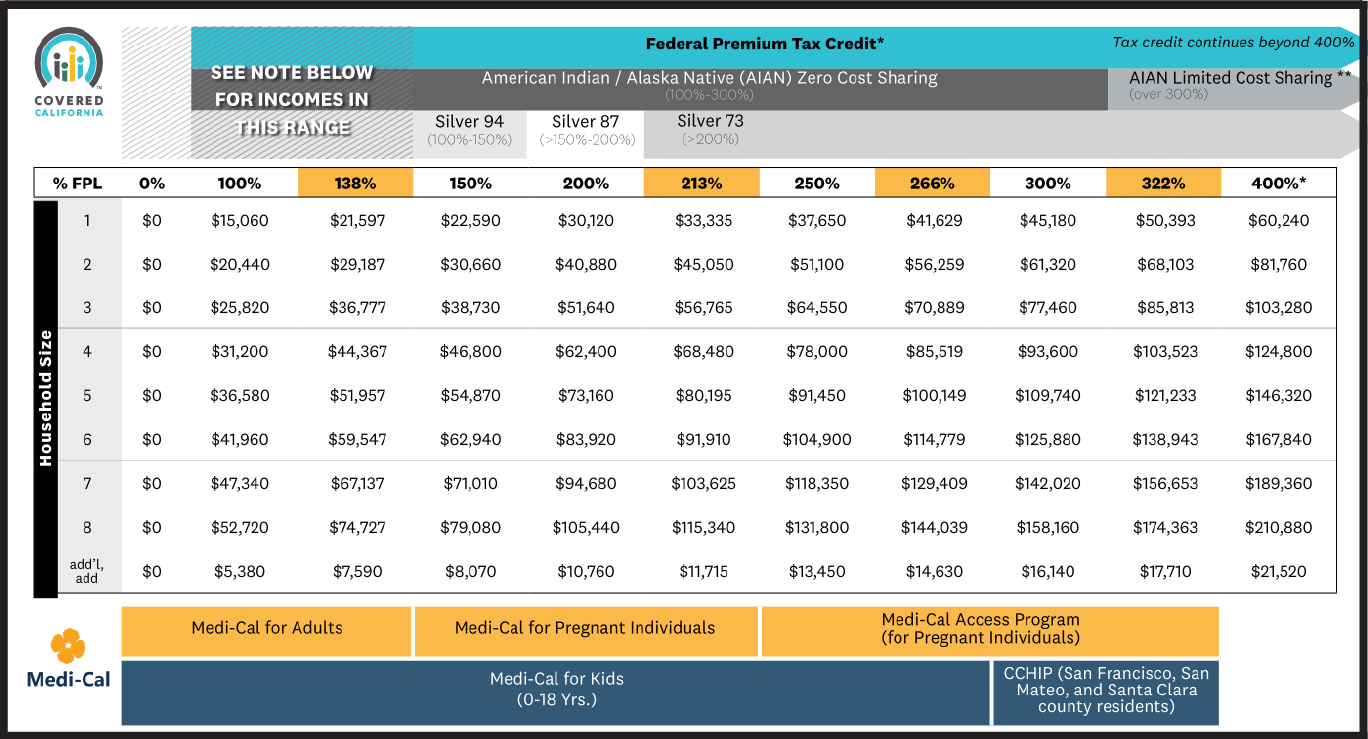
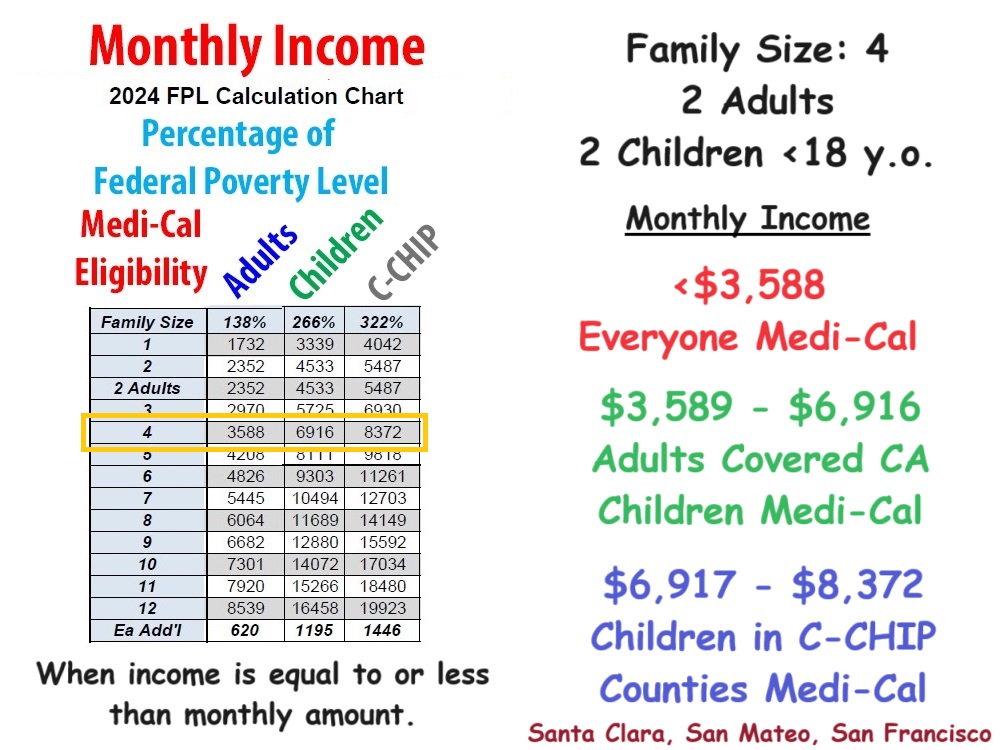
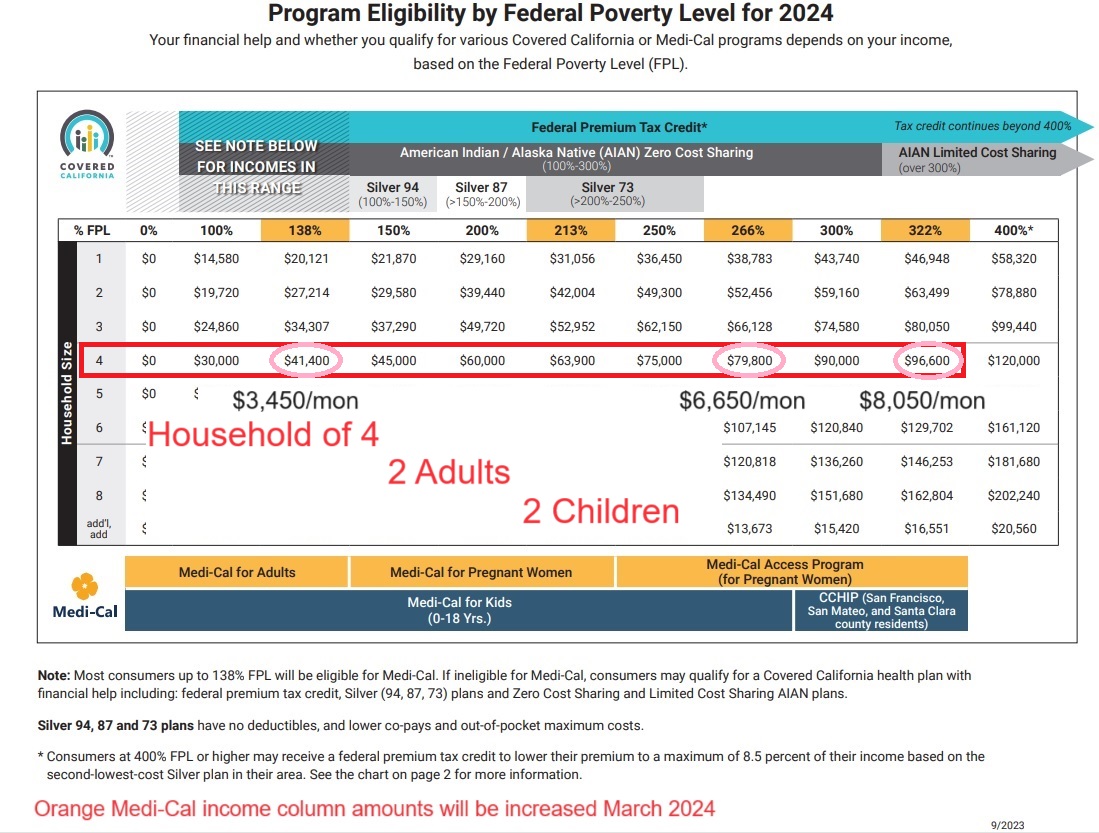
For 2024, the general income limit for most adults seeking Medi-Cal is 138% of the Federal Poverty Level (FPL). This means that individuals and families whose MAGI falls at or below this percentage are typically eligible. For a single individual, this translated to approximately $20,783 annually for 2023, and the 2024 figures, while awaiting official federal release, are expected to be slightly higher to account for inflation. For a family of two, the limit is around $28,207, and for a family of three, it’s about $35,632, increasing with each additional household member. These specific figures are crucial for applicants to review. The California Department of Health Care Services (DHCS) publishes detailed charts that outline the exact FPL percentages and corresponding income thresholds based on household size, which are indispensable resources for potential applicants. Regularly checking these official resources is vital, as minor adjustments can occur, affecting eligibility and subsequent lifestyle planning.
Special Considerations: Pregnant Individuals, Children, and Medically Needy
Medi-Cal includes several expanded eligibility categories with different income limits to ensure vulnerable populations receive coverage. Pregnant individuals and children (up to age 19) typically have higher income thresholds, often up to 266% of the FPL for pregnant individuals and 261% for children, depending on the specific program. This expanded coverage ensures healthy starts for newborns and robust developmental support for children, positively impacting family lifestyles. Additionally, California maintains a “Medically Needy” program for individuals who exceed the regular MAGI income limits but have significant medical expenses. Under this program, applicants can “spend down” their excess income on medical costs until they reach the Medically Needy Income Level (MNIL), effectively becoming eligible for Medi-Cal for the remainder of their eligibility period. This provides a crucial safety net for those with chronic conditions or unexpected high medical bills, preventing financial ruin and allowing them to maintain a degree of lifestyle stability despite health challenges. Understanding these special considerations is essential for a comprehensive view of Medi-Cal eligibility.
Beyond Income: Asset Limits and Other Eligibility Factors
While income is the primary determinant for most Medi-Cal programs, particularly those based on MAGI, other factors also play a significant role in eligibility, especially for certain populations. Historically, asset limits were a major hurdle, but recent reforms have significantly changed this landscape, reflecting a broader commitment in California to expand healthcare access. Beyond financial metrics, residency and citizenship status are fundamental requirements for enrollment.
The Evolution of Asset Rules
Historically, asset limits for Medi-Cal were a major barrier for many, requiring applicants to have minimal savings or valuable possessions to qualify. However, California has progressively moved away from these restrictive rules. As of July 1, 2022, the asset limit for most non-MAGI Medi-Cal programs (primarily affecting seniors and individuals with disabilities) was significantly increased, and effective January 1, 2024, asset limits for all Medi-Cal programs were entirely eliminated. This landmark change means that individuals and couples no longer need to deplete their savings, own only limited property, or sell off valuable assets like a car or a home (beyond their primary residence, which was already exempt) to qualify for necessary healthcare. This reform has a profound positive impact on the financial wellness and lifestyle of older adults and people with disabilities, allowing them to retain their assets for long-term security without jeopardizing their access to healthcare coverage. It signifies a major shift towards a more compassionate and equitable healthcare system.
Residency and Citizenship Requirements
Beyond income and assets, applicants for Medi-Cal must meet specific residency and citizenship or immigration status requirements. To be eligible, an individual must be a resident of California. This generally means living in the state with the intent to remain. Regarding immigration status, U.S. citizens and many lawfully present immigrants are eligible for full-scope Medi-Cal. However, California has also expanded coverage to undocumented adults. As of January 1, 2024, all eligible low-income Californians, regardless of immigration status, can access full-scope Medi-Cal benefits. This comprehensive approach ensures that healthcare is a right for all residents, regardless of their background, significantly improving public health and supporting the lifestyle stability of diverse communities across the state, from Los Angeles to Sacramento. This inclusive policy underscores California’s commitment to universal healthcare access, providing a crucial safety net for many who previously had limited options.
Application and Enrollment Process
Applying for Medi-Cal can be done through several channels, designed to be accessible and user-friendly. The most common methods include applying online through Covered California’s website, which allows applicants to check eligibility for both Medi-Cal and subsidized health plans simultaneously. Alternatively, individuals can apply directly through their local county social services office, by mail, or over the phone. When applying, applicants will need to provide documentation verifying their income, household size, California residency, and citizenship or immigration status. The application process is designed to be as streamlined as possible to facilitate enrollment. Once approved, beneficiaries receive a benefit identification card, allowing them to access a wide network of doctors, hospitals, and clinics. Understanding this process is crucial for securing coverage and managing one’s health proactively, a cornerstone of maintaining a stable and healthy lifestyle in California’s dynamic environment. The ease of application further supports equitable access across the state, from bustling San Francisco to rural communities.
The Broader Impact of Medi-Cal on Lifestyle Choices and Budgeting
The implications of Medi-Cal extend far beyond just medical appointments; they deeply influence the everyday lifestyle and budgeting decisions of millions of Californians. By removing the enormous financial burden of healthcare costs, Medi-Cal frees up critical resources, empowering individuals and families to make choices that enhance their overall quality of life. This program is not just about illness care but about enabling a more stable, secure, and potentially thriving lifestyle.
Freeing Up Resources for Essential Needs
For low-income households, the cost of healthcare can consume a significant portion of their budget, forcing difficult compromises on other necessities. With Medi-Cal, these funds are liberated, allowing families to allocate their income to fundamental needs that directly impact their lifestyle. This includes investing in more nutritious food, ensuring stable housing, covering transportation expenses for work or school, and even pursuing educational or vocational training opportunities. The absence of medical debt provides immense relief, preventing bankruptcy and improving long-term financial stability. By easing the strain on household budgets, Medi-Cal empowers individuals to prioritize well-being in a holistic sense, fostering an environment where they can build a more secure future rather than constantly battling immediate financial crises. This foundational support is essential for maintaining a dignified and healthy lifestyle across California.
Implications for Budget-Conscious Californians
Medi-Cal holds significant implications for budget-conscious Californians, even those who may not immediately think of themselves as “low-income” but live paycheck to paycheck or face unpredictable financial situations. For these individuals, the program acts as an invaluable buffer against unforeseen medical emergencies, which can quickly deplete savings or lead to insurmountable debt. Knowing that essential healthcare is covered allows for more predictable budgeting and planning, reducing anxiety and financial stress. This stability enables better long-term lifestyle planning, whether it involves saving for a down payment, investing in personal development, or simply building an emergency fund. While Medi-Cal beneficiaries are not typically in a position to pursue luxury lifestyle activities, the financial security it provides can open doors to improving daily life—perhaps affording a safer neighborhood, healthier food options, or even a modest, well-deserved local outing. It’s about empowering individuals to make the most of their limited resources for a more secure and stable life within California.
Accessing Other Supportive Programs
Eligibility for Medi-Cal can also serve as a gateway to other crucial supportive programs, further enhancing an individual’s lifestyle and financial stability. Many state and federal assistance programs, such as food assistance (CalFresh), housing subsidies, and energy assistance programs, use similar income and asset eligibility criteria or consider Medi-Cal enrollment as a qualifying factor. This interconnectedness means that securing Medi-Cal coverage can simplify access to a broader network of social services, creating a more comprehensive safety net. For residents in California, this integrated approach to support allows for a more holistic improvement in living conditions and overall well-being. By leveraging Medi-Cal as a starting point, individuals can build a robust foundation of support that addresses multiple facets of their lifestyle, fostering greater resilience and opportunities for upward mobility. It ensures that basic needs are met, allowing individuals to focus on personal growth and community engagement.
LifeOutOfTheBox is a participant in the Amazon Services LLC Associates Program, an affiliate advertising program designed to provide a means for sites to earn advertising fees by advertising and linking to Amazon.com. Amazon, the Amazon logo, AmazonSupply, and the AmazonSupply logo are trademarks of Amazon.com, Inc. or its affiliates. As an Amazon Associate we earn affiliate commissions from qualifying purchases.