
For individuals and businesses considering making Colorado their home or operational base, one of the most fundamental financial questions revolves around the state’s income tax rate. Colorado, renowned for its majestic mountains, vibrant cities, and thriving economy, presents a unique tax structure that stands apart from many other states across the United States. Understanding this structure is paramount for financial planning, budgeting, and making informed decisions about your lifestyle in the Centennial State.
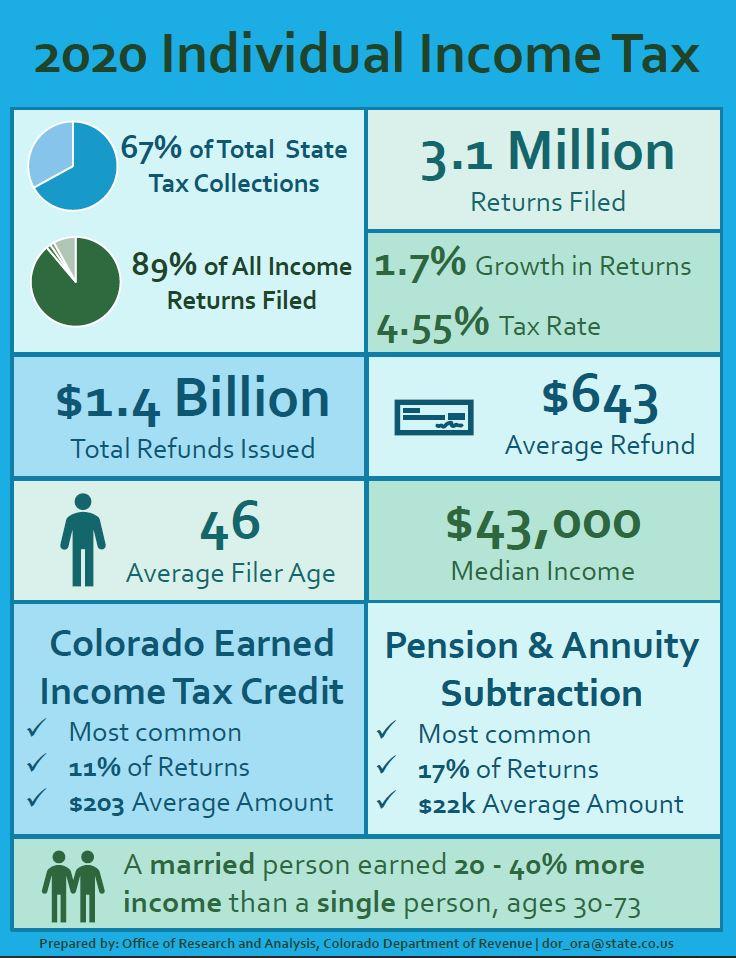
Unlike many states that employ a progressive income tax system, where higher earners pay a larger percentage of their income in taxes, Colorado utilizes a flat tax rate. This means that, regardless of your taxable income level, the same percentage is applied. This approach offers simplicity and predictability, key elements that appeal to many residents and businesses alike. As of the most recent legislative adjustments, the state income tax rate in Colorado is 4.40%. This rate applies to the federal taxable income of individuals, estates, and trusts, with certain modifications. For corporations, the rate is also 4.40%. This flat rate has been a cornerstone of Colorado’s fiscal policy for decades, albeit with minor fluctuations over time due to voter-approved initiatives and legislative changes.
Understanding Colorado’s Flat Tax System
The flat tax system in Colorado is a defining characteristic of its tax landscape. It represents a philosophical approach to taxation that prioritizes simplicity and a uniform burden across all income brackets. This contrasts sharply with progressive systems common in states like California or New York, where tax rates can climb significantly as income rises, or states like Texas and Florida that have no state income tax at all.
The Current Rate in Detail
As previously mentioned, Colorado’s state income tax rate stands at 4.40%. This rate is applied to your federal taxable income, with specific modifications for Colorado purposes. It’s crucial to understand that this is a direct percentage applied to the adjusted gross income (AGI) after federal deductions and exemptions, but before Colorado-specific adjustments. For instance, if your federal taxable income is $50,000, your state income tax liability before any Colorado credits would be $2,200 (4.40% of $50,000).
This flat rate ensures that every dollar of taxable income, whether earned by a minimum wage worker or a high-level executive in Denver or Boulder, is taxed at the same percentage. This can be seen as an advantage for higher earners who might face substantially higher marginal rates in other states. For lower earners, while the rate is flat, the presence of various credits and deductions at both the federal and state levels helps to mitigate the overall burden, potentially reducing their effective tax rate.
Historical Context and Stability
The flat tax rate has been a consistent feature in Colorado for many years, largely enshrined through constitutional amendments. For example, the Taxpayer’s Bill of Rights (TABOR), adopted in 1992, significantly limits the ability of the state government to raise taxes without voter approval and often mandates refunds to taxpayers if state revenues exceed certain growth limits. This framework has fostered a relatively stable and predictable tax environment, which is often cited as a benefit for long-term financial planning and business investment.
While the rate has remained flat, the specific percentage has seen minor adjustments over the decades, typically due to ballot initiatives rather than legislative action. These adjustments have often been downward, reflecting a general sentiment among Colorado voters to maintain a competitive and lower tax burden. This historical stability provides a solid foundation for individuals and businesses to forecast their financial obligations, making Colorado an attractive location for those seeking fiscal predictability.
Who Pays Colorado Income Tax?
Understanding who is subject to Colorado’s income tax is essential, particularly for those with dynamic living or working arrangements. The state differentiates between residents and non-residents, and also outlines specific rules for businesses operating within its borders.
Residents vs. Non-Residents
Residents: Generally, if Colorado is your permanent domicile, or if you spend more than six months of the year within the state, you are considered a Colorado resident for tax purposes. Residents are required to pay Colorado income tax on all of their income, regardless of where it was earned. This includes income from sources outside Colorado, such as rental properties in Arizona or investment dividends from national companies. To prevent double taxation on income earned in other states, Colorado offers a credit for taxes paid to other states, which can significantly offset the tax burden for residents with out-of-state income.
Non-Residents: If you are not a resident of Colorado but earn income from sources within the state, you are generally required to pay Colorado income tax only on that Colorado-sourced income. Common examples include individuals who work in Colorado but live in a neighboring state like Wyoming, or those who own and rent out property in Colorado Springs. For non-residents, the tax calculation involves determining the portion of their total income that is derived from Colorado sources and applying the 4.40% flat rate to that specific amount.
Businesses and Corporate Tax
Colorado also applies the same 4.40% flat income tax rate to corporations. This consistency across individual and corporate income tax rates is another aspect of Colorado’s simplified tax environment. Businesses operating within Colorado are generally taxed on their income derived from Colorado sources. For multi-state corporations, Colorado uses an apportionment formula to determine what portion of a company’s total income is attributable to its operations within the state. This formula typically considers factors such as sales, property, and payroll within Colorado compared to the company’s total. This unified flat rate for both individuals and businesses aims to create an attractive environment for economic activity and growth within the state.
Navigating Deductions, Credits, and Exemptions
While Colorado boasts a flat income tax rate, the actual amount you pay can be significantly influenced by various deductions, credits, and exemptions. These provisions are designed to reduce your taxable income or directly lower your tax liability, making the tax system more equitable and supportive of certain behaviors or circumstances.
Common State-Specific Deductions
Colorado allows for a number of deductions that can reduce your taxable income before the 4.40% rate is applied. These often align with federal deductions but can also include state-specific provisions. Common deductions include:

- Standard Deduction or Itemized Deductions: While Colorado no longer has its own standard deduction, taxpayers who itemize on their federal return can also itemize on their Colorado return, potentially reducing their state taxable income.
- Retirement Income Exemption: Colorado offers an income tax exclusion for a portion of retirement income, including pensions and annuities, for taxpayers meeting certain age requirements. This is a significant benefit for retirees choosing Colorado as their home.
- Health Savings Account (HSA) Contributions: Contributions to an HSA are deductible from Colorado taxable income, mirroring federal treatment.
- Charitable Contributions: While often taken federally, some charitable contributions may have additional state-level implications.
These deductions serve to reduce the income upon which the 4.40% tax is calculated, effectively lowering the overall tax payment.
Available Tax Credits
Tax credits are particularly valuable because they reduce your tax liability dollar-for-dollar, rather than just reducing your taxable income. Colorado offers a variety of credits, some of which are designed to support specific industries, encourage certain activities, or provide relief to vulnerable populations. Examples of Colorado tax credits include:
- Child Care Expenses Credit: Designed to assist families with the costs of child care.
- Earned Income Tax Credit (EITC): A refundable credit modeled after the federal EITC, providing financial relief to low-to-moderate-income working individuals and families.
- Enterprise Zone Credits: These credits encourage investment and job creation in economically distressed areas of Colorado, such as parts of Pueblo or Grand Junction.
- Historic Preservation Credits: Incentivizing the rehabilitation and preservation of historic buildings.
- Renewable Energy Credits: Encouraging the adoption of solar, wind, and other renewable energy sources.
The availability and specifics of these credits can change with legislation, so staying informed with the Colorado Department of Revenue is crucial.
Exemptions for Specific Income Types
Certain types of income may be partially or wholly exempt from Colorado income tax. For instance, some government benefits, such as Social Security benefits, are generally exempt. As mentioned, a portion of retirement income may also be excluded for qualifying individuals. Understanding these exemptions can be key to minimizing your tax burden, especially for retirees or those with diverse income streams.
The Broader Financial Landscape: Colorado Taxes Beyond Income
While the income tax rate is a significant factor, it’s only one piece of the puzzle when evaluating the overall financial impact of living or doing business in Colorado. A holistic view requires considering other state and local taxes, which collectively contribute to the lifestyle cost.
Sales Tax Considerations
Colorado has a statewide sales tax, but the total rate consumers pay can vary significantly by location due to additional city, county, and special district sales taxes. The state sales tax rate is 2.9%. However, when you combine this with local taxes, the effective sales tax rate in a city like Denver can be much higher, often exceeding 8%. For example, in Fort Collins, the combined sales tax rate is approximately 8.55%. This fragmented sales tax environment means that budgeting for consumer goods and services requires awareness of the specific locale. While groceries are exempt from state sales tax, local jurisdictions may apply their own sales tax to food.
Property Tax Insights
Property taxes in Colorado are generally considered to be among the lowest in the United States. This is largely due to the way property is assessed and taxed under Colorado law, particularly for residential properties. Property taxes are assessed at the county level, with funds primarily supporting local services like schools, libraries, and public safety. The actual tax bill is calculated by multiplying the assessed value of a property by the local mill levy. For residential properties, the assessment rate is constitutionally capped and significantly lower than for commercial properties. While property values in popular areas like Boulder or Denver can be high, the low assessment rate often keeps the actual property tax burden manageable for homeowners, contributing positively to the overall affordability aspect of the Colorado lifestyle.
Overall Tax Burden Comparison
When evaluating the overall tax burden, Colorado generally ranks favorably compared to many other states. While it has an income tax, its flat rate, coupled with relatively low property taxes and a moderate statewide sales tax (though local variations exist), positions it competitively. For comparison, states with no income tax, like Wyoming or Nevada, often compensate with higher sales or property taxes. Conversely, states with high progressive income taxes might have lower sales taxes, but the income tax burden can be substantially higher for high earners. The balance struck in Colorado provides a predictable and generally attractive financial landscape for a wide range of residents and businesses.
Impact on Lifestyle and Economic Growth
Colorado’s tax structure, particularly its flat income tax rate, has a profound impact on the state’s economic vitality and the lifestyle of its residents. It’s a key factor in attracting talent, fostering entrepreneurship, and funding the public services that define the Colorado experience.
Attracting Residents and Businesses
The flat 4.40% income tax rate is often cited as a significant draw for both individuals and businesses. For professionals, particularly those with higher incomes, the predictability and lower percentage compared to progressive tax states can mean more disposable income. This financial advantage, combined with Colorado’s high quality of life, robust job market, and recreational opportunities, makes it an appealing place to relocate. For businesses, the stable and relatively low corporate tax rate helps create a favorable climate for investment, expansion, and job creation. This has contributed to the growth of tech companies in Denver, outdoor industry hubs in Boulder, and diverse sectors across the state. The clear and consistent tax policy simplifies financial forecasting for enterprises, allowing them to plan with greater certainty.

Funding Public Services
While the flat tax rate aims to keep the tax burden low, it also plays a crucial role in funding the public services that support Colorado’s infrastructure, education, and social programs. Revenue generated from the state income tax contributes significantly to the general fund, which in turn supports state agencies, public safety, health initiatives, and the maintenance of Colorado’s stunning natural resources. The flat nature of the tax means that revenue generation is directly tied to the overall economic activity and income levels within the state. When the economy is robust and incomes are rising, state revenues grow, enabling investment in essential services. Conversely, during economic downturns, revenues can decline, necessitating careful fiscal management. This delicate balance between a competitive tax rate and adequate funding for public services is a constant consideration for [Colorado](https://lifeoutofthebox.com/colorado]’s policymakers, striving to maintain a thriving economy and a high quality of life for all who call this vibrant state home.
LifeOutOfTheBox is a participant in the Amazon Services LLC Associates Program, an affiliate advertising program designed to provide a means for sites to earn advertising fees by advertising and linking to Amazon.com. Amazon, the Amazon logo, AmazonSupply, and the AmazonSupply logo are trademarks of Amazon.com, Inc. or its affiliates. As an Amazon Associate we earn affiliate commissions from qualifying purchases.