
For millions of travelers each year, the first and last impression of the dazzling desert metropolis of Las Vegas is its bustling airport. More than just a transit point, the Las Vegas Airport—officially known as Harry Reid International Airport (LAS)—is a vital artery connecting the entertainment capital of the world to destinations across the globe. It stands as a testament to efficient travel infrastructure, designed to handle the immense volume of leisure, business, and convention visitors drawn to Nevada’s most famous city. Understanding what this airport entails—from its history and operational scale to its facilities and economic impact—is crucial for anyone planning a trip to or through this dynamic hub. It represents the very essence of travel, a meticulously organized system facilitating the journeys of diverse individuals seeking everything from high-stakes thrills to tranquil escapes.
A Gateway to the Entertainment Capital of the World
Harry Reid International Airport is not merely an airport; it is the primary conduit through which the magic and allure of Las Vegas are accessed by the vast majority of its visitors. Its strategic location and comprehensive services underscore its role as a critical piece of the global travel network, directly influencing the city’s tourism and economic vitality.
Evolution and Significance
Originally established in 1942 as McCarran Field and later expanded to become McCarran International Airport, the airport underwent a significant rebranding in 2021 to honor former U.S. Senator Harry Reid. This evolution reflects its enduring importance and adaptation to modern travel demands. From its humble beginnings, it has grown into one of the busiest airports in the United States, consistently ranking among the top airports for passenger traffic. This growth is directly tied to Las Vegas’s meteoric rise as a premier global destination for tourism, conventions, and business. The airport’s expansion and modernization projects have continuously aimed to accommodate an ever-increasing flow of passengers, ensuring that it remains capable of serving as the primary air access point for the entire Southern Nevada region. Its significance extends beyond mere numbers, representing a crucial infrastructural backbone for the entire local economy.
Role in Global Connectivity
As an international airport, Harry Reid International Airport provides direct flights to major cities across North America, Europe, Asia, and other parts of the world. This extensive network of routes makes Las Vegas accessible to millions, fostering international business, cultural exchange, and leisure travel. Airlines like Southwest Airlines, which maintains one of its largest operations here, along with a multitude of domestic and international carriers, offer diverse choices for travelers. The airport’s strategic importance is amplified by its ability to serve as a hub for both direct point-to-point flights and connecting itineraries, bolstering Las Vegas’s position on the global stage. For many, it’s the launching pad for grand adventures, setting the tone for the excitement that awaits beyond the terminal doors. This seamless integration into the global air travel system is fundamental to the city’s continued growth and appeal as a travel destination.
More Than Just a Stopover
Unlike many airports where the goal is simply to get in and out, Harry Reid International Airport offers an early taste of the Las Vegas experience. Travelers are greeted with slot machines strategically placed throughout the terminals, a subtle nod to the city’s unique entertainment offerings. This integration of local flavor within the airport environment sets it apart, transforming what could be a mundane transit experience into an initial immersion into the destination’s character. For arriving passengers, it’s an immediate invitation to the Las Vegas lifestyle; for departing travelers, it’s a final opportunity to savor a piece of the city’s charm. This distinct approach ensures that the airport is not just a functional space but an integral part of the overall travel narrative, enhancing the journey for every visitor.
Navigating the Terminals and Facilities
The sheer volume of passengers passing through Harry Reid International Airport necessitates a well-organized and traveler-friendly infrastructure. The airport is meticulously designed to manage diverse travel needs, offering a comprehensive array of facilities to ensure a smooth and comfortable experience from arrival to departure.
Terminal Structure and Layout
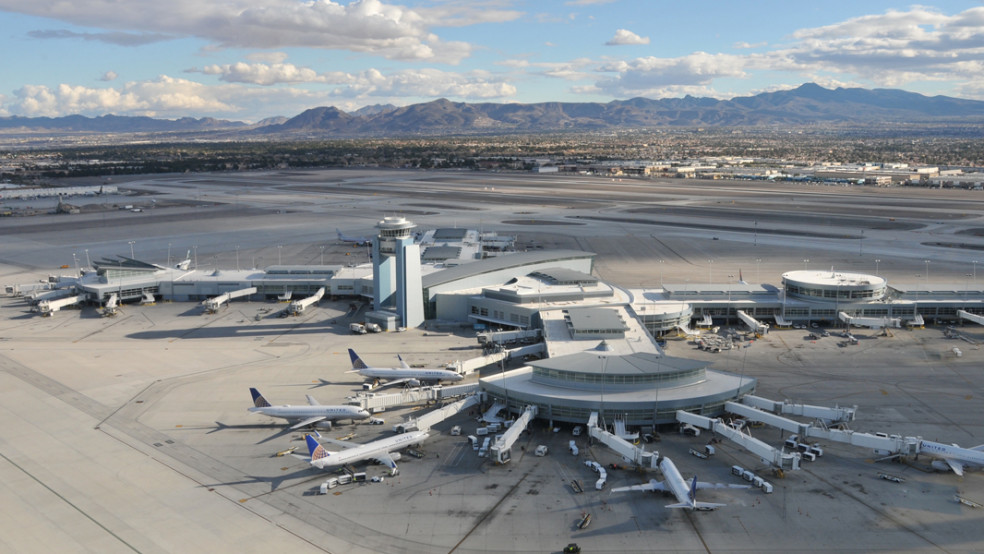
Harry Reid International Airport operates two main passenger terminals: Terminal 1 and Terminal 3. Terminal 1 primarily serves domestic carriers, including major airlines like Southwest Airlines and Allegiant Air, and is divided into several concourses accessible via automated people movers. Terminal 3 handles all international flights and a number of domestic carriers, featuring a more modern design tailored for larger aircraft and international processing requirements. Both terminals are distinct yet well-connected through an efficient internal transportation system that allows for relatively easy transfers between concourses and access to ground transportation. Wayfinding is intuitive, with clear signage in multiple languages, making navigation straightforward even for first-time visitors. The strategic layout ensures that passenger flow is optimized, minimizing congestion and reducing stress for travelers.
Essential Services for Travelers
Beyond gates and runways, the airport is equipped with a full suite of essential services designed to cater to every traveler’s need. This includes numerous information desks staffed by helpful personnel, currency exchange services, ATMs, and dedicated areas for lost and found. For business travelers, there are charging stations, free Wi-Fi throughout the terminals, and comfortable lounges where they can work or relax. Families traveling with children will find family restrooms and designated play areas. Medical services, including first aid stations, are also readily available. These fundamental provisions are critical in creating a welcoming and functional environment, ensuring that travelers have access to necessary resources at all times, reflecting the airport’s commitment to passenger welfare and convenience.
Unique Features and Amenities
True to the Las Vegas spirit, Harry Reid International Airport boasts several unique amenities that elevate the travel experience. As previously mentioned, slot machines are a ubiquitous sight, providing a final opportunity for a bit of gambling entertainment. The airport also features an aviation museum, the Howard W. Cannon Aviation Museum, which showcases the history of aviation in Southern Nevada and offers a fascinating diversion for those with time to spare. Art installations and exhibits are scattered throughout the terminals, adding cultural enrichment to the journey. A wide selection of dining options, from quick bites to sit-down restaurants, caters to all tastes and schedules, ensuring travelers can refuel before or after their flights. High-end retail stores and duty-free shops also provide ample opportunities for last-minute souvenirs or luxury purchases, completing the distinct Las Vegas airport experience.
Operational Excellence and Passenger Experience
The operational efficiency of Harry Reid International Airport is paramount to its success, especially given its high passenger volumes. The airport’s design and management prioritize a seamless experience, from efficient security procedures to diverse ground transportation options, all aimed at enhancing the traveler’s journey.
Efficiency and Capacity

Operating under the oversight of the Clark County Department of Aviation, Harry Reid International Airport is engineered for high capacity and efficient aircraft movements. Its multiple runways and advanced air traffic control systems, regulated by the Federal Aviation Administration, allow for a steady flow of arrivals and departures, minimizing delays. The airport continuously invests in technology and infrastructure upgrades, such as automated baggage handling systems and improved gate management, to streamline operations. This focus on efficiency ensures that it can accommodate the influx of visitors during peak seasons and major events, maintaining its reputation as a reliable and high-performing travel hub. The careful planning and execution of operations contribute significantly to the overall positive perception of traveling to and from Las Vegas.
Ground Transportation Options
One of the most critical aspects of any airport is its connectivity to the city it serves. Harry Reid International Airport excels in offering a wide array of ground transportation choices, ensuring travelers can easily reach their hotels on The Strip, downtown Las Vegas, or other destinations. Options include numerous taxi services, ride-sharing platforms like Uber and Lyft with designated pick-up zones, and a variety of shuttle services that provide economical transport to major resorts. Public bus routes also serve the airport, offering a budget-friendly alternative. For those preferring personal mobility, several car rental agencies have facilities conveniently located near the terminals, with dedicated shuttles to transport passengers to their lots. This comprehensive suite of options caters to different budgets and preferences, making onward travel from the airport remarkably convenient and stress-free.
Enhancing the Traveler’s Journey
The airport continually seeks to improve the passenger experience through various initiatives. This includes state-of-the-art security checkpoints managed by the TSA, designed to process passengers quickly and efficiently while maintaining high safety standards. The implementation of technologies like automated passport control kiosks for international arrivals significantly reduces wait times. Beyond the functional, the airport strives to create a comfortable environment. Cleanliness, clear signage, readily available customer service, and a pleasant ambiance all contribute to a positive overall impression. The airport also offers amenities such as pet relief areas, designated smoking zones, and accessibility services for travelers with disabilities, demonstrating a commitment to serving all members of its diverse passenger base. Every detail, from the layout of lounges to the availability of information, is considered to make the journey as smooth and enjoyable as possible.
The Airport’s Economic and Regional Impact
Beyond its role as a travel facilitator, Harry Reid International Airport is an economic powerhouse for Las Vegas and the broader Clark County region. Its operations, directly and indirectly, fuel industries, create jobs, and sustain the vibrant tourism ecosystem that defines the city.
Driving Tourism and Business
As the primary entry point for the vast majority of visitors, the airport is intrinsically linked to the success of Las Vegas’s tourism industry. It enables millions of people from around the globe to access the city’s hotels, casinos, entertainment venues, restaurants, and convention centers. Without an efficient and high-capacity airport, the city simply could not host the major conventions at the Las Vegas Convention Center or accommodate the influx of tourists that support giants like MGM Resorts International and Caesars Entertainment. The ease of access provided by the airport directly translates into visitor spending, which in turn generates tax revenues and stimulates local businesses, from small boutiques to world-renowned resorts. Its function is not just about transportation; it’s about powering the engine of the region’s main economic driver.
Employment and Infrastructure
The airport itself is a significant employer, providing thousands of jobs in aviation, security, retail, food service, and administration. Beyond direct employment, its operations create a ripple effect across numerous sectors. Construction projects for airport expansion and maintenance provide jobs, while transportation companies, hospitality businesses, and local suppliers all benefit from the airport’s existence. The airport’s infrastructure also supports other regional activities, including cargo operations that facilitate trade and economic growth for surrounding areas in Nevada, California, Utah, and Arizona. The continuous investment in airport facilities and technology acts as a catalyst for regional development, attracting further investment and talent to the area, solidifying its role as a regional economic anchor.
Future Developments and Growth
Understanding that travel demands are constantly evolving, Harry Reid International Airport has a proactive approach to future planning. There are ongoing discussions and plans for further terminal expansions, technological upgrades, and improved connectivity to ground transportation networks, potentially including light rail or other mass transit options to better link the airport with The Strip and downtown. These developments are critical to ensuring the airport can continue to meet the demands of a growing Las Vegas and maintain its competitive edge as a global travel hub. By anticipating future needs and investing in strategic growth, the airport secures its vital role in the long-term prosperity and accessibility of the region.
Preparing for Your Las Vegas Arrival or Departure
A successful travel experience often hinges on good preparation. Understanding the nuances of Harry Reid International Airport can significantly enhance your journey, whether you’re just arriving, making a connection, or heading home.
Security and Check-in Tips
To ensure a smooth passage through the airport, it’s advisable to arrive well in advance of your scheduled departure, especially during peak travel times. For domestic flights, generally two hours is recommended, and for international flights, three hours. Be mindful of TSA regulations regarding liquids, electronics, and other carry-on items. Utilizing online check-in or airline mobile apps can save considerable time, allowing you to bypass long queues at the check-in counters. Many airlines also offer self-service kiosks for baggage drop-off. Having your identification and boarding pass readily accessible will expedite the security screening process, as will wearing slip-on shoes and organizing your carry-on items to easily remove laptops and liquids. These simple steps can dramatically reduce stress and ensure you have ample time to relax before your flight.
Dining and Shopping Pre-Flight
Before boarding, Harry Reid International Airport offers a diverse array of dining and shopping opportunities. From quick-service cafes and fast food options to sit-down restaurants and bars, there’s something to satisfy every palate and budget. Travelers can enjoy a final taste of Las Vegas cuisine or grab a familiar favorite. For shopping, there are newsstands, bookstores, souvenir shops, and duty-free stores in Terminal 3, allowing for last-minute gift purchases or indulging in some retail therapy. Exploring these options can be a pleasant way to pass the time before your flight, ensuring you leave Las Vegas with full stomachs and perhaps a memento or two.
Accessibility and Special Assistance
Harry Reid International Airport is committed to providing accessible facilities and services for all travelers. This includes wheelchair assistance, accessible restrooms, elevators, and TTY phones. Travelers requiring special assistance, whether for mobility, hearing, or visual impairments, are encouraged to contact their airline in advance to arrange for specific accommodations. The airport staff are also trained to provide support and guidance. Additionally, the airport offers quiet rooms and sensory-friendly spaces, acknowledging the diverse needs of its passengers. These dedicated services underscore the airport’s commitment to inclusivity, ensuring that every individual can navigate the terminals comfortably and confidently, making their travel experience as seamless and dignified as possible.
LifeOutOfTheBox is a participant in the Amazon Services LLC Associates Program, an affiliate advertising program designed to provide a means for sites to earn advertising fees by advertising and linking to Amazon.com. Amazon, the Amazon logo, AmazonSupply, and the AmazonSupply logo are trademarks of Amazon.com, Inc. or its affiliates. As an Amazon Associate we earn affiliate commissions from qualifying purchases.