
Understanding the area codes associated with Las Vegas is a fundamental piece of knowledge for anyone planning a visit, conducting business, or simply trying to connect with this vibrant Nevada metropolis. While the iconic image of Las Vegas is one of dazzling lights, world-class entertainment, and opulent resorts, practicalities like communication infrastructure form the bedrock of any thriving destination. This guide delves into the primary area codes serving the Las Vegas metropolitan area, offering insights into their history, usage, and the broader context of telecommunications in Southern Nevada.
The Dominant Area Codes of Las Vegas
The landscape of telephone area codes is dynamic, shaped by population growth, technological advancements, and the ever-increasing demand for phone lines. In the case of Las Vegas, several area codes have been established over time to accommodate its rapid expansion. The most prominent and widely recognized area codes serving the metropolitan area are 702 and 725.
702: The Original and Enduring Code
The 702 area code holds historical significance as the original and sole area code for the entire state of Nevada until 1998. Established in 1947, it covered a vast geographical expanse, encompassing not only the bustling city of Las Vegas but also its surrounding Clark County and stretching across the entire Silver State. For decades, any call made to or from Nevada would have been placed under the 702 banner.
The sheer growth of Las Vegas as a global tourist destination and a burgeoning metropolitan center placed immense strain on the 702 area code. As more businesses established operations and the population swelled, the demand for new phone numbers far outstripped the available supply within the 702 prefix. This situation is common in rapidly developing regions and often necessitates the introduction of new area codes through a process called “number splitting” or “overlay.”
Despite the introduction of new codes, 702 remains deeply intertwined with the identity of Las Vegas. It continues to serve a significant portion of the metropolitan area, including many established neighborhoods, businesses, and even some of the most iconic hotels and casinos on the Las Vegas Strip. For many residents and long-time visitors, 702 is synonymous with the city itself.
725: The Overlay Solution
To alleviate the exhaustion of numbers within 702, the North American Numbering Plan Administrator (NANPA) implemented an area code overlay. This is a method where a new area code is introduced to cover the same geographical region as an existing one, rather than splitting the territory. The 725 area code was officially activated as an overlay for 702 in March 2014.
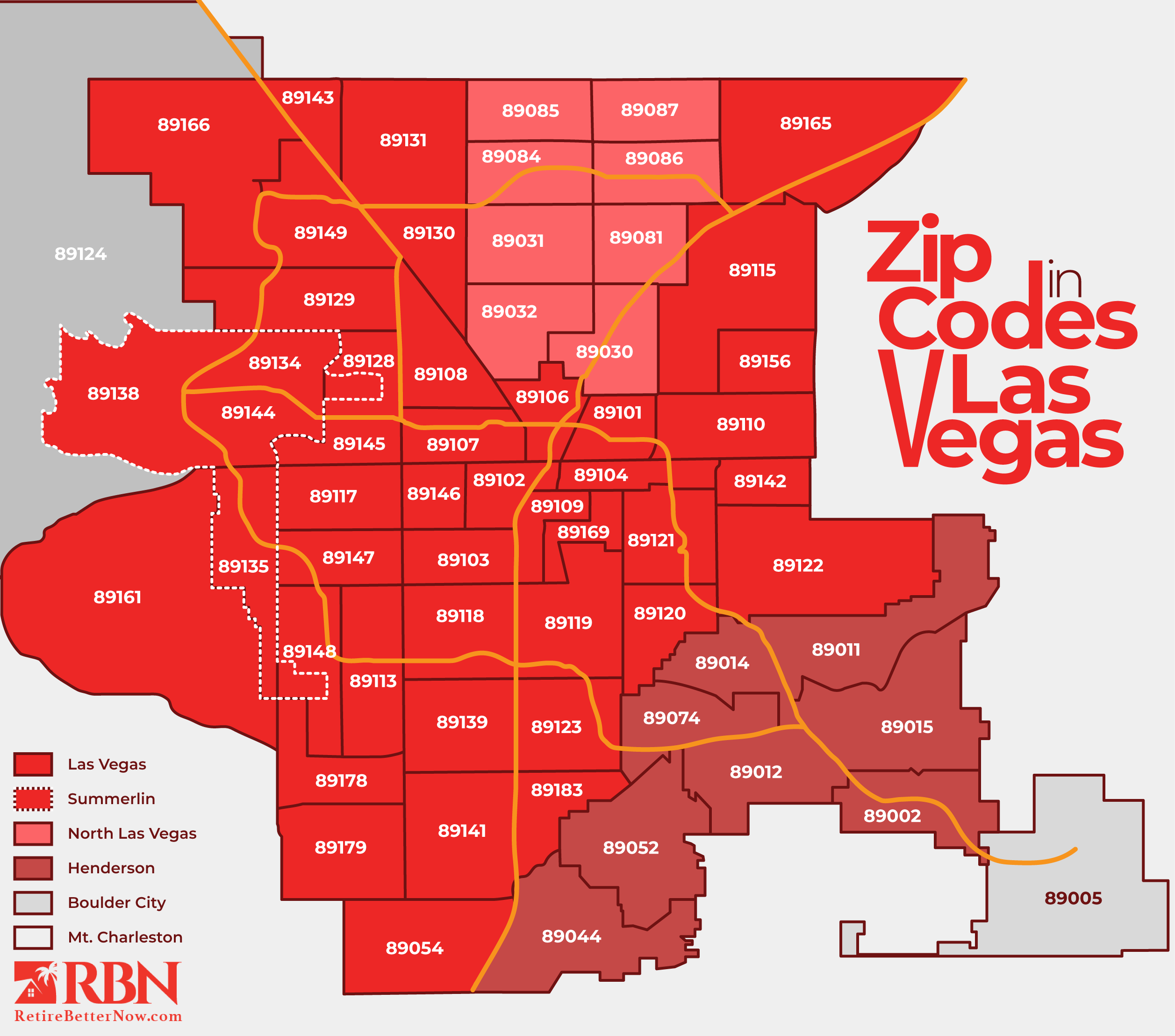
An overlay means that new phone numbers assigned in the Las Vegas metropolitan area might receive either the 702 or the 725 prefix. Crucially, both area codes cover the exact same geographic area, encompassing much of Clark County, including Las Vegas, Henderson, North Las Vegas, and other surrounding communities.
The introduction of an overlay required a period of “permissive dialing,” where callers could use either the 702 or 725 code to reach numbers within the region. After this transition phase, all calls within the overlay area became “10-digit dialing,” meaning callers must dial the area code (either 702 or 725) followed by the seven-digit local number. This change was implemented to ensure the efficient and continued availability of phone numbers.
For visitors, understanding this overlay is important. While you might book a hotel room at the Bellagio and see a 702 number listed, a new business opening across the street might be assigned a 725 number. Both are legitimate and serve the same core Las Vegas experience.
The Practical Implications for Travelers and Visitors
For tourists and business travelers visiting Las Vegas, the primary implication of these area codes lies in communication. When you see a phone number, knowing it belongs to the 702 or 725 area code confirms it’s a local number within the Las Vegas region.
Making Local Calls

When dialing a local number within Las Vegas, whether it’s to make a reservation at a restaurant, book a show at a venue like Caesars Palace, or call your hotel’s concierge, you will likely need to dial the full 10 digits, including the area code. This applies even if you are physically within the Las Vegas area. This transition to 10-digit dialing ensures that the numbering plan remains robust and can accommodate the city’s dynamic growth.
International and Long-Distance Calls
If you are calling Las Vegas from outside the United States, you will need to dial your international access code, followed by the country code for the U.S. (+1), and then the 10-digit Las Vegas number (either 702 or 725 plus the seven-digit number). Similarly, if you are calling from another area code within the U.S., you will dial “1” followed by the appropriate 10-digit Las Vegas number.
Mobile Phone Usage
Mobile phones in Las Vegas are subject to the same area code assignments as landlines. While your mobile number might have originated from a different state or even a different area code, when you are in Las Vegas, you will be making and receiving calls within the 702/725 region. Most mobile devices automatically handle the transition between area codes, but it’s always good practice to dial the full number to avoid any connection issues.
Beyond the Numbers: A Deeper Connection to Las Vegas
The area codes of Las Vegas serve as more than just telephonic identifiers; they are markers of the city’s evolution. The journey from a single area code for an entire state to an overlay system for a world-renowned metropolis tells a story of exponential growth and adaptation.
The Evolution of Communication in Nevada
When 702 was first implemented, telecommunications were vastly different. The idea of millions of people residing in a concentrated area, all requiring personal and business phone lines, was likely beyond imagination. The introduction of 725 is a testament to the modern communication needs driven by technology and the sheer popularity of destinations like Las Vegas. This evolution reflects the broader trend in telecommunications, where area codes are continually managed to keep pace with demand.
Local Identity and Area Codes
While many residents might now be assigned numbers with the 725 prefix, the 702 area code still carries a strong sense of local identity. It’s a badge of honor for many who have lived in Las Vegas for years, a connection to its history and its roots. You’ll often hear locals refer to “the 702 area,” even when acknowledging the presence of 725. This duality highlights the city’s ability to embrace its past while forging a dynamic future.
Understanding Other Nevada Area Codes
While 702 and 725 are the primary codes for the Las Vegas metropolitan area, it’s worth noting that other parts of Nevada are served by different area codes. The most significant of these is 775.
775: The Rest of Nevada
The 775 area code was created in 1998 when Nevada was split to alleviate the number exhaustion in the 702 area. This code serves the entire northern two-thirds of the state, including cities like Reno, Sparks, and Carson City, as well as vast rural and wilderness areas. If you are traveling outside of the Las Vegas metropolitan region within Nevada, you will likely encounter numbers with the 775 prefix.

Conclusion: Navigating Las Vegas Communication
The area codes of Las Vegas – 702 and 725 – are an integral part of the city’s operational framework. For visitors, understanding these codes simplifies communication and demystifies local phone numbers, ensuring smooth interactions with hotels, restaurants, attractions, and the local community. While the 702 represents the historic core and the 725 signifies modern expansion through an overlay, both are vital for connecting with the heart of Southern Nevada. Whether you’re planning a trip to experience the iconic Strip or conducting business in this thriving economic hub, a basic understanding of Las Vegas area codes will undoubtedly enhance your experience.
LifeOutOfTheBox is a participant in the Amazon Services LLC Associates Program, an affiliate advertising program designed to provide a means for sites to earn advertising fees by advertising and linking to Amazon.com. Amazon, the Amazon logo, AmazonSupply, and the AmazonSupply logo are trademarks of Amazon.com, Inc. or its affiliates. As an Amazon Associate we earn affiliate commissions from qualifying purchases.