
Traveling from the bustling streets of New York City to the serene, volcanic landscapes of Hawaii is more than just a flight; it is a cross-continental odyssey that spans nearly the entire width of the United States and a significant portion of the Pacific Ocean. For many travelers based in North America, this journey represents the ultimate domestic getaway, offering a complete departure from the fast-paced life of Manhattan to the “Aloha” spirit of the islands. Understanding the physical distance, the logistical requirements, and the destination-specific experiences is essential for anyone planning this massive undertaking.
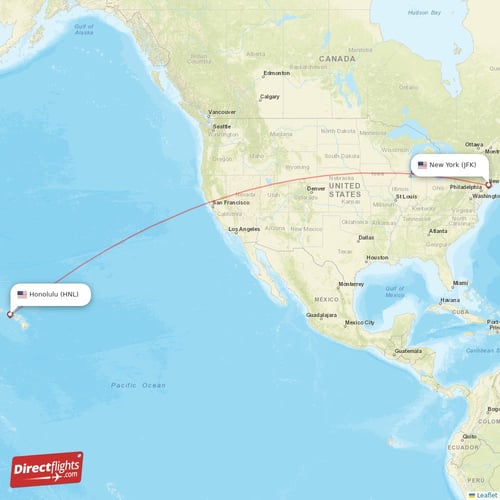
Geographically, the distance between New York City and Honolulu is approximately 4,960 miles. To put that in perspective, a flight from the Big Apple to London is significantly shorter, clocking in at around 3,450 miles. This makes the trek to the Hawaiian Islands one of the longest domestic travel routes in the world. Despite the distance, the allure of Oahu, Maui, Kauai, and the Big Island continues to draw millions of East Coast travelers seeking tropical paradise without the need for a foreign visa.
Bridging the Distance: The Logistics of the Trans-American Journey
The journey from the Atlantic Ocean to the Central Pacific requires careful planning, particularly regarding flight selection and time zone management. Most travelers depart from either John F. Kennedy International Airport or Newark Liberty International Airport.
Non-Stop vs. Connecting Flights
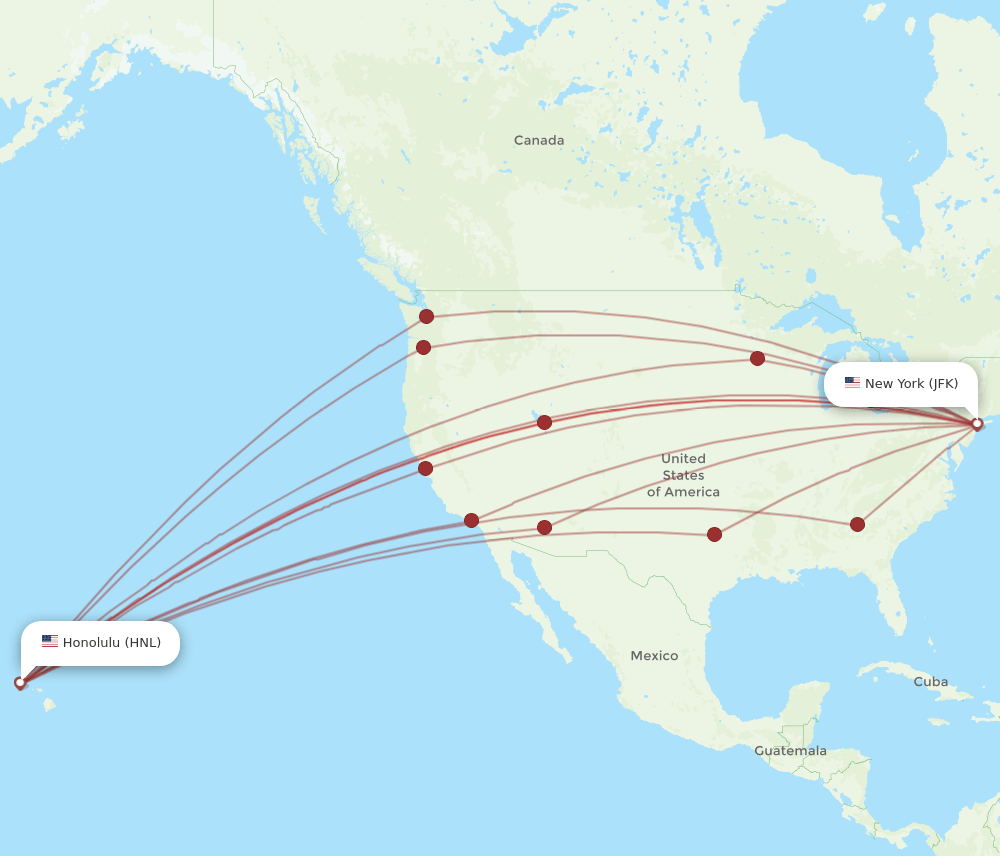
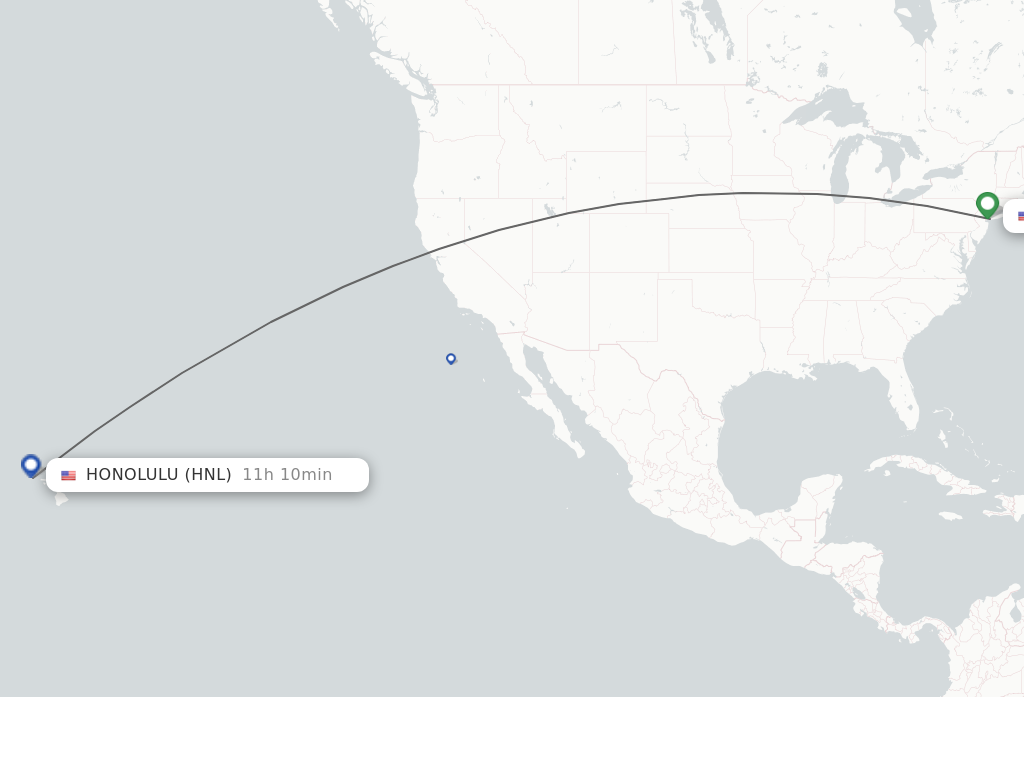
For those who prefer to get the journey over with in one go, several airlines offer direct service. Hawaiian Airlines and United Airlines are the primary carriers providing non-stop flights from the New York area to Daniel K. Inouye International Airport in Honolulu. A direct flight typically lasts between 10.5 and 11.5 hours, depending on the jet stream.
Alternatively, many travelers choose to break up the trip by connecting through major West Coast hubs such as Los Angeles, San Francisco, or Seattle. Airlines like Delta Air Lines and American Airlines offer numerous connection options. While this extends the total travel time, it allows for a “stretch-your-legs” break in California or Washington before the final five-hour overwater leg to the islands.
Managing the Time Difference
One of the most significant challenges of traveling such a distance is the time change. Hawaii follows Hawaii-Aleutian Standard Time and does not observe Daylight Saving Time. This means that for much of the year, there is a six-hour time difference between New York City and Honolulu. Travelers arriving from the East Coast often find themselves wide awake at 4:00 AM local time, which actually works to their advantage if they plan on catching a sunrise at Haleakala National Park or beating the crowds to Hanauma Bay.
Choosing Your Hawaiian Entry Point: A Destination Guide
While Honolulu is the most common gateway, each island offers a distinct travel experience. Selecting the right destination depends on the type of adventure or relaxation you seek after your long-haul journey.
Oahu: The Heart of Hawaii
Oahu is often the first stop for those coming from the United States East Coast. It perfectly blends urban sophistication with natural beauty. Here, you can transition from the high-end shopping of Waikiki to the historical solemnity of Pearl Harbor. For hikers, the ascent of Diamond Head State Monument offers panoramic views of the coastline, while the North Shore provides a glimpse into the world of professional surfing.
Maui: The Valley Isle
If your goal is a mix of luxury and outdoor exploration, Maui is an ideal choice. The island is famous for the Road to Hana, a winding coastal drive that passes through lush rainforests and cascading waterfalls. Travelers often stay in the resort areas of Wailea or Ka’anapali. For a truly unique experience, a visit to Lahaina offers deep historical roots and excellent gallery hopping, while the Molokini Crater provides world-class snorkeling.
Kauai: The Garden Isle
For those who want to escape the crowds entirely, Kauai offers some of the most dramatic landscapes in the Pacific Ocean. The Na Pali Coast is a masterpiece of emerald pinnacles and hidden beaches, best viewed via a helicopter tour or a boat excursion from Hanalei Bay. On the western side of the island, Waimea Canyon State Park, known as the “Grand Canyon of the Pacific,” offers miles of hiking trails through red earth and deep green valleys.
The Big Island: A Land of Contrasts
The Island of Hawaii, or the Big Island, is the place to witness the raw power of nature. At Volcanoes National Park, travelers can explore lava tubes and watch steam vents rise from the earth. The island is also home to Mauna Kea, where the world’s premier astronomical observatories sit above the clouds. Whether you are exploring the coffee plantations of Kona or the lush gardens of Hilo, the Big Island offers a scale of diversity unmatched by its smaller neighbors.
Iconic Attractions and Essential Experiences
Distance creates a sense of occasion, and the long journey from New York justifies an itinerary filled with bucket-list activities. To make the most of the trip, travelers should focus on experiences that are unique to the archipelago’s geography and culture.
Historical Landmarks and Cultural Sites
In Honolulu, the Iolani Palace stands as the only royal palace on United States soil, offering insight into the Kingdom of Hawaii. Further north, the Polynesian Cultural Center in Laie provides an immersive look at the various cultures of the South Pacific, including Tahiti, Fiji, and Samoa.
Natural Wonders and Outdoor Adventure
No trip to Hawaii is complete without engaging with its unique ecosystems. On Kauai, the Kalalau Trail provides one of the most challenging and rewarding coastal hikes in the world. Meanwhile, on Maui, witnessing the sunrise from the summit of Haleakala is a spiritual experience that requires advance reservations due to its popularity. For water enthusiasts, surfing lessons at Waikiki Beach or snorkeling at Poipu Beach are essential “must-dos.”
Inter-Island Travel: Exploring Beyond the Hub
Because the distance from New York City is so great, many travelers choose to visit at least two islands during their stay. Inter-island flights are short, usually lasting between 30 and 50 minutes. Mokulele Airlines and Hawaiian Airlines facilitate these transfers, making it easy to hop from the bustle of Oahu to the quiet shores of Molokai or the private luxury of Lanai.
Best Times to Travel and Seasonal Considerations
Deciding when to make the trek from New York involves balancing weather patterns with peak travel seasons. While the islands enjoy a tropical climate year-round, there are subtle shifts that can impact your itinerary.
The Winter Escape
For many New Yorkers, the peak travel period is during the winter months of December through March. Escaping the freezing temperatures of the Northeast for the warmth of Kailua-Kona is a classic tradition. This is also the best time for whale watching, particularly in the waters off Lahaina, where humpback whales migrate to breed and calve.
Summer and Shoulder Seasons
The summer months are popular for family travel, although the humidity can be higher. For those looking for a balance of good weather and fewer crowds, the shoulder seasons of April to June and September to November are ideal. During these months, the trade winds provide a cooling breeze, and the major attractions like Volcanoes National Park are less congested.
Packing for the Long Haul
Traveling 5,000 miles requires a strategic approach to packing. While New York City fashion often leans toward darker tones and heavy layers, the islands demand breathable fabrics and sun protection. Essential items include reef-safe sunscreen to protect the delicate coral at Hanauma Bay, sturdy hiking boots for the trails of Kauai, and light layers for the cooler evening temperatures at higher elevations like Mauna Kea.
In conclusion, while the distance from New York City to Hawaii is vast, the journey is a transformative travel experience. By navigating the long flight with ease and carefully selecting which islands and attractions to visit, East Coast travelers can enjoy a seamless transition into the beauty of the Pacific. From the historical depths of Pearl Harbor to the soaring heights of the Na Pali Coast, the rewards of this 5,000-mile journey are well worth the time spent in the air.
LifeOutOfTheBox is a participant in the Amazon Services LLC Associates Program, an affiliate advertising program designed to provide a means for sites to earn advertising fees by advertising and linking to Amazon.com. Amazon, the Amazon logo, AmazonSupply, and the AmazonSupply logo are trademarks of Amazon.com, Inc. or its affiliates. As an Amazon Associate we earn affiliate commissions from qualifying purchases.