
For travelers planning a trip to the Heart of Dixie, understanding the legal age requirements in Alabama is crucial for a smooth and enjoyable experience. These regulations impact everything from driving and alcohol consumption to hotel check-ins and participation in certain recreational activities. Being informed ensures compliance with state laws and helps avoid any unexpected hurdles during your visit to cities like Birmingham, Montgomery, or the coastal beauty of Gulf Shores.
Essential Age Guidelines for Exploring Alabama
When navigating a new state, certain age restrictions are universal and paramount. Alabama’s laws, while similar to many other U.S. states, have specific nuances that visitors should be aware of, especially concerning transportation, consumption, and entertainment.
Driving and Car Rentals: Navigating the Roads
Driving is often an integral part of exploring Alabama’s diverse landscapes, from the vibrant urban centers to the serene Appalachian foothills and historic sites. The minimum age to obtain a learner’s permit in Alabama is 15. A provisional license can be acquired at 16, and a full, unrestricted driver’s license is available at 17, provided all probationary requirements have been met.
For visitors looking to rent a car, the age requirements are typically higher than the state’s minimum driving age. Most major car rental agencies in Alabama require renters to be at least 21 years old. Furthermore, individuals between the ages of 21 and 24 often face additional “underage driver” surcharges, which can significantly increase the rental cost. It is always advisable to check with the specific rental company beforehand to understand their policies and any associated fees. Some companies might even have a higher minimum age for renting certain classes of vehicles, like luxury cars or large SUVs. Those under 21 will generally find it difficult, if not impossible, to rent a vehicle in Alabama from mainstream providers.
Alcohol and Tobacco: Enjoying Alabama’s Hospitality Responsibly
Like all states in the United States, the legal drinking age in Alabama is 21. This applies to the purchase, possession, and public consumption of all alcoholic beverages, including beer, wine, and spirits. Establishments such as bars, restaurants, and liquor stores strictly enforce this law, and valid identification (such as a driver’s license or passport) will be required to verify age. Attempts to purchase or consume alcohol by individuals under 21, or to provide alcohol to minors, carry significant legal penalties.
Similarly, the legal age to purchase and possess tobacco products, including cigarettes, cigars, chewing tobacco, and all vaping products (e-cigarettes, e-liquids), is also 21. This “Tobacco 21” law is strictly enforced across the state. Retailers will request identification for anyone appearing to be under the age of 30. Visitors should be mindful of designated smoking areas, as many public and private establishments, including hotels, restaurants, and attractions like the U.S. Space & Rocket Center in Huntsville, have strict non-smoking policies.
Age for Entry to Entertainment and Gaming Venues
Alabama’s gaming landscape is somewhat unique compared to other states. While traditional casino gambling with table games is largely prohibited, the state does permit electronic bingo and gaming machines at specific tribal casinos, such as those operated by the Poarch Band of Creek Indians. For these facilities, including those in Atmore, Wetumpka, and Montgomery, the minimum age to enter the gaming floor and participate in any form of gambling is 21. This age limit is rigorously enforced, and identification will be required upon entry.
Beyond gambling, general entertainment venues, such as concert halls, nightclubs, and some live music venues, may also have age restrictions. While many may be open to all ages for certain performances, those serving alcohol will often restrict entry to individuals 21 and older, especially during late hours. Movie theaters, amusement parks, and family-friendly attractions typically do not have age restrictions for entry, though some rides or exhibits might have height or age recommendations for safety reasons. Always check the specific venue’s policy if you are traveling with minors or young adults to avoid disappointment.
Planning Your Stay: Accommodation and Independent Travel
Understanding age-related policies for lodging is a critical step in planning a seamless trip to Alabama, particularly for younger travelers or those journeying independently.
Hotel Check-in Policies for Young Adults
The minimum age for hotel check-in in Alabama is typically 21 years old. While state law does not explicitly mandate a minimum age for hotel registration, individual hotels and hotel chains often establish their own policies to mitigate liability risks, especially concerning alcohol consumption and property damage. Many establishments enforce a strict 21-and-over rule.
However, some hotels, particularly those catering to families or budget travelers, may allow check-in at 18 years old. This is not universal, and policies can vary even within the same brand depending on the specific location or management. To avoid any issues upon arrival, it is highly recommended to contact your chosen hotel directly and confirm their check-in age policy before booking, especially if the primary guest is under 21. Failure to do so could result in denied accommodation upon arrival.
Considerations for Unaccompanied Minor Travelers
Traveling with minors who are not accompanied by a parent or legal guardian requires careful planning. While domestic flights generally allow unaccompanied minors (with specific airline policies and fees for younger children, typically 5-14 years old), staying in hotels and engaging in certain activities can pose challenges.
As noted, hotel check-in typically requires an individual to be 21. Therefore, an unaccompanied minor under this age will not be able to independently check into most hotels in Alabama. In such cases, arrangements must be made for an adult (21+) to check in on their behalf or for them to stay with adult relatives or friends. For educational trips or group travel, schools or organizations typically have their own chaperon policies to ensure supervision. When minors are traveling with adults who are not their legal guardians, it’s wise to carry a notarized letter of consent from the parents, granting permission for travel and medical treatment, especially if crossing state lines.
Engaging in Activities: Licenses and Permits
Alabama offers a wealth of outdoor activities, from fishing in its abundant waterways to hunting in its expansive forests. Understanding the age requirements for licenses and permits is essential for enjoying these pursuits legally.
Hunting and Fishing Regulations
For outdoor enthusiasts, Alabama’s natural beauty provides ample opportunities for hunting and fishing. The state requires licenses for both activities, with specific age-related stipulations.
- Fishing Licenses: Residents and non-residents aged 16 and older are required to possess a valid fishing license to fish in Alabama’s public waters. Children under 16 are exempt from this requirement. Different types of licenses are available (e.g., freshwater, saltwater, annual, daily), and non-resident fees are typically higher.
- Hunting Licenses: Similar to fishing, individuals aged 16 and older must have a valid hunting license. Additionally, specific tags or permits may be required for certain game species (e.g., deer, turkey). Alabama also has a Hunter Education program, which is mandatory for all first-time hunters born on or after August 1, 1977, before they can purchase a hunting license. There are exceptions for specific apprentice licenses or supervised hunting, but generally, young hunters must complete this course.
Always consult the Alabama Department of Conservation and Natural Resources (ADCNR) website for the most up-to-date regulations, season dates, and license purchase information. Penalties for hunting or fishing without a proper license can include fines and confiscation of equipment.
Other Age-Specific Recreational Activities
Beyond hunting and fishing, other recreational activities may have age considerations. For instance, specific adventure tours, such as whitewater rafting or zip-lining, often have minimum age or weight requirements for safety. Firearms safety courses and permits for certain types of firearms also have age stipulations, usually aligning with the 18 or 21 age for possession. When planning to engage in any specialized recreational activity, it’s always best practice to inquire directly with the service provider about any age-related rules.
Broader Legal Framework for Visitors
While not always directly impacting daily travel activities, understanding Alabama’s broader legal age framework can be beneficial for visitors, particularly regarding legal responsibility and consent.
Age of Majority and Legal Contracts
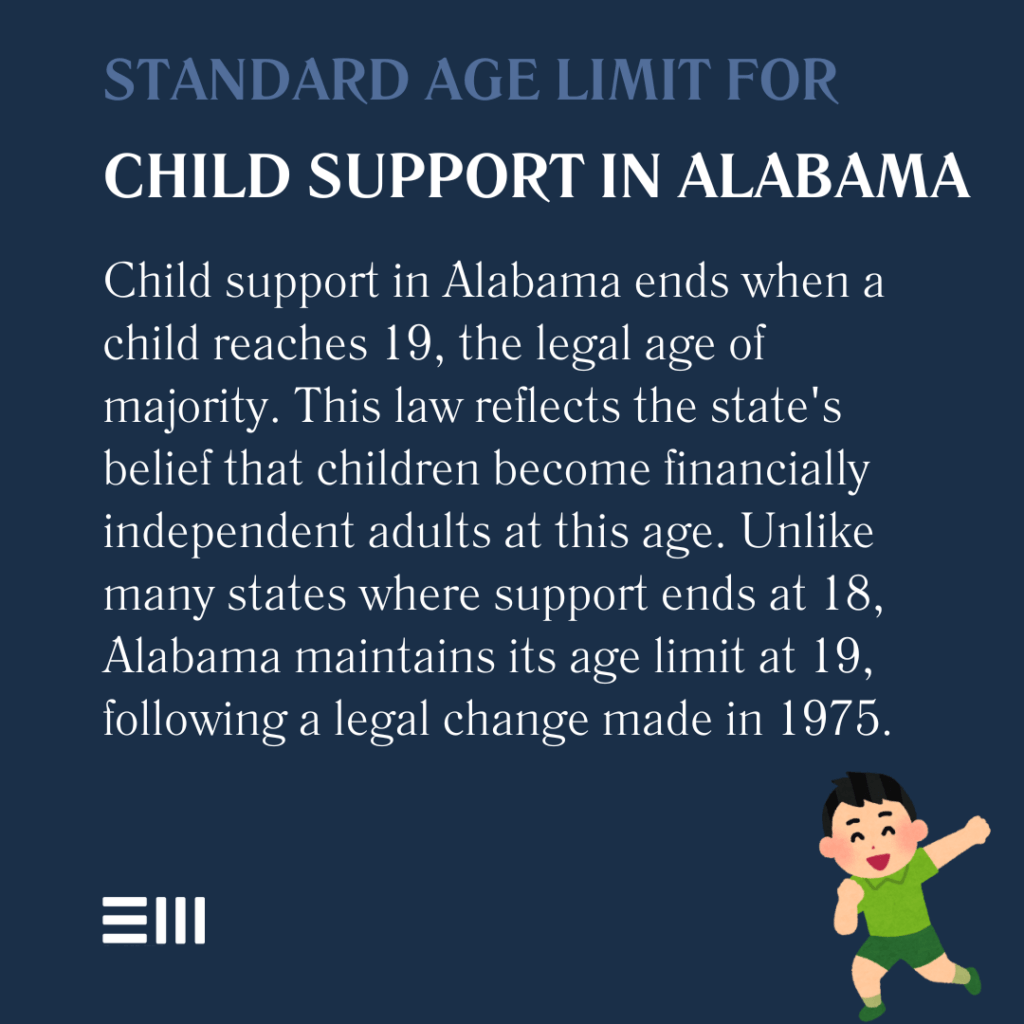
In Alabama, the age of majority is 19. This means that individuals are legally considered adults at 19, granting them the capacity to enter into binding contracts, sue or be sued, and manage their own financial affairs. For travelers, this primarily impacts situations like signing long-term leases (though not common for short-term visitors), making significant purchases on credit, or taking on other substantial legal obligations. While an 18-year-old may be an adult in many states, their capacity for certain legal actions might be limited in Alabama until they turn 19.

Important Consent Laws for Travelers
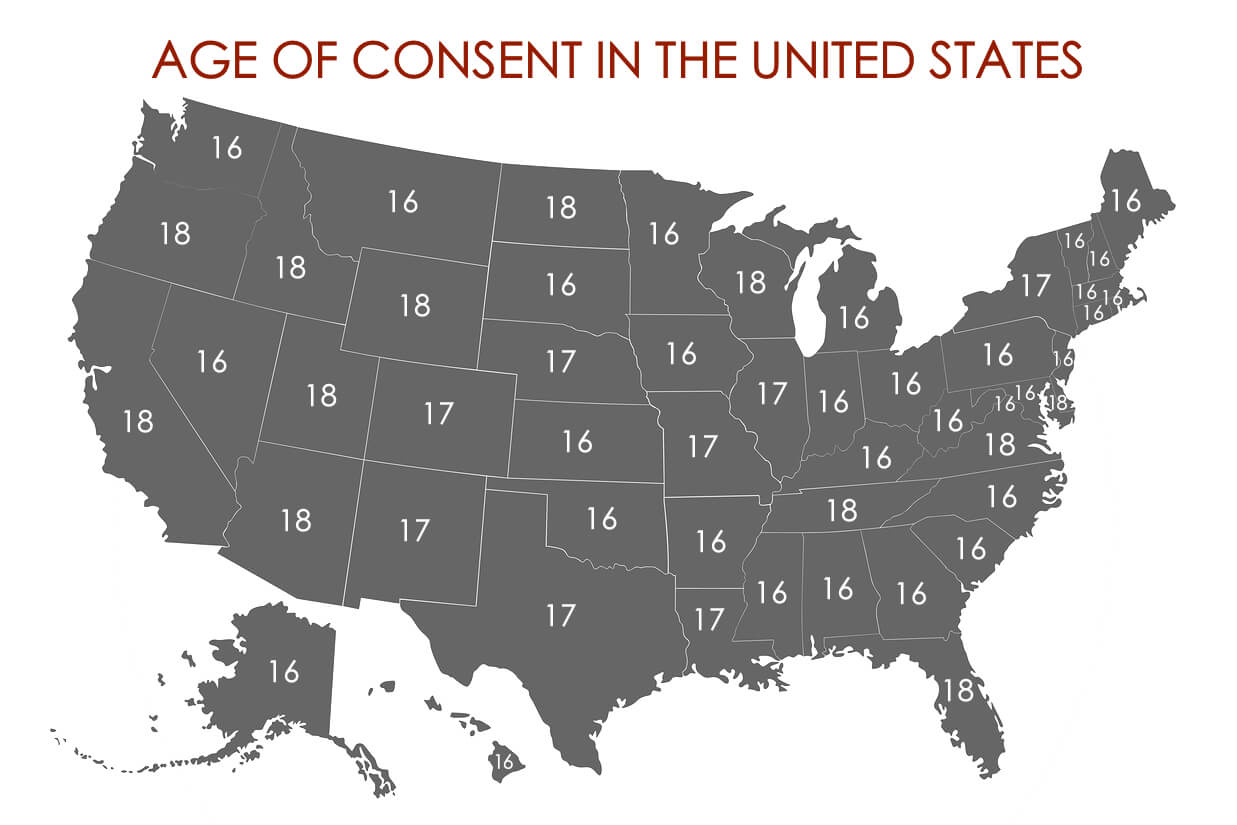
Consent laws are a crucial aspect of legal age, particularly concerning medical treatment and sexual activity. The age of consent for sexual activity in Alabama is 16. It’s imperative for visitors to be aware of and respect this law.
Regarding medical treatment, minors in Alabama may consent to certain medical services without parental consent under specific circumstances, typically starting around age 14 for specific treatments like mental health counseling or treatment for sexually transmitted infections. However, for general emergency medical treatment, particularly for younger children, parental consent is usually required. As mentioned earlier, if a minor is traveling with a non-guardian adult, a notarized consent form for medical treatment can prevent delays in an emergency.
Navigating the legal landscape of a new destination is a vital part of responsible travel. By understanding the various legal ages in Alabama related to driving, consumption, accommodation, and recreational activities, visitors can ensure a respectful, lawful, and ultimately more enjoyable journey through this vibrant Southern state. Always carry valid identification and confirm specific policies with businesses when in doubt.
LifeOutOfTheBox is a participant in the Amazon Services LLC Associates Program, an affiliate advertising program designed to provide a means for sites to earn advertising fees by advertising and linking to Amazon.com. Amazon, the Amazon logo, AmazonSupply, and the AmazonSupply logo are trademarks of Amazon.com, Inc. or its affiliates. As an Amazon Associate we earn affiliate commissions from qualifying purchases.