
The Case of the Controversial Patty Melt
In the heart of Texas, a culinary dispute has escalated into a full-blown legal battle. Whataburger, a beloved fast-food institution synonymous with Southern hospitality and craveable burgers, finds itself at the center of a lawsuit filed by a Texas man. While the specifics of the legal claims are still emerging, the title itself—”A Texas Man Is Suing The Whataburger Burger Chain”—instantly piques the curiosity of both loyal patrons and legal observers. This isn’t merely about a disgruntled customer; it signifies a potential clash between consumer expectations and corporate practices, all centered around the seemingly innocuous act of enjoying a fast-food meal.
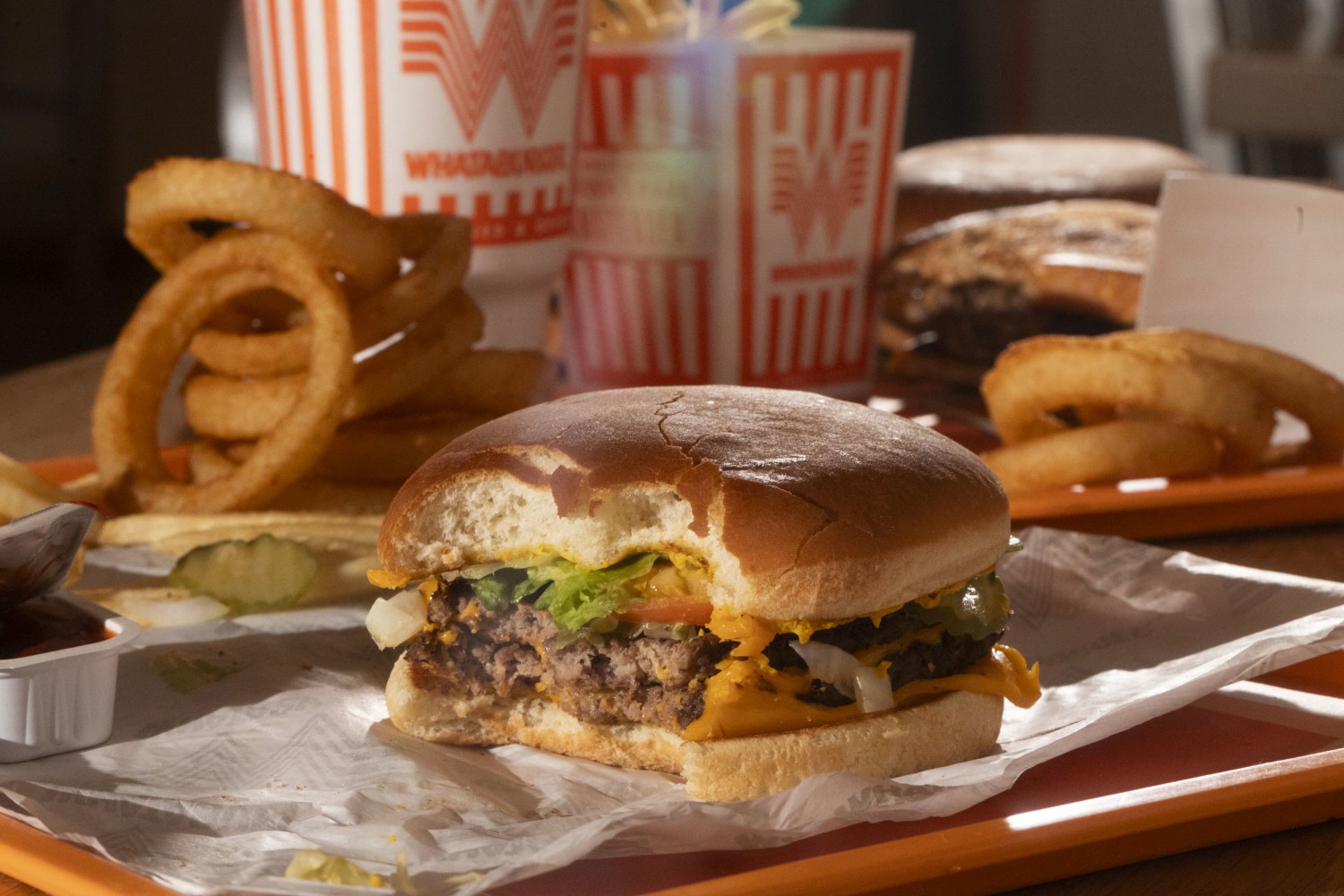
The premise of such a lawsuit, while uncommon in the fast-food landscape, is not entirely unprecedented. Consumers, increasingly empowered and aware of their rights, are more willing to seek legal recourse for perceived grievances. The question that immediately arises is: what could possibly lead to a lawsuit against a chain as popular and seemingly straightforward as Whataburger?
Unpacking the Potential Grievances
While the article title provides the hook, the underlying issues driving such a legal action are likely complex. Several avenues could be explored when a consumer takes a fast-food giant to court. These often involve allegations of product liability, deceptive advertising, personal injury, or breaches of contract (implied or explicit).
Product Liability Claims
One of the most common grounds for suing a food establishment revolves around the quality and safety of the food itself. This could range from allegations of contaminated ingredients leading to illness, to issues with the preparation or handling of food that results in a negative customer experience. For instance, if the plaintiff alleges that a specific menu item, perhaps the iconic Patty Melt or a popular burger, was prepared in a manner that was unsafe or contrary to advertised standards, it could form the basis of a product liability claim. Such claims would likely require substantial evidence, including expert testimony from food safety specialists and medical professionals if personal injury is involved.
Deceptive Advertising and Marketing
In today’s highly competitive market, fast-food chains invest heavily in advertising. If Whataburger is accused of making false or misleading claims about its products or services, it could open the door to legal challenges. This might involve misrepresentations about the ingredients used, the nutritional content of menu items, or special offers that were not honored as advertised. For example, if a marketing campaign exaggerated the quality or health benefits of a particular burger, and a customer subsequently felt misled and harmed (either financially or through a poor dining experience), they might have grounds for a lawsuit. The legal standard for deceptive advertising can vary, but generally requires proof that the advertising was likely to deceive a reasonable consumer.
Personal Injury Allegations
Beyond foodborne illnesses, personal injury claims against food establishments can arise from various incidents. This could include slips and falls due to wet floors, injuries caused by faulty equipment or furniture in the restaurant, or even incidents related to altercations with other patrons if the establishment failed to maintain a safe environment. If the Texas man’s lawsuit includes allegations of personal injury, the specifics of the incident would be crucial. The plaintiff would need to demonstrate that Whataburger was negligent in its duty of care to its customers, and that this negligence directly led to the injury.
Contractual Disputes

While less common in the context of a typical fast-food transaction, contractual disputes could theoretically arise. This might involve situations where a customer entered into a specific agreement or understanding with the restaurant that was subsequently breached. However, for a fast-food chain, these are typically handled through customer service channels rather than extensive legal proceedings, unless significant financial implications are at stake.
The Whataburger Phenomenon and Consumer Expectations
Whataburger holds a special place in the hearts of many, particularly in its home state of Texas. Founded in 1950 in Corpus Christi, it has grown into a beloved regional chain with over 850 locations. Its distinctive orange and white striped buildings are iconic, and its menu, featuring items like the Whataburger, Patty Melt, and Fountain Dr Pepper, has a loyal following. This strong brand loyalty means that expectations are often high, and deviations from what customers perceive as the “authentic” Whataburger experience can lead to disappointment, and in rare cases, legal action.
The Role of Brand Loyalty
The deep emotional connection many consumers have with brands like Whataburger can be a double-edged sword. While it drives sales and fosters a sense of community, it also means that any perceived misstep by the company can be amplified. Consumers accustomed to a certain quality, taste, or service standard may feel particularly aggrieved if that standard is not met. This heightened sensitivity could contribute to a willingness to pursue legal avenues when other methods of complaint resolution have failed.
Setting the Bar: What Customers Expect
When a person walks into a Whataburger, they generally expect a consistent experience: a hot, fresh burger made to order, friendly service, and a clean dining environment. The brand has built its reputation on these pillars. Therefore, if a customer believes that Whataburger has fallen short of these implicit promises, especially in a way that causes tangible harm or significant dissatisfaction, the desire to seek redress becomes understandable. The legal system, in its role of adjudicating disputes, provides a formal mechanism for addressing such grievances.
Legal Precedents and Industry Impact
While the specifics of this particular lawsuit remain under wraps until further court filings are made public, the mere fact of a lawsuit against a major fast-food chain like Whataburger has broader implications for the fast-food industry and consumer law. Such cases, regardless of their ultimate outcome, can influence industry practices, highlight areas of potential consumer vulnerability, and contribute to the evolving landscape of customer rights.
Consumer Rights in the Fast-Food Ecosystem
The fast-food industry operates on high volume and relatively low margins, often relying on streamlined processes and standardized products. This model, while efficient, can sometimes create friction points with individual consumers whose expectations or experiences diverge from the norm. Lawsuits, even if they don’t result in major judgments, serve as a public reminder of the consumer’s right to expect safe, accurately advertised, and reasonably well-prepared food. They also underscore the responsibility of corporations to maintain high standards of operation and customer care.

Potential Ramifications for Whataburger and Competitors
Regardless of the merits of the case, the lawsuit itself can have reputational consequences for Whataburger. News of legal battles can shape public perception and potentially impact customer traffic. For the broader industry, such events can prompt a review of internal policies, quality control measures, and customer complaint resolution procedures. Competitors may observe the proceedings closely to identify any potential vulnerabilities in their own operations and to reinforce their commitment to customer satisfaction and product integrity. The legal outcome could also set a precedent that influences how similar disputes are handled in the future.
In conclusion, the lawsuit filed by a Texas man against Whataburger is more than just a headline; it’s a narrative unfolding at the intersection of consumer rights, corporate responsibility, and the deep-seated cultural significance of a beloved fast-food brand. As the legal process advances, the details of the case will undoubtedly shed more light on the specific grievances and the broader implications for the fast-food landscape in Texas and beyond.
LifeOutOfTheBox is a participant in the Amazon Services LLC Associates Program, an affiliate advertising program designed to provide a means for sites to earn advertising fees by advertising and linking to Amazon.com. Amazon, the Amazon logo, AmazonSupply, and the AmazonSupply logo are trademarks of Amazon.com, Inc. or its affiliates. As an Amazon Associate we earn affiliate commissions from qualifying purchases.