
Travelers planning a trip to California often research various aspects of their destination, from iconic landmarks to local safety tips. Among the more common concerns, especially for those venturing into natural areas or less urbanized settings, is the presence of potentially dangerous wildlife. The brown recluse spider (Loxosceles reclusa) frequently tops the list of arachnids people worry about encountering. This article aims to clarify the facts regarding the brown recluse in California, providing essential information for a safe and informed visit to the Golden State.
Understanding the Brown Recluse Spider and Its True Home
To address the question directly, it’s important to understand the native habitat of the brown recluse spider. Despite widespread public perception and frequent misidentification, the brown recluse is not indigenous to California. Its natural range is quite specific, centered primarily in the Midwest and Southeast regions of the United States. This geographic specificity is a critical piece of information for any traveler concerned about encountering this particular spider.
Geographic Range and Native Habitats
The brown recluse spider is most commonly found in a region stretching from Nebraska to Ohio and south through Texas, Louisiana, and Georgia. States like Missouri, Arkansas, Oklahoma, and Kansas are considered part of its core territory, where populations thrive. In these areas, they are indeed quite common, preferring secluded, undisturbed environments. This includes woodpiles, cluttered basements, attics, and sheds. They are, as their name suggests, “reclusive,” generally avoiding human interaction and preferring dark, quiet spaces.
The scientific consensus among entomologists and arachnologists is clear: established, reproducing populations of brown recluse spiders do not exist in California. Any reported sightings in California are almost invariably cases of misidentification or, in very rare instances, an individual spider transported from its native range via luggage, cargo, or moving vehicles. These isolated instances do not constitute a resident population capable of reproducing and spreading throughout the state. Therefore, for travelers, the risk of encountering a brown recluse in California is exceedingly low.
Identifying Characteristics
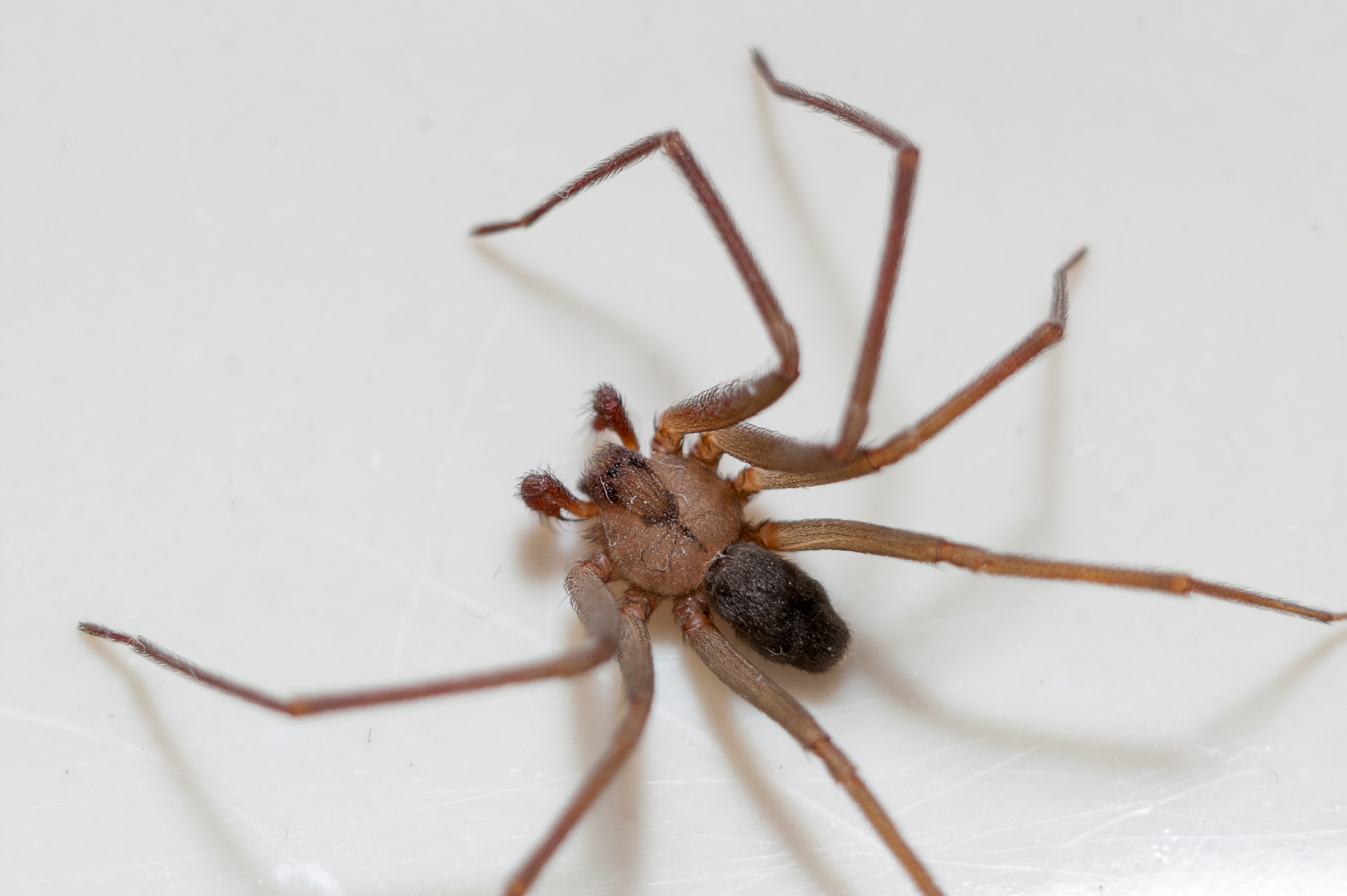
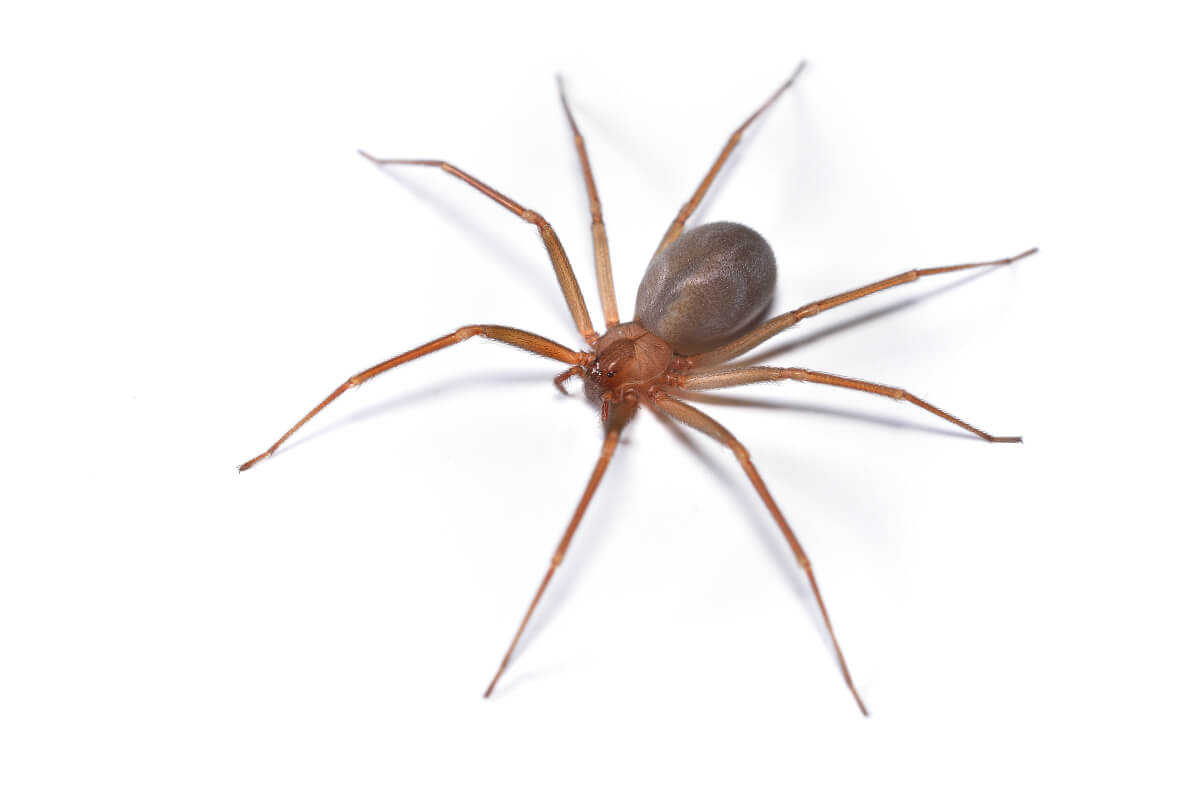
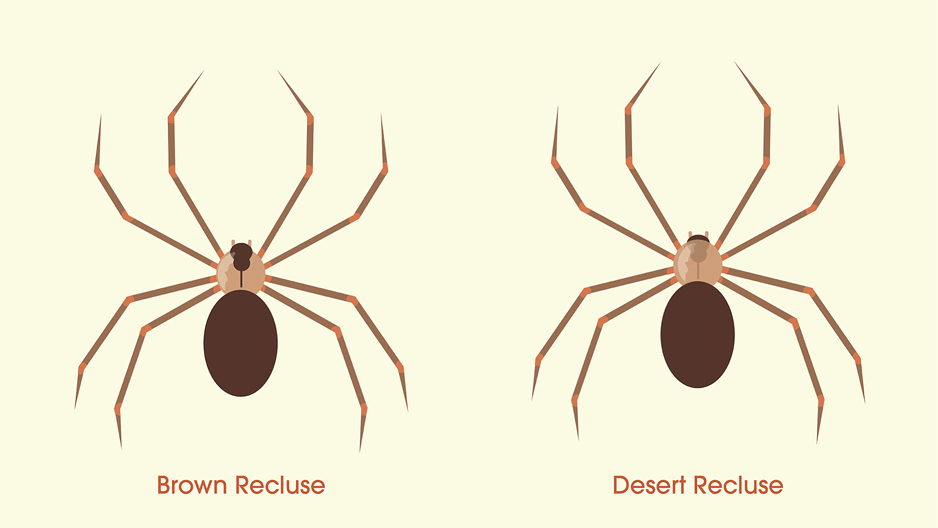
Even though the likelihood of finding a brown recluse in California is minimal, knowing its features can help dispel fears and correctly identify other spiders. The brown recluse is relatively small, usually ranging from 0.25 to 0.75 inches (6-19 mm) in body length. It is light to medium brown, often with a darker violin-shaped marking on its cephalothorax (the fused head and thorax). This “violin” is the most distinctive identifier, though it can be subtle or unclear on younger specimens. Unlike most spiders which have eight eyes, brown recluses have six eyes arranged in three pairs (dyads) in a semicircle. This is a crucial, though difficult to observe, distinguishing feature. Their legs are uniformly light-colored, without stripes or markings, and their bodies lack significant spines. Many common spiders in California are often mistaken for the brown recluse, leading to unnecessary alarm.
The California Context: Dispelling Myths and Understanding Look-Alikes
The persistent myth of brown recluses in California stems largely from misidentification and the common human tendency to assign a scary narrative to an unknown entity. For travelers, understanding this context is vital to enjoying their journey without undue arachnophobia.
Infestations vs. Incidental Sightings
When a spider is found in California and believed to be a brown recluse, it’s almost certainly not. Expert entomologists who have studied spiders in the state for decades confirm that they do not encounter or collect brown recluses in the wild. If an individual spider is somehow transported to California, it’s an isolated incident, much like finding a tropical fish in a cold water stream – it cannot survive or reproduce there naturally. There have been no confirmed cases of reproducing brown recluse populations establishing themselves in California homes or outdoor environments. Travelers should be reassured that the pervasive fear is largely unfounded in this specific geographic context.
Look-Alikes and Misidentification in the Golden State
Several native California spiders bear a superficial resemblance to the brown recluse, leading to frequent misidentification. These include:
- Desert Recluse (Loxosceles deserta): This spider is a close relative of the brown recluse and is native to the deserts of Southern California, particularly in regions like the Mojave Desert. While its bite can cause a localized lesion similar to that of the brown recluse, it is not aggressive and prefers dry, arid, undisturbed outdoor environments. Encounters are rare for most travelers staying in urban or well-maintained areas.
- Chilean Recluse (Loxosceles laeta): A non-native species, the Chilean recluse is larger than the brown recluse and its bite can be more severe. However, its presence in California is extremely limited, primarily to very old, isolated infestations in specific structures in areas like Los Angeles. It is not widespread and represents an even rarer encounter than its brown cousin.
- Yellow Sac Spiders (Cheiracanthium species): These are common throughout California and are often mistaken for recluses due to their pale coloration. Their bites are usually mild, causing localized pain, redness, and swelling.
- Hobo Spiders (Eratigena agrestis): While more prevalent in the Pacific Northwest, isolated populations of Hobo Spiders can be found in some parts of California. They are also often misidentified, though their bites are typically not medically significant.
The key takeaway for travelers is that most “brown recluse” sightings are actually one of these other, less dangerous, or extremely localized spiders. It is highly unlikely a traveler will encounter a true brown recluse within California’s borders.
What Travelers to California Need to Know for Peace of Mind
While the brown recluse is not a concern, general spider safety and awareness are always good practices when traveling, especially if you plan to explore natural areas or stay in rustic accommodations.
Precautions for Outdoor Activities
California offers an incredible array of outdoor experiences, from hiking in Yosemite National Park to exploring the deserts near Death Valley or relaxing on beaches in San Diego. While the risk of a brown recluse bite is negligible, other common spiders, though rarely dangerous, might be encountered.
- Wear appropriate clothing: When hiking or spending time in wooded or rocky areas, wear long pants and sleeves.
- Check gear: Before putting on shoes, gloves, or hats left outdoors, give them a quick shake.
- Be aware of your surroundings: When reaching into dark crevices, under rocks, or into woodpiles, use a stick or wear gloves.
These general precautions minimize encounters with any spiders or insects, making your outdoor adventures more enjoyable.
Checking Your Accommodation
Whether you’re staying in a luxury resort in San Francisco, a cozy cabin in the Sierra Nevada, or a budget motel in the Central Valley, general vigilance is wise.
- Inspect bedding: Before settling in, a quick check of sheets and pillowcases is good practice.
- Check shoes and clothing: If you leave items on the floor, especially in less frequently cleaned areas, give them a shake before wearing.
- Keep clutter minimal: Spiders are attracted to dark, undisturbed places. Keeping your living space tidy reduces potential hiding spots.
These simple habits are more about general hygiene and pest control than specific brown recluse prevention in California.
What to Do If You Suspect a Bite
In the unlikely event you or a travel companion experiences a spider bite in California, remember that most spider bites are harmless and cause only mild, localized reactions.
- Clean the bite area: Wash the bite thoroughly with soap and water.
- Apply a cold compress: This can help reduce swelling and pain.
- Elevate the affected limb: If the bite is on an arm or leg, elevating it can further reduce swelling.
- Seek medical attention if needed: If the bite causes severe pain, spreading redness, a growing lesion, or if you develop systemic symptoms like fever or nausea, consult a doctor. If possible, safely collect the spider for identification, but do not risk further bites. Remember, local medical professionals in California are well-versed in treating bites from the spiders that do inhabit the state, particularly the Black Widow.
Other Spiders of Concern in California
While the brown recluse is not a threat, California does host a few spiders whose bites can be medically significant, albeit rarely fatal.
The Black Widow Spider
The Black Widow (Latrodectus hesperus) is the most medically significant spider native to California. These spiders are easily identifiable by their shiny black bodies and the distinctive red hourglass marking on the underside of the female’s abdomen. They prefer dark, undisturbed areas such as woodpiles, sheds, garages, and outdoor furniture. Their venom is a neurotoxin, and a bite can cause muscle pain, abdominal cramps, nausea, and sweating. While rarely fatal, especially for healthy adults, medical attention is recommended, particularly for children and the elderly. Travelers should exercise caution when reaching into dark spaces or handling firewood.
Other Common Species
California is home to thousands of spider species, most of which are harmless to humans. Common garden spiders, orb weavers, jumping spiders, and wolf spiders are frequently encountered but pose no threat. Even the larger, hairier tarantulas found in some desert regions are typically docile and their bites are comparable to a bee sting.
Enjoying a Safe Trip to the Golden State
In conclusion, travelers to California can put their worries about brown recluse spiders aside. The scientific evidence strongly indicates that these spiders are not native residents of the state, and established populations do not exist. Your travel safety plan for California should focus more on general awareness of your surroundings, particularly for the Black Widow, which is truly indigenous and medically important.
By understanding the facts, recognizing common look-alikes, and adopting simple precautions, you can confidently explore all the stunning landscapes, vibrant cities like Los Angeles and Sacramento, and diverse attractions California has to offer, free from unfounded arachnid fears. Enjoy the sunshine, the majestic redwoods, and the Pacific coastline, knowing that the brown recluse is one worry you can leave behind.
LifeOutOfTheBox is a participant in the Amazon Services LLC Associates Program, an affiliate advertising program designed to provide a means for sites to earn advertising fees by advertising and linking to Amazon.com. Amazon, the Amazon logo, AmazonSupply, and the AmazonSupply logo are trademarks of Amazon.com, Inc. or its affiliates. As an Amazon Associate we earn affiliate commissions from qualifying purchases.