
California, a beacon of diverse landscapes, vibrant cities, and unparalleled experiences, beckons travelers from across the globe. From the sun-kissed beaches of San Diego to the majestic redwoods of the north, the sprawling vineyards of Napa Valley to the iconic urban sprawl of Los Angeles and San Francisco, the Golden State offers an endless array of adventures. Whether you’re planning a luxurious escape, a budget-friendly road trip, a family vacation to Disneyland, or a business stay, understanding local laws is paramount to ensuring a smooth, safe, and memorable journey. Among the most crucial regulations, particularly for those looking to enjoy California’s celebrated culinary scene, world-class wineries, and lively nightlife, are its alcohol limits and related statutes.
For any traveler or resident, grasping the nuances of California’s legal alcohol limits and Driving Under the Influence (DUI) laws isn’t just about avoiding penalties; it’s about responsible tourism and a lifestyle choice that prioritizes safety for yourself and others. This comprehensive guide delves into the specific Blood Alcohol Concentration (BAC) limits, the implications of DUI, and other vital alcohol-related laws you need to know to truly savor all that California has to offer, from a leisurely wine tasting in Sonoma County to an evening out in the Gaslamp Quarter or a scenic drive along Big Sur.
Decoding California’s Blood Alcohol Concentration (BAC) Limits
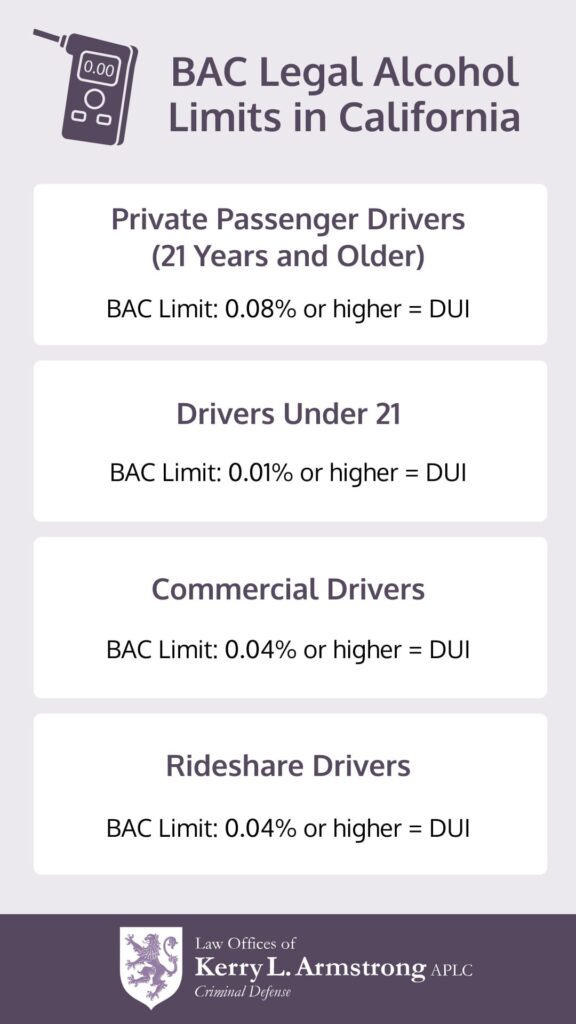
The cornerstone of California’s alcohol laws for drivers is the Blood Alcohol Concentration (BAC) limit. BAC measures the amount of alcohol in your bloodstream, expressed as a percentage. Exceeding specific BAC thresholds while operating a vehicle constitutes a DUI, regardless of whether you feel impaired. These limits are designed to ensure public safety on the roads, which are often bustling with tourists exploring attractions like the Golden Gate Bridge or navigating the freeways to Universal Studios Hollywood.
The Standard for Drivers 21 and Over
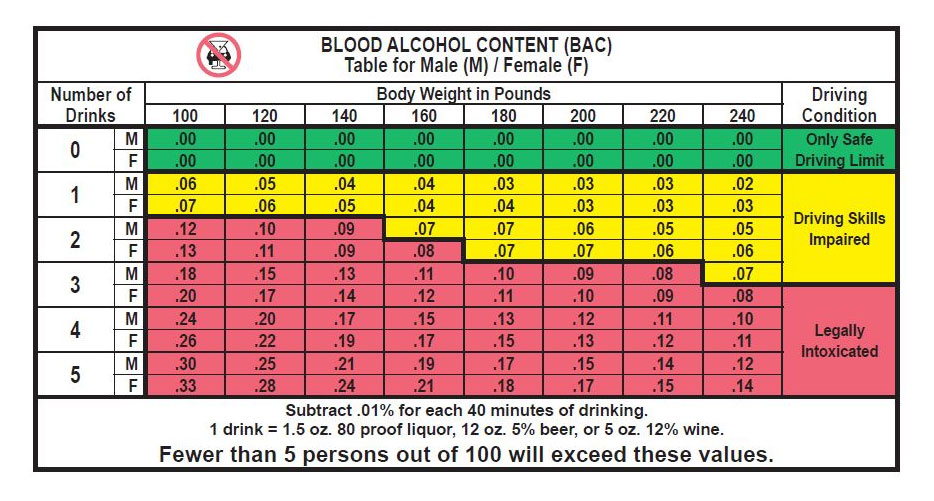
For the vast majority of drivers aged 21 and older, California’s legal BAC limit is 0.08%. This is the standard threshold for unlawful impairment, meaning if your BAC is measured at 0.08% or higher, you are legally considered to be driving under the influence, even if you believe you are capable of driving safely. It’s crucial for travelers enjoying a local craft beer in San Francisco or a glass of wine with dinner in Santa Barbara to be acutely aware of this limit. Many factors, including body weight, gender, metabolism, and food intake, affect how quickly one reaches this limit, making it dangerously easy to underestimate one’s impairment. A single drink can affect different individuals differently, so relying on a general “number of drinks” rule is unreliable and risky.
Strict Limits for Commercial Drivers
California imposes an even stricter BAC limit for commercial drivers, recognizing the heightened responsibility associated with operating large vehicles or transporting passengers and goods. Commercial Vehicle Drivers (CDL holders) are subject to a BAC limit of 0.04%. This lower threshold applies when they are operating a commercial motor vehicle. This includes truck drivers traversing the state’s vital highways, bus drivers shuttling tourists between destinations like Yosemite National Park and Lake Tahoe, and even those driving for ride-sharing services if their vehicle is classified as commercial. This stricter limit underscores the state’s commitment to safety, acknowledging the potential for catastrophic consequences when large vehicles are involved in accidents due to impaired driving.
California’s “Zero Tolerance” for Underage Drivers
For drivers under the age of 21, California enforces a “Zero Tolerance” policy. This means that if you are under 21 and found to be driving with a BAC of 0.01% or higher, you are in violation of the law. This incredibly low limit effectively prohibits underage individuals from consuming any alcohol and then driving. The intent is clear: to discourage underage drinking and prevent impaired driving among young, inexperienced drivers. Consequences for underage DUI are severe, often involving immediate license suspension, fines, and mandatory alcohol education programs, which can significantly impact a young person’s future travel opportunities and overall lifestyle. This policy serves as a critical reminder for families traveling with young adults or for young adults themselves studying or working in California to understand and adhere to the strict regulations.
Navigating DUI Laws in the Golden State
Beyond the specific BAC limits, California’s DUI laws are comprehensive, covering various scenarios and carrying significant repercussions. A DUI conviction can turn a dream California vacation into a nightmare, leading to substantial financial penalties, legal complications, and disruptions to travel plans. Understanding these laws is essential for responsible tourism and for anyone choosing to reside in or visit the state.
What Constitutes a DUI in California?
In California, a DUI is not solely defined by exceeding the BAC limit. It is broadly defined as driving while impaired by alcohol, drugs (including prescription and over-the-counter medications that affect driving ability), or a combination of both. Even if your BAC is below 0.08%, you can still be charged with a DUI if law enforcement determines that your driving ability is impaired by alcohol. This is often referred to as a “DUI of Alcohol and/or Drugs.” Officers observe various factors, including erratic driving, slurred speech, poor coordination, and performance on Field Sobriety Tests (FSTs), to determine impairment.
California’s Implied Consent Law is another crucial aspect. By driving on any California road, you automatically consent to chemical tests (breath or blood, and sometimes urine) if lawfully arrested for a DUI. Refusing these tests can lead to automatic license suspension and other penalties, even if you are not ultimately convicted of DUI. This is a critical point for visitors, as international driving permits or out-of-state licenses are still subject to this state law.
DUI offenses can be classified as either misdemeanors or felonies. A first, second, or third DUI offense within a 10-year period is typically a misdemeanor. However, a DUI becomes a felony if it is a fourth or subsequent offense within 10 years, if it causes injury to another person, or if it results in a fatality. Felony DUIs carry much more severe penalties, including lengthy state prison sentences, higher fines, and extended license revocation.
The Steep Consequences of a DUI Conviction
The ramifications of a DUI conviction in California are extensive and can significantly impact one’s lifestyle, travel flexibility, and financial well-being. Penalties often include:
- Fines and Fees: These can range from hundreds to thousands of dollars, not including court costs and other assessments.
- Jail Time: Even a first-offense misdemeanor DUI can carry mandatory jail time, typically a few days, but can be much longer depending on the circumstances. Felony DUIs involve state prison sentences that can span years.
- License Suspension/Revocation: Your driving privileges will be suspended or revoked for a period ranging from several months to several years, depending on the number of prior offenses. For visitors, this can affect your ability to drive rental cars, explore destinations like Carmel-by-the-Sea or Pismo Beach, and potentially lead to difficulties with future international travel.
- DUI School: Mandatory participation in state-approved DUI education programs, which can last from three months to 30 months.
- Ignition Interlock Device (IID): In many cases, particularly for repeat offenders or those in certain counties, an IID must be installed in your vehicle(s) for a specified period. This device requires you to provide a breath sample that registers below a certain BAC level before the vehicle will start.
- Increased Insurance Rates: Your auto insurance premiums will likely skyrocket for several years following a DUI conviction, making travel by rental car significantly more expensive.
- Criminal Record: A DUI conviction leaves a permanent mark on your criminal record, which can affect employment opportunities, professional licenses, and even future travel to other countries.
The cumulative effect of these penalties can be devastating, highlighting the importance of always having a sober driver or alternative transportation when consuming alcohol in California.
Beyond Driving: Other Key Alcohol Laws for Visitors and Residents
While DUI laws are critical, California’s regulations concerning alcohol extend beyond driving. For anyone enjoying California’s vibrant social scene, from beachside strolls to park picnics, understanding these additional laws is crucial for a carefree and compliant visit.
Open Container Laws: Where You Can and Can’t Drink
California has specific laws regarding open containers of alcohol, particularly in vehicles and public spaces.
- In Vehicles: It is illegal for any driver or passenger to have an open container of alcohol in a vehicle on a public highway. An open container is defined as any bottle, can, or other receptacle containing any alcoholic beverage that is open, has a broken seal, or has had some of its contents removed. The law applies to both alcoholic beverages that are being consumed and those that are merely accessible. If you purchase alcohol, it should remain sealed and stored in the trunk of your car, or in an area not readily accessible to anyone in the vehicle, such as behind the last row of seats in an SUV that lacks a trunk. This is especially important for those touring Napa Valley or Sonoma County and buying bottles of wine.
- In Public Places: Generally, consuming alcohol in public places, such as parks, streets, sidewalks, and beaches, is prohibited unless specifically permitted by local ordinance or a special event permit. For example, while enjoying the Santa Monica Pier or strolling along the Hollywood Walk of Fame, it is typically illegal to consume alcoholic beverages openly. Some cities or specific areas might have designated “wet zones” or allow alcohol during certain festivals or events, but these are exceptions rather than the rule. Always check local regulations for cities like San Diego, Los Angeles, or San Francisco if you plan to consume alcohol outside of a licensed establishment or private property.
Underage Drinking and Possession
The legal drinking age in California is 21. It is illegal for anyone under 21 to purchase, possess, or consume alcoholic beverages. This law is strictly enforced, and violations carry significant penalties:
- For Minors: Possession of alcohol by a minor can result in fines, community service, mandatory alcohol education, and suspension of driving privileges. Even carrying a fake ID to purchase alcohol can lead to serious legal consequences.
- For Adults Furnishing Alcohol to Minors: It is illegal for any person to furnish, sell, or give alcohol to anyone under 21. Violations can lead to substantial fines, jail time, and potential loss of an alcohol sales license for businesses. This includes parents or guardians, even if they are providing alcohol to their own children in a private setting, with very limited exceptions (e.g., for religious ceremonies with certain types of alcohol).
These laws reinforce a commitment to protecting youth and preventing the societal harms associated with underage drinking, and they are critical for families traveling to California with teenagers or young adults.
Public Intoxication and Responsible Enjoyment
California also has laws against public intoxication. It is illegal to be found in a public place under the influence of alcohol or drugs to the extent that you are unable to exercise care for your own safety or the safety of others, or if you obstruct sidewalks, streets, or other public ways. This isn’t about simply having consumed alcohol, but about being visibly and dangerously impaired. An arrest for public intoxication, often referred to as a “drunk in public” charge, can lead to fines and even jail time.
For tourists, enjoying California’s vibrant nightlife in areas like the Gaslamp Quarter in San Diego, Hollywood in Los Angeles, or the bustling districts of San Francisco, it’s important to remember to drink responsibly. Ensuring you have a safe way back to your accommodation and maintaining awareness of your surroundings are key elements of a positive and trouble-free experience. Hotels and resorts throughout California often have their own policies regarding alcohol consumption on their premises, which guests should also respect.
Making Informed Choices: Responsible Alcohol Consumption in California
Enjoying California’s incredible destinations, culinary scene, and nightlife doesn’t have to mean avoiding alcohol altogether. Instead, it’s about embracing a lifestyle of informed choices and responsible consumption. This approach ensures your safety, avoids legal pitfalls, and contributes to a more enjoyable and stress-free travel or living experience in the Golden State.
Factors Influencing Your BAC
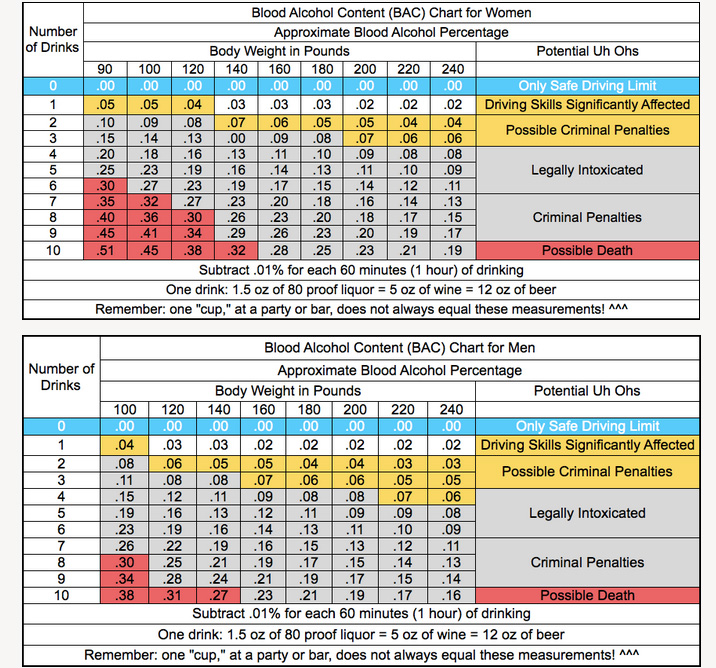
Understanding that your Blood Alcohol Concentration (BAC) is not a fixed calculation per drink is crucial. Several variables significantly impact how your body processes alcohol:
- Body Weight and Gender: Smaller individuals and women generally reach higher BACs faster than larger individuals and men, even after consuming the same amount of alcohol, due to differences in body water content and metabolism.
- Metabolism: Each person’s liver processes alcohol at a different rate. There’s no way to speed up this process; coffee, cold showers, or food won’t sober you up faster.
- Food Intake: Consuming alcohol on an empty stomach allows it to be absorbed into the bloodstream much faster, leading to a quicker rise in BAC. Eating a meal before or while drinking can slow this absorption.
- Type of Alcohol and Speed of Consumption: Drinks with higher alcohol content (like spirits compared to beer) and rapid consumption lead to faster increases in BAC.
- Medications: Certain prescription and over-the-counter medications can interact with alcohol, amplifying its effects and potentially leading to higher BACs or increased impairment.
Given these variables, it’s virtually impossible to accurately gauge your own BAC without a breathalyzer. The safest choice is always to assume that any amount of alcohol could impair your driving.
Planning for a Safe and Enjoyable Experience
For visitors and residents alike, proactive planning is the cornerstone of responsible alcohol consumption in California. This means thinking about your transportation before your first drink.
- Designated Drivers: If you’re traveling with a group, appoint a designated driver who commits to abstaining from alcohol. This is perhaps the most reliable method for ensuring safe transportation.
- Utilizing Ride-Sharing Services: California’s major cities and tourist hubs are well-served by ride-sharing platforms like Uber and Lyft. These services offer a convenient and safe alternative to driving, especially after an evening out in downtown Sacramento or Beverly Hills.
- Exploring Public Transportation: Cities like San Francisco and Los Angeles boast extensive public transportation networks. The San Francisco Muni, BART, and Los Angeles Metro can provide efficient and safe travel, particularly for visitors staying in urban areas. Researching routes and schedules in advance can integrate seamlessly into your travel itinerary.
- Choosing Accommodations Wisely: When booking hotels, resorts, or apartments, consider their proximity to attractions, public transport, or walkable areas. Staying within walking distance of restaurants, bars, or event venues can eliminate the need for driving altogether. For a luxurious stay in Palm Springs, for instance, choosing a villa or resort close to dining options makes planning easier.
- Enjoying Non-Alcoholic Options: California’s culinary scene offers an incredible array of non-alcoholic beverages, from gourmet coffee to artisanal mocktails and fresh-pressed juices. Embrace these alternatives to stay refreshed and hydrated while still enjoying the vibrant social atmosphere. Many wineries and breweries also offer non-alcoholic tastings or sparkling ciders, ensuring everyone can participate in the experience.
In conclusion, California’s allure is undeniable, and enjoying its many splendors, including its dynamic food and beverage scene, is a highlight for many. By understanding and respecting the legal alcohol limits and related laws, particularly those concerning driving, open containers, and underage consumption, you ensure that your experience in the Golden State remains safe, enjoyable, and free from unforeseen complications. Responsible choices not only protect you but also contribute to the safety and well-being of the wider community, allowing everyone to fully appreciate the unique magic of California.
LifeOutOfTheBox is a participant in the Amazon Services LLC Associates Program, an affiliate advertising program designed to provide a means for sites to earn advertising fees by advertising and linking to Amazon.com. Amazon, the Amazon logo, AmazonSupply, and the AmazonSupply logo are trademarks of Amazon.com, Inc. or its affiliates. As an Amazon Associate we earn affiliate commissions from qualifying purchases.