
For anyone planning a visit or currently enjoying the diverse beauty of California, understanding the state’s legal blood alcohol content (BAC) limits is not just a matter of compliance; it’s a fundamental aspect of safe and responsible tourism. The Golden State, renowned for its vibrant cities, breathtaking national parks, and world-class wine regions, attracts millions of visitors annually. Whether you’re exploring the bustling streets of Los Angeles, savoring the culinary delights of San Francisco, or relaxing on the sun-drenched beaches of San Diego, being informed about driving under the influence (DUI) laws is crucial for a trouble-free experience. This guide provides an insightful and professional overview of California’s BAC laws, their implications, and practical tips for ensuring your journey remains safe and enjoyable.
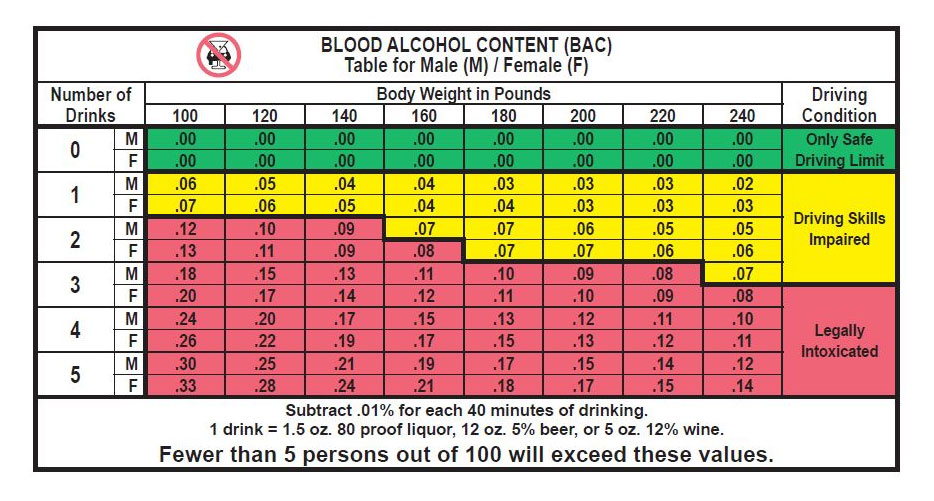
Understanding California’s Core DUI Laws
California maintains strict laws regarding driving under the influence of alcohol and drugs. These regulations are designed to protect both drivers and the public, contributing to overall road safety. Disregarding these laws can lead to severe consequences that can significantly impact your travel plans and personal record.
The Standard .08% BAC Limit
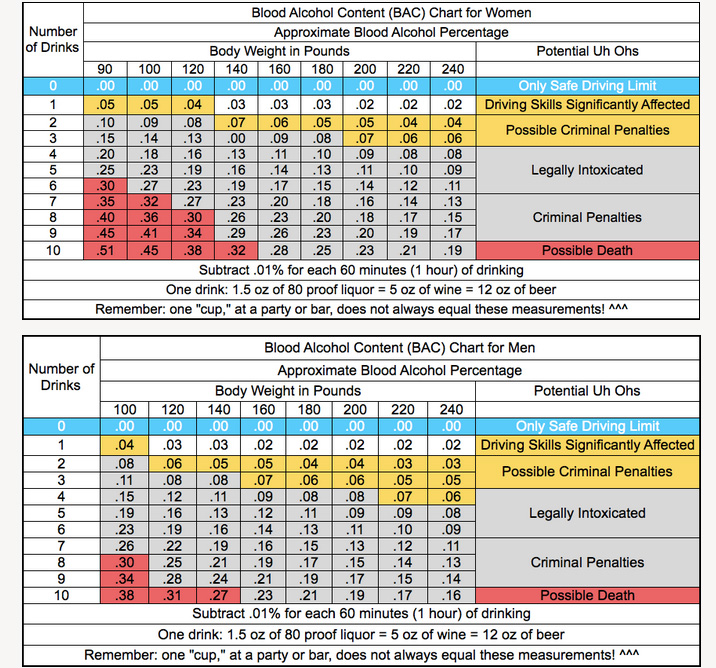
For most adult drivers (21 years and older) operating a non-commercial vehicle, the legal blood alcohol limit in California is 0.08%. This means that if your BAC is measured at 0.08% or higher, you are legally presumed to be impaired and can be charged with a DUI, regardless of whether you feel or appear intoxicated. It’s vital to remember that impairment can occur at much lower BAC levels, and law enforcement officers can still charge you with a DUI if they observe impaired driving, even if your BAC is below the legal limit. This is often referred to as “wet reckless” or other impairment charges. The 0.08% threshold serves as a clear, quantifiable standard for illegal intoxication while driving.
Special Limits for Specific Drivers
California’s DUI laws are not one-size-fits-all. Several categories of drivers face even stricter BAC limits:
- Commercial Drivers: Individuals holding a commercial driver’s license (CDL) are held to a higher standard. If operating a commercial vehicle, their legal BAC limit is 0.04%. This lower threshold reflects the increased responsibility associated with operating larger, heavier vehicles that pose a greater risk to the public in the event of an accident. This applies even if they are off-duty but driving a personal vehicle, depending on the specific circumstances and how it impacts their CDL.
- Underage Drivers (Under 21): California has a “zero tolerance” policy for drivers under the age of 21. For these individuals, the legal BAC limit is 0.01%. This means that even a minuscule amount of alcohol in their system can lead to a DUI charge. This policy aims to discourage underage drinking and driving altogether, emphasizing the state’s commitment to protecting its youngest drivers and preventing alcohol-related accidents involving minors.
- Drivers on DUI Probation: If you have previously been convicted of a DUI and are currently on probation, your legal BAC limit is also 0.01%. This is a condition of your probation, reinforcing the importance of abstaining from alcohol when driving after a prior offense.
Implied Consent: What it Means for Drivers
A critical component of California’s DUI laws is the concept of “implied consent.” By virtue of driving on a California road, you automatically give your consent to a chemical test (blood, breath, or, in some cases, urine) if a law enforcement officer has reasonable cause to suspect you are driving under the influence. Refusing to submit to a chemical test can lead to immediate and severe penalties, including:
- Immediate suspension of your driver’s license (or driving privilege for out-of-state visitors).
- Enhanced penalties if you are later convicted of a DUI.
- Fines and mandatory jail time, even if you are not ultimately convicted of a DUI.
This implied consent law is a powerful tool for law enforcement and underscores the serious nature of DUI enforcement in the state.
The Far-Reaching Consequences of a DUI in California
A DUI conviction in California carries significant legal, financial, and personal ramifications. For tourists, these consequences can be particularly disruptive and costly, extending far beyond the immediate incident.
Immediate Penalties and Legal Ramifications
Upon arrest for a DUI, the immediate consequences can include:
- Vehicle Impoundment: Your vehicle will likely be impounded, incurring towing and storage fees.
- License Suspension: The Department of Motor Vehicles (DMV) will typically initiate an administrative per se (APS) hearing process, which can lead to an automatic suspension of your driver’s license (or privilege to drive in California if you’re from out of state) within 30 days, even before a court conviction. You have a limited time (usually 10 days from arrest) to request a DMV hearing to contest this.
- Arrest and Jail Time: Depending on the circumstances and prior offenses, you could face immediate arrest and potential jail time.
- Criminal Charges: A DUI is a criminal offense, meaning you will face charges in court, potentially leading to a criminal record.
If convicted, penalties can include:
- Fines and Fees: Substantial monetary fines, court fees, and restitution.
- Mandatory DUI Programs: Enrollment in state-approved DUI education programs, which can last for several months.
- Ignition Interlock Device (IID): Installation of an IID in your vehicle, preventing it from starting if alcohol is detected on your breath.
- Probation: A period of formal or informal probation.
- Increased Jail Time: For repeat offenses or DUIs involving injury/death.
Financial Burdens and Long-Term Impacts
The financial toll of a DUI is often far greater than just the initial fines. It includes:
- Legal Fees: Hiring an attorney to navigate the complex legal system can be very expensive.
- Insurance Premiums: Your car insurance rates will almost certainly skyrocket, and some insurers may even drop your coverage.
- Vehicle Costs: Towing, impound, and IID installation/maintenance fees.
- Lost Wages: Time off work for court appearances, DUI classes, and jail time.
- Opportunity Costs: A criminal record can impact future employment opportunities, professional licenses, and even housing applications.
Impact on Travel Plans and Future Mobility
For visitors to California, a DUI can completely derail a vacation. Beyond the immediate disruption and potential jail time, an out-of-state driver facing a California DUI will likely need to return to the state for court dates, DMV hearings, and to complete any mandatory programs. This means additional travel expenses, time off work, and prolonged stress. A DUI conviction can also affect your ability to rent cars in the future, and for international visitors, it could potentially impact visa applications or entry into other countries.
Factors Influencing Blood Alcohol Content (BAC)
Understanding how alcohol affects your body is essential for making responsible decisions. Your BAC is not just about the number of drinks you consume; it’s a complex interaction of various physiological and situational factors.
Personal Physiology and Alcohol Metabolism
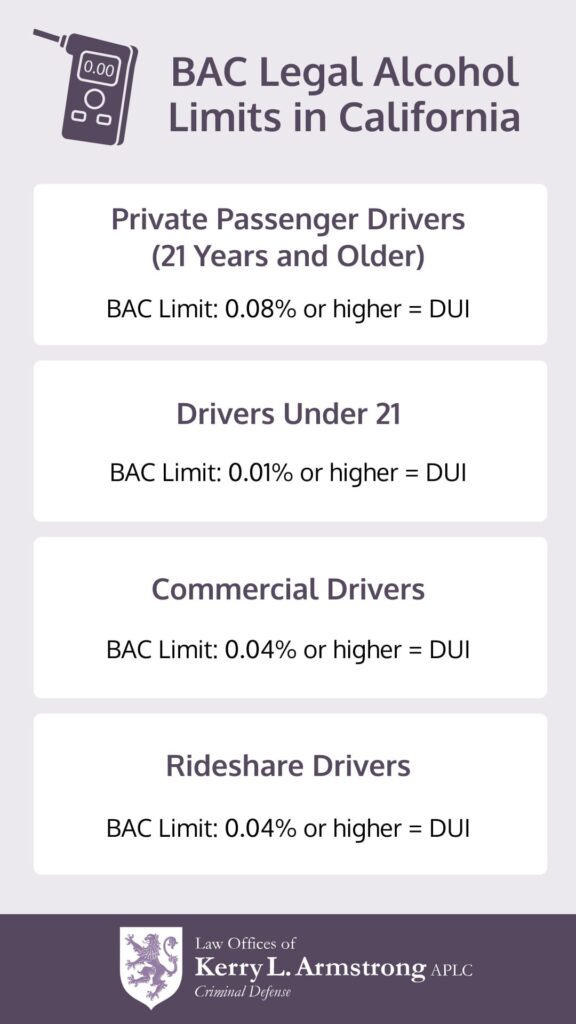
Several factors contribute to how quickly and to what extent alcohol affects an individual:
- Body Weight: Generally, a larger person has more body water, which dilutes the alcohol, leading to a lower BAC.
- Gender: Women typically have less body water and lower levels of the enzyme alcohol dehydrogenase (which metabolizes alcohol) than men, often resulting in a higher BAC from the same amount of alcohol.
- Metabolism Rate: Individual metabolic rates vary, influencing how quickly the body processes alcohol.
- Food Consumption: Eating before or while drinking slows the absorption of alcohol into the bloodstream, leading to a lower BAC compared to drinking on an empty stomach.
- Medications: Certain medications can interact with alcohol, intensifying its effects or impairing your ability to metabolize it.
- Hydration: Dehydration can lead to a higher BAC as there is less water to dilute the alcohol.
How Much is Too Much? Estimating Your Limit
There is no universally safe number of drinks, as individual responses to alcohol vary greatly. A standard drink typically contains about 0.6 fluid ounces or 14 grams of pure alcohol. This is generally found in:
- 12 ounces of regular beer (about 5% alcohol)
- 5 ounces of wine (about 12% alcohol)
- 1.5 ounces of distilled spirits (about 40% alcohol)
However, alcohol content can vary significantly, especially in craft beers, certain wines, and mixed drinks. The safest approach is to assume that even one drink can begin to impair your judgment and reaction time. The only way to ensure your BAC is 0.00% is to not drink any alcohol before driving. Do not rely on personal estimations or online BAC calculators, as these are approximations and cannot account for all individual variables.
Common Misconceptions About Sobering Up
Many myths persist about how to sober up quickly, but none are effective:
- Coffee or Energy Drinks: Caffeine may make you feel more alert, but it does not reduce your BAC or improve your cognitive function or reaction time. You’ll simply be a wide-awake drunk driver.
- Cold Showers: A cold shower might shock your system, but it won’t metabolize alcohol any faster.
- Eating Food: While food can slow alcohol absorption if consumed before drinking, eating after drinking will not significantly speed up the elimination of alcohol from your system.
- Time is the Only True Sobering Agent: On average, the body metabolizes alcohol at a rate of approximately 0.015% per hour. There is no shortcut. If you’ve been drinking, give your body ample time to process the alcohol before getting behind the wheel.
Responsible Tourism: Navigating California Safely
California offers an incredible array of experiences, many of which involve enjoying local beverages. Planning ahead and making responsible choices ensures that these experiences enhance, rather than endanger, your trip.
Planning Ahead: Designated Drivers and Ride-Sharing Services
Before you even take your first sip, have a plan for how you’ll get home.
- Designated Driver: If you’re traveling with a group, designate a non-drinking driver. Many establishments offer free non-alcoholic beverages to designated drivers.
- Ride-Sharing Apps: Services like Uber and Lyft are widely available throughout California’s urban and suburban areas, offering convenient and relatively inexpensive alternatives to driving. Make sure your phone is charged and you know how to use the app before you head out.
- Taxis: Traditional taxi services are still an option, especially in larger cities and near popular attractions.
Public Transportation and Alternative Options in Major Cities
Major metropolitan areas like Los Angeles, San Francisco, and San Diego boast extensive public transportation networks.
- Buses and Trains: Utilize local bus routes, light rail, and subway systems (like BART in the San Francisco Bay Area or Metro in Los Angeles) to get around. These are often more scenic and stress-free than navigating traffic and parking.
- Shuttles and Tours: Many tourist destinations, especially wine regions like Napa Valley or Sonoma County, offer dedicated shuttle services or guided tours that include transportation, allowing you to sample without worry.
- Walking and Biking: For shorter distances, consider walking or renting a bicycle. Always be aware of pedestrian and cyclist safety laws, especially if you’ve consumed any alcohol.
Enjoying California’s Culinary and Wine Scene Responsibly
California is world-renowned for its vineyards and diverse culinary scene. You can fully immerse yourself in these experiences responsibly:
- Wine Tasting: When visiting wineries, participate in tastings and tours. If you’re driving, use the spit bucket provided; it’s perfectly acceptable and expected. Limit your intake and designate a driver.
- Pace Yourself: If you choose to drink, do so slowly and alternate alcoholic beverages with water or non-alcoholic drinks.
- Eat While Drinking: Always consume food with alcohol to slow absorption.
- Know Your Limits: Be honest with yourself about how much alcohol you can consume safely without impairment.
Additional Considerations for Visitors to California
For those visiting from other states or countries, specific considerations apply regarding California’s DUI laws.
Out-of-State Licenses and DUI Laws
California’s DUI laws apply to everyone driving within its borders, regardless of where their driver’s license was issued. An out-of-state license will be treated the same as a California license for purposes of DUI charges and administrative penalties. If your license is suspended by the California DMV, it might affect your driving privileges in your home state due to interstate compacts. Similarly, an international driver’s permit or foreign license is subject to the same strict rules.
Rental Cars and Insurance Implications
When renting a car in California, be aware that a DUI can have serious implications for your rental agreement and any insurance coverage you purchased. Rental car companies often have strict clauses regarding impaired driving. A DUI could result in the invalidation of your rental agreement, additional fees, and responsibility for all damages to the vehicle. Your personal car insurance might not cover incidents that occur while driving under the influence, even if you have collision coverage. Always review your rental agreement and insurance policy carefully.
Seeking Legal Counsel if Necessary
If you find yourself facing a DUI charge in California, it is imperative to seek legal counsel immediately. A qualified California DUI attorney can explain your rights, guide you through the complex legal process, represent you in court, and potentially mitigate the severe consequences. Do not try to navigate the system alone, especially if you are from out of state.
In conclusion, understanding and respecting California’s legal blood alcohol limit is an essential part of responsible tourism. By staying informed, planning ahead, and making smart choices, you can fully enjoy all the incredible experiences the state has to offer without putting yourself or others at risk. Drive sober, stay safe, and savor your Golden State adventure.
LifeOutOfTheBox is a participant in the Amazon Services LLC Associates Program, an affiliate advertising program designed to provide a means for sites to earn advertising fees by advertising and linking to Amazon.com. Amazon, the Amazon logo, AmazonSupply, and the AmazonSupply logo are trademarks of Amazon.com, Inc. or its affiliates. As an Amazon Associate we earn affiliate commissions from qualifying purchases.