
Planning a trip to California, with its stunning coastlines, vibrant cities, and world-renowned vineyards, promises an unforgettable experience. From the bustling streets of Los Angeles to the iconic Golden Gate Bridge in San Francisco and the sun-drenched beaches of San Diego, the Golden State offers an endless array of activities for every type of traveler. Whether you’re exploring the cultural tapestry of its urban centers, indulging in gourmet dining, or sampling exquisite wines, understanding the local laws, particularly those concerning alcohol, is paramount for a safe, enjoyable, and hassle-free visit. This guide aims to provide essential insights into California’s legal alcohol limits and related regulations, ensuring tourists can navigate their adventures responsibly and confidently.
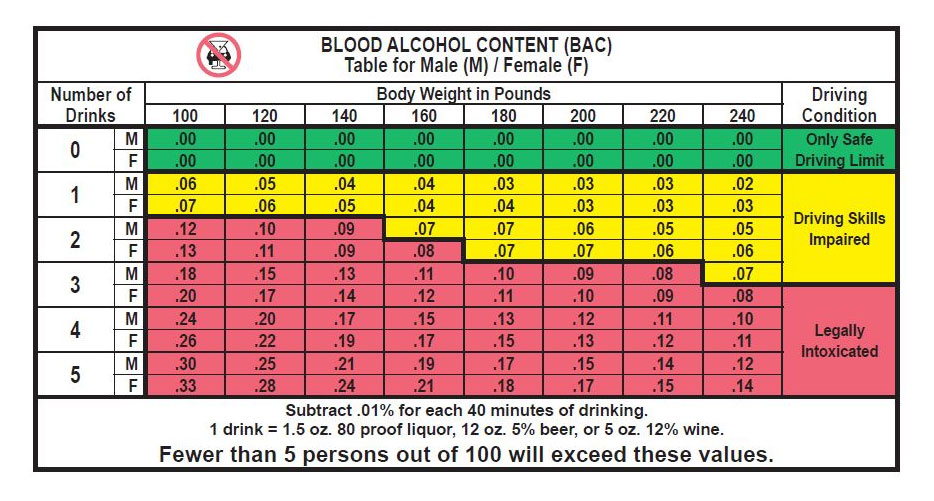
For many visitors, part of the travel experience involves enjoying local beverages, be it a craft beer in a trendy brewery, a cocktail with a view, or a wine tasting in the picturesque Napa Valley. While indulging in these experiences, it’s crucial to be aware of the laws governing alcohol consumption, especially when it comes to driving. California has stringent laws regarding driving under the influence (DUI) to ensure public safety, and these laws apply equally to residents and tourists alike. A momentary lapse in judgment can lead to severe legal and financial repercussions, turning a dream vacation into a nightmare. Therefore, understanding the basics of blood alcohol content (BAC) limits and other alcohol-related statutes is not just good practice—it’s a necessity for any responsible traveler.
Understanding California’s DUI Laws: A Tourist’s Essential Guide
California’s laws concerning driving under the influence are designed to deter impaired driving and keep its roads safe. As a tourist, familiarity with these regulations is crucial, particularly if you plan on renting a car to explore the state’s diverse landscapes. The legal framework surrounding DUIs is comprehensive, covering various scenarios and driver categories.
The Standard BAC Limit: .08% for Most Drivers
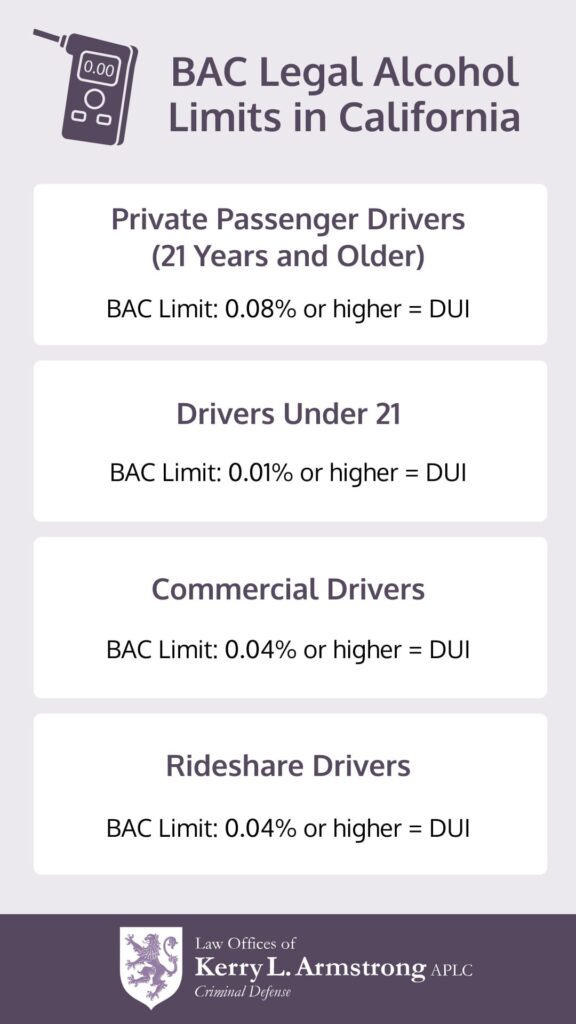
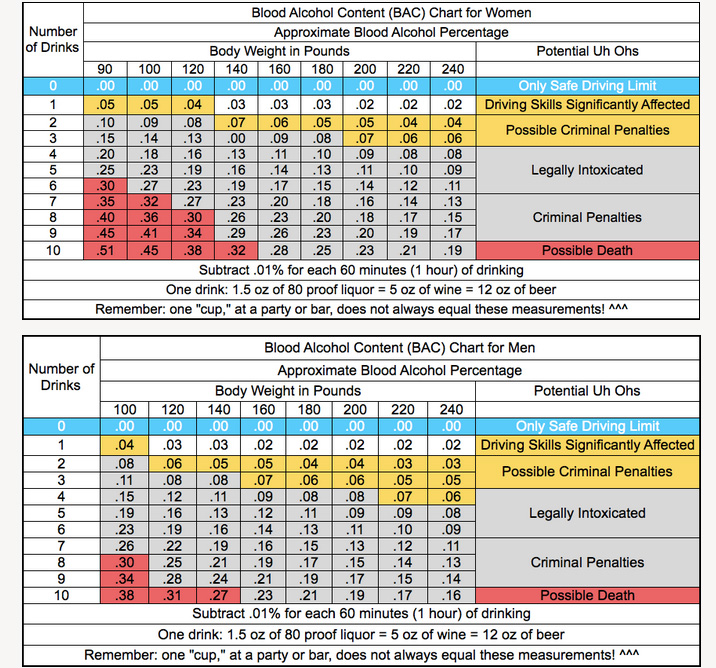
The most commonly cited legal limit for alcohol in California, and indeed across most of the United States, is a blood alcohol content (BAC) of 0.08%. This means that if you are 21 years of age or older and operating a non-commercial vehicle, your BAC must be below 0.08% to legally drive. A BAC of 0.08% or higher is considered per se illegal, meaning law enforcement does not need to prove impairment; the BAC level itself is sufficient evidence for a DUI charge. It’s important to remember that alcohol affects individuals differently based on factors such as weight, gender, metabolism, and the amount of food consumed. What might be acceptable for one person could push another over the legal limit. Therefore, responsible consumption and planning are always the best approach. Even if your BAC is below 0.08%, you can still be charged with a DUI if law enforcement observes signs of impairment affecting your ability to drive safely. This “driving while impaired” clause ensures that any level of alcohol that affects your driving capabilities can lead to a charge, regardless of the precise BAC reading.
Special Considerations: Commercial and Underage Drivers
California implements stricter BAC limits for certain categories of drivers to enhance public safety. For individuals holding a commercial driver’s license (CDL), the legal BAC limit is significantly lower, set at 0.04%. This applies when operating a commercial vehicle, such as a large truck, bus, or taxi. The rationale behind this stricter limit is the increased responsibility and potential for harm associated with operating commercial vehicles. Commercial drivers are held to a higher standard, reflecting the potential catastrophic consequences of impaired driving in such capacities.
Furthermore, California has a “Zero Tolerance” law for underage drivers, meaning anyone under the age of 21. For these drivers, the legal BAC limit is a mere 0.01% or higher. This incredibly low threshold effectively means that any detectable amount of alcohol in an underage driver’s system can lead to a DUI charge. This stringent policy underscores the state’s commitment to preventing underage drinking and driving, recognizing the increased risks associated with young, inexperienced drivers consuming alcohol. As a tourist traveling with younger family members or friends, it’s vital that they are aware of these strict rules if they plan to drive in California.
Beyond the Wheel: The Impact of Alcohol on Driving Privileges
It’s not just about the BAC limit; California’s DUI laws also consider the effects of alcohol on driving ability. Even if your BAC is below 0.08% (or 0.04% for commercial drivers, 0.01% for underage drivers), you can still be arrested and charged with a DUI if an officer determines that you are impaired to the point where you cannot safely operate a vehicle. This determination is often based on observations of erratic driving, slurred speech, poor coordination during field sobriety tests, and other indicators of intoxication.
For tourists, it’s also important to understand the concept of implied consent. By driving on California roads, you implicitly consent to chemical testing (breath, blood, or urine) if arrested on suspicion of DUI. Refusal to submit to a chemical test can lead to automatic penalties, including license suspension, even if you are not ultimately convicted of DUI. For out-of-state drivers, this can have significant implications for their driving privileges back home.
Beyond Driving: Navigating Alcohol Consumption in Public Spaces
While DUI laws are often the primary concern for travelers, California also has specific regulations governing alcohol consumption in public, designed to maintain public order and safety. Understanding these can help tourists avoid inadvertent legal issues during their sightseeing and recreational activities.
Open Container Laws: What You Need to Know
California has strict open container laws, particularly concerning vehicles. It is illegal for any person to have an open container of an alcoholic beverage in a vehicle, whether it’s being driven or parked, on any public highway or street. This applies to both the driver and passengers. An “open container” is defined as any container of alcohol that has been opened, has a broken seal, or from which some of the contents have been removed. This means that if you buy a bottle of wine or spirits, ensure it remains sealed and ideally stored in the trunk of your car, not within the passenger compartment. There are exceptions for passengers in for-hire vehicles like taxis, limousines, or ride-share services, provided the alcohol is in a part of the vehicle not normally occupied by the driver.
Beyond vehicles, consuming alcohol in public places is generally prohibited in most parts of California unless specifically allowed by local ordinance or a permit. This means you typically cannot walk down a street with an open beer, drink alcohol in parks, or on beaches. While some cities or specific areas might have designated zones for alcohol consumption, these are exceptions rather than the rule. Always look for signage or inquire with local authorities if you’re unsure about the regulations in a particular public space. Many popular tourist spots, such as beaches in Santa Monica or public squares in San Francisco, strictly enforce these open container laws.
Public Intoxication: Staying on the Right Side of the Law
While enjoying a few drinks is part of many vacations, it’s critical to understand the concept of public intoxication in California. Penal Code Section 647(f) makes it illegal to be found in any public place under the influence of alcohol and/or drugs to the extent that you are unable to exercise care for your own safety or the safety of others, or that you obstruct a public way. This law isn’t just about being drunk; it’s about being so impaired that you pose a risk or disruption.
For tourists, this means that even if you’re not driving, becoming overly intoxicated in public can lead to an arrest. While the primary goal of law enforcement might be to ensure your safety and that of others, an arrest for public intoxication can result in a night in jail, fines, and a criminal record, which can significantly derail your travel plans. It’s important to know your limits and consume alcohol responsibly, especially in unfamiliar surroundings. Being aware of this law ensures that your enjoyment of California’s nightlife and social scene remains within legal bounds.
Underage Drinking: Strict Enforcement for Minors
California maintains a strict legal drinking age of 21. It is illegal for anyone under 21 to purchase, possess, or consume alcoholic beverages. This law is rigorously enforced, and there are severe penalties for violations, both for the underage individual and for anyone who furnishes alcohol to them.
For tourists traveling with family, it’s crucial to impress upon younger members the importance of adhering to these laws. Attempting to use a fake ID, trying to purchase alcohol when underage, or consuming alcohol in public or private if under 21 can lead to fines, community service, and suspension of driving privileges (even for out-of-state minors). Furthermore, parents or guardians who knowingly allow underage drinking on their property or in their presence can also face legal consequences under social host liability laws. These measures are in place to protect minors and the broader community, and tourists should be fully compliant to avoid any legal entanglements.
Enjoying California’s Alcoholic Beverages Responsibly
California is a global leader in beverage production, particularly known for its wine and craft beer industries. Enjoying these offerings responsibly is key to a fulfilling and legal travel experience.
Wineries and Breweries: Savoring California’s Best Safely
The state’s wine regions, like Napa Valley and Sonoma Valley, are major tourist attractions, offering exquisite tasting experiences. Similarly, craft breweries across cities like San Diego and Los Angeles attract beer enthusiasts. While these tours are designed for enjoyment, it’s easy to lose track of consumption when sampling multiple varieties. Many wineries and breweries offer designated driver programs, provide water, and often have food options to help manage alcohol intake. It is highly advisable to designate a sober driver if you plan to visit multiple establishments. Alternatively, consider booking a guided tour that includes transportation, allowing everyone in your group to partake without worrying about driving. Many tour operators specialize in wine country or brewery tours and handle all the logistics, including safe transport.
Purchasing and Serving Alcohol: Key Regulations
Tourists should also be aware of the laws surrounding the purchase and sale of alcohol. The legal age to purchase alcohol in California is 21, and businesses are required to check ID if there’s any doubt about a customer’s age. Most grocery stores, liquor stores, and convenience stores sell alcohol, but their hours of sale are regulated. Generally, alcohol can be sold from 6:00 AM to 2:00 AM, seven days a week. This applies to both off-sale (for consumption elsewhere) and on-sale (bars, restaurants) establishments. However, individual counties or cities may have more restrictive hours, so it’s always good to be mindful of closing times, especially if you’re planning a late-night purchase. Bartenders and servers are also legally obligated not to serve visibly intoxicated patrons, and doing so can result in penalties for the establishment.
Smart Transportation: Alternatives to Driving
Given the strict DUI laws and the emphasis on public safety, planning your transportation is paramount when consuming alcohol in California. Fortunately, many of its major tourist destinations offer excellent alternatives to driving. Ride-sharing services like Uber and Lyft are widely available in cities such as Los Angeles, San Francisco, and San Diego, providing a convenient and safe way to travel after drinking. Public transportation systems, including metro lines, buses, and cable cars, also serve many urban areas, though their operational hours might be more limited. Taxis are another reliable option. Always factor in transportation costs and availability when planning your evenings out, ensuring that you and your companions can return to your accommodation safely and legally. Pre-booking transport or having ride-share apps ready on your phone can save you stress and potential legal issues.
The Serious Consequences of Alcohol-Related Offenses
Understanding California’s alcohol laws isn’t just about avoiding minor inconveniences; it’s about preventing severe legal, financial, and personal repercussions that can significantly impact your travels and future.
Penalties for DUI: Fines, Jail Time, and License Suspension
A DUI conviction in California carries substantial penalties, even for a first offense. These typically include hefty fines (which can range from hundreds to thousands of dollars when all associated fees and assessments are included), mandatory attendance at an alcohol education program, and often a period of probation. In some cases, jail time is also a possibility, even for a first-time misdemeanor DUI. For out-of-state drivers, a California DUI conviction can lead to the suspension of your driving privileges in California, and critically, this conviction is often reported to your home state’s Department of Motor Vehicles (DMV), potentially resulting in license suspension or revocation in your home state as well. This can complicate your ability to drive long after your trip to California has ended.
Beyond the immediate penalties, a DUI conviction remains on your criminal record, potentially affecting future employment, insurance rates, and even international travel. These consequences far outweigh the temporary enjoyment of a few extra drinks.
The Broader Impact on Your Travel Experience
Beyond the legal ramifications, an alcohol-related offense can completely disrupt and ruin your vacation. An arrest means time spent in police custody, potentially missing flights, tours, or reservations. You would likely incur significant legal fees to secure representation, which can quickly deplete your travel budget. Furthermore, the stress and anxiety associated with navigating a foreign legal system can overshadow all the positive experiences you hoped to have in California. For tourists on a visa, certain convictions could also impact future travel eligibility to the United States. The goal of any trip is to create lasting positive memories, and adhering to local laws, especially concerning alcohol, is the simplest way to ensure your California adventure remains a happy one.
In conclusion, while California offers an incredible array of experiences, from its serene natural beauty to its bustling urban centers, enjoying them responsibly means understanding and respecting its laws. By being mindful of alcohol limits, public consumption rules, and the importance of sober driving, tourists can ensure their visit is not only memorable but also safe and legally sound. Cheers to a fantastic and responsible trip!
LifeOutOfTheBox is a participant in the Amazon Services LLC Associates Program, an affiliate advertising program designed to provide a means for sites to earn advertising fees by advertising and linking to Amazon.com. Amazon, the Amazon logo, AmazonSupply, and the AmazonSupply logo are trademarks of Amazon.com, Inc. or its affiliates. As an Amazon Associate we earn affiliate commissions from qualifying purchases.