
Florida, widely known as the Sunshine State, often conjures images of endless summer, sun-drenched beaches, and balmy breezes. This reputation makes it a premier destination for travel year-round, particularly for those escaping colder climes. However, even the warmest regions experience fluctuations, and understanding the potential for cooler temperatures is crucial for any discerning traveler planning their itinerary. While extreme cold is rare, Florida does experience winter, and sometimes, a significant chill can descend upon its various regions, impacting travel experiences and activities.
Unpacking Florida’s Infrequent Cold Snaps
The perception of Florida as perpetually warm is largely accurate for a significant portion of the year, especially in its southern reaches. Yet, the state is not immune to the cold. The lowest temperatures typically occur between December and February, when cold fronts can push south from the continental United States. These cold snaps are often short-lived, with temperatures usually rebounding quickly. However, they can bring freezing conditions, particularly to the northern and central parts of the state.
Record-Breaking Chill: Historic Lows
Historically, Florida has seen some remarkably cold temperatures, challenging its sunny disposition. The all-time lowest temperature recorded in Florida was a frigid -2°F (-19°C) in Tallahassee, the state capital, on February 13, 1899. This extraordinary event was part of a severe cold wave that swept across much of North America. While such extreme lows are highly unusual and unlikely to be encountered by the average traveler today, they serve as a historical benchmark illustrating the state’s capacity for cold.
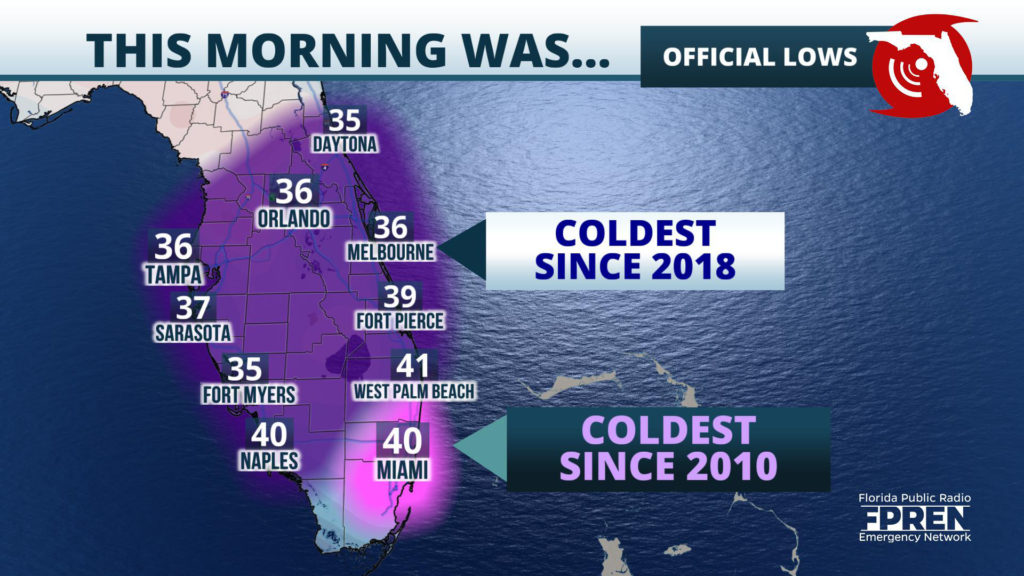
More recently, and more relevant to contemporary travel planning, are the occasional hard freezes that can occur. For instance, Orlando, a major travel hub, has seen temperatures dip into the low 20s°F (-6°C) during severe winter fronts. Even Miami, known for its tropical warmth, has recorded temperatures in the low 20s°F historically, though sub-freezing temperatures are exceptionally rare in South Florida in modern times. Understanding these historical possibilities helps contextualize the advice for winter travel to the region.
Geographical Variations in Winter Weather
The vast geographical span of Florida means that “lowest temperature” can vary significantly depending on the region.
- North Florida, encompassing cities like Jacksonville, Gainesville, and Tallahassee, experiences the most pronounced winter weather. It’s not uncommon for temperatures to drop into the 20s and 30s°F (-7 to 0°C) during winter nights, with occasional freezes and even rare instances of sleet or snow. Travelers to this region in winter should be prepared for genuinely cold conditions, especially during mornings and evenings.
- Central Florida, home to Orlando and Tampa, enjoys milder winters but is still susceptible to cold fronts. While daytime temperatures often remain pleasant, nighttime lows can easily dip into the 30s and 40s°F (0 to 10°C). Freezing temperatures are less frequent than in the north but can occur, particularly in outlying areas.
- South Florida, including Miami, Fort Lauderdale, and the Florida Keys, boasts the most consistent warmth. Winter lows typically hover in the 50s and 60s°F (10 to 18°C), making it a genuinely appealing escape from winter. Freezing temperatures are extraordinarily rare, with Key West famously never having recorded a freeze. Even during cold snaps affecting the rest of the state, South Florida generally remains mild and sunny, albeit with cooler breezes.
The Impact of Cooler Temperatures on Florida Travel
When a cold front descends upon Florida, it can subtly, and sometimes significantly, alter the typical travel experience. This is especially true for visitors expecting continuous warmth.
Adapting Theme Park Adventures
For many, Florida means theme parks. Destinations like Walt Disney World Resort and Universal Orlando Resort in Orlando are year-round attractions. During cooler periods, especially in January and February, temperatures can drop low enough to make outdoor activities less comfortable. Some water rides may close for safety or comfort, and character meet-and-greets might move indoors. However, cooler weather also brings advantages: lower crowd levels, comfortable walking temperatures, and a respite from the intense summer heat and humidity. Families planning a winter visit to Orlando should factor in layers of clothing and perhaps even jackets, hats, and gloves for early mornings and late evenings. The key is adaptability and checking local forecasts.

Coastal Escapes and Cooler Breezes
Florida’s renowned beaches, stretching along the Gulf Coast and Atlantic Coast, remain popular during winter. While South Florida’s beaches, like those in Miami Beach or South Beach, are often warm enough for sunbathing even in January, a strong cold front can bring blustery winds and temperatures that make swimming less appealing. Further north, along the Panhandle or near St. Augustine, winter beach days are more about long walks, shell collecting, and enjoying the serene coastal landscape rather than swimming. Surfers, however, might find favorable conditions with certain cold fronts. Travelers should pack versatile beachwear alongside warmer layers if they plan to enjoy the coast during winter.
Wildlife and Nature in the Chill
Florida’s diverse ecosystems, from the Everglades National Park to its many springs and forests, offer unique experiences. Cooler temperatures can significantly influence wildlife viewing. For instance, manatees, gentle giants of Florida’s waterways, seek refuge in warm spring-fed rivers when Gulf of Mexico and Atlantic waters cool below 68°F (20°C). This makes winter the absolute best time for manatee viewing at places like Blue Spring State Park or Crystal River. Conversely, some reptiles, like alligators, become less active in cold weather, though they can still be spotted basking in the sun. Hiking and exploring natural parks such as the Everglades, Big Cypress National Preserve, or Ocala National Forest become much more pleasant without the intense summer heat and humidity, and with fewer insects.
Preparing for a Florida Winter Trip
Despite the occasional dip in temperature, Florida remains an excellent winter travel destination. The key is to be prepared for varying conditions.
Essential Packing for All Seasons
Packing smart is paramount. Even if planning a trip during December, January, or February, it’s wise to bring items suitable for both warm and potentially cool weather.
- Layers are key: Pack light t-shirts, long-sleeved shirts, sweaters or fleeces, and a medium-weight jacket. A waterproof or windproof outer layer is also advisable, especially for coastal areas or during unexpected rain.
- Footwear: Comfortable walking shoes are essential for theme parks or nature trails. Sandals are great for warmer days, but closed-toe shoes will be appreciated during cooler mornings or evenings.
- Accessories: A hat, gloves, and a scarf might seem counterintuitive for Florida, but for mornings when temperatures can be in the 30s or 40s°F (0-10°C), especially in North or Central Florida, they can make a significant difference in comfort.
- Sun protection: Even on cooler days, the Florida sun can be intense. Sunscreen, sunglasses, and a wide-brimmed hat are still recommended.
Alternative Activities for Cooler Days
Should a cold front coincide with your visit, there are plenty of indoor and sheltered activities to enjoy.
- Museums and Galleries: Florida boasts a wealth of cultural institutions, from the Salvador Dalí Museum in St. Petersburg to the Pérez Art Museum Miami and the Kennedy Space Center Visitor Complex.
- Shopping: The state offers numerous indoor shopping malls and outlet centers, perfect for a chilly afternoon.
- Aquariums and Indoor Zoos: Places like the Florida Aquarium in Tampa or the various indoor exhibits at zoos provide warm, engaging experiences.
- Dining: Florida’s culinary scene is vibrant and diverse, offering everything from fine dining to casual eateries. Cozy up in a restaurant and enjoy local flavors.
- Performing Arts: Check local listings for concerts, theater productions, and live shows happening in cities across the state.
Dispelling the Sunshine State Myth: A Balanced View
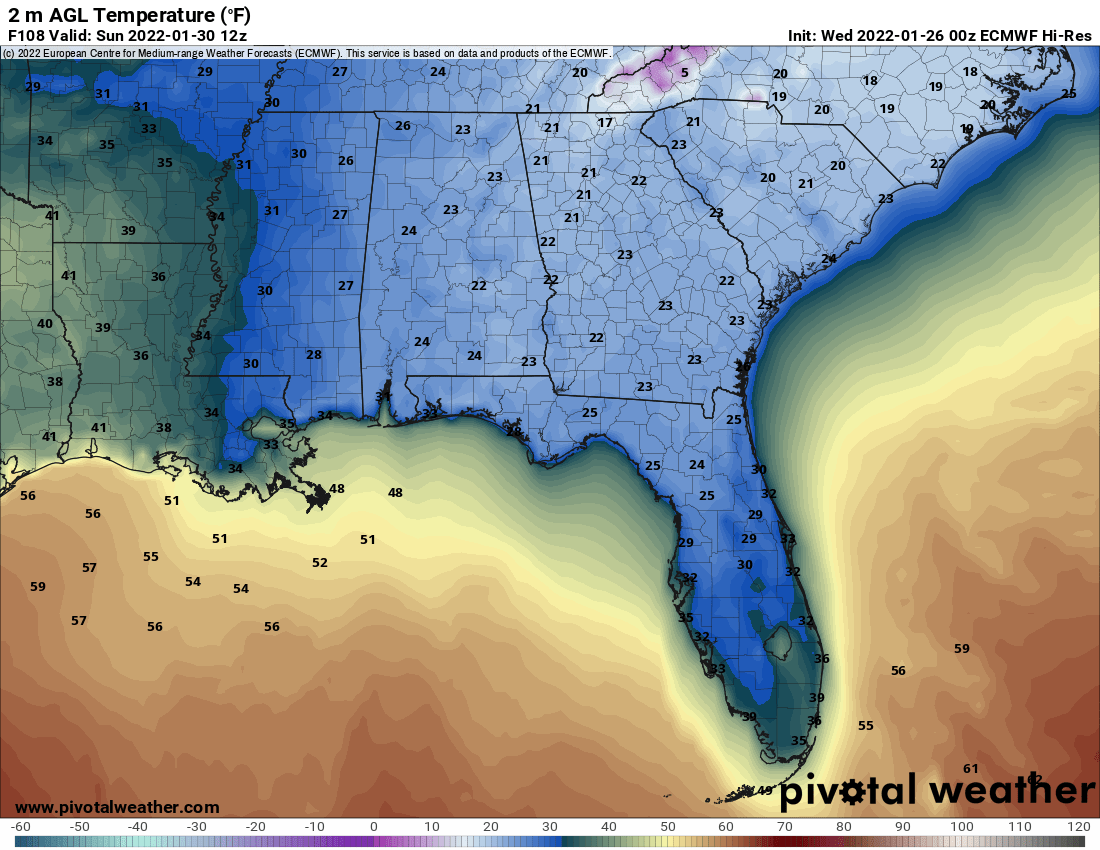
While Florida’s reputation as a warm-weather haven is largely deserved, especially when compared to most of the United States during winter, it’s not entirely immune to cold. The lowest temperatures recorded reflect exceptional historical events, but more moderate cold snaps are a predictable part of its winter season, particularly in the northern and central regions.
For travelers, this means a dynamic and versatile destination. Winter in Florida often offers delightfully mild and sunny days perfect for outdoor activities, juxtaposed with potentially crisp mornings and cool evenings. By understanding the regional variations and preparing for a range of temperatures, visitors can fully enjoy the diverse experiences Florida offers, making it an ideal choice for a winter getaway that balances warmth with comfortable exploration.
LifeOutOfTheBox is a participant in the Amazon Services LLC Associates Program, an affiliate advertising program designed to provide a means for sites to earn advertising fees by advertising and linking to Amazon.com. Amazon, the Amazon logo, AmazonSupply, and the AmazonSupply logo are trademarks of Amazon.com, Inc. or its affiliates. As an Amazon Associate we earn affiliate commissions from qualifying purchases.