
Understanding the economic landscape of any region is crucial for both its residents and those planning to visit. In California, a state renowned for its innovation, culture, and high cost of living, changes to the minimum wage carry significant weight, directly influencing the lifestyle choices, spending power, and overall economic health of millions. For anyone living, working, or even contemplating a budget-conscious trip through the Golden State, knowing when and how these wage adjustments occur is essential for effective financial planning and maximizing value.
Understanding California’s Minimum Wage Landscape
California has long been at the forefront of progressive labor policies, and its approach to the minimum wage is no exception. The state operates under a tiered system that includes both a statewide minimum wage and often higher local minimum wages established by individual cities and counties. This multi-layered structure means that the “when” and “how much” of a minimum wage increase can vary significantly depending on one’s specific location within California.

The Statewide Mandate and Annual Adjustments
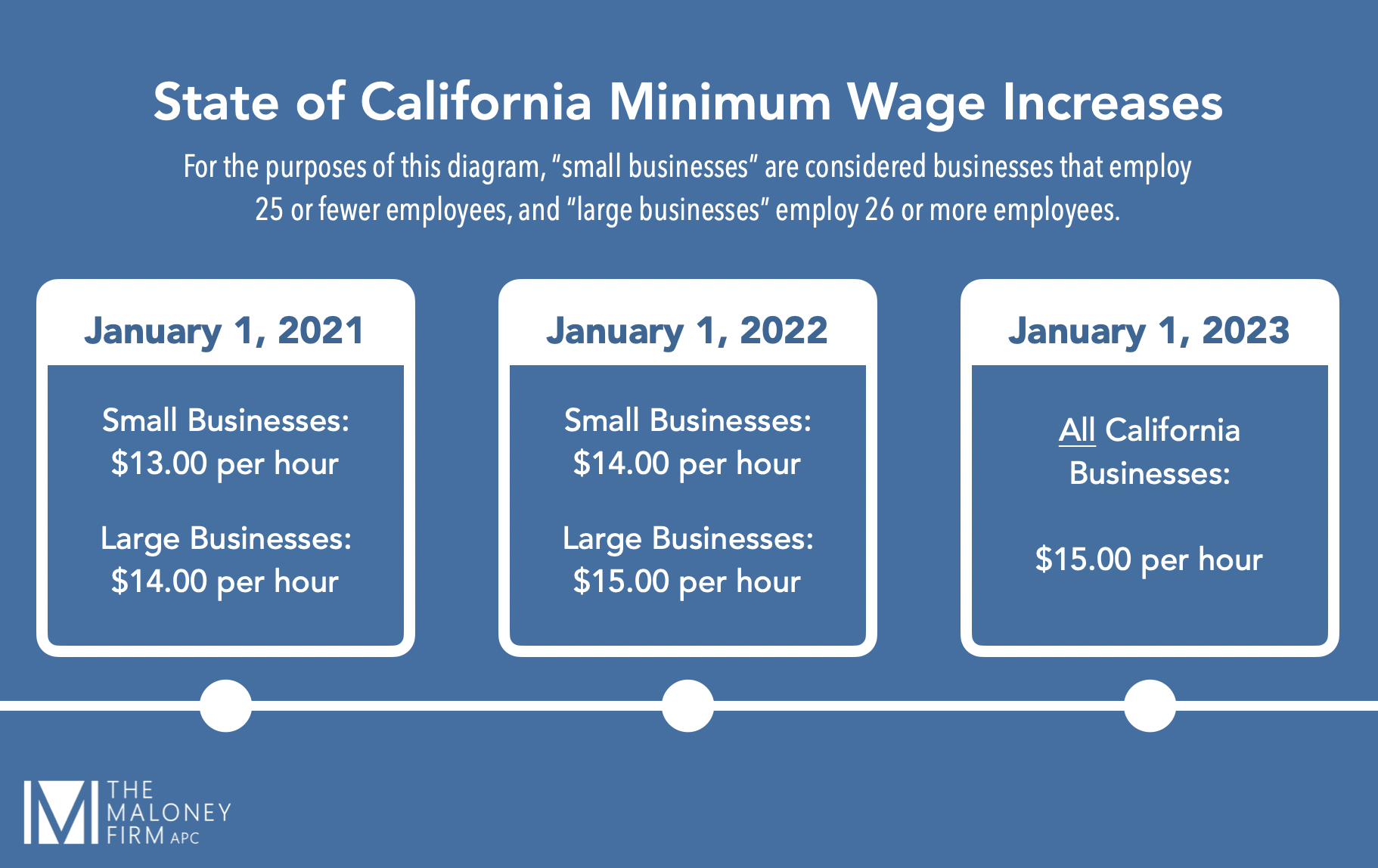
Historically, California’s statewide minimum wage has been on a scheduled upward trajectory. Legislation enacted years ago set a path for gradual increases, designed to reach a certain threshold over time and then be subject to annual adjustments based on inflation. Typically, these statewide increases take effect on January 1st of each year. The exact percentage or dollar amount of the increase for any given year is usually announced well in advance, often in the latter half of the preceding year, allowing businesses and employees time to prepare. These adjustments are usually tied to the California Consumer Price Index for Urban Wage Earners and Clerical Employees, ensuring that the minimum wage keeps pace, to some extent, with the rising cost of living. Employers in California are legally bound to pay no less than this statewide minimum, regardless of their location, unless a local ordinance dictates an even higher rate.
The Influence of Local Ordinances: Cities Leading the Way
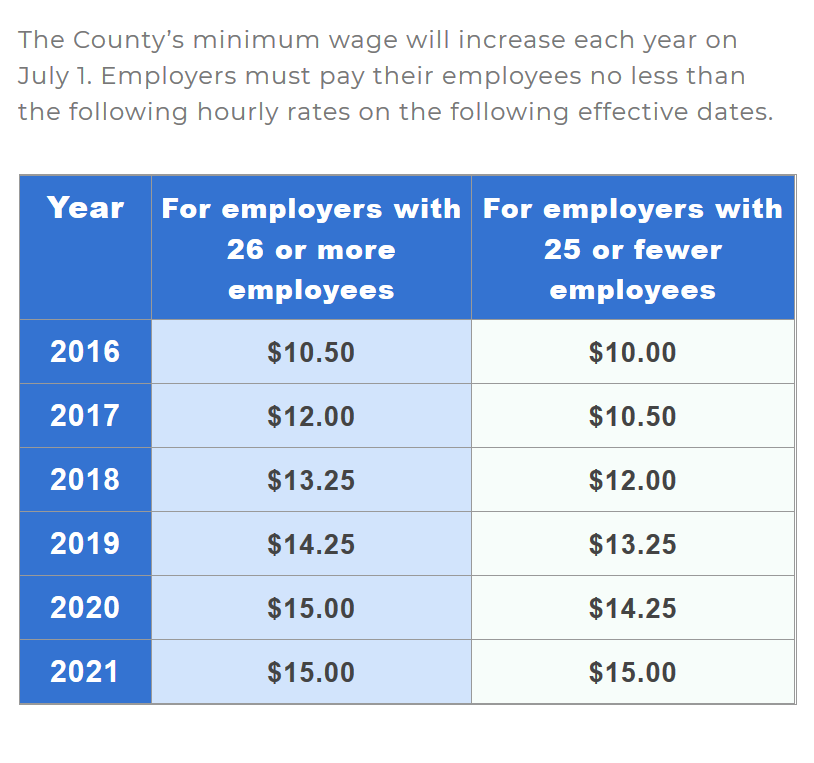
While the statewide minimum wage provides a baseline, many cities and counties across California have implemented their own minimum wage ordinances that surpass the state’s requirement. These local increases are often driven by the even higher cost of living prevalent in specific metropolitan areas. For instance, cities like San Francisco, Los Angeles, Oakland, and San Jose have historically enacted some of the nation’s highest minimum wages. The effective dates for these local increases can also vary, though many align with the statewide January 1st schedule, others might implement changes on July 1st or at other times throughout the year. It is imperative for businesses and workers in these areas to be aware of the specific regulations of their locale, as the higher of the state or local minimum wage always applies. This patchwork of regulations adds a layer of complexity but reflects a localized response to economic pressures.
The Impact on Daily Life and Spending Power for Californians
The periodic adjustments to California’s minimum wage are not merely bureaucratic changes; they have tangible effects on the daily lives and financial health of millions of residents. These impacts ripple through various aspects of lifestyle, from basic necessities to discretionary spending.
Cost of Living Considerations
For many minimum wage earners in California, an increase in hourly pay can provide much-needed relief in a state where the cost of living consistently ranks among the highest in the United States. Housing, in particular, consumes a significant portion of income, especially in major metropolitan areas such as Los Angeles, San Diego, and the San Francisco Bay Area. While a minimum wage hike might not fully bridge the gap for soaring rents, it can contribute to a greater ability to cover other essential expenses, including groceries, utilities, and transportation. Families might find themselves with slightly more breathing room, potentially reducing the need to work multiple jobs or rely on public assistance programs. Conversely, businesses facing higher labor costs may pass some of these increases onto consumers through higher prices, creating a dynamic where the benefits of a wage hike can be partially offset by rising costs for goods and services.
Disposable Income and Lifestyle Choices
A fundamental aspect of lifestyle is the ability to make choices beyond mere survival. An increase in disposable income, even a modest one, can significantly impact an individual’s or family’s lifestyle. For minimum wage earners, this might mean the ability to afford healthier food options, invest in public transportation passes rather than walking long distances, or save for educational opportunities. Beyond necessities, increased disposable income can open doors to leisure activities previously out of reach. This could include enjoying a meal at a local restaurant, visiting a nearby museum, attending a concert, or taking a short weekend trip to a California attraction like a state park or a coastal town. These small luxuries contribute to improved quality of life, stress reduction, and greater engagement with local communities and culture, fostering a more vibrant lifestyle.
Economic Ripple Effects
The economic impact extends beyond individual households. Businesses, particularly those in the service and retail sectors that employ a large number of minimum wage workers, must adapt. This adaptation can manifest in various ways: increased efficiency through technology, adjustments to staffing levels, or, as mentioned, price increases. For small businesses, navigating these changes can be particularly challenging, requiring careful budgeting and strategic planning. However, proponents argue that higher wages can lead to increased employee morale, reduced turnover, and a stronger local economy driven by increased consumer spending. A healthier consumer base, with more money to spend, can stimulate local demand, benefiting a wide array of businesses and contributing to a more robust economic ecosystem that ultimately supports a higher quality of life for all residents.
Implications for Budget Travelers and Visitors to California
California’s allure as a tourist destination is undeniable, but its reputation for being an expensive place to visit is also well-known. Minimum wage increases, while beneficial for local workers, have direct and indirect implications for budget travelers planning their next Golden State adventure.
Service Industry Costs
When minimum wages rise, businesses in the hospitality and tourism sectors, such as hotels, restaurants, cafes, and attractions, face increased labor costs. These costs are often reflected in the prices consumers pay. This means that a meal at a popular Los Angeles eatery, a night’s stay at a boutique hotel in Napa Valley, or even the price of a souvenir in San Francisco might be slightly higher than in regions with lower minimum wages. Travelers accustomed to more budget-friendly destinations might find themselves adjusting their expectations and budgets accordingly. It’s not just the direct cost of a service; the overall pricing structure across the state tends to be elevated due to these underlying economic factors.
Planning Your California Trip Budget
For the budget-conscious traveler, understanding these economic realities is paramount. It necessitates a more strategic approach to trip planning. Instead of being deterred, visitors can employ smart tactics:
- Off-Season Travel: Visiting during shoulder seasons (spring or fall) often yields lower prices for flights and accommodations.
- Alternative Accommodation: Exploring options beyond traditional hotels, such as vacation rentals, hostels, or even camping in California’s stunning state and national parks, can significantly cut costs.
- Savvy Dining: Balancing fine dining experiences with more affordable options like food trucks, local markets, or preparing some meals in accommodations with kitchenettes.
- Free Attractions: California boasts an incredible array of free attractions, from its pristine beaches and national forests to iconic landmarks like the Golden Gate Bridge and many urban parks. Prioritizing these can lead to rich experiences without breaking the bank.
- Public Transportation: Utilizing robust public transport systems in cities like San Francisco and Los Angeles can reduce expensive rental car and parking fees.
These strategies allow travelers to experience the best of California without being disproportionately affected by the state’s higher cost structure, which is partially influenced by its minimum wage policies.
The Value Proposition of California Experiences
While higher minimum wages may contribute to higher costs, they are also intended to foster a higher quality of service and a more stable workforce in the hospitality sector. This means that visitors might experience better-trained staff, more attentive service, and generally a more professional and pleasant interaction across various touchpoints of their journey. The value proposition for a California experience, therefore, isn’t just about the scenic beauty or iconic attractions; it also encompasses the quality of human interaction and service, which is indirectly supported by these wage policies. For many, the enhanced experience justifies the potentially higher price point, contributing to a truly memorable and satisfying visit.
Navigating the Future: Adapting to California’s Evolving Economy
California’s economic landscape is dynamic, constantly evolving in response to legislative actions, market forces, and global trends. The minimum wage, as a core component of this landscape, will continue to play a significant role in shaping the daily lives of its residents and the experiences of its visitors.
Staying informed about when minimum wage increases occur, both at the state and local levels, is paramount for financial literacy and planning. Residents should regularly consult resources from the California Department of Industrial Relations (DIR) and their local city/county labor departments for the most up-to-date figures and effective dates. For travelers, incorporating this economic awareness into trip planning allows for a more realistic budget and helps in making informed decisions about accommodation, dining, and activities.
Ultimately, California’s commitment to a higher minimum wage reflects a broader societal value placed on fair compensation and a sustainable quality of life for its workforce. While this comes with certain economic adjustments for businesses and consumers alike, it is an integral part of the lifestyle and economic identity of the Golden State. Adapting to and understanding these changes is key to thriving within or fully enjoying all that California has to offer.
LifeOutOfTheBox is a participant in the Amazon Services LLC Associates Program, an affiliate advertising program designed to provide a means for sites to earn advertising fees by advertising and linking to Amazon.com. Amazon, the Amazon logo, AmazonSupply, and the AmazonSupply logo are trademarks of Amazon.com, Inc. or its affiliates. As an Amazon Associate we earn affiliate commissions from qualifying purchases.