
Understanding [Arizona]’s Wage Landscape
The financial bedrock for many individuals living or considering a move to Arizona is the state’s minimum wage. For 2024, the minimum wage in [Arizona] is set at $14.35 per hour. This figure, a crucial component of the state’s economic framework, is determined annually by the Arizona Industrial Commission in accordance with Proposition 206, the Fair Wages and Healthy Families Act, passed by voters in 2016. This act mandates annual adjustments based on the cost of living, specifically tied to the Consumer Price Index for All Urban Consumers (CPI-U) for the Western Region. This mechanism ensures that the minimum wage keeps pace, to some extent, with inflation, providing a more stable economic environment for workers.

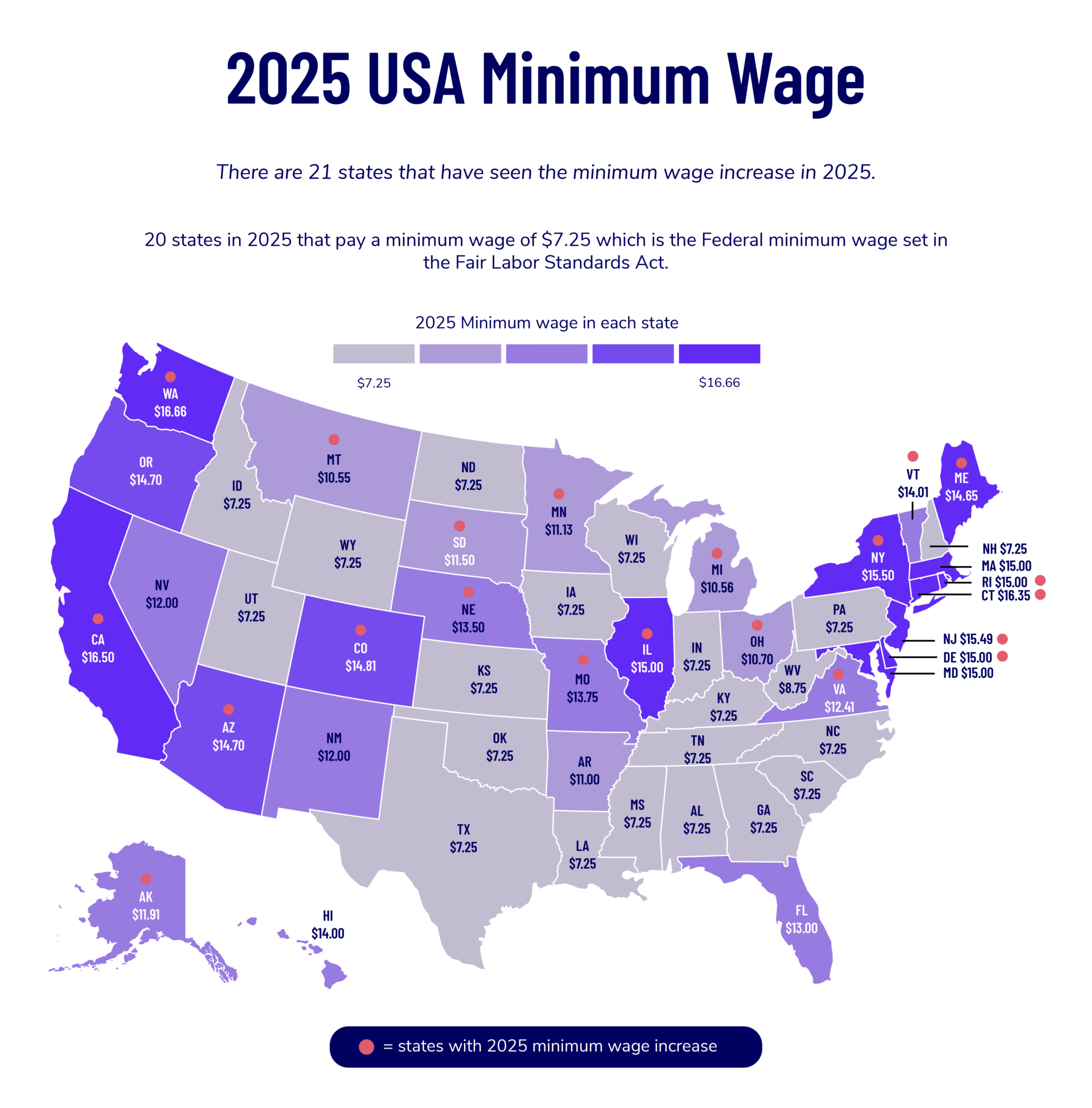
Unlike the federal minimum wage, which has remained at $7.25 per hour since 2009, [Arizona]’s proactive approach reflects a commitment to a higher standard of living for its workforce. This significant difference highlights [Arizona]’s independent economic policy, positioning it among states with a more progressive minimum wage structure. It’s important to note that while the state minimum wage applies broadly, there are specific nuances. For instance, employees who customarily and regularly receive tips may have a lower direct wage from their employer, provided their total compensation, including tips, meets or exceeds the state minimum wage. In 2024, the minimum cash wage for tipped employees is $11.35 per hour, requiring tips to bring them up to at least $14.35 per hour. Furthermore, the city of Flagstaff maintains its own higher minimum wage, demonstrating a localized effort to address cost of living specific to its area. Understanding these distinctions is paramount for anyone planning their lifestyle or employment within the Grand Canyon State, whether as a long-term resident, a seasonal worker, or a budget-conscious traveler exploring extended stays.
Impact on Cost of Living and Budgeting in [Arizona]
The minimum wage in [Arizona] directly influences the financial feasibility of various lifestyles, from daily routines for residents to extended stays for visitors. A clear understanding of this wage and its relation to local expenses is crucial for effective budgeting and financial planning, especially when considering the significant geographical diversity within the state.
Daily Expenses for Residents and Long-Term Visitors
For individuals earning the minimum wage, or for those whose budget aligns with such income levels, daily expenses in [Arizona] require meticulous planning. While the state minimum wage is uniform across most of [Arizona], the cost of living can vary dramatically between its bustling metropolitan centers and its more rural communities. In major cities like Phoenix and Tucson, the cost of housing stands out as a primary expenditure. A modest one-bedroom apartment in [Phoenix] or [Tucson] can range significantly, often consuming a substantial portion of a minimum wage earner’s monthly income. Utilities, including electricity (especially crucial for air conditioning during the intense summer months), water, and internet, add another layer of expense.
Groceries, transportation, and healthcare costs also contribute to the overall burden. While [Arizona] offers a diverse array of affordable grocery options, sustaining a healthy diet on a minimum wage requires careful meal planning and shopping strategies. Public transportation options are available in larger cities, but owning a vehicle often becomes a necessity for work commutes or exploring the state’s vast landscapes, adding costs for fuel, insurance, and maintenance. These essential expenditures collectively determine the disposable income available for other aspects of life, directly shaping the quality and scope of one’s lifestyle in [Arizona]. Consequently, someone earning the minimum wage will find their lifestyle choices, from housing location to leisure activities, largely dictated by these fundamental costs.
Budgeting for the [Arizona] Traveler
For the budget-conscious traveler or someone considering an extended visit to [Arizona], understanding the minimum wage context is invaluable, even if they aren’t directly earning it. It provides a benchmark for the general cost of services and the economic climate. For those who might consider working a temporary or seasonal job to support a longer stay, the minimum wage defines their earning potential. A budget traveler aiming for an extended stay in [Arizona] needs to factor in accommodation beyond typical short-term hotel rates. Options like extended-stay motels, hostels, or even shared housing through platforms can offer more economical choices but still require a significant portion of a minimum wage budget.
Food expenses can be managed by cooking some meals, utilizing grocery stores rather than solely relying on restaurants, especially in tourist-heavy areas where dining out can quickly deplete funds. Transportation costs should also be carefully considered; while public transport is available in cities, exploring natural attractions often necessitates a rental car, which adds a substantial daily expense. Understanding the minimum wage helps a traveler conceptualize the local economic reality, informing their spending habits and helping them decide how much daily expenditure is realistic. For instance, a daily minimum wage earning might cover a modest meal, basic transportation, and perhaps a small local activity, but not much more. This perspective is crucial for setting realistic expectations for experiences and discretionary spending, ensuring a fulfilling yet financially viable trip or long-term stay.
Minimum Wage and Its Influence on Lifestyle Choices
The minimum wage in [Arizona] is more than just a number; it is a powerful determinant of the lifestyle choices available to a significant portion of the population. It shapes everything from employment opportunities and economic mobility to the overall quality of life across various demographics within the state.
Employment Opportunities and Economic Mobility
The prevailing minimum wage significantly influences the landscape of employment opportunities in [Arizona], particularly for entry-level positions, seasonal workers, and those seeking to relocate for economic reasons. Industries such as hospitality, retail, and service sectors, which often form the backbone of a state’s tourism and local economy, typically offer a high number of minimum wage jobs. A higher minimum wage, as seen in [Arizona], can make these positions more attractive, drawing a larger pool of potential employees and potentially reducing turnover. For individuals considering a move to [Arizona] for work, understanding this wage sets clear expectations for their initial earning potential and the types of jobs they can realistically pursue. It affects decisions about relocation, as potential residents must weigh the minimum wage against the cost of establishing a new life in the state.
Moreover, the minimum wage plays a crucial role in economic mobility. While it provides a floor, it also defines the starting point for many careers. Individuals relying solely on minimum wage may find upward mobility challenging without additional education, training, or significant work experience. This creates a distinct lifestyle where budgeting is paramount, and opportunities for saving or investment might be limited. However, for those using minimum wage jobs as a stepping stone, perhaps to gain experience in a new industry or to support themselves while pursuing further studies, the [Arizona] minimum wage offers a more substantial foundation than the federal standard. This allows for a more stable, albeit modest, lifestyle while they work towards their long-term professional and financial goals.
Lifestyle Implications for Various Demographics
The implications of [Arizona]’s minimum wage extend deeply into the lifestyles of diverse demographic groups. For students, the minimum wage can dictate the balance between work and study. A higher wage means fewer hours might be needed to cover educational expenses or living costs, allowing more time for academics or personal development. This translates into a potentially less stressful student lifestyle. For retirees or individuals seeking a more affordable and relaxed lifestyle, the minimum wage can be a critical factor if they anticipate supplementing their income through part-time work. While not a primary income source for most retirees, even a few hours at the [Arizona] minimum wage can provide valuable discretionary income, enhancing their quality of life with extra funds for hobbies, travel, or dining.
The concept of a “living wage” often comes into play when discussing minimum wage. While [Arizona]’s minimum wage is considerably higher than the federal standard, it may still fall short of what is considered a true living wage in high-cost areas like [Phoenix] or Scottsdale. This gap influences lifestyle choices, pushing individuals to make sacrifices in housing, transportation, or leisure activities. Families, especially those with single earners, face significant challenges in meeting all needs on a minimum wage income, often leading to multi-generational households or multiple jobs—lifestyle adaptations aimed at financial survival. Conversely, the overall effect of a robust minimum wage can contribute to the vibrancy of local economies by increasing consumer spending power. This, in turn, supports local businesses and fosters a more dynamic community lifestyle, benefiting everyone indirectly through improved services and opportunities within [Arizona].
Resources and Further Considerations for [Arizona] Residents and Visitors
Navigating the financial landscape of [Arizona], whether as a resident, an aspiring long-term visitor, or a temporary worker, requires more than just knowing the minimum wage. It demands understanding your rights, proactive financial planning, and an awareness of the resources available to you. These considerations are vital for maintaining a stable and fulfilling lifestyle within the state.
Knowing Your Rights
For anyone working in [Arizona], or considering employment, understanding your rights regarding minimum wage is paramount. The Arizona Industrial Commission is the primary state agency responsible for overseeing and enforcing wage laws, including the minimum wage. Their website serves as a comprehensive resource for official information, detailed regulations, and answers to frequently asked questions. It outlines employer responsibilities, employee entitlements, and the procedures for filing a wage claim if an employer fails to comply with state law. The Arizona Department of Economic Security also offers valuable information and support related to employment, although the Industrial Commission is the direct authority for wage enforcement.
It is crucial for employees to keep accurate records of their hours worked, pay stubs, and any communication with their employer regarding wages. This documentation becomes invaluable if discrepancies arise or if a wage claim needs to be pursued. Being informed about stipulations for tipped employees, overtime rules, and any specific industry exemptions ensures that workers are fairly compensated. For those new to [Arizona] or contemplating temporary work, familiarizing themselves with these rights beforehand can prevent potential exploitation and ensure a more secure and equitable work experience, directly contributing to a less stressful and more stable lifestyle.
Financial Planning and Long-Term Outlook
Effective financial planning is indispensable for anyone living or planning an extended stay in [Arizona], especially when managing on a minimum wage income. Creating a detailed budget that accounts for all income and expenditures is the first critical step. This involves tracking daily expenses, setting realistic spending limits for discretionary items, and prioritizing essential costs like housing, utilities, and food. For those new to the state, researching the cost of living in specific [Arizona] cities, beyond just the statewide averages, can provide a more accurate picture of what to expect. For instance, while [Tucson] might offer a slightly lower cost of living than [Phoenix], both require careful financial management on a minimum wage.
Beyond immediate budgeting, considering long-term financial goals is also essential for shaping one’s lifestyle. Even on a minimum wage, exploring options for saving, building an emergency fund, and understanding basic investment principles can significantly enhance financial resilience. For those seeking career advancement, investing in education or skills training can lead to higher-paying jobs, transitioning away from minimum wage dependency and opening up more expansive lifestyle choices. Furthermore, staying informed about potential future adjustments to the minimum wage, which are annually assessed by the [Arizona Industrial Commission], is a smart practice. These annual changes can impact future budgets and financial planning, ensuring that individuals remain prepared for evolving economic conditions and can adapt their lifestyle choices accordingly within the dynamic landscape of [Arizona].
LifeOutOfTheBox is a participant in the Amazon Services LLC Associates Program, an affiliate advertising program designed to provide a means for sites to earn advertising fees by advertising and linking to Amazon.com. Amazon, the Amazon logo, AmazonSupply, and the AmazonSupply logo are trademarks of Amazon.com, Inc. or its affiliates. As an Amazon Associate we earn affiliate commissions from qualifying purchases.