
Los Angeles, often referred to as the City of Angels, is a sprawling metropolis renowned for its vibrant culture, iconic landmarks, and an allure that attracts millions of visitors and aspiring residents each year. From the glitz and glamour of Hollywood to the sun-drenched beaches of Santa Monica and the diverse culinary scene, LA offers an unparalleled array of experiences. However, beneath the city’s captivating facade lies a complex economic landscape, significantly shaped by its minimum wage policies. For anyone considering travel, tourism, or even a temporary stay in California‘s largest city, understanding the minimum wage is crucial. It not only impacts the lifestyle and cost of living for residents, but also subtly influences the prices of services, the quality of hospitality, and the overall economic vibrancy that fuels LA’s thriving industries, particularly those centered around tourism and accommodation. This article delves into the specifics of Los Angeles’ minimum wage, exploring its implications for workers, businesses, and visitors navigating this dynamic urban environment.
Understanding Los Angeles’s Minimum Wage Landscape
The minimum wage in Los Angeles is not a monolithic figure but rather a layered system influenced by state, county, and city ordinances. This multi-tiered approach reflects the varying economic conditions and political priorities across different jurisdictions within the greater LA area. For individuals working in industries vital to tourism, such as hotels, restaurants, and entertainment venues, understanding these distinctions is paramount, as their earnings directly impact their ability to afford life in this expensive, yet undeniably appealing, city.
The Current State: City, County, and State Standards
As of recent adjustments, the state of California has established a statewide minimum wage that applies to most employers. This baseline provides a floor for wages across all sectors, aiming to ensure a basic standard of living. However, both Los Angeles County and the City of Los Angeles have implemented their own, often higher, minimum wage ordinances.
For the State of California, the minimum wage has seen consistent increases over the past decade, reflecting a broader statewide effort to address income inequality and rising costs of living. This statewide rate is a critical starting point for all employers.
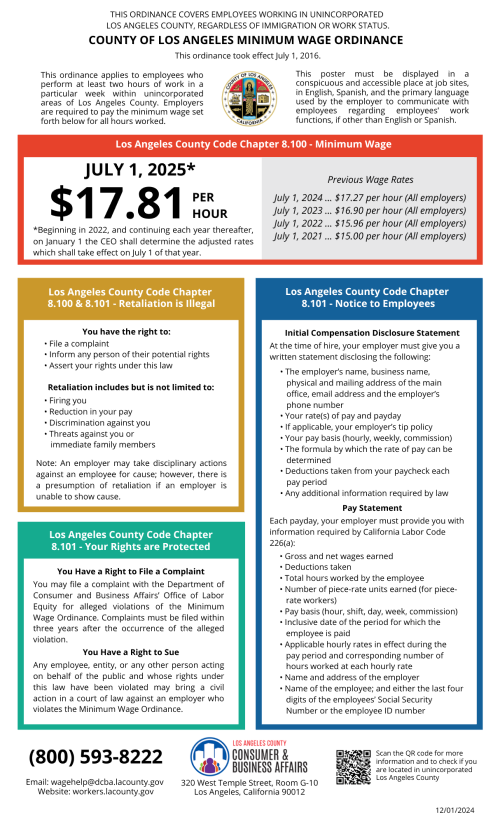
Within Los Angeles County, specific unincorporated areas adhere to the county’s own minimum wage, which often aligns with or slightly exceeds the state rate. This ensures that workers in these communities, which might be less urbanized than the city proper but still part of the LA economic sphere, also benefit from higher wages.
The City of Los Angeles, being the densest and most economically significant part of the county, typically sets the highest minimum wage standards. The city’s ordinance often outpaces both the county and state rates, driven by a recognition of the exceptionally high cost of living within its municipal boundaries. For instance, large hotel chains, major attractions, and businesses located within the city limits are mandated to adhere to these higher rates. This directly affects countless workers in the tourism and hospitality sectors, from housekeepers at a Beverly Hills hotel to baristas near Hollywood Boulevard. The specific rate is subject to annual adjustments, typically on July 1st, to account for inflation and economic changes, ensuring wages keep pace with evolving economic realities.
For example, while exact figures vary and are updated annually, as of recent reports, the City of Los Angeles minimum wage is notably higher than the state’s baseline. This tiered structure ensures that workers in areas with higher expenses receive compensation more commensurate with their cost of living, while also creating a complex landscape for businesses to navigate.
A Brief History of Wage Increases
The journey to Los Angeles’ current minimum wage levels has been progressive, marked by significant legislative action over the past decade. Historically, California, and particularly Los Angeles, has been at the forefront of the movement for higher minimum wages. The push intensified in the mid-2010s with widespread advocacy for a $15 per hour minimum wage, often referred to as the “Fight for $15.”
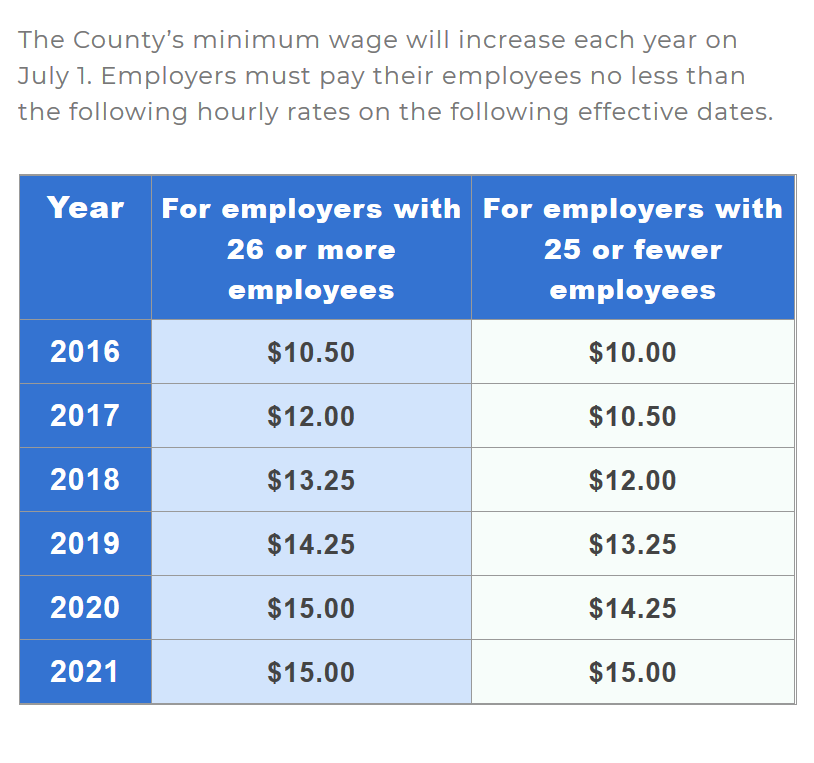
The City of Los Angeles adopted an ordinance in 2015 to gradually increase its minimum wage to $15 per hour by 2020 for most employers, with a slightly longer phase-in period for small businesses. This incremental approach allowed businesses time to adjust to the new wage requirements while providing workers with steadily increasing earnings. Following this milestone, the minimum wage has continued to rise annually, tied to the Consumer Price Index (CPI) for urban wage earners and clerical workers in the Los Angeles-Long Beach-Anaheim metropolitan area. This indexing mechanism ensures that wages maintain their purchasing power against inflation, a critical factor in a city where the cost of living continues to climb.
These historical increases have not been without debate, sparking discussions about their impact on job creation, business profitability, and the overall economic competitiveness of Los Angeles. However, proponents argue that higher wages reduce poverty, stimulate local economies through increased consumer spending, and improve worker morale and productivity, particularly in the service-oriented sectors that underpin LA’s vibrant tourism industry.
The Minimum Wage and Los Angeles’s Lifestyle and Tourism Economy
The minimum wage in Los Angeles plays a pivotal role in shaping the city’s unique lifestyle and robust tourism economy. As a global destination, LA relies heavily on its service industries to cater to millions of visitors annually. The wages paid to these essential workers directly influence the quality of service, the sustainability of local businesses, and the overall economic equilibrium that defines life in the City of Angels.
Impact on the Hospitality and Travel Sectors
The hospitality and travel sectors are undeniably the bedrock of Los Angeles’ tourism economy. From luxury resorts in Malibu to boutique hotels in Downtown LA, and from world-class restaurants to entertainment venues like Universal Studios Hollywood and the Getty Center, a vast workforce ensures visitors have memorable experiences. Many of these positions, such as cleaners, front desk staff, kitchen porters, retail assistants, and entry-level service roles, often fall under the minimum wage category.
Higher minimum wages mean that employees in these critical roles receive better compensation for their work. This can lead to several positive outcomes:
- Improved Service Quality: A better-paid workforce is often a more motivated and stable workforce. Reduced staff turnover, increased job satisfaction, and a greater sense of professionalism can directly translate into enhanced service quality for tourists. Imagine a concierge at a Hollywood hotel who is well-compensated, reducing financial stress and allowing them to focus more on providing exceptional guest experiences.
- Economic Stability for Workers: For many individuals, particularly those new to the city or working in entry-level positions, the minimum wage is their primary income. A higher minimum wage can significantly improve their ability to afford necessities, contribute to the local economy, and pursue a stable lifestyle in LA, even if it’s not a luxurious one.
- Business Adjustments: While beneficial for workers, higher wages also mean increased labor costs for businesses. Many hotels and restaurants have responded by adjusting prices, investing in automation, or optimizing operational efficiencies. This sometimes results in slightly higher prices for services and accommodation for visitors, but it also reflects a more equitable compensation structure for the people providing those services.
- Attraction of Talent: Los Angeles’ competitive minimum wage can make the city a more attractive place for job seekers in the service industry, helping businesses recruit and retain skilled and dedicated employees.
Cost of Living and Budget Travel in the City of Angels
Los Angeles is notorious for its high cost of living, particularly regarding housing. Even with a higher minimum wage, affording rent, transportation, food, and other daily expenses can be a significant challenge for residents, especially those with families. This reality directly impacts the lifestyle choices available to workers and their ability to save or participate in the city’s recreational offerings.
For visitors, especially those interested in budget travel, understanding the local wage structure helps contextualize the cost of goods and services. A higher minimum wage contributes to higher operating costs for businesses, which are often passed on to consumers. This means that dining out, hailing a ride-share, or purchasing souvenirs might be pricier in LA compared to cities with lower wage standards.
However, this doesn’t preclude the possibility of budget travel in Los Angeles. Savvy travelers can still find ways to enjoy the city without breaking the bank. This involves:
- Exploring Free Attractions: Many of LA’s most iconic spots, such as the Hollywood Walk of Fame, Griffith Observatory (grounds and views), Santa Monica Pier, and countless beaches, are free to visit.
- Utilizing Public Transportation: While not as extensive as some global cities, LA’s Metro system can be a cost-effective way to get around, especially between major tourism hubs.
- Smart Dining Choices: Opting for local food trucks, farmers’ markets, or cooking some meals in accommodation with kitchenettes can significantly reduce food expenses.
- Accommodation Alternatives: Looking beyond traditional hotels to hostels, vacation rentals outside prime areas, or even exploring longer-term stay options if visiting for an extended period can provide more affordable accommodation.
Ultimately, the minimum wage in LA creates a dynamic where the cost of living for workers is high, necessitating higher wages, which in turn influences the prices encountered by tourists. It’s a balance that strives to support both a viable workforce and a thriving tourism industry.
Navigating Accommodation and Expenses with Minimum Wage in Mind
For both long-term residents earning minimum wage and visitors planning their trip, accommodation often represents the most significant expense in Los Angeles. The city’s diverse range of lodging options, from luxury suites to budget hostels, caters to various financial capacities, but understanding how the minimum wage influences this market is key to making informed decisions.
Finding Affordable Stays for Workers and Visitors
For those working at minimum wage in Los Angeles’ bustling service industries, finding truly affordable accommodation can be a relentless challenge. Even with the city’s higher minimum wage, rents for even modest apartments often consume a substantial portion of an individual’s income. This necessitates creative solutions, such as shared housing, living in more distant suburbs and commuting, or seeking subsidized housing options. The pursuit of stable and affordable housing is a daily reality that defines the lifestyle for many of LA’s essential workers.
For visitors, the quest for affordable accommodation is equally important, particularly for budget travel enthusiasts. While Los Angeles is famous for its opulent resorts and boutique hotels, numerous options exist that cater to more modest budgets:
- Hostels: Locations in areas like Hollywood, Santa Monica, and Venice Beach offer dorm-style rooms or private rooms at a fraction of the cost of traditional hotels.
- Motels: Along major thoroughfares, particularly outside the most prime tourism zones, motels can provide clean, basic accommodation at competitive prices.
- Vacation Rentals: Platforms offering apartments or villas can sometimes be more cost-effective for groups or longer stays, especially if they include kitchen facilities for self-catering. Areas slightly removed from the immediate central hubs but still well-connected by public transport, like parts of the San Fernando Valley or East LA, might offer better value.
- Hotels with Amenities for Value: Look for hotels that include free breakfast, parking, or shuttle services, as these can add up to significant savings. When booking accommodation, it’s always wise to compare prices across different platforms and consider the total cost, including taxes and resort fees.
Implications for Luxury Travel and Service Quality
At the other end of the spectrum, Los Angeles is a global hub for luxury travel. The city boasts world-renowned establishments like The Beverly Wilshire, Hotel Bel-Air, and The Peninsula Beverly Hills, offering unparalleled amenities and bespoke services. For these establishments, the higher minimum wage contributes to the overall operational costs, which are naturally reflected in their premium pricing.
However, the impact of a higher minimum wage on luxury travel is often seen as a positive. When staff members who provide the backbone of luxury service – from butlers and concierges to spa therapists and fine dining waiters – are fairly compensated, it fosters a more dedicated, professional, and stable workforce. This stability and motivation are crucial for maintaining the exceptionally high standards expected in luxury resorts and hotels. The investment in higher wages can lead to:
- Enhanced Guest Experience: Well-paid and satisfied employees are more likely to go the extra mile, providing attentive, personalized, and seamless service that defines the luxury travel experience.
- Reduced Turnover: Lower staff turnover means more experienced employees who are intimately familiar with the hotel’s offerings and guest preferences, contributing to consistent service excellence.
- Attraction of Top Talent: High-end establishments in Los Angeles can attract the best talent in the hospitality industry, further elevating the quality of service.
In essence, while the minimum wage debate often focuses on the lower end of the income spectrum, its ripples extend throughout the entire service industry, ultimately influencing the value and quality experienced across all levels of accommodation and tourism in Los Angeles.
Future Outlook and Economic Considerations
The trajectory of the minimum wage in Los Angeles is a continuous process, shaped by ongoing economic analysis, legislative reviews, and community advocacy. As a city that prides itself on both economic dynamism and social progress, LA remains committed to balancing the needs of its workforce with the vitality of its businesses, particularly those integral to its world-renowned tourism and travel sectors.

What Lies Ahead for LA Workers and Businesses
The future of the minimum wage in Los Angeles will likely continue the trend of annual adjustments, primarily linked to inflation. This indexing mechanism is designed to preserve the purchasing power of wages, ensuring that workers can keep pace with the rising cost of living in one of America’s most expensive cities. For workers in the hospitality, retail, and service industries – many of whom directly engage with tourists daily – these adjustments are critical for maintaining a sustainable lifestyle and reducing financial precarity.
For businesses, especially small and medium-sized enterprises (SMEs) that form the backbone of local economies and contribute significantly to LA’s unique character, adapting to rising wage costs remains an ongoing challenge. While larger corporations and luxury hotels may have more resources to absorb or pass on these costs, smaller businesses might need to explore greater operational efficiencies, technological integrations, or niche market strategies. The conversation often revolves around finding innovative ways to support these businesses while upholding the commitment to fair wages.
Looking ahead, several factors could influence future minimum wage policies:
- Economic Conditions: Broader economic trends, including recessions or periods of robust growth, will always play a role in wage policy discussions.
- Legislative Initiatives: State and local governments may consider new laws to address specific industries (e.g., hotel worker wages) or to modify the indexing method.
- Technological Advancements: The increasing role of automation in service industries could reshape the workforce and wage structures.
- Cost of Living: Continued increases in housing costs and other essential expenses in Los Angeles will likely fuel ongoing pressure for wages to keep pace.
Ultimately, the minimum wage in Los Angeles is more than just a number; it’s a reflection of the city’s values and its ongoing effort to create an inclusive and equitable economy. For visitors, it’s a silent force that contributes to the overall quality of their experience, the prices they encounter, and the vibrant, complex tapestry of Los Angeles itself. Understanding this intricate system allows for a deeper appreciation of the city, whether you’re planning a grand luxury travel escape or a savvy budget travel adventure.
LifeOutOfTheBox is a participant in the Amazon Services LLC Associates Program, an affiliate advertising program designed to provide a means for sites to earn advertising fees by advertising and linking to Amazon.com. Amazon, the Amazon logo, AmazonSupply, and the AmazonSupply logo are trademarks of Amazon.com, Inc. or its affiliates. As an Amazon Associate we earn affiliate commissions from qualifying purchases.