
The question of the minimum wage in Texas is a frequent point of discussion for residents, businesses, and policymakers alike. Understanding this foundational economic indicator is crucial for grasping the cost of living, labor market dynamics, and the overall economic health of the Lone Star State. While Texas adheres to federal standards, its unique economic landscape and legislative environment shape how minimum wage discussions unfold. This article delves into the current minimum wage in Texas, its implications, and the broader context of wage discussions within the state.
The Current Minimum Wage Landscape in Texas
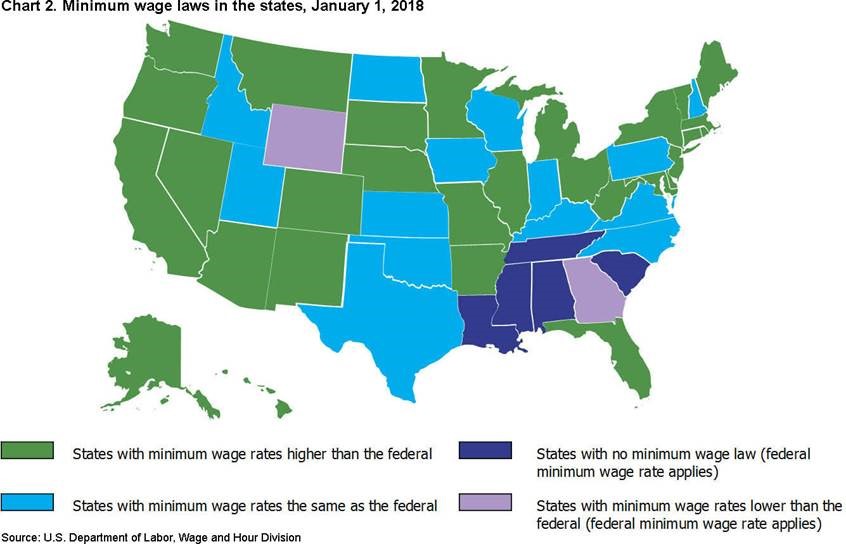
Texas does not currently have a state-specific minimum wage that exceeds the federal minimum wage. This means that employers in Texas are legally obligated to pay their employees at least the rate established by the U.S. Department of Labor.
Federal Minimum Wage: The Baseline
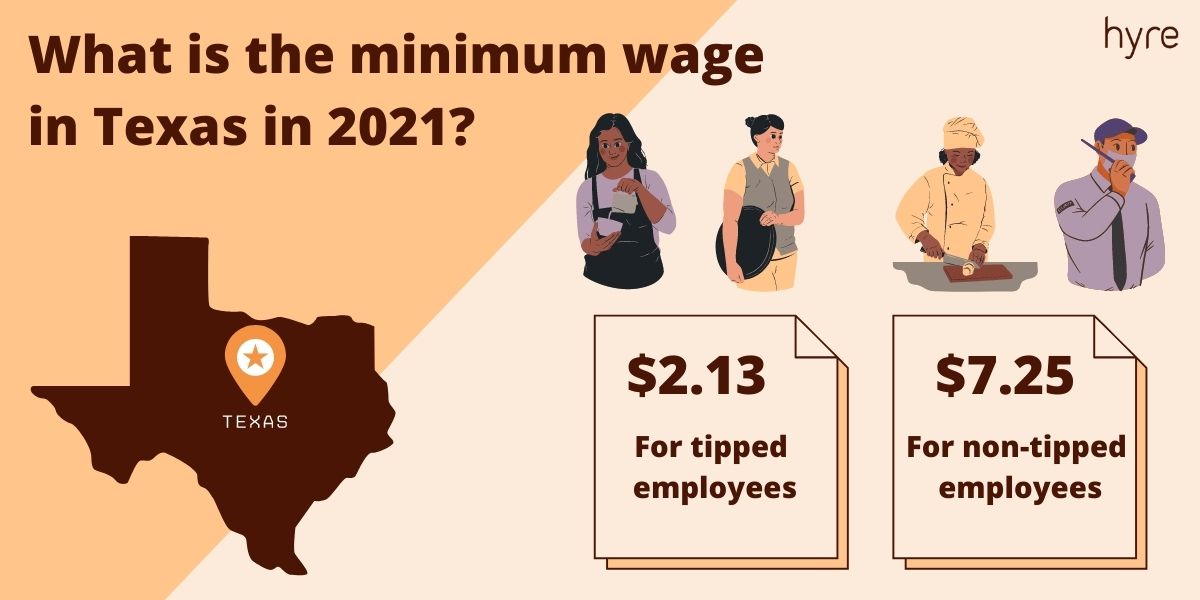
The federal minimum wage, set by the Fair Labor Standards Act (FLSA), has remained at $7.25 per hour since July 2009. This rate applies nationwide, including in Texas, unless a state or local government mandates a higher minimum wage. As of the current writing, Texas has not enacted legislation to increase this rate beyond the federal level.
Tipped Employees in Texas
A significant aspect of minimum wage law, both federally and in Texas, pertains to tipped employees. These are employees who regularly receive more than $30 per month in tips, such as servers, bartenders, and other hospitality workers.
- Federal Tip Credit: The FLSA allows employers to pay tipped employees a lower cash wage, provided that the employee’s tips, combined with the cash wage, meet or exceed the standard federal minimum wage of $7.25 per hour. The federal cash wage for tipped employees is currently $2.13 per hour.
- Texas Application: Texas follows this federal tip credit provision. Therefore, employers in Texas can legally pay tipped employees a cash wage as low as $2.13 per hour, with the expectation that their tips will bring their total earnings up to at least $7.25 per hour. If an employee’s tips, combined with the cash wage, do not reach $7.25 per hour, the employer must make up the difference.
Exemptions and Special Cases
Certain categories of workers are exempt from minimum wage requirements, or have different wage stipulations. These typically include:
- Independent Contractors: Individuals classified as independent contractors are not subject to minimum wage laws, as they are considered self-employed.
- Certain Agricultural Workers: Some agricultural laborers may be subject to different wage regulations.
- Students and Trainees: Specific provisions may apply to full-time students employed in retail or service establishments, or to individuals participating in training programs.
- Employees Covered by Collective Bargaining Agreements: Unions may negotiate wage rates that differ from the statutory minimum wage.
It is important for both employers and employees to be aware of these exemptions to ensure compliance with labor laws.
The Debate Around Minimum Wage in Texas
The relatively low minimum wage in Texas, tied to the stagnant federal rate, has been a subject of ongoing debate. Proponents of increasing the minimum wage argue that it is essential for economic justice, poverty reduction, and stimulating consumer spending.
Arguments for Increasing the Minimum Wage
- Poverty Alleviation: A significant portion of minimum wage earners in Texas work in essential service industries and struggle to afford basic necessities like housing, food, and healthcare on their current earnings. An increase in the minimum wage could lift many families out of poverty.
- Economic Stimulus: When low-wage workers have more disposable income, they tend to spend it immediately on goods and services, which can boost local economies. This increased demand can, in turn, lead to job creation.
- Reduced Income Inequality: A higher minimum wage can help to narrow the gap between the highest and lowest earners, contributing to a more equitable distribution of wealth.
- Improved Worker Morale and Productivity: Fairer wages can lead to increased job satisfaction, reduced employee turnover, and enhanced productivity. Employees who feel valued are more likely to be engaged and committed to their work.
- Addressing the Cost of Living: In many parts of Texas, particularly in major metropolitan areas like Houston, Dallas, Austin, and San Antonio, the cost of living has risen significantly. The current minimum wage has not kept pace with these increases, making it difficult for individuals and families to make ends meet.
Arguments Against Increasing the Minimum Wage
Opponents of a minimum wage increase often raise concerns about potential negative impacts on businesses and employment.
- Job Losses: Businesses, particularly small businesses with tight profit margins, may respond to higher labor costs by reducing staff, cutting hours, or slowing down hiring. This can disproportionately affect entry-level positions and young workers.
- Increased Prices for Consumers: To offset higher labor costs, businesses may be forced to raise prices on their goods and services, which could lead to inflation and negate some of the benefits of a wage increase for consumers.
- Reduced Competitiveness: Higher labor costs could make Texas businesses less competitive compared to those in states or countries with lower wage requirements.
- Impact on Small Businesses: Small businesses are often cited as being the most vulnerable to minimum wage hikes, as they may have less flexibility to absorb increased costs compared to larger corporations.
- Focus on Skills and Education: Some argue that the focus should be on improving education and job training programs to help workers acquire higher-paying skills, rather than relying on government mandates for wage increases.
Broader Economic Context and Future Outlook
The minimum wage in Texas is a dynamic issue, influenced by federal policy, state legislative actions, and the evolving economic conditions of the state. While Texas currently aligns with the federal minimum wage of $7.25 per hour, the conversation about raising it continues.
The Role of Federal Legislation
Any significant change to the minimum wage in Texas would likely require either state-level action or a federal increase in the minimum wage. Federal proposals to raise the minimum wage have been introduced in Congress but have faced significant political hurdles. If the federal minimum wage were to be raised, it would automatically impact Texas unless the state opted out, which is not a typical policy approach for minimum wage laws.
State-Level Initiatives and Local Ordinances
While there isn’t a state-wide minimum wage higher than the federal rate in Texas, there have been discussions and proposals at the state level to increase it. Additionally, some individual cities or counties in other states have implemented their own minimum wage ordinances that are higher than the federal rate. However, Texas law generally preempts cities and counties from enacting their own minimum wage laws that differ from the state (and by extension, federal) minimum. This means that a local ordinance establishing a higher minimum wage would likely be invalid in Texas.
Economic Indicators and Cost of Living
The debate over the minimum wage in Texas is intrinsically linked to broader economic indicators such as inflation, unemployment rates, and the cost of living. As Texas continues to grow and attract new residents and businesses, the affordability of living in its major cities becomes an increasingly important consideration. A minimum wage that is insufficient to cover basic living expenses can lead to increased reliance on social services and a strain on the economic well-being of a significant portion of the population.
Considerations for Employers and Employees
For employers in Texas, understanding the current minimum wage laws is essential for compliance and to avoid potential penalties. This includes correctly classifying employees, properly accounting for tips, and adhering to all wage and hour regulations.
For employees, knowing their rights regarding minimum wage is crucial. If an employee believes they are not being paid the correct minimum wage, they can contact the U.S. Department of Labor or the Texas Workforce Commission for guidance and to file a complaint.
Conclusion: The Ongoing Dialogue
The minimum wage in Texas remains a critical point of economic discussion. Currently anchored to the federal rate of $7.25 per hour, it sparks ongoing debates about economic fairness, business viability, and the cost of living across the state. As the state’s economy evolves and demographic landscapes shift, the conversation about ensuring a living wage for all Texans is likely to persist, driven by the fundamental need for economic security and opportunity. Understanding the current legal framework, the arguments for and against potential changes, and the broader economic context is vital for anyone seeking to grasp the intricate relationship between wages, work, and prosperity in Texas.
LifeOutOfTheBox is a participant in the Amazon Services LLC Associates Program, an affiliate advertising program designed to provide a means for sites to earn advertising fees by advertising and linking to Amazon.com. Amazon, the Amazon logo, AmazonSupply, and the AmazonSupply logo are trademarks of Amazon.com, Inc. or its affiliates. As an Amazon Associate we earn affiliate commissions from qualifying purchases.