
Florida, with its sun-drenched beaches and warm, inviting waters, stands as a premier travel destination for millions seeking coastal escapes. However, for those planning a vacation centered around swimming, surfing, or simply lounging by the ocean, understanding the nuances of the local marine environment, particularly “shark season,” is an essential aspect of responsible travel planning. While sharks are present in Florida’s waters year-round, certain periods see heightened activity due to a confluence of environmental factors and migratory patterns. Recognizing these peak times allows travelers to make informed decisions for a safe and enjoyable experience.
Understanding Florida’s Oceanic Calendar
The concept of a “shark season” in Florida is primarily driven by the migration of various shark species in response to water temperature changes and the availability of prey. Florida’s unique geography, bordered by the Atlantic Ocean to the east and the Gulf of Mexico to the west, creates diverse habitats that attract different species at different times of the year.
Seasonal Migrations and Water Temperatures
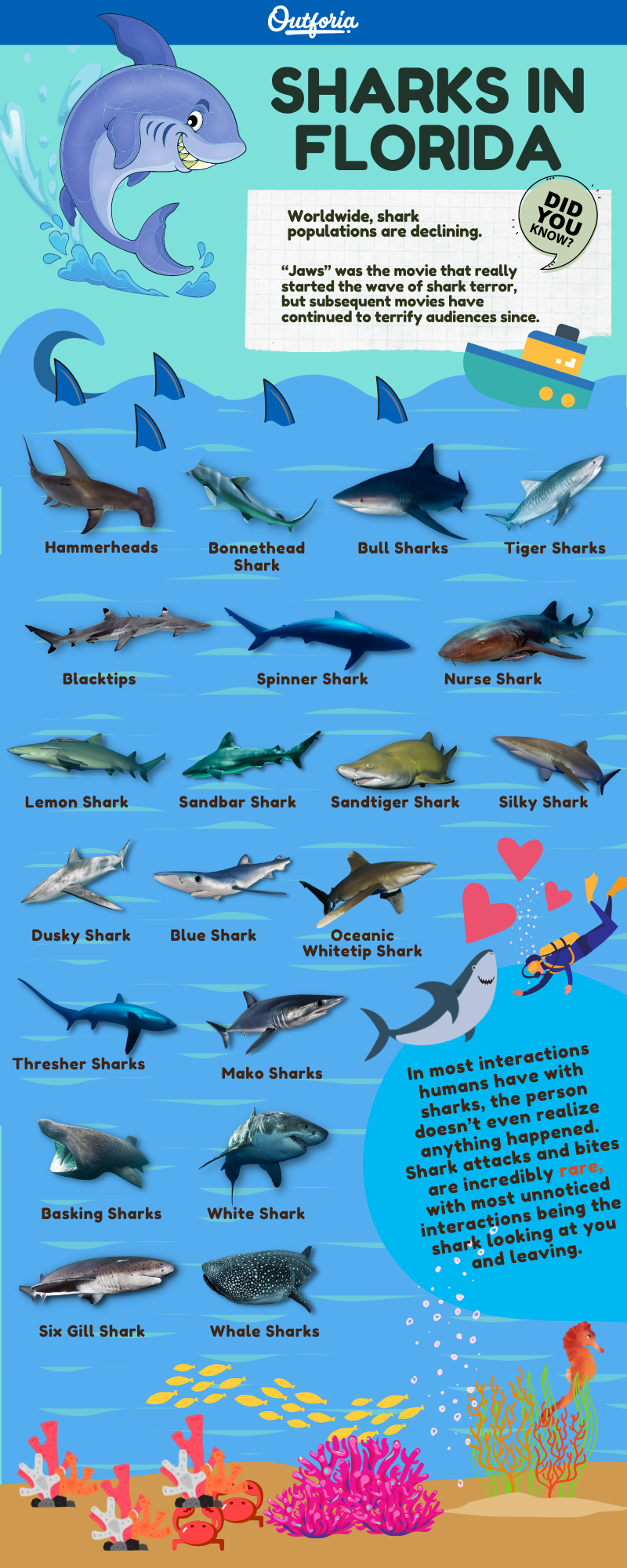
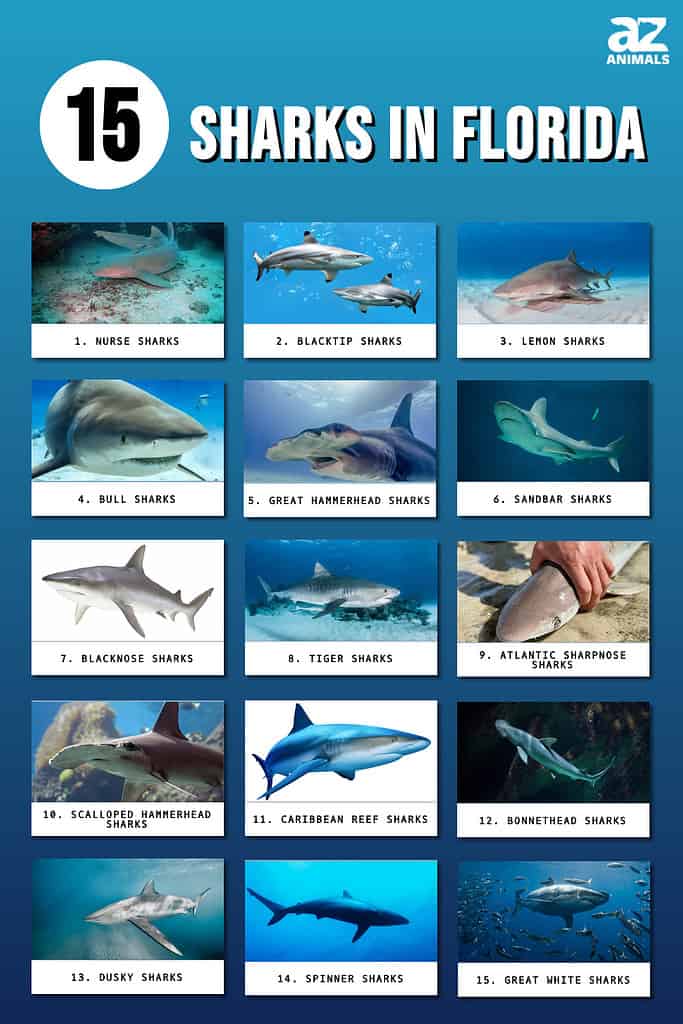
The most pronounced period of increased shark activity, particularly along the state’s Atlantic Ocean coastline, typically spans from April through October. This timeframe aligns with warmer water temperatures, which not only attract more sharks but also prompt baitfish to move closer to shore in large schools. Species such as the blacktip shark and spinner shark are known for their impressive migrations, often moving northwards along the coast as temperatures rise, following the northward movement of their food sources. These migrations bring large numbers of sharks into relatively shallow waters, closer to popular swimming areas.
During the cooler months, roughly from November to March, shark activity tends to diminish in nearshore areas, though it never entirely ceases. Some species, like the bull shark, are known for their adaptability and can be found in a variety of habitats, including brackish and freshwater systems, even during colder periods. The Florida Keys, with its consistently warm waters, can also experience year-round shark presence, though specific species may become more dominant seasonally.
Peak Activity Periods
While the broader spring-to-fall window defines the general “shark season,” there are more concentrated peak periods. Late spring and early summer, particularly May, June, and July, are often cited as months with notably higher shark activity. This period coincides with significant blacktip shark and spinner shark migrations along the central Florida Atlantic Ocean coast, making areas like New Smyrna Beach and Ponce Inlet hotspots for shark sightings and, consequently, a higher incidence of minor bites, often mistaken identity interactions rather than intentional attacks.
The Gulf of Mexico coast, while generally experiencing fewer incidents than the [Atlantic Ocean]side, also sees increased activity during the warmer months. Species such as lemon shark and nurse shark are common, along with bull sharks. The summer months are particularly active for bull sharks, which are often found in coastal and estuarine waters for pupping.
What “Shark Season” Means for Travelers
For travelers, understanding the timing of shark season isn’t meant to deter visits but rather to empower them with knowledge to enhance safety and plan activities wisely. Florida’s beaches remain magnificent destinations, and the vast majority of visitors will never encounter a shark, let alone experience an incident. However, awareness is key.
Beach Safety and Awareness
During peak shark season, it becomes even more critical for beachgoers to adhere to safety guidelines. This includes paying close attention to local advisories, lifeguard warnings, and beach flag systems. Red flags, for example, often indicate dangerous marine life or strong currents, warranting extreme caution or avoiding the water entirely. Staying informed about recent shark sightings in specific areas can also help travelers gauge risk levels. Local news outlets and beach patrol social media accounts are often good sources for real-time updates.
Water Activities: Swimming, Surfing, and Snorkeling
For those planning to engage in water sports, the heightened activity during shark season calls for extra vigilance. Surfers, often positioned farther out where waves break, and snorkelers exploring reefs, should be particularly mindful. It’s advisable to avoid swimming or surfing alone, especially during times of low visibility or known increased shark presence. Early morning and late evening, when many shark species are most active, are generally considered higher-risk times for entering the water. Opting for mid-day swims, when visibility is usually better and human activity higher, can be a safer approach. Additionally, avoiding areas where people are fishing or where baitfish are schooling densely can reduce the likelihood of an unwanted interaction.
Popular Florida Destinations and Shark Activity
While shark activity is a statewide phenomenon, certain regions and beaches are more frequently mentioned in discussions about shark season due to their unique ecological characteristics and human interaction rates.
Atlantic Coast Hotspots
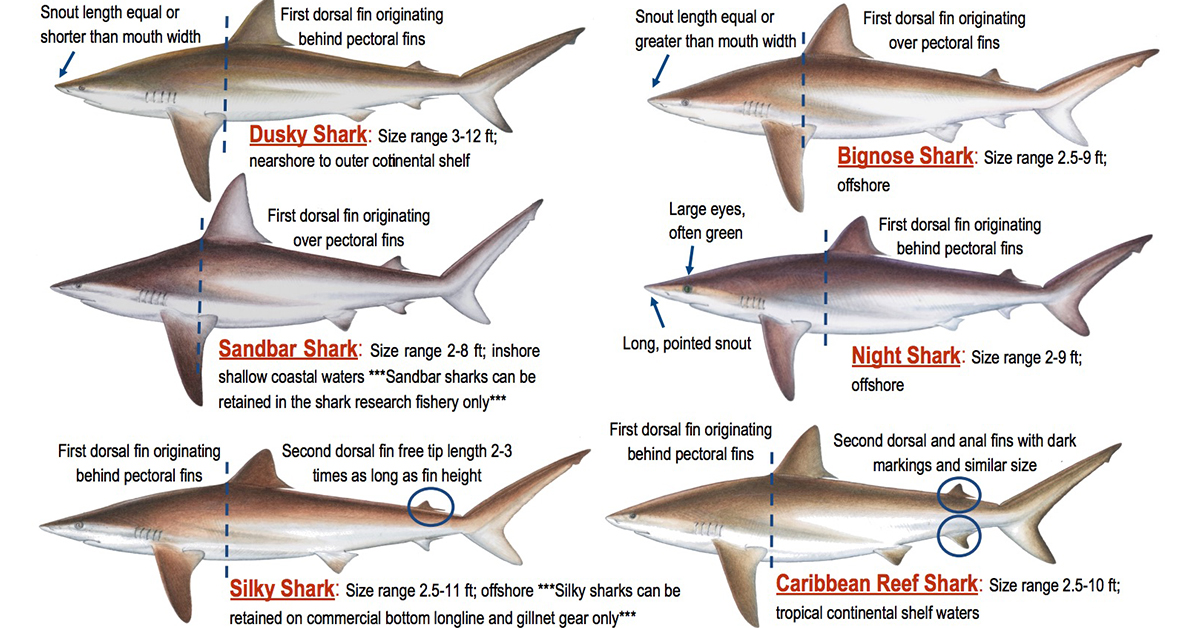
The central Atlantic Ocean coast of Florida, particularly Volusia County, is often labeled as the “Shark Bite Capital of the World.” This distinction is not due to a higher concentration of aggressive sharks but rather the confluence of immense numbers of migratory baitfish, high densities of small blacktip sharks and spinner sharks, and incredibly popular surf breaks at locations like New Smyrna Beach and Ponce Inlet. During peak migration from April to October, thousands of sharks pass through these shallow waters, leading to frequent, though typically minor, interactions with swimmers and surfers. Travelers visiting Cocoa Beach, Jacksonville, Fort Lauderdale, and Miami along the Atlantic Ocean should also be aware of increased activity during these months.
Gulf Coast Considerations
The Gulf of Mexico coast, including destinations like Sarasota, Naples, and the Florida Panhandle (e.g., Destin), generally experiences fewer shark-related incidents than the Atlantic Ocean side. However, sharks are still present and active, especially during the warmer summer months. The calm, clear waters of the Gulf of Mexico attract a different array of marine life, and species like bull sharks, nurse sharks, and occasionally hammerhead sharks can be encountered. While interactions are rarer, visitors should still practice general shark safety, particularly when fishing or near areas with abundant marine life.
The Florida Keys Experience
The Florida Keys, an archipelago stretching southwest from the Florida peninsula, offers a unique marine environment. Surrounded by coral reefs and deeper waters, the Keys are home to a diverse shark population year-round, including nurse sharks, lemon sharks, reef sharks, and occasional bull sharks or tiger sharks. While swimming and snorkeling are immensely popular, the focus here is often on observing sharks in their natural habitat through guided excursions or diving. For typical beachgoers, the likelihood of an unprovoked interaction remains low, but general awareness is always recommended.
Planning Your Florida Vacation Around Shark Season
Armed with knowledge about shark season, travelers can make informed decisions about the best time to visit Florida based on their desired activities and comfort levels.
Best Times for Water-Centric Trips
If minimizing the potential for shark encounters is a primary concern, scheduling a Florida beach vacation during the late fall or winter months (November to March) might be preferable, especially for the central and northern Atlantic Ocean coasts. Water temperatures are cooler, leading to reduced shark migrations nearshore. While still pleasant for many, these months offer a slightly reduced risk profile for those particularly cautious about marine life interactions. However, for those keen on diving or fishing, spring and summer can still be excellent, provided safety protocols are strictly followed.
Alternative Attractions and Experiences
Regardless of the time of year, Florida offers an incredible array of attractions beyond its ocean beaches. During peak shark season, travelers can diversify their itineraries with visits to Florida’s freshwater springs, which offer crystal-clear, shark-free swimming and snorkeling opportunities. Exploring state parks, wildlife refuges, theme parks in Orlando, or the vibrant cultural scenes of cities like Miami, Tampa, or St. Petersburg provide ample entertainment. Airboat tours through the Everglades or exploring the historic districts of St. Augustine are also excellent ways to experience the state’s diverse offerings without focusing on ocean water activities.
Essential Tips for a Safe Florida Beach Trip
Even outside of peak “shark season,” adhering to fundamental safety guidelines is crucial for any beach visit in Florida.
Observe Lifeguard Warnings
Always swim in areas with lifeguards on duty and heed all their instructions and warnings. Lifeguards are the best source of real-time information about local conditions, including rip currents and marine life. Pay attention to beach flag systems, which communicate current hazards.
Avoid Dawn and Dusk Swims
Many shark species are most active during twilight hours (dawn and dusk) when their natural prey is also more prevalent. Limiting water activities to the brighter daylight hours can reduce risk. Poor visibility during these times also makes it harder to spot marine life.
Steer Clear of Fishing Areas
Sharks are naturally attracted to areas where fish are plentiful or being caught. Avoid swimming or surfing near piers, jetties, and other active fishing spots, as baitfish and discarded catches can attract sharks. Similarly, avoid areas with large schools of visible baitfish.
By understanding when and why shark activity peaks in Florida, travelers can ensure their beach vacations are not only memorable but also as safe as possible. Florida remains a stunning destination, and a mindful approach to its natural wonders allows for an enriched travel experience.
LifeOutOfTheBox is a participant in the Amazon Services LLC Associates Program, an affiliate advertising program designed to provide a means for sites to earn advertising fees by advertising and linking to Amazon.com. Amazon, the Amazon logo, AmazonSupply, and the AmazonSupply logo are trademarks of Amazon.com, Inc. or its affiliates. As an Amazon Associate we earn affiliate commissions from qualifying purchases.