
Alaska, often dubbed “The Last Frontier,” is a land of unparalleled natural grandeur, defined by its vast wilderness, towering mountains, and, most notably, its majestic glaciers. These colossal rivers of ice are not merely geological features; they are living testaments to the Earth’s dynamic power, sculpting landscapes and inspiring awe. While the state boasts an estimated 100,000 glaciers, only a select few achieve a level of renown that transcends geographical boundaries, drawing millions of visitors each year. Among these icy titans, one stands out as arguably the most famous: the Mendenhall Glacier.
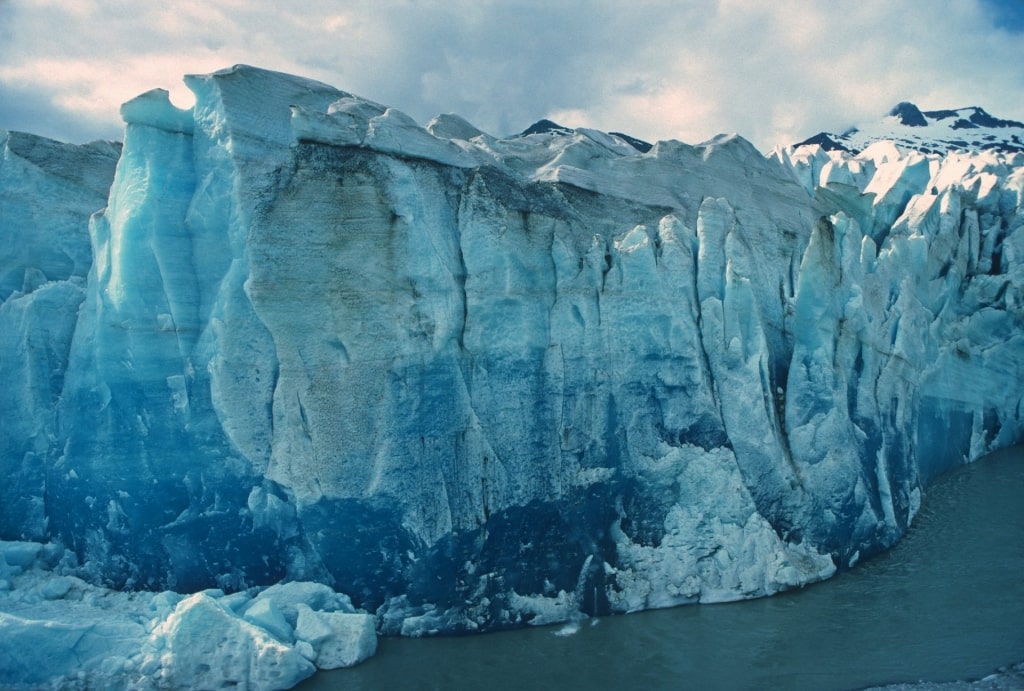
Its fame is not accidental. It stems from a unique combination of stunning beauty, remarkable accessibility, and a captivating narrative of change that embodies the broader story of Alaska’s glacial heritage. While other glaciers might boast greater size, more dramatic calving events, or deeper historical significance, the Mendenhall Glacier has carved its niche as the most widely recognized and frequently visited glacial landmark in the state.
The Iconic Mendenhall Glacier: Alaska’s Crown Jewel
Nestled just 12 miles from Juneau, the capital city of Alaska, the Mendenhall Glacier is a breathtaking landmark that epitomizes the raw, pristine beauty of the Alaskan wilderness. Its proximity to a major urban center, combined with well-developed infrastructure, makes it uniquely accessible, distinguishing it from many of its more remote brethren. Managed by the Tongass National Forest, the largest national forest in the United States, the glacier offers an unparalleled opportunity to witness a living glacier up close.
Geographical Significance and Accessibility
The Mendenhall Glacier is a valley glacier approximately 13.6 miles (21.9 km) long, originating from the expansive Juneau Icefield, a 1,500 square-mile remnant of the last ice age. Its terminus, a stunning wall of electric blue ice, calves into Mendenhall Lake, a proglacial lake dotted with icebergs. The accessibility of the Mendenhall Glacier is its most significant advantage in the quest for fame. Unlike many Alaskan glaciers that require arduous expeditions or expensive air charters, Mendenhall Glacier is reachable by a short scenic drive from Juneau, making it a popular stop for cruise ship passengers and independent travelers alike. The Mendenhall Glacier Visitor Center, a modern facility overlooking the glacier, provides interpretive displays, ranger programs, and viewing platforms that enhance the visitor experience, solidifying its status as a premier landmark.
The Dynamic Face of a Living Landmark
What makes Mendenhall Glacier particularly compelling as a landmark is its dynamic nature. Like most glaciers worldwide, it is receding, a visible manifestation of climate change. This retreat is documented by markers along the surrounding trails, offering a stark visual history of its shrinkage over decades. While the recession is a somber reminder of environmental shifts, it also underscores the glacier’s identity as a living, breathing entity, constantly reshaping its environment. This ongoing transformation provides a powerful narrative, encouraging visitors to reflect on the immense power of nature and the delicate balance of our planet. The distinct deep blue hues within the ice are formed from the compression of snow over centuries, squeezing out air bubbles and allowing the ice to absorb all colors of the spectrum except blue.
Exploring Its Diverse Features
The area surrounding the Mendenhall Glacier offers a wealth of features that enhance its landmark appeal. Nugget Falls, a spectacular 377-foot waterfall cascading into Mendenhall Lake near the glacier’s face, provides an additional focal point for photographers and nature enthusiasts. Various hiking trails, ranging from easy paved paths to more challenging routes through the Tongass National Forest, allow visitors to explore the diverse ecosystem. The Photo Point trail offers unobstructed views, while the Forest Loop Trail meanders through lush temperate rainforest. For the adventurous, opportunities for kayaking or canoeing on Mendenhall Lake provide a unique perspective, allowing paddlers to get closer to the glacier’s face and drift among small icebergs, albeit with strict safety precautions. The famous ice caves, while beautiful, are often unstable and are not officially recommended or promoted for visitation due to safety concerns, yet they continue to feature prominently in the glacier’s mystique for their ethereal beauty.
Contenders for Fame: Other Alaskan Glacial Wonders
While Mendenhall Glacier often takes the top spot for recognition, Alaska is home to numerous other glaciers that hold significant fame and draw their own unique admirers. These glaciers contribute to the state’s reputation as a glacial paradise, each offering a distinct experience and story.
Hubbard Glacier: The ‘Galloping Glacier’
The Hubbard Glacier, located in eastern Alaska near the Canadian border, is renowned for its sheer scale and active nature. It is North America’s largest tidewater glacier, meaning it calves directly into the ocean. Stretching over 76 miles long and up to 400 feet tall at its terminus, it is a truly colossal landmark. What sets Hubbard Glacier apart is its moniker as the “Galloping Glacier” due to its rapid advance. Unlike most glaciers worldwide, Hubbard Glacier has been consistently advancing, famously closing off Russell Fjord in Yakutat Bay twice in the past few decades, creating temporary freshwater lakes. Its immense size and dramatic calving events, where enormous chunks of ice break off into Disenchantment Bay with thunderous roars, make it a spectacular sight, primarily viewed from cruise ships that navigate its deep waters.
Exit Glacier and Kenai Fjords National Park’s Glacial Tapestry
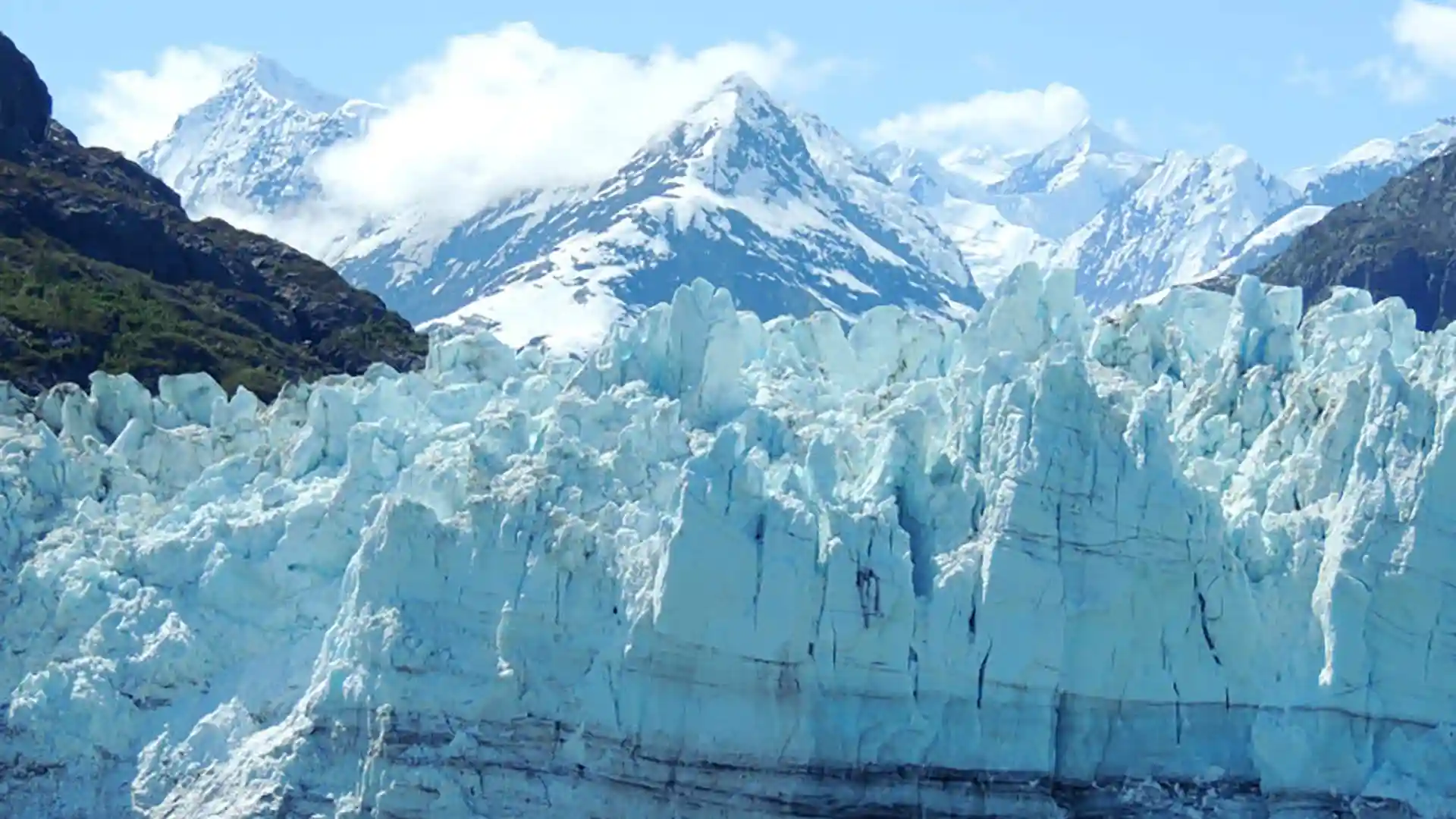
Located within Kenai Fjords National Park near Seward, Exit Glacier is another highly accessible and famous Alaskan glacier. It is one of the few glaciers in Alaska that can be reached by road, allowing visitors to walk right up to its impressive face. Exit Glacier is a fingers of the vast Harding Icefield, an expansive remnant of the ice age. The park’s well-maintained trails, including the paved path to the glacier’s toe and the strenuous Harding Icefield Trail, offer diverse viewing opportunities. Like Mendenhall Glacier, Exit Glacier’s recession is visibly marked, serving as an educational landmark on glacial dynamics and climate impact. Kenai Fjords National Park itself is a landmark, famous for its numerous tidewater glaciers that spill into the ocean, best explored via boat tours.
Columbia Glacier: A Story of Retreat
The Columbia Glacier, situated in Prince William Sound near Valdez, is perhaps famous for a more somber reason: its dramatic and rapid retreat. Once one of the fastest-moving glaciers in the world and among the largest tidewater glaciers in North America, Columbia Glacier began an accelerated retreat in the 1980s. It has since receded more than 12 miles, contributing significantly to sea-level rise and fundamentally altering the landscape of Prince William Sound. Its story is frequently studied by glaciologists and serves as a powerful symbol of glacial response to a warming climate, making it a famous landmark in the scientific community and for those keen to witness the profound changes occurring in the Arctic.
The Science and Splendor Behind Alaskan Glaciers
Understanding the fame of Alaskan glaciers requires delving into the science that forms these magnificent landmarks and the ecological roles they play. These colossal ice formations are not static features but dynamic components of the Earth’s systems.
Formation and Movement: Nature’s Sculptors
Glaciers are formed over centuries as layers of snow accumulate, compact, and recrystallize under their own weight, eventually transforming into dense, crystalline ice. The Alaska Panhandle, where Mendenhall Glacier resides, experiences heavy snowfall and cold temperatures, ideal conditions for glacial formation. Gravity then pulls these massive ice bodies downslope, creating what are essentially slow-moving rivers of ice. This movement is responsible for the dramatic landscape sculpting evident in the U-shaped valleys, fjords, and cirques that characterize much of coastal Alaska. The distinctive blue color of glacial ice, often seen at the terminus of glaciers like Mendenhall Glacier, results from the ice’s absorption of all colors of the visible light spectrum except blue, which is reflected. The immense pressure within the glacier forces out air bubbles, increasing the density and allowing this phenomenon to occur.
Ecological Importance and Climate Change
Glaciers are vital components of the global ecosystem and are particularly famous for their role as indicators of climate change. They act as natural reservoirs, storing vast amounts of freshwater that feed rivers and support diverse ecosystems downstream. The meltwater from glaciers influences ocean currents, salinity, and nutrient cycles, impacting marine life. The recession of glaciers like Mendenhall Glacier and Columbia Glacier serves as a stark visual cue of global warming, making them prominent landmarks in the climate change discourse. Their retreat reveals new land (termed “proglacial” landscapes), creating opportunities for pioneering plant species and new habitats for wildlife, but also impacting established ecosystems and contributing to global sea-level rise.
Why Mendenhall Stands Out as the Most Famous
Ultimately, the Mendenhall Glacier’s status as Alaska’s most famous glacier is multifaceted, stemming from a unique synergy of factors that elevate it above its equally impressive counterparts.
Accessibility and Visitor Experience
The primary driver of Mendenhall Glacier’s fame is its unparalleled accessibility. Located just a short drive from Juneau, a major port of call for cruise ships and serviced by the Alaska Marine Highway System and airlines, it welcomes hundreds of thousands of visitors annually. The well-maintained roads, ample parking, and the informative Visitor Center make it incredibly easy for people of all ages and physical abilities to experience a glacier up close. This ease of access dramatically increases its visibility and the number of individuals who can personally witness its grandeur, solidifying its place in public consciousness. Many other equally stunning glaciers in Alaska, while famous among adventurers or scientists, simply lack this broad visitor reach.
Unforgettable Photographic Opportunities
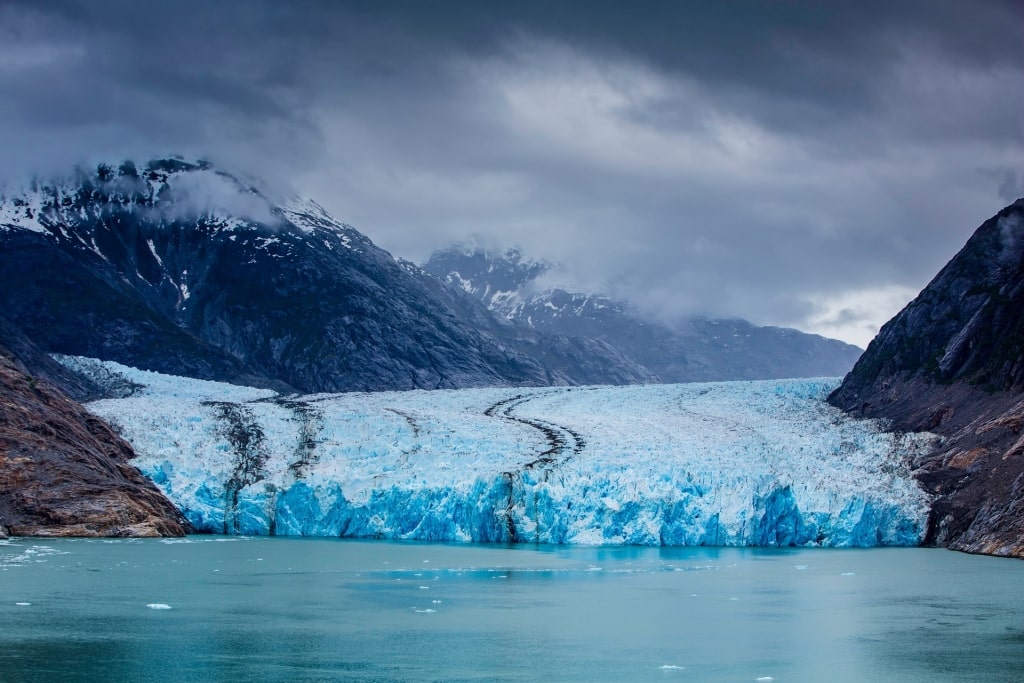
The aesthetic appeal of Mendenhall Glacier is undeniable. Framed by the rugged peaks of the Coast Mountains and Mount Jumbo, its blue ice contrasting with lush temperate rainforest and the thunderous Nugget Falls, it presents a tableau of classic Alaskan beauty. The various viewing platforms and trails offer a multitude of perspectives for photography, from sweeping panoramic vistas to intimate shots of icebergs in Mendenhall Lake. In an age dominated by visual media, the “Instagrammability” of Mendenhall Glacier further amplifies its fame, with countless images shared globally, inspiring more to visit.
A Symbol of Alaskan Wilderness
Beyond its physical attributes and accessibility, Mendenhall Glacier has become a powerful symbol of the Alaskan wilderness experience. For many, it is their first and often most profound encounter with the immense natural forces that shaped and continue to shape Alaska. It embodies the state’s wild spirit, its breathtaking beauty, and its stark vulnerability to environmental change. Its fame is a testament not just to its individual splendor but to its role as an ambassador for Alaska’s entire glacial heritage, inviting exploration and fostering appreciation for these magnificent natural landmarks. While contenders like Hubbard Glacier offer more dramatic scale and Exit Glacier provides a similar walk-up experience, Mendenhall Glacier’s holistic combination of ease, beauty, and educational value cements its reputation as Alaska’s most famous glacier.
LifeOutOfTheBox is a participant in the Amazon Services LLC Associates Program, an affiliate advertising program designed to provide a means for sites to earn advertising fees by advertising and linking to Amazon.com. Amazon, the Amazon logo, AmazonSupply, and the AmazonSupply logo are trademarks of Amazon.com, Inc. or its affiliates. As an Amazon Associate we earn affiliate commissions from qualifying purchases.