
Arizona, often celebrated for its stunning desert landscapes, iconic saguaros, and the awe-inspiring Grand Canyon, is also a land profoundly shaped by its rich indigenous heritage. This deep cultural tapestry is woven by the presence of numerous Native American tribes, each with its unique history, language, traditions, and sovereignty. For visitors seeking to delve beyond the scenic vistas and into the heart of authentic local culture, understanding the scope and diversity of Arizona’s tribal nations is an essential first step.
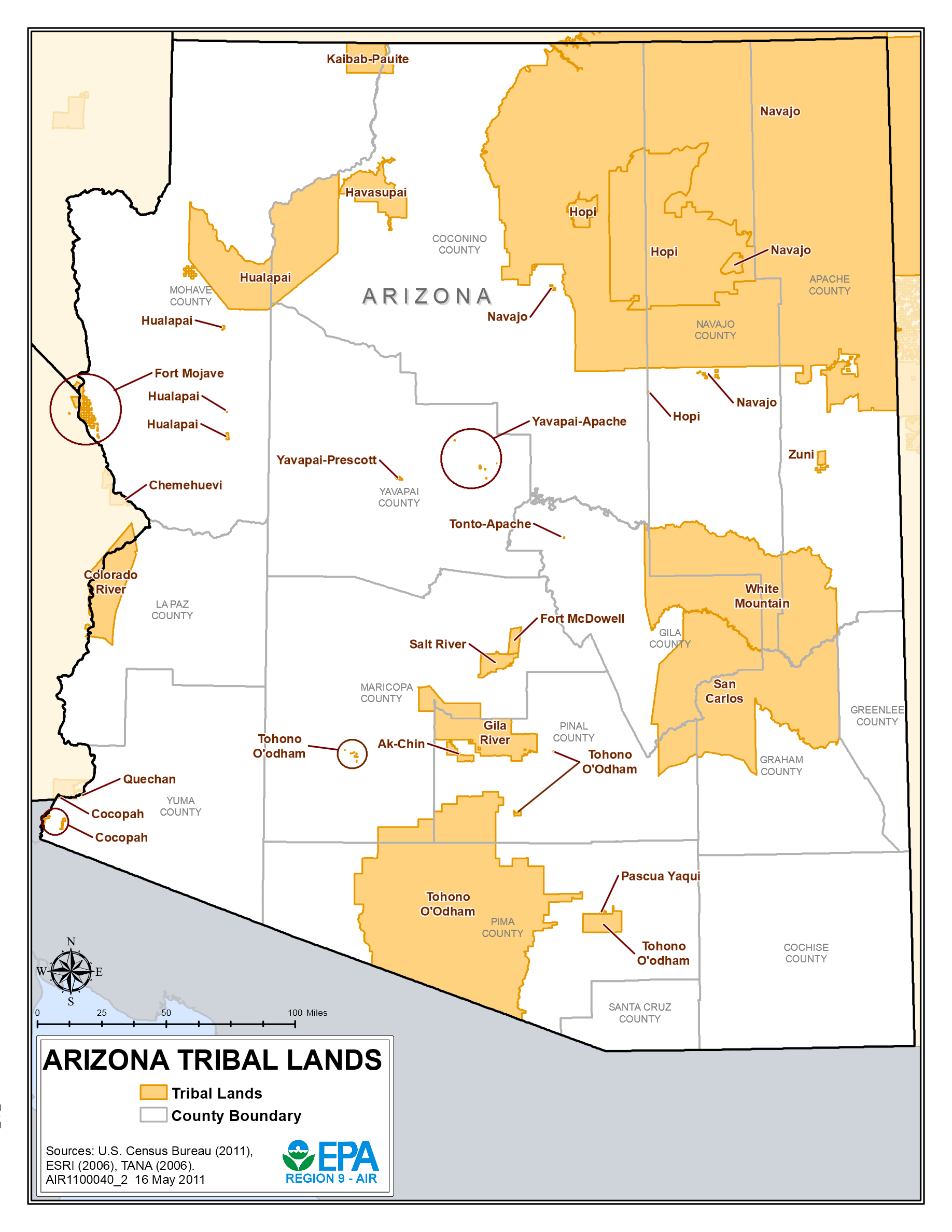
The simple answer to “How many Indian tribes in Arizona?” is 22 federally recognized tribes. This significant number underscores Arizona’s status as one of the states with the largest Native American populations and land bases in the United States. These tribes manage vast reservation lands, totaling over 19 million acres, which account for more than a quarter of the state’s total area. Their presence is not merely historical; it is a vibrant, living force that contributes immeasurably to the state’s cultural, economic, and social fabric. For the discerning traveler, these tribal lands offer unparalleled opportunities for cultural immersion and responsible tourism, providing windows into ancient traditions and contemporary indigenous life.
A Tapestry of Nations: The Rich Diversity of Arizona’s Tribes
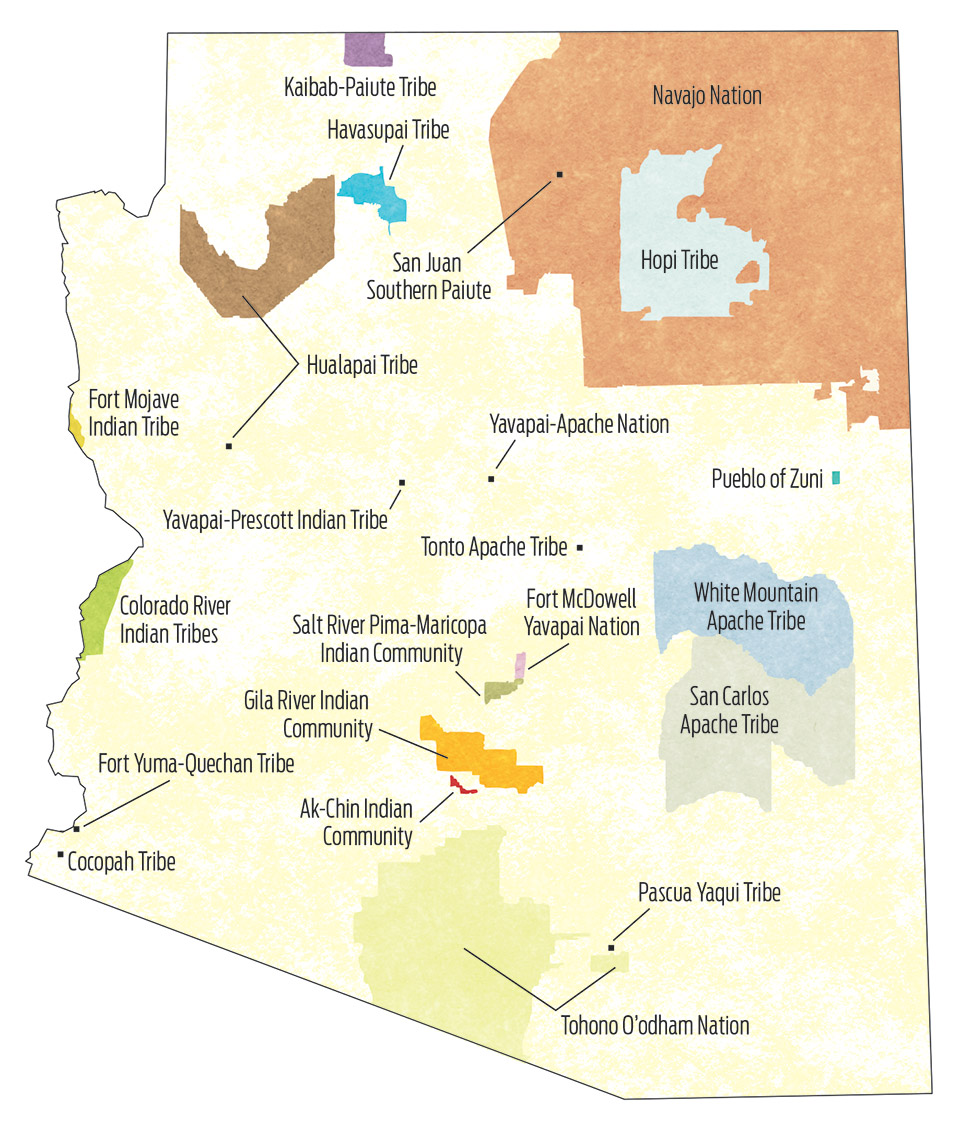
The 22 federally recognized tribes in Arizona represent a remarkable spectrum of cultural groups, including various Apache, Hopi, Hualapai, Havasupai, Maricopa, Mohave, Navajo, Pima, Quechan, Tohono O’odham, and Yavapai communities, among others. Each nation possesses its distinct governance, ancestral lands, linguistic heritage, and ceremonial practices. This diversity means that a journey through Arizona’s tribal lands is not a monolithic experience, but rather a series of unique encounters, each offering fresh perspectives and profound insights.
Iconic Tribal Destinations and Experiences
Among the numerous tribal lands, several stand out as significant destinations for tourists keen on cultural exploration:
- Navajo Nation: As the largest Native American reservation in the United States, covering parts of Arizona, Utah, and New Mexico, the Navajo Nation is a land of incredible natural beauty and profound cultural depth. Visitors can explore iconic landscapes like Monument Valley Navajo Tribal Park, where towering sandstone buttes rise from the desert floor, or Canyon de Chelly National Monument, home to ancient cliff dwellings. Engaging with local guides provides invaluable context, sharing insights into Navajo history, traditional weaving, silversmithing, and the enduring resilience of Diné culture.
- Hopi Mesas: Situated atop three ancient mesas within the Navajo Nation, the Hopi villages are considered some of the oldest continuously inhabited settlements in North America. A visit here is a journey back in time, offering a glimpse into a vibrant, living culture known for its deep spiritual traditions, intricate kachina dolls, pottery, and basket weaving. Access to some villages requires a tribal guide to ensure respectful interaction with residents and sacred sites.
- Hualapai Nation and Grand Canyon West: The Hualapai Tribe manages Grand Canyon West, a spectacular area on the western rim of the Grand Canyon. This includes the famous Skywalk, a glass bridge extending out over the canyon floor, offering unparalleled views of the Colorado River below. Beyond the breathtaking views, visitors can experience Hualapai culture through traditional dance performances, arts and crafts, and authentic cuisine, all while supporting the tribe’s tourism initiatives.
- White Mountain Apache Tribe: Located in eastern Arizona, the Fort Apache Indian Reservation is home to the White Mountain Apache Tribe. This area is a haven for outdoor enthusiasts, offering excellent fishing, hunting, and scenic drives through ponderosa pine forests. The Apache Cultural Center and Museum in Fort Apache provides historical context and showcases traditional arts and regalia, inviting visitors to learn about the tribe’s rich heritage.
- Tohono O’odham Nation: Spanning over 2.8 million acres southwest of Tucson, the Tohono O’odham Nation is the second-largest land-based tribe in Arizona. Their desert homeland is steeped in history and tradition, offering opportunities to explore the unique Sonoran Desert ecosystem and learn about the tribe’s agricultural practices, basket weaving, and vibrant artistic expressions.

Responsible Tourism and Cultural Etiquette
Engaging with Arizona’s tribal cultures is an immensely rewarding experience, but it requires a commitment to responsible and respectful tourism. These are not merely tourist attractions but sovereign nations with living communities, sacred sites, and cherished traditions.
Tips for Respectful Engagement
- Seek Permission and Guidance: Always check tribal regulations before visiting. Some areas are restricted, and photography may be prohibited, especially during ceremonies. Consider hiring a tribal guide, as they offer authentic insights and ensure cultural protocols are observed.
- Support Local Economies: Purchase authentic arts, crafts, and food directly from tribal artisans and businesses. This directly benefits the communities and helps sustain their cultural practices. Look for certifications of authenticity when buying crafts.
- Respect Sacred Sites: Many tribal lands contain sites of profound spiritual significance. Treat these areas with the utmost reverence, adhering to any posted rules regarding access or behavior.
- Observe and Listen: Cultural immersion is about learning. Be an attentive observer, listen to the stories shared, and be open to different perspectives. Avoid making assumptions or generalizations about tribal cultures.
- Understand Sovereignty: Recognize that tribal nations are self-governing entities. Their laws and customs may differ from federal or state laws. Respecting their sovereignty is paramount.
- Plan Ahead: Road conditions, services, and accessibility can vary significantly on tribal lands. Check ahead for opening hours, specific events, and any necessary permits, especially when exploring remote areas. Major cities like Phoenix, Tucson, and Flagstaff serve as excellent gateways to these regions, but information specific to tribal lands should be gathered directly from tribal tourism offices or official websites.
Beyond the Reservations: Urban Cultural Experiences
Even outside tribal lands, Arizona’s major cities offer significant opportunities to connect with Native American culture.
- Heard Museum in Phoenix: This world-renowned museum is dedicated to the advancement of American Indian art and culture. Its extensive collections, vibrant exhibitions, and annual festivals (like the Heard Museum Guild Indian Fair & Market) provide an excellent introduction to the diverse indigenous traditions of the Southwest.
- Museum of Northern Arizona in Flagstaff: Focusing on the natural and cultural heritage of the Colorado Plateau, this museum features significant collections of Native American art and artifacts, particularly from the Hopi, Navajo, and Zuni tribes.
- Local Markets and Galleries: Throughout Arizona, especially in tourist hubs like Sedona and Scottsdale, numerous galleries and markets showcase authentic Native American art, jewelry, and crafts. Always inquire about the artist’s tribal affiliation and the provenance of items to ensure you are purchasing genuine, ethically sourced pieces.
The presence of 22 federally recognized tribes makes Arizona an exceptionally rich destination for cultural tourism. Each tribe contributes its unique voice to the state’s identity, offering visitors a chance to connect with ancient traditions, vibrant contemporary cultures, and breathtaking landscapes that are often sacred. By approaching these experiences with respect, an open mind, and a commitment to responsible tourism, travelers can gain a profound appreciation for the enduring legacy and ongoing vitality of Arizona’s Native American nations.
LifeOutOfTheBox is a participant in the Amazon Services LLC Associates Program, an affiliate advertising program designed to provide a means for sites to earn advertising fees by advertising and linking to Amazon.com. Amazon, the Amazon logo, AmazonSupply, and the AmazonSupply logo are trademarks of Amazon.com, Inc. or its affiliates. As an Amazon Associate we earn affiliate commissions from qualifying purchases.