
The critically acclaimed film “The Florida Project” transcends typical cinematic narratives, offering a profound and often heart-wrenching look at a segment of society rarely depicted on screen: families living on the fringes of America’s most celebrated tourist destination. Far from a glamorous travelogue, the movie, directed by Sean Baker, unpacks the hidden realities of temporary housing, portraying budget motels not merely as transient stops for vacationers, but as long-term homes for the economically marginalized. This powerful story is deeply entrenched in the “Hotels” niche, specifically exploring how certain lodging establishments function as de facto permanent residences, redefining the very concept of a “hotel experience” in the shadow of fantastical resorts.
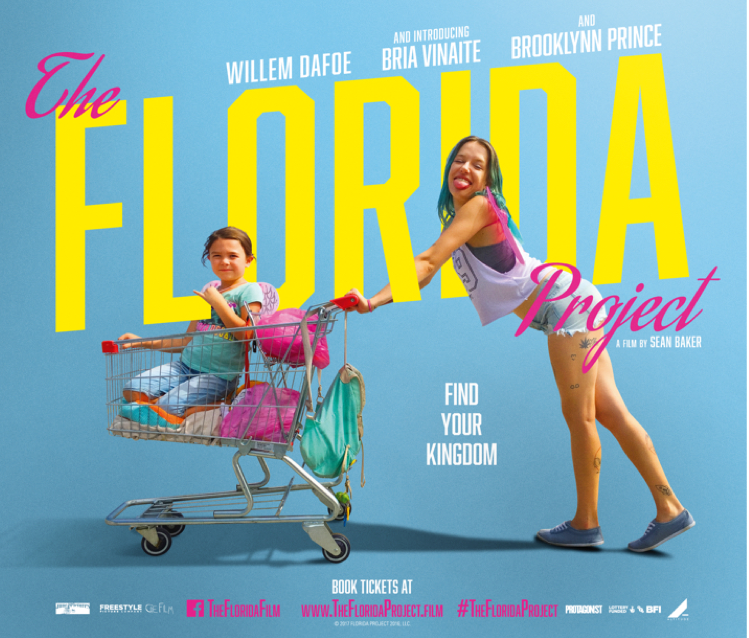
Set just miles from the enchanting gates of Walt Disney World in Orlando, Florida, the movie centers on six-year-old Moonee and her young mother, Halley, as they navigate daily life at the fictional Magic Castle Motel. Through Moonee’s innocent eyes, viewers witness the harsh realities of poverty juxtaposed against the vibrant, candy-colored facades of the budget motels lining the famous Kissimmee tourist strip. The film forces us to reconsider what a “hotel” truly represents when it becomes a permanent address, revealing a complex ecosystem of transient living that challenges conventional perceptions of hospitality and accommodation.
Unveiling the Hidden Reality of Transient Living in Florida’s Hotel Landscape
“The Florida Project” masterfully peels back the veneer of the Sunshine State’s tourism industry to expose a poignant truth: for many, the promise of Florida isn’t about magical vacations, but a desperate search for affordable, albeit unstable, shelter. The film’s primary setting, the Magic Castle Motel, becomes a microcosm of this hidden reality, functioning as a permanent residence for families struggling to make ends meet.
The Magic Castle Motel: A Home on the Fringes of Disney Dreams
The Magic Castle Motel, with its faded purple exterior and whimsical but worn signage, serves as more than just a backdrop; it is a central character in itself. This motel, along with others like the Futureland Inn and Motel 6 (often depicted in the film’s broader setting), embodies a specific type of hotel that has evolved to meet an urgent social need. These are not five-star resorts designed for leisure; they are essential, if precarious, housing solutions. The film highlights the unique challenges and improvised joys of children like Moonee, whose playground extends from the motel’s communal walkways to the surrounding neglected landscapes, all within shouting distance of the theme park fireworks. It portrays a form of urban poverty that is both pervasive and largely invisible to the millions of tourists who flock to Orlando each year, passing by these very motels on their way to fantasy.
Redefining the “Hotel Experience” for Long-Term Residents
In the context of “The Florida Project,” the conventional “hotel experience” is dramatically redefined. For Moonee and Halley, the motel room isn’t a temporary stopover with daily maid service and lavish amenities; it’s a cramped, often unreliable home where basic needs become paramount. The manager, Bobby, brilliantly portrayed by Willem Dafoe, serves as a de facto social worker, landlord, and protector for the motel’s residents, constantly balancing the demands of his job with a deep, if gruff, empathy for those under his care. His role underscores the fact that these motels operate under unique pressures, far removed from the standardized luxury or business models of traditional hotels. The amenities, such as a swimming pool or laundry room, take on amplified importance, serving as communal spaces and lifelines for residents, rather than mere conveniences for travelers. The film challenges viewers to recognize the diverse roles hotels play in society, extending beyond mere hospitality to provide essential, albeit substandard, housing.
The Economic Substratum: Budget Motels as De Facto Housing
The movie provides a stark look at the economic forces that drive families into such transient living arrangements. It’s a poignant exploration of how the hotel industry, particularly its budget segment, inadvertently becomes a crucial, if inadequate, part of the affordable housing crisis in areas dominated by tourism.
The Proliferation of “Extended Stay” Hotels Near Tourist Hubs
The area around Orlando and Kissimmee is home to countless hotels, ranging from opulent resorts like those at Walt Disney World to modest roadside motels. “The Florida Project” focuses on the latter, which often cater to “extended stay” guests. These hotels, originally designed for business travelers or families needing temporary lodging for a few weeks, have become long-term solutions for individuals and families unable to afford conventional apartments due to low wages, poor credit, or housing shortages. The film subtly highlights the business model that allows these motels to offer weekly rates, making them accessible to those who are paid hourly or inconsistently. This system traps many in a cycle of precarious living, where the threat of eviction looms with every missed payment. It exposes a facet of the hospitality industry that serves as a last resort, highlighting the economic disparities that exist even in the most economically vibrant tourist regions.

A Contrast in Comfort: From Orlando Resorts to Week-to-Week Motels
The thematic core of “The Florida Project” is intrinsically linked to the geographical proximity of extreme wealth and extreme poverty. Just a stone’s throw from the Magic Castle Motel stand the sprawling, meticulously maintained grounds of Walt Disney World, Universal Studios Florida, and SeaWorld Orlando. These luxury resorts offer every imaginable comfort and amenity, promising escapism and unparalleled guest experiences. The film’s narrative strategically positions these two worlds in stark contrast, without explicitly dwelling on the disparity. Instead, it allows the visual juxtaposition to speak volumes: fireworks exploding over Cinderella’s Castle, visible from Moonee’s motel window, serve as a constant reminder of an inaccessible dream. This highlights how the broader hotel ecosystem in Orlando is segmented, with high-end establishments catering to affluent tourists, while older, cheaper motels house an entirely different demographic whose “stay” is not a vacation but a struggle for survival. The film’s subtle commentary on the hospitality industry’s role in exacerbating or ameliorating social inequalities is a powerful and uncomfortable truth.
The Architectural and Social Fabric of the “Purple World”
Beyond the economic implications, “The Florida Project” also delves into the unique architectural and social characteristics of these budget motels. It illustrates how these structures, designed for transience, nonetheless become vital social hubs and communities for their long-term inhabitants.
Aesthetic and Atmosphere: The Faded Glamour of Discount Lodging
The motels featured in “The Florida Project” are characterized by their distinct, often garish, aesthetics—bright pastel colors, kitschy signs, and playful names. This “purple world,” as some critics have called it, is a deliberate design choice, originally intended to attract budget-conscious tourists looking for a slice of Florida fun. However, for the long-term residents, this faded glamour takes on a different meaning. The chipped paint, worn furniture, and perpetually humid interiors become the backdrop of their everyday lives. The film’s cinematography emphasizes these details, creating an atmosphere that is both vibrant and melancholic. It shows how the physical environment of these hotels, initially built for fleeting joy, now silently testifies to enduring hardship. The film forces a recognition that a hotel’s appearance, while often a marketing tool, also shapes the lived experience of those who call it home.
Building Communities Within Transient Walls
Despite the temporary nature of motel living, “The Florida Project” reveals how residents forge makeshift communities within these transient walls. Children like Moonee find playmates among other motel kids, exploring the surrounding areas with a sense of boundless energy and innocence. Adults, too, form bonds of support and camaraderie, sharing resources, babysitting each other’s children, and navigating the challenges of poverty together. The motel office and its manager, Bobby, become central figures in this informal community, providing a sense of stability and often acting as mediators or informal social service providers. This portrayal challenges the notion that hotels are purely impersonal spaces; instead, it illustrates their potential to foster human connection and resilience, even under the most challenging circumstances. The film showcases a unique form of “hotel culture,” where the lines between guest and resident, and between commerce and community, are blurred.
The Indelible Mark: How “The Florida Project” Reshapes Our Perception of Hotels
“The Florida Project” leaves an indelible mark on viewers, fundamentally reshaping how one might perceive the diverse and often complex world of hotels. It moves beyond superficial discussions of thread counts and lobby aesthetics, delving into the profound social impact of these establishments.
Beyond Amenities: Hotels as Social Barometers
The film positions budget hotels not just as places of accommodation but as critical social barometers, reflecting broader issues of economic inequality, housing instability, and the hidden costs of a thriving tourism industry. It emphasizes that a hotel’s “amenities” can be interpreted very differently based on one’s circumstances. For long-term residents, consistent hot water, functioning air conditioning, and a secure door are not luxuries but fundamental necessities. The film implicitly critiques the conventional metrics by which hotels are often judged, urging a more empathetic and holistic understanding of their role in society. It highlights how these hotels, often overlooked by critics and tourists alike, are frontline witnesses to human resilience and struggle, offering an unvarnished view of contemporary social challenges in America.
A Call for Empathy and Understanding in the Hospitality Sector
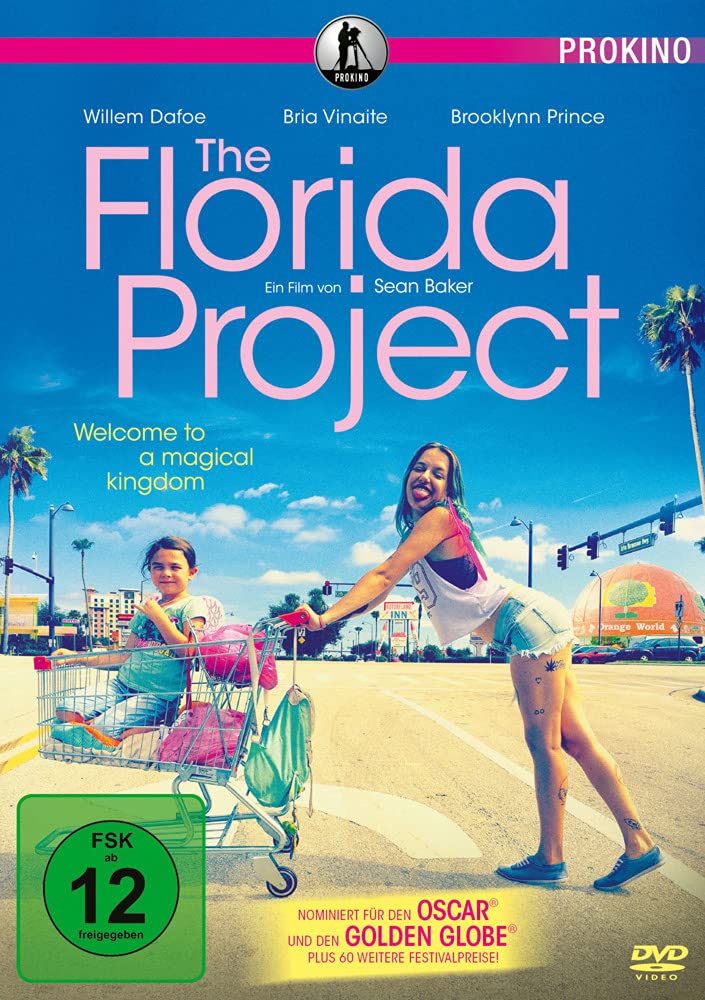
Ultimately, “The Florida Project” serves as a powerful call for greater empathy and understanding within the hospitality sector and society at large. It encourages viewers to look beyond the surface, to recognize the human stories embedded within every hotel, regardless of its star rating or nightly rate. The movie challenges the industry to acknowledge its often-unintended social responsibilities when its rooms become permanent homes. While the film doesn’t offer easy answers or explicit solutions, it ignites a conversation about the need for systemic change in affordable housing and social support. By humanizing the lives of those living in the shadows of tourist paradises, “The Florida Project” leaves a lasting impression, transforming our perception of hotels from mere places to stay into complex social institutions with profound human implications. It ensures that the “Magic Castle Motel” and its inhabitants will forever be etched in the collective consciousness as a poignant reminder of the multifaceted reality of the hotel experience.
LifeOutOfTheBox is a participant in the Amazon Services LLC Associates Program, an affiliate advertising program designed to provide a means for sites to earn advertising fees by advertising and linking to Amazon.com. Amazon, the Amazon logo, AmazonSupply, and the AmazonSupply logo are trademarks of Amazon.com, Inc. or its affiliates. As an Amazon Associate we earn affiliate commissions from qualifying purchases.