
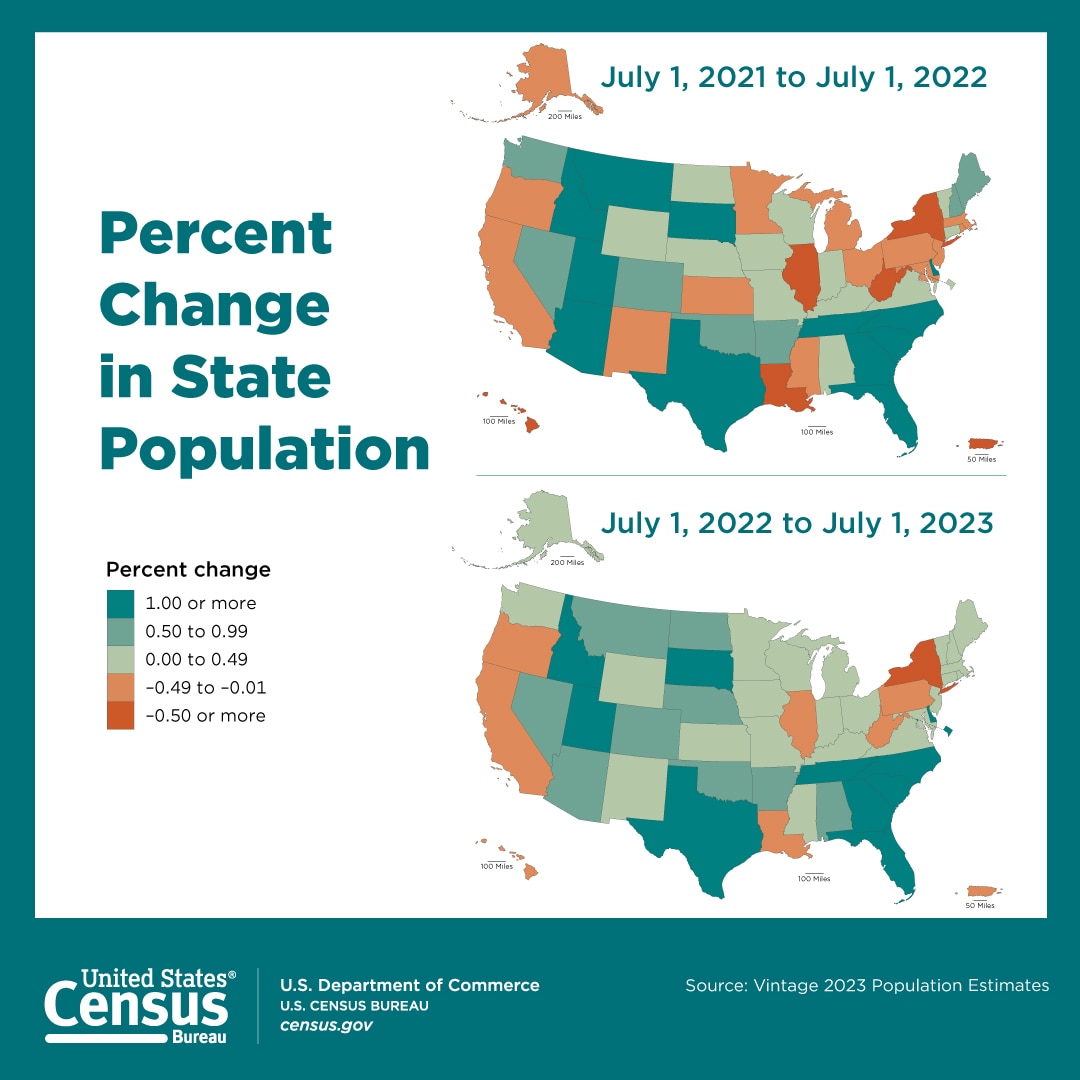
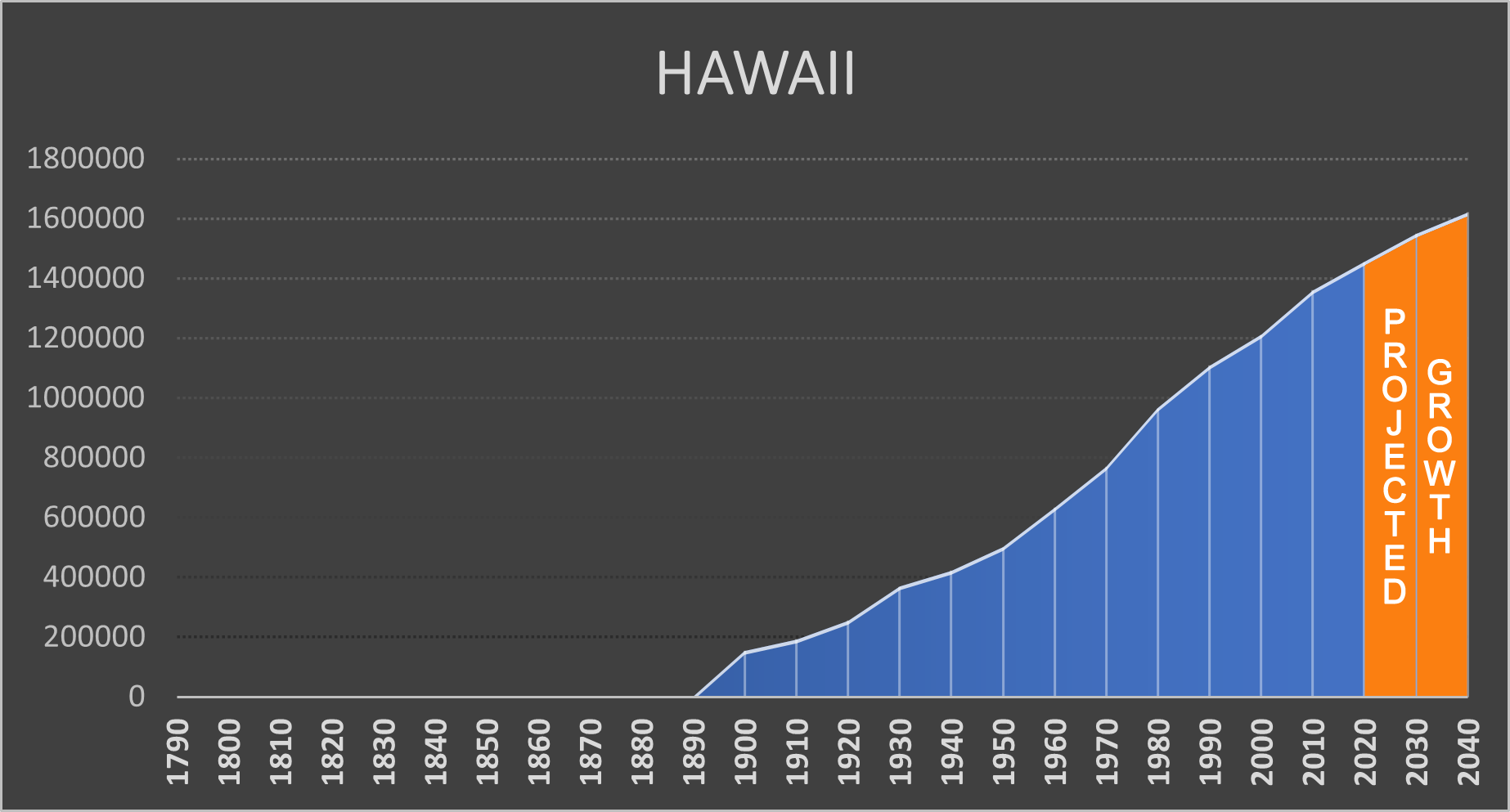
Understanding the population of Hawaii is essential for any traveler looking to go beyond the surface of its pristine beaches and turquoise waters. As the most isolated archipelago on the planet, Hawaii serves as a unique cultural laboratory, where the demographic makeup directly shapes the tourism experience. Currently, the resident population of the United States’ 50th state hovers around 1.44 million people. However, this number only tells part of the story. For the curious tourist, the true “population” of the islands is a vibrant, shifting tapestry of indigenous heritage, multi-ethnic history, and a massive influx of global visitors that can swell the daily headcount by hundreds of thousands.
Understanding the Cultural Fabric of Hawaii’s Population
To visit Hawaii is to step into a society that is unlike any other in North America. The population is defined by its “minority-majority” status, where no single ethnic group holds a numerical majority. This diversity is the heartbeat of local tourism, influencing everything from the language you hear on the streets of Honolulu to the festivals celebrated throughout the year.
The Native Hawaiian Heritage
At the core of the islands’ identity are the Native Hawaiians, the descendants of the Polynesia voyagers who first discovered these islands over a millennium ago. While they comprise roughly 10% to 20% of the modern population (depending on self-identification metrics), their cultural influence is the foundation of the tourism industry. Travelers who engage with local tourism are often participating in activities rooted in ancient traditions, such as the hula, surfing, and the concept of “Malama Aina” (caring for the land). Respecting this indigenous population is a cornerstone of responsible tourism.
The Melting Pot: Asian and Pacific Islander Influences
In the 19th and 20th centuries, the population of Hawaii shifted dramatically due to the plantation era. Laborers arrived from Japan, China, the Philippines, Korea, and Portugal to work in the sugar and pineapple fields. Today, people of Asian descent make up the largest demographic group in the state. For a visitor, this translates into an incredible richness of local culture. You can spend a morning at a Buddhist temple, an afternoon eating Filipino adobo, and an evening watching a Japanese Bon Dance.
The Aloha Spirit as a Way of Life
Despite the high cost of living and the density of urban areas like Waikiki, the population is famous for the “Aloha Spirit.” This isn’t just a marketing slogan for the Hawaii Tourism Authority; it is actually written into the state’s statutes. It refers to the coordination of mind and heart and the practice of kindness. Tourists who understand that the local population values community and humility will find their interactions much more rewarding.
Geographic Distribution: Where the People Live
When planning a trip, it is vital to know where the population is concentrated. This determines the level of infrastructure, the availability of services, and the “vibe” of your destination.
Oahu: The Gathering Place
The island of Oahu is home to nearly 70% of the entire state’s population. With nearly one million residents, it is the center of commerce, government, and tourism. When you stay in Honolulu, you are in a major American metropolis. This density allows for world-class dining and attractions like the Iolani Palace and Pearl Harbor. However, it also means that tourists must navigate traffic and crowded beaches alongside the local workforce.
The Neighbor Islands: Maui, Kauai, and the Big Island
Outside of Oahu, the population density drops significantly, offering a different style of tourism.
- Maui: With a population of about 165,000, Maui offers a balance of luxury resorts and small-town charm. The population is concentrated in Kahului and Wailuku, while areas like Hana remain sparsely populated and deeply traditional.
- Hawaii Island: Often called the Big Island, it has roughly 200,000 residents spread across a massive landmass. This creates a sense of openness. The populations in Hilo and Kailua-Kona are known for their laid-back, “old school” Hawaii feel.
- Kauai: The Garden Isle has a population of around 73,000. It is the destination for those looking to escape the crowds. The local population here is fiercely protective of their natural resources, and the tourism experience is centered on hiking the Na Pali Coast and exploring Waimea Canyon.
Rural Gems: Molokai and Lanai
For those seeking the path less traveled, Molokai and Lanai offer a glimpse into a quieter life. Molokai has no traffic lights and a population of about 7,000, many of whom are of Native Hawaiian descent. Lanai, with only 3,000 residents, is largely owned by a private entity, housing exclusive resorts like the Four Seasons Resort Lanai.
Impact of Population on the Tourism Experience
The relationship between the resident population and the tourism sector is symbiotic. The population provides the hospitality and cultural knowledge that makes a trip memorable, while tourism provides the economic engine that sustains the local lifestyle.
Culinary Diversity Born of Demographics
The demographic makeup of Hawaii is most delicious in its food. “Plate lunch” culture is a direct result of the mixed population. A standard plate lunch—two scoops of white rice, macaroni salad, and a protein like chicken katsu or kalua pork—reflects the shared history of the plantation workers. Visitors should seek out “hole-in-the-wall” spots in Kalihi or Kapahulu to experience the authentic taste of the people.
Local Festivals and Cultural Celebrations
A great way to engage with the population is to time your visit with local festivals. The Merrie Monarch Festival in Hilo is the world’s premier hula competition and a profound display of Hawaiian pride. The Aloha Festivals on Oahu feature floral parades and royal courts that celebrate the history of the Kingdom of Hawaii. These events allow tourists to see the local population at their most vibrant and expressive.
Sustainable Tourism and Respecting Local Spaces
With a resident population of 1.4 million hosting upwards of 10 million visitors annually, there is a natural tension regarding land use and resources. Responsible tourism means acknowledging that you are a guest in someone’s home. Popular spots like Diamond Head and Hanauma Bay Nature Preserve now require reservations to manage the “tourist population” and prevent environmental degradation.
Tourism Statistics vs. Permanent Residency
When people ask “What is the population of Hawaii?”, they are often surprised by the visitor-to-resident ratio. On any given day, there are roughly 200,000 to 250,000 tourists in the islands. This means that in popular areas, the “temporary population” can significantly outnumber the locals.
Seasonal Fluctuations
The “population” of Hawaii feels much larger during peak seasons. The winter months, especially around Christmas and New Year’s, see a massive influx of travelers from the Mainland United States and Canada escaping the cold. Similarly, the summer months bring families on vacation. For a more “local” experience, traveling during the “shoulder seasons” (April to June or September to November) allows you to see the islands when the population is closer to its resident baseline.
The Urbanization of Honolulu
Honolulu is a high-density city that rivals San Francisco in terms of residents per square mile. This urban population supports a sophisticated tourism infrastructure. You can find luxury shopping at the Ala Moana Center or attend a performance at the Hawaii Theatre. Understanding that Hawaii is not just a collection of beaches but a thriving, populated state helps tourists appreciate the modern side of island life.
Practical Tips for Engaging with the Local Population
To make the most of your trip, it is helpful to understand the social norms of the people who live in Hawaii.
Learning the Lingo: Pidgin and Hawaiian Language
While English is the primary language, much of the population speaks Hawaiian Pidgin (Hawaii Creole English). You’ll hear terms like “brah,” “grindz” (food), and “pau” (finished). Additionally, the Hawaiian Language is integrated into daily life. Always use “Aloha” (hello/goodbye/love) and “Mahalo” (thank you). Knowing that “Makai” means toward the ocean and “Mauka” means toward the mountains will help you follow local directions.
Etiquette for Visiting Sacred Sites
The local population holds many areas of the islands as “wahi pana” or sacred places. When visiting sites like Pu’uhonua o Honaunau National Historical Park or the various “heiau” (ancient temples) scattered across the islands, it is important to be quiet, stay on marked paths, and never remove stones or plants. This respect for the land is a vital part of the local culture and will be deeply appreciated by the resident population.

Supporting Local Businesses
The best way to benefit the population you are visiting is to “Buy Local.” Instead of always dining at national chains or shopping at big-box retailers, seek out local farmers’ markets, such as the KCC Farmers Market. Support local artisans at the International Market Place and choose tour operators that are owned by residents. This ensures that the economic benefits of tourism stay within the Hawaii community.
In conclusion, while the population of Hawaii is numerically around 1.4 million, its impact and diversity make it feel like a much larger world. By understanding the people—their history, their distribution across the islands, and their cultural values—tourists can enjoy a deeper, more meaningful connection to the Aloha State. Whether you are exploring the bustling streets of Waikiki or the quiet trails of Haleakala National Park, the people of Hawaii are the true heart of the Pacific experience.
LifeOutOfTheBox is a participant in the Amazon Services LLC Associates Program, an affiliate advertising program designed to provide a means for sites to earn advertising fees by advertising and linking to Amazon.com. Amazon, the Amazon logo, AmazonSupply, and the AmazonSupply logo are trademarks of Amazon.com, Inc. or its affiliates. As an Amazon Associate we earn affiliate commissions from qualifying purchases.