
The vibrant tapestry of the United States is woven with unique symbols, each representing the distinct spirit and natural heritage of its states. From the majestic Grand Canyon in Arizona to the iconic Golden Gate Bridge in California, these landmarks and emblems offer a glimpse into the soul of a region. For the state of Nevada, a land renowned for its striking desert landscapes, rich mining history, and dazzling entertainment hubs like Las Vegas, its avian representative holds a special significance. Understanding the state bird is not merely an exercise in trivia; it’s an invitation to connect with the natural beauty and enduring character that define the Silver State. This exploration delves into the identity of Nevada’s official bird, its ecological importance, and how its presence is woven into the fabric of the state’s identity and its many attractions.
The Unveiling of a State Symbol: The Mountain Bluebird
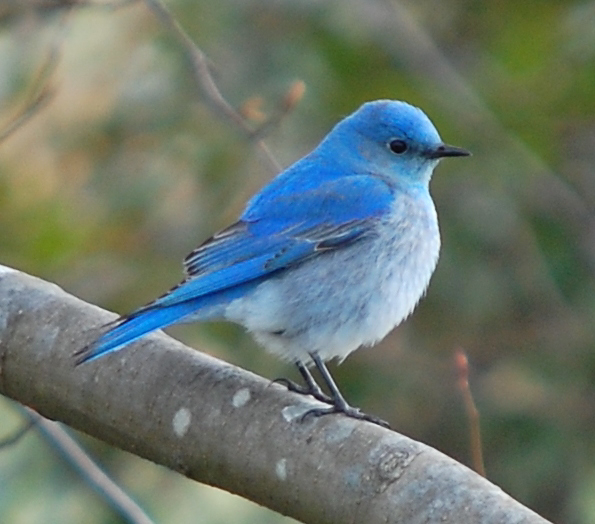
The answer to “What Is The Nevada State Bird?” is the Mountain Bluebird (Sialia currucoides). This decision was formally adopted by the Nevada Legislature in 1967, solidifying its place as a cherished emblem of the state. The choice of the Mountain Bluebird was not arbitrary; it reflects a deep appreciation for the bird’s striking beauty, its adaptable nature, and its prominent presence within the diverse ecosystems of Nevada.
A Palette of Azure: Distinctive Features of the Mountain Bluebird
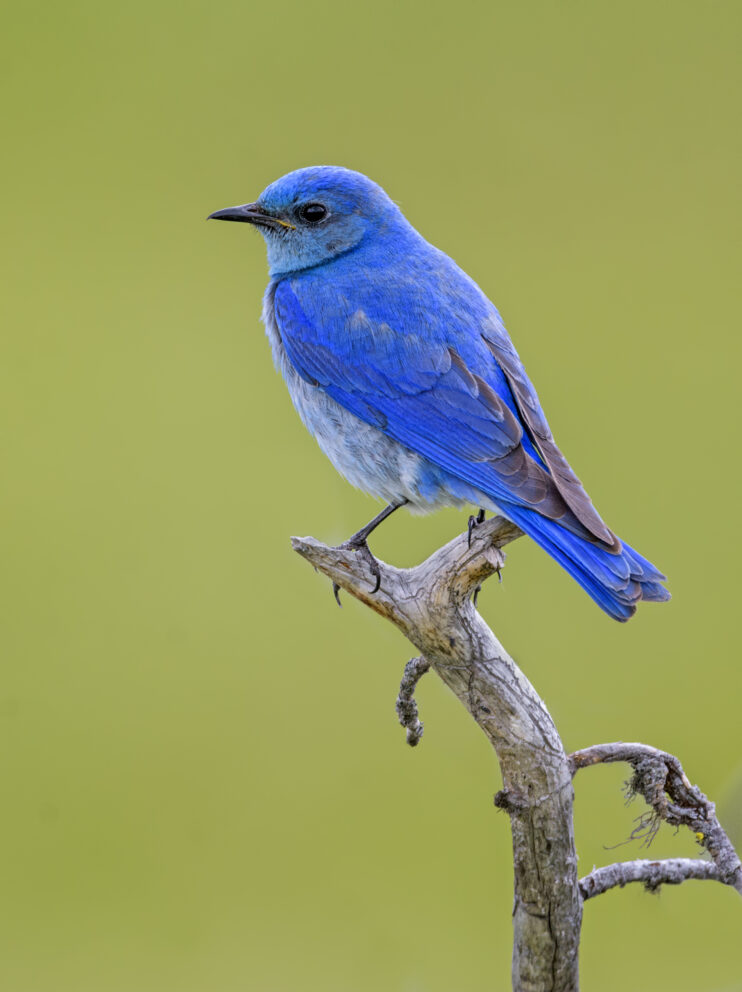
The Mountain Bluebird is an undeniably beautiful creature, easily recognizable by its breathtaking plumage. The adult male is a spectacular sight, adorned with a vibrant, sky-blue coloration that covers its head, back, wings, and tail. This intense azure hue often shimmers and changes with the light, making it a truly captivating subject for any observer. Its breast and belly are typically a lighter, paler blue, sometimes with a subtle grayish or whitish undertone. This striking contrast and brilliant coloration are what immediately capture the eye and contribute to its widespread appeal.
The female, while not as intensely colored as the male, possesses her own understated elegance. Her plumage is generally a softer, grayish-blue, with hints of brown on her back and wings. This subtler coloring provides excellent camouflage, aiding in nesting and raising young in the wild. Both sexes share a slender build, a relatively small size (about 6-7 inches in length), and a characteristic pointed bill, well-suited for its insectivorous diet. Their bright, beady eyes add to their alert and inquisitive appearance, as they often perch on elevated points, scanning their surroundings for prey.
The Selection Process: Why the Mountain Bluebird?
The designation of a state bird is often a process that involves community input, legislative action, and a consideration of which species best embodies the spirit and environment of the state. In the case of Nevada, the Mountain Bluebird was likely chosen for several compelling reasons. Its widespread distribution across the state, from the high desert plains to the mountainous regions, means it is a familiar sight to many Nevadans and visitors alike. Its ability to thrive in open woodlands, meadows, and even semi-arid areas makes it a symbol of resilience and adaptability, qualities that resonate with the state’s rugged landscape and pioneering history. Furthermore, its dazzling beauty offers a stark and welcome contrast to the often-arid and muted tones of the desert, bringing a splash of vibrant color to the natural environment.
Habitat and Distribution: Where to Find Nevada’s State Bird
The Mountain Bluebird’s affinity for open spaces and its ability to adapt to varied elevations make it a ubiquitous presence across the diverse geographical tapestry of Nevada. From the rugged peaks of the Ruby Mountains to the vast sagebrush expanses of the Great Basin, this avian gem can be spotted by keen observers. Understanding its preferred habitats can significantly enhance the experience of searching for and appreciating this state symbol.
Open Woodlands and Mountain Meadows
One of the primary habitats favored by the Mountain Bluebird is open woodlands. These are areas where trees are present but not so dense as to form a closed canopy, allowing for ample sunlight to reach the forest floor. Think of scattered pines, junipers, and aspens, interspersed with grassy clearings. These environments provide both nesting sites, often in cavities of trees or abandoned woodpecker holes, and abundant foraging opportunities.
During the breeding season, the Mountain Bluebird is particularly drawn to mountain meadows and high-altitude grasslands. These areas are rich in insects, its primary food source, and offer the open perching sites that bluebirds prefer for hunting. As spring transitions into summer, these meadows burst with wildflowers, creating a picturesque backdrop for the brilliant blue of the male bird as he surveys his territory. This makes areas like the Lake Tahoe basin and the higher elevations of the Sierra Nevada mountain range prime locations for spotting them.
Desert Oases and Agricultural Lands
While often associated with cooler, higher elevations, the Mountain Bluebird also demonstrates remarkable adaptability, venturing into desert environments where suitable habitats exist. This typically means areas around natural springs, riparian zones along ephemeral streams, or even scattered pockets of vegetation in otherwise arid landscapes. These “desert oases” provide essential water and insect life, allowing the birds to sustain themselves even in harsh conditions.
Furthermore, agricultural lands on the outskirts of towns and cities can also attract Mountain Bluebirds. Fields, pastures, and orchards provide open foraging areas and potential nesting sites. This wider range of habitats underscores the bird’s resilience and its capacity to coexist with human development, making it a symbol of nature’s persistence. For travelers exploring the rural roads of Nevada, keeping an eye on fence posts and utility wires along farmland can often lead to a sighting.
Seasonal Movements and Migration
The Mountain Bluebird is a migratory species, though its migratory patterns can be somewhat complex and vary depending on the specific region and the availability of food and nesting sites. In Nevada, many Mountain Bluebirds breed in the higher elevations during the warmer months. As autumn approaches and temperatures drop, they will often descend to lower elevations or move to areas where food sources remain more accessible.

Some populations may undertake longer migrations south, seeking milder climates and less competition for resources. However, a significant number of Mountain Bluebirds do overwinter within the state, particularly in the southern regions and lower valleys where conditions are more favorable. This means that while spring and summer offer the best opportunities to observe them in their breeding plumage and actively nesting, dedicated birdwatchers can still find them in certain areas throughout the year. Understanding these seasonal movements can help visitors plan their trips to coincide with peak viewing opportunities.
Ecological Significance and Cultural Resonance
The presence of the Mountain Bluebird extends beyond its aesthetic appeal; it plays a vital role in the ecological balance of its habitat and holds a quiet but significant place in the cultural narrative of Nevada. As an insectivore, it contributes to natural pest control, and as a symbol, it fosters a connection between the people of the state and its wild heritage.
A Natural Ally: The Mountain Bluebird’s Role in the Ecosystem
Mountain Bluebirds are primarily insectivores, with a diet that consists largely of grasshoppers, beetles, ants, caterpillars, and other invertebrates. This dietary preference makes them valuable allies in maintaining the health of natural ecosystems and agricultural lands. By consuming large quantities of insects, they help to regulate insect populations, preventing them from reaching levels that could be damaging to vegetation or crops.
Their foraging behavior is quite distinctive. They often perch on exposed branches, fences, or utility wires, patiently scanning the ground below for movement. Once prey is spotted, they launch into a swift aerial pursuit or drop directly onto their target. This active hunting style further contributes to effective insect control. The presence of healthy Mountain Bluebird populations can therefore be an indicator of a balanced and thriving ecosystem, signaling the well-being of the natural environment.
Symbolism and Appreciation: The Bluebird in Nevada’s Identity
The designation of the Mountain Bluebird as the state bird elevates its status from a common wild creature to a recognized symbol of Nevada. This symbolic role fosters a sense of pride and encourages appreciation for the state’s natural heritage. It serves as a reminder of the beauty that exists beyond the bustling casinos of Las Vegas or the historical allure of towns like Virginia City.
For residents and visitors alike, the sight of a Mountain Bluebird can evoke a sense of place, connecting them to the unique landscapes and wildlife of the Silver State. It inspires outdoor activities such as birdwatching, hiking, and scenic drives, encouraging people to explore the natural wonders Nevada has to offer. This cultural resonance contributes to the broader appeal of Nevada as a destination that offers both human-made marvels and profound natural beauty. Initiatives focused on conservation and habitat preservation often highlight the state bird, further embedding its importance in the state’s identity and its ongoing efforts to protect its natural resources.
Experiencing the Mountain Bluebird in Nevada
For those who wish to witness the majesty of the Mountain Bluebird firsthand, Nevada offers numerous opportunities to encounter this vibrant avian resident. Understanding when and where to look can transform a casual drive into a rewarding wildlife observation experience. From expansive natural areas to more accessible locales, the chances of spotting this iconic bird are considerable for the patient observer.
Prime Locations for Birdwatching
When seeking out the Mountain Bluebird in Nevada, it’s beneficial to target areas that align with its preferred habitats. National Forests and vast Bureau of Land Management (BLM) areas are excellent starting points. For instance, exploring the higher elevations of the Humboldt-Toiyabe National Forest, particularly in the spring and summer months, can yield sightings in open woodlands and meadows.
The Ruby Mountains Wilderness is another prime location, known for its stunning alpine scenery and abundant wildlife. Driving scenic routes through this area, with frequent stops to observe the landscape, increases the likelihood of spotting bluebirds. Similarly, the region around Great Basin National Park, with its diverse elevations, offers potential habitats. Even less-traveled rural roads in areas with open grasslands and scattered trees can be surprisingly rewarding. Look for them perching on fence posts, telephone wires, or prominent branches overlooking open fields.
Timing Your Visit for Optimal Sightings
The best time to observe Mountain Bluebirds in Nevada is generally during their breeding season, which runs from spring through summer. As the snow melts and vegetation begins to green, the birds become more active, establishing territories and engaging in courtship rituals. Early mornings and late afternoons are often the most productive times for birdwatching, as this is when birds are typically most active in foraging.
During the fall and winter months, Mountain Bluebirds may be found at lower elevations, particularly in the southern parts of the state, where the climate is milder. Areas around the Colorado River or more sheltered valleys might provide opportunities to see them outside of the typical breeding season. It’s always advisable to check local weather conditions and seasonal wildlife reports before planning a trip.
Tips for Respectful Observation
When embarking on a quest to find the Mountain Bluebird, it is paramount to do so with respect for the bird and its environment. Maintaining a safe distance is crucial to avoid disturbing the birds, especially if they are nesting or feeding young. Using binoculars or a spotting scope allows for close observation without intrusion.
Avoid playing loud music or making sudden movements that could startle them. If you venture off marked trails, do so with care to minimize your impact on the natural habitat. Photography enthusiasts should also be mindful of not stressing the birds for a shot. By practicing responsible wildlife observation, we can ensure that future generations will also have the opportunity to marvel at the beauty of Nevada’s state bird, the magnificent Mountain Bluebird.
LifeOutOfTheBox is a participant in the Amazon Services LLC Associates Program, an affiliate advertising program designed to provide a means for sites to earn advertising fees by advertising and linking to Amazon.com. Amazon, the Amazon logo, AmazonSupply, and the AmazonSupply logo are trademarks of Amazon.com, Inc. or its affiliates. As an Amazon Associate we earn affiliate commissions from qualifying purchases.