
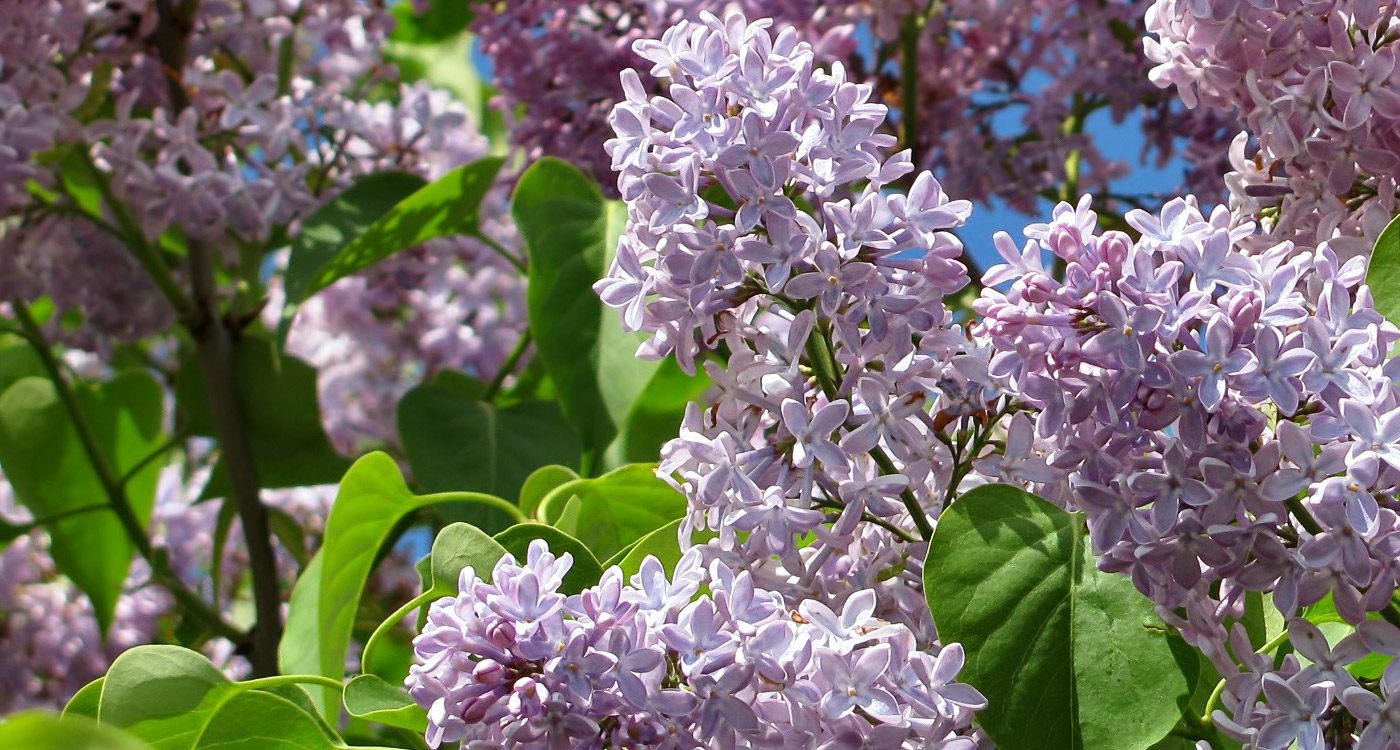
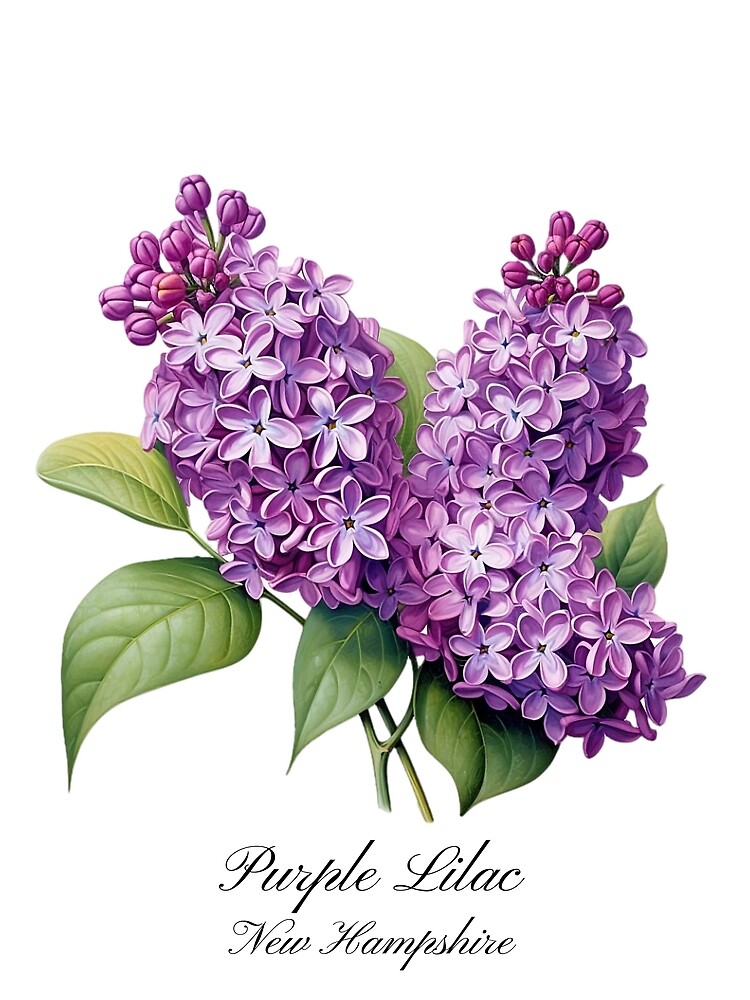
When exploring the rugged, granite-laden landscapes of New Hampshire, one quickly realizes that the state’s identity is deeply rooted in its natural beauty. From the soaring peaks of the White Mountains to the serene shores of Lake Winnipesaukee, the flora of the region plays a crucial role in the state’s aesthetic and ecological heritage. At the heart of this floral identity sits the state flower: the Purple Lilac (Syringa vulgaris). While not native to the United States, this resilient and fragrant blossom has become an inseparable symbol of the “Granite State.”
The Historical Significance of the Purple Lilac
The journey of the Purple Lilac to becoming the official state flower of New Hampshire is a tale of civic pride and historical appreciation. Adopted as the official state flower in 1919, the choice was not merely based on aesthetic appeal but on the symbolism of hardiness and endurance.
From European Roots to American Symbolism
The lilac was introduced to North America by early European settlers. Unlike the delicate wildflowers that dot the fields of New England, the lilac represented the permanence of the home. When pioneers moved westward or settled in the harsh, rocky terrain of the Appalachian Mountains, they brought lilac bushes with them. These plants were often the last remnants of abandoned homesteads, continuing to bloom long after the houses they once framed had crumbled into the soil.
The Legislative Choice
In the early 20th century, the New Hampshire legislature looked for a symbol that could represent the character of its people. The Purple Lilac was chosen because it thrives in the unique climate of the region. It survives the biting cold of northern winters and bursts into vibrant, fragrant blooms during the short, glorious summers. For the people of Concord, the capital city, the flower became a testament to the idea that beauty and toughness can coexist—a philosophy that perfectly aligns with the state’s famous motto, “Live Free or Die.”
Botanical Characteristics and Seasonal Beauty
Understanding the Purple Lilac requires a look at its botanical nature and why it is so beloved by local gardeners and visitors alike. Belonging to the olive family, the Syringa vulgaris is a deciduous shrub that is celebrated not just for its visual appeal, but for its intoxicating fragrance that signals the true arrival of spring in North America.
The Bloom Cycle
The blooming period for the lilac in New Hampshire is brief but spectacular, typically occurring in late May or early June. During these few weeks, the landscape is transformed as the shrubs erupt in cones of purple, lavender, and occasionally white blossoms. This event draws nature enthusiasts to botanical gardens, public parks, and historic homes across the state.

Adaptation to the Granite State
The soil of the Northeast can be unforgiving, but the Purple Lilac is surprisingly adaptable. It requires a period of winter dormancy to produce its flowers, making the long, freezing winters of the White Mountains region an essential part of its growth cycle. This biological necessity makes the plant a perfect match for the climate, ensuring that every year, regardless of how harsh the winter may have been, the state is once again graced with the vibrant hue of the lilac.
Where to Experience Floral Beauty in New Hampshire
For those traveling to the region to witness the state flower and the broader botanical splendor of the area, there are several key locations that offer an immersive experience into the state’s natural culture.
Historic Homesteads and Public Gardens
Many of the historic properties managed by the New Hampshire Historical Society feature original or heirloom lilac bushes. Walking through the grounds of these 18th and 19th-century homes provides a unique look at how the lilac was once a staple of the colonial landscape. The fragrance near these homes during the peak bloom is often described as one of the most evocative memories visitors take home from their trip to the United States.
The Landscapes of the White Mountains
While the lilac is cultivated near homes and towns, the wild flora of the White Mountain National Forest offers a different kind of beauty. Visitors often combine their search for the state flower with hiking, birdwatching, and exploring the dense woodlands that cover the Presidential Range. It is a testament to the diverse environment of the state, where formal, imported beauty meets the raw, unbridled wilderness of the mountains.
Cultivating the State Flower at Home
The popularity of the Purple Lilac has led to a deep-seated tradition of home gardening across the region. Many residents take pride in maintaining the same lilac varieties that have been passed down through generations.
Gardening Tips for the Enthusiast
If you are visiting from another region and wish to bring a piece of New Hampshire back to your own garden, there are several factors to consider. The lilac requires:
- Full Sunlight: At least six to eight hours of direct sun per day is required for optimal blooming.
- Well-Drained Soil: While the plant is hardy, it does not tolerate “wet feet” or waterlogged roots.
- Proper Pruning: Pruning should occur immediately after the flowers fade to ensure the plant directs its energy toward developing buds for the following year.
The Cultural Impact of the Flower
The legacy of the Purple Lilac extends beyond botany. It has influenced local art, literature, and even the branding of local festivals. In cities like Portsmouth and Manchester, community gardens often prioritize the lilac as a point of civic pride. It serves as a connector between the past, when settlers first planted the shrubs to signify their claim on the land, and the present, where it remains a cherished emblem of community and natural heritage.
As you traverse the roads of the New England countryside, keep an eye out for the distinct, sweet scent that wafts through the breeze in early summer. Whether you are climbing the rugged trails of Mount Washington or taking a leisurely drive through a quiet village, the presence of the Purple Lilac is a gentle reminder of the character of the land. It is not just a plant, but a living piece of history that continues to define the spirit of New Hampshire.
LifeOutOfTheBox is a participant in the Amazon Services LLC Associates Program, an affiliate advertising program designed to provide a means for sites to earn advertising fees by advertising and linking to Amazon.com. Amazon, the Amazon logo, AmazonSupply, and the AmazonSupply logo are trademarks of Amazon.com, Inc. or its affiliates. As an Amazon Associate we earn affiliate commissions from qualifying purchases.