
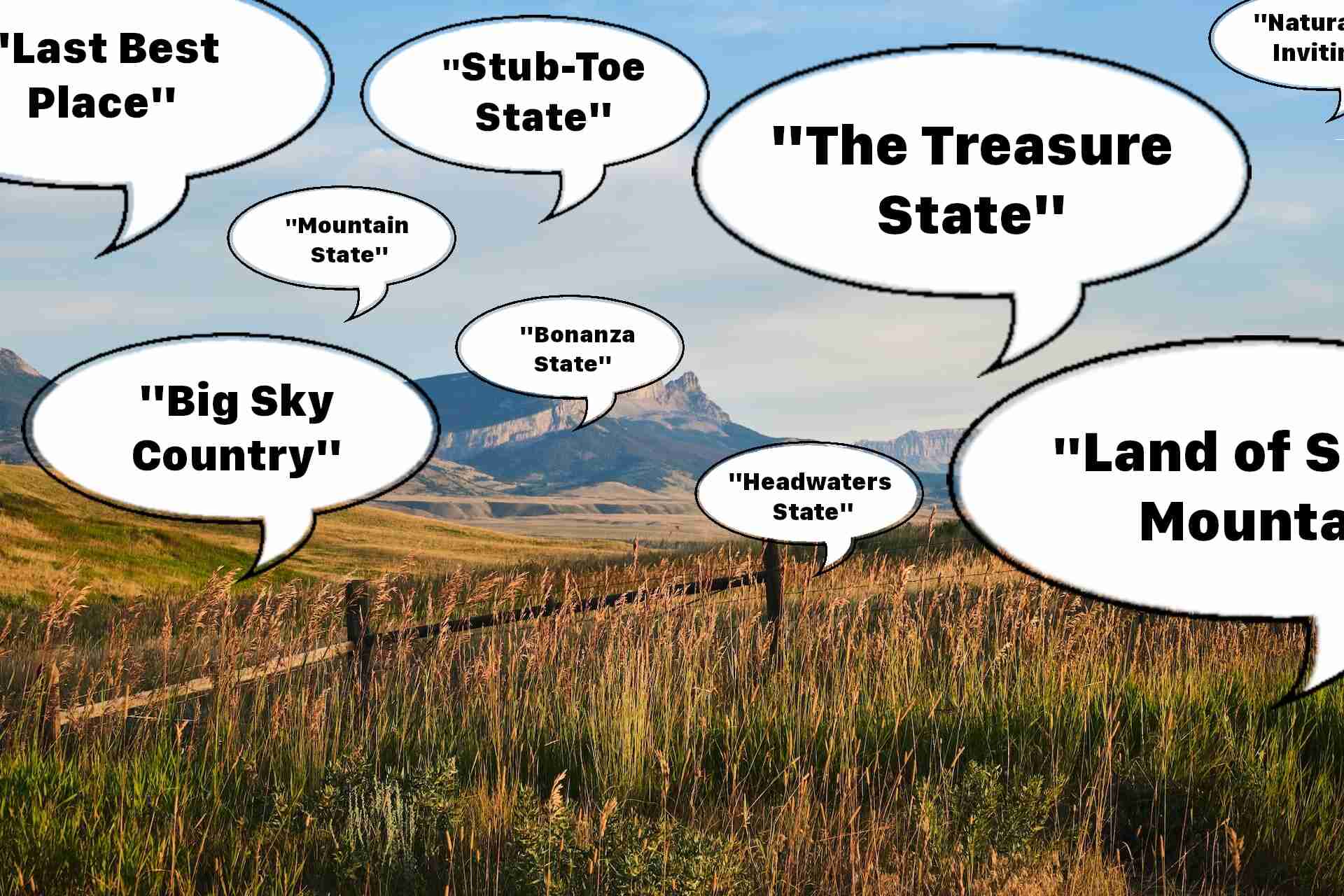
When travelers and geography enthusiasts think of the vast, rugged landscapes of the American West, one state consistently captures the imagination: Montana. Known officially as the “Treasure State,” Montana carries a legacy that is as deep and layered as the mineral deposits that once drew prospectors to its winding riverbeds and craggy mountain peaks. However, to truly understand the spirit of this place, one must look beyond its official moniker and explore the nicknames that describe its breathtaking topography and enduring cultural spirit.
The Official Identity: Why “The Treasure State”?
The state of Montana officially adopted the nickname “The Treasure State” due to its rich history of mining. In the late 19th century, the discovery of gold, silver, and copper transformed the region from a quiet frontier into a bustling hub of economic activity.
The Mining Legacy
The nickname highlights the wealth extracted from the earth, particularly in areas like Butte, which was once known as the “Richest Hill on Earth” because of its massive copper deposits. This era of prosperity built the foundations of many modern cities across the state, leaving behind a heritage of industrial ingenuity and boom-town resilience.
Beyond Mineral Wealth
Today, the “treasure” of the state is viewed differently by those who visit. For modern travelers, the treasure is no longer found in underground ores, but in the crystalline waters of the Flathead Lake or the majestic, snow-capped summits of the Rocky Mountains. The moniker remains a poignant reminder of the state’s origin while evolving to represent the priceless natural assets that define its current tourism identity.
The “Big Sky Country”: A Landscape Without Limits
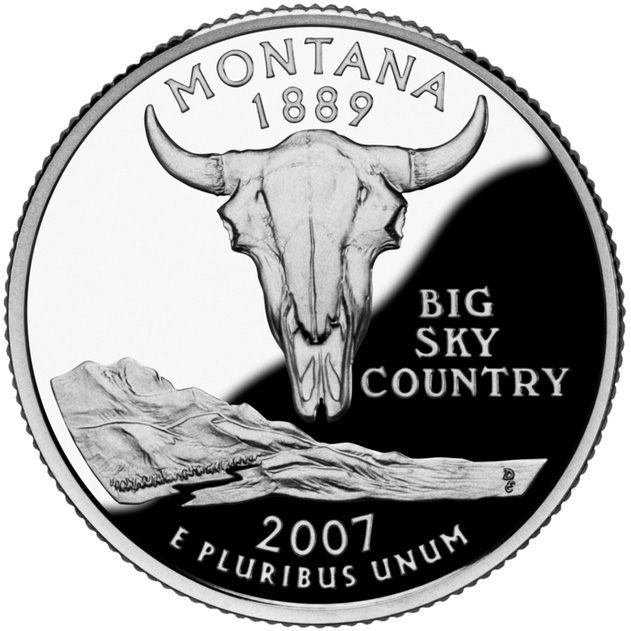
While “The Treasure State” is the official designation, the nickname that most people associate with Montana is undoubtedly “Big Sky Country.” This evocative name, which became synonymous with the state through promotional tourism campaigns in the mid-20th century, perfectly captures the sensory experience of standing beneath the vast, unobstructed horizon of the American West.
The Atmospheric Experience
There is a unique quality to the light in this region. Because of the relatively low population density and the expansive plains of Eastern Montana, the sky appears to occupy more of the visual field than it does elsewhere. During sunrise and sunset, the horizon transforms into a canvas of oranges, purples, and deep indigos, creating an ethereal experience that lingers in the memory of every visitor who ventures into Big Sky.

Cultural Roots of the Name
The phrase was famously popularized by the writer A.B. Guthrie Jr., who authored the novel titled The Big Sky. His literary contribution cemented the name in the American lexicon, painting Montana as a place where the physical environment is so overwhelming that it defines the character of the people living there. It represents freedom, isolation, and a profound connection to the natural world.
Gateway to Nature: The Last Best Place
Another nickname, or perhaps a deeply held cultural descriptor, is “The Last Best Place.” This title suggests a sense of preservation and untamed wilderness, hinting that while other parts of the United States have succumbed to heavy urbanization, Montana remains an enduring sanctuary for the wild.
Conservation and Wilderness
This sentiment is felt most intensely in the protected areas of the state. Glacier National Park serves as the crown jewel of this experience. With its jagged peaks, alpine meadows, and rapidly retreating glaciers, it is the embodiment of why this region is cherished. Similarly, the Yellowstone National Park ecosystem, which extends into the southern reaches of the state, provides a look at a landscape that has remained largely unchanged for centuries.
A Sanctuary for Wildlife
Being the “Last Best Place” also refers to the wildlife that thrives here. Montana remains one of the few places in the lower 48 states where one can encounter grizzly bears, gray wolves, moose, and herds of elk roaming in their natural habitat. For nature photographers and outdoor enthusiasts, this is the ultimate destination, representing the pinnacle of North American biodiversity.
Connecting with the State’s Soul
Understanding the nicknames of Montana is essentially a lesson in how the state perceives itself and how it wishes to be perceived by the world. It is a region defined by contradictions—it is both a site of industrial excavation and a cathedral of environmental purity.
The Influence of Geography on Tourism
The tourism industry in the state leans heavily into these titles to frame the visitor experience. When a traveler stays at a remote lodge near Missoula or visits the historic sites of Bozeman, they are participating in the mythology of “Big Sky Country.” The geography forces a slower pace of life, encouraging visitors to stop, look up, and appreciate the scale of their surroundings.
Tips for Travelers Seeking the “True” Montana
If you are planning a trip to experience the essence of these nicknames, consider the following:
- Drive the Scenic Byways: To truly experience “Big Sky Country,” avoid the interstates. Take the Beartooth Highway or the scenic routes through the Bitterroot Valley.
- Engage with History: Visit the Little Bighorn Battlefield National Monument to understand the complex history that shaped the state’s modern borders and cultural identity.
- Respect the Wilderness: Because it is the “Last Best Place,” visitors are expected to practice Leave No Trace principles to ensure the landscape remains pristine for future generations.
Whether you are looking for the historic allure of the mining era or the transcendent beauty of the northern plains and mountains, the various nicknames of Montana act as signposts. They guide the traveler toward a deeper appreciation of a state that refuses to be defined by just one feature. It is a state of riches, a state of endless skies, and a state that remains one of the few places on Earth where one can truly find space to breathe. By exploring these themes, one gains not just a deeper knowledge of the region, but a profound respect for the enduring, rugged spirit that defines the Northern Rockies.
LifeOutOfTheBox is a participant in the Amazon Services LLC Associates Program, an affiliate advertising program designed to provide a means for sites to earn advertising fees by advertising and linking to Amazon.com. Amazon, the Amazon logo, AmazonSupply, and the AmazonSupply logo are trademarks of Amazon.com, Inc. or its affiliates. As an Amazon Associate we earn affiliate commissions from qualifying purchases.