
When travelers land in New York City, they are often immediately greeted by the aroma of blistering crusts and melting mozzarella wafting from corner pizzerias. It is an iconic culinary experience that defines the street culture of The United States. However, for those craving a taste of the Big Apple while on the road or in suburban locales where a trip to Manhattan isn’t feasible, Domino’s has introduced their own interpretation. Understanding the New York Style pizza at this global chain requires a look at how it mirrors—and diverges from—the traditional street food culture of the East Coast.

The Anatomy of the New York Style Pie
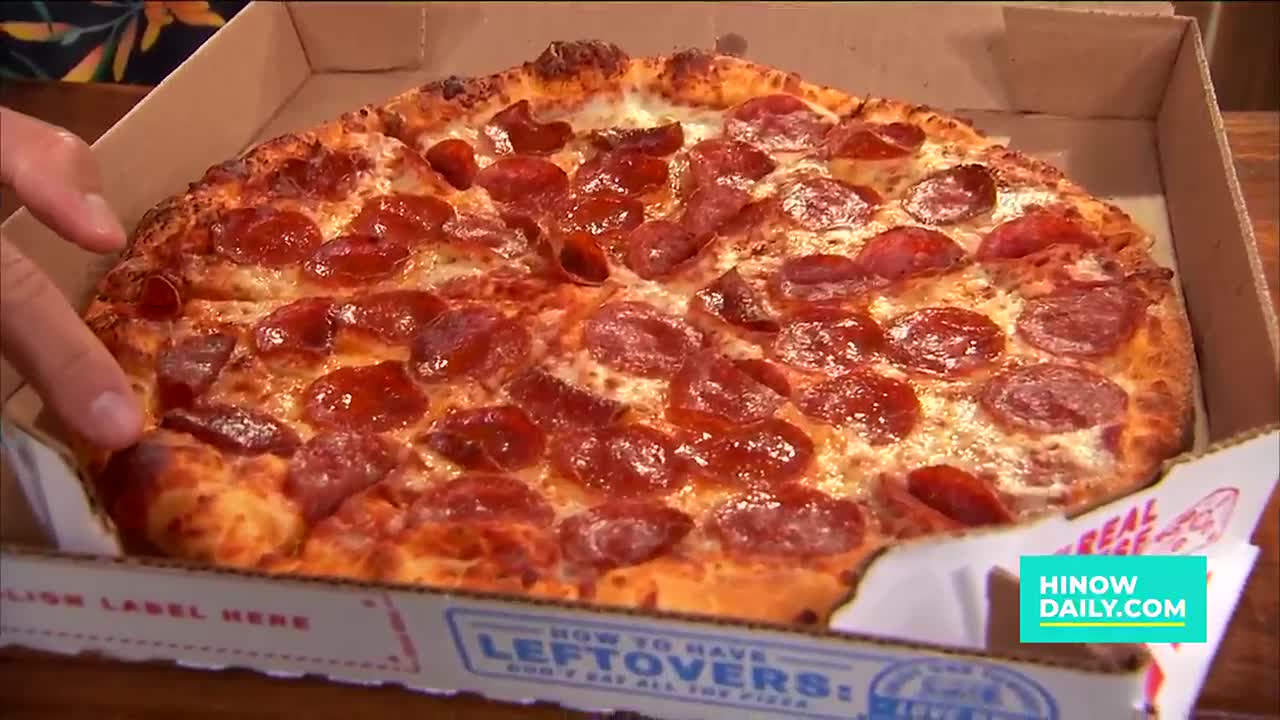
At its core, the New York Style pizza is defined by two primary characteristics: a large, foldable slice and a crust that manages to be thin and crispy on the edges while remaining pliable enough to hold the weight of its toppings. When Domino’s decided to bring this to their menu, they faced the challenge of translating a regional specialty into a standardized, mass-produced format.
The Crust Composition
The signature of a classic New York City slice is the hand-tossed dough. Unlike the “Hand Tossed” crust standard at Domino’s, which often has a more pronounced, airy rise, the New York Style variation is stretched thinner. By utilizing a proprietary dough preparation method, the chain attempts to recreate the chewiness associated with high-gluten flour used in artisanal pizzerias. While it lacks the coal-fired char found in historic ovens like those at John’s of Bleecker Street, it offers a consistent texture that is significantly thinner than their deep-dish or traditional thick-crust offerings.
Cheese and Sauce Ratios
A true New York slice relies on a harmonious balance between a robust, herb-forward tomato sauce and a generous blanket of low-moisture mozzarella. Domino’s utilizes a blend of provolone and mozzarella, which provides a slightly sharper flavor profile compared to the standard mozzarella-only pies found in local shops. The sauce applied to the New York Style pizza is typically slightly thinner and applied with a lighter hand to prevent the crust from becoming soggy, adhering to the fundamental rule of pizza engineering: structural integrity is paramount when the slice must be folded in half.
Cultural Context: Fast Food Meets Regional Identity
The culinary landscape of North America is deeply tied to regional identity. Pizza is not merely a dish in the United States; it is a cultural touchstone. Whether you are exploring the tourist hubs of Times Square or grabbing a quick bite before a flight from JFK International Airport, the expectation for pizza quality remains high.
Bridging the Gap for Tourists
For international visitors or domestic tourists traveling across the country, local food chains provide a sense of comfort and predictability. When Domino’s launched the New York Style pizza, it was a move to capture the essence of a regional staple and make it accessible to those who might never set foot in a traditional Brooklyn pizzeria. It serves as an entry point for those unfamiliar with the “fold” technique, offering a lighter, broader pizza experience that contrasts sharply with the heavier, deep-dish styles popularized in Chicago.
Expectations versus Authenticity
It is important for food-conscious travelers to differentiate between “authentic” New York pizza—characterized by the use of distinct minerals in the city’s tap water and specific deck-oven temperatures—and the New York Style as interpreted by a major global franchise. The Domino’s version is an homage rather than a replica. It captures the form factor—the thin crust, the large diameter, and the foldable flexibility—but replaces the artisan complexity with the consistency and convenience of modern supply chain technology.
Tips for Enjoying Pizza Culture While Traveling
If you find yourself traveling through cities known for their food scenes, such as Philadelphia, Boston, or Washington D.C., you might be tempted to stick to recognizable brands. However, embracing local culture involves venturing beyond the national chains.
Seeking Local Alternatives
While convenience is king for the busy traveler, seek out local institutions to compare. In New York, look for spots that have been in operation for decades. These establishments often use traditional fermentation processes for their dough, which adds a depth of flavor that is difficult to replicate in large-scale operations. When you have a baseline of what a “real” local slice tastes like, you gain a better appreciation for why major chains like Domino’s attempt to capture that specific market share.
The “Fold” Etiquette
If you are ordering a New York Style pizza, whether from a local hole-in-the-wall in The Bronx or a franchised location, there is an unspoken etiquette. The slice is designed to be folded. By creating a V-shape with the crust, you prevent the ingredients from sliding off and keep the grease contained. This is the hallmark of the New York eating experience. Mastering this technique makes you look less like a tourist and more like a local, regardless of where you are enjoying your meal.
The Future of Globalized Local Cuisine
The push by major food corporations to “localize” their menus globally is a growing trend. From customized pizzas in Europe to specific regional offerings in Asia, Domino’s is constantly iterating its menu to reflect what consumers perceive as “local.”
Standardization as a Safety Net
For the traveler, the New York Style pizza acts as a safety net. It is a recognized format that promises a specific sensory experience. If you are in a remote area or a new city, knowing that a specific style of pizza will be served gives you a sense of security. It is the culinary equivalent of checking into a Marriott Hotel; you know what to expect, and that expectation is met with precision.

The Evolution of the Consumer Palate
As food tourism continues to grow, consumers are becoming more discerning. They want to know the difference between a mass-market version of a classic and the real deal. By labeling their product “New York Style,” Domino’s invites comparison. This leads to a healthier food culture where travelers are encouraged to seek out the origin points—the tiny, flour-dusted shops in Queens or Staten Island—that birthed the culinary icons we see today.
Ultimately, while the New York Style pizza at Domino’s may not replace the experience of grabbing a fresh, hot slice off a paper plate in the heart of Manhattan, it succeeds in being a testament to the enduring global appeal of one of America’s most beloved food traditions. It is a bridge between the local artisan culture and the globalized convenience that modern travelers rely on to fuel their journeys. Whether you view it as a convenient snack or a starting point for a deeper culinary exploration, it remains a fascinating example of how regional food culture continues to shape menus across the United States.
LifeOutOfTheBox is a participant in the Amazon Services LLC Associates Program, an affiliate advertising program designed to provide a means for sites to earn advertising fees by advertising and linking to Amazon.com. Amazon, the Amazon logo, AmazonSupply, and the AmazonSupply logo are trademarks of Amazon.com, Inc. or its affiliates. As an Amazon Associate we earn affiliate commissions from qualifying purchases.