
The landscape of Florida has long been defined by its sun-drenched coastlines, sprawling theme parks, and a reputation as a retirement haven. However, beneath the surface of the “Sunshine State,” a profound cultural and social transformation is underway. When travelers ask, “Will Florida shift Democrat?” they are often referencing a political question, but for those in the tourism and lifestyle sectors, the shift is more about the democratization of travel and the evolution of the state’s cultural identity. As the third most populous state in the United States, Florida is moving away from its monolithic image and toward a more diverse, urbanized, and progressive tourism model that reflects a globalized audience.
The Urban Evolution: Redefining the Gateway Cities
The primary engine behind the cultural shift in Florida is the rapid growth and diversification of its urban centers. Historically, tourism was centered on the quiet, white-sand beaches of the Gulf Coast or the family-oriented attractions of Orlando. While these remain pillars of the industry, cities like Miami, Tampa, and Jacksonville are reinventing themselves as modern metropolises that prioritize inclusivity, sustainability, and high-density cultural experiences.
The Rise of the Global Metropolis in Miami
Miami has transitioned from a seasonal vacation spot to a year-round global hub. The city’s cultural gravity has shifted from the neon lights of South Beach toward inland neighborhoods that celebrate heritage and innovation. In Little Havana, travelers find a deep immersion into Cuban culture that is increasingly intertwined with the broader Latin American diaspora, creating a vibrant, multi-generational community that influences everything from the local food scene to civic discourse. Meanwhile, the Wynwood Walls have turned a former warehouse district into one of the world’s premier street art destinations, attracting a demographic of younger, socially conscious travelers who value urban revitalization and creative expression.
The New Vibe of Central Florida
In Orlando, the narrative is also changing. While Walt Disney World Resort and Universal Orlando Resort remain the world’s most visited attractions, the city itself is developing a distinct identity. The “democratization” here refers to the accessibility of local arts and independent businesses that exist outside the “theme park bubble.” Neighborhoods like Milk District and Mills 50 offer a glimpse into a progressive, community-focused Orlando that prioritizes local sourcing, LGBTQ+ inclusivity, and diverse culinary offerings. This internal shift is making the city a magnet for tech professionals and creative types, further influencing the “blue” urban core within a historically “red” region.
Cultural Shifts: Art, Food, and Inclusivity
A “shift” in any region is most visible through its cultural output. In Florida, the tourism industry is responding to a growing demand for authenticity and social responsibility. This is evident in the way the state markets its history, its arts, and its community-driven events.
The Artistic Renaissance
The presence of Art Basel Miami Beach has catalyzed a statewide interest in contemporary art that challenges traditional perspectives. This influence has spread to St. Petersburg, where the Salvador Dali Museum serves as an anchor for a city that has rebranded itself as an arts and culture powerhouse. St. Petersburg is often cited as one of the most progressive cities in the state, with a thriving downtown area that supports local artisans and emphasizes walkable urban design. This cultural maturity appeals to modern travelers who seek more than just a beach chair; they seek intellectual stimulation and a sense of belonging.
Culinary Democratization
The food scene in Florida is no longer just about seafood shacks and high-end steakhouses. There is a move toward “democratizing” the dining experience by making high-quality, diverse food accessible through food halls and street markets. In Tampa, the revitalization of the riverfront and the development of the Armature Works food hall demonstrate a shift toward communal dining and the support of local entrepreneurs. From the fine dining of Palm Beach to the casual, eclectic eateries in Tallahassee, the focus is increasingly on farm-to-table practices and the fusion of global flavors, reflecting a population that is becoming more cosmopolitian and diverse.
Inclusivity as a Tourism Strategy
The hospitality industry in Florida is increasingly aware that inclusivity is not just a social imperative but a business one. Cities like Fort Lauderdale and Key West have long been pioneers in LGBTQ+ tourism, but this spirit of openness is spreading. More resorts and destinations are adopting policies and marketing strategies that emphasize safety and welcoming environments for all travelers, regardless of their background. This “shift” toward a more progressive and inclusive tourism model mirrors the demographic changes that some political analysts suggest could eventually turn the state “blue.”
Environmental Stewardship: A New Frontier in Tourism
One of the most significant shifts in Florida tourism is the transition toward environmental awareness and conservation. As the state faces the direct impacts of climate change, the “democratization” of the environment—the idea that nature belongs to everyone and must be protected by everyone—has become a central theme for travelers and locals alike.
Protecting the Natural Heritage
The preservation of Everglades National Park is no longer a niche concern; it is a central part of the Florida identity. Travelers are increasingly seeking “slow travel” experiences that allow them to connect with the state’s unique ecosystems. Whether it is kayaking through the mangroves of Biscayne National Park or exploring the remote beauty of Dry Tortugas National Park, there is a growing trend of “eco-conscious” tourism. This shift aligns with a more progressive view of government and community responsibility toward the planet.
Sustainable Development in Tourism Hubs
In coastal areas like Sarasota and Naples, there is a growing tension between traditional development and the need for sustainable practices. Modern travelers are favoring hotels and resorts that implement green technologies and support local conservation efforts. The shift here is away from the “more is better” mentality of the 20th century toward a more balanced, “quality over quantity” approach. This mindset is particularly prevalent among younger demographics who are moving to Florida from states like New York and California, bringing with them expectations for environmental transparency and corporate social responsibility.
Scientific and Educational Tourism
The Kennedy Space Center remains a major draw for those interested in the intersection of science and exploration. However, the scope of educational tourism is expanding. More visitors are spending time at research-focused sites, such as the Fairchild Tropical Botanic Garden or the historic Vizcaya Museum and Gardens, to learn about Florida’s fragile history and its future. These institutions play a key role in educating the public on climate resilience, a topic that is increasingly at the forefront of the state’s political and social landscape.
The Future of the Sunshine State: A Synthesis of Old and New
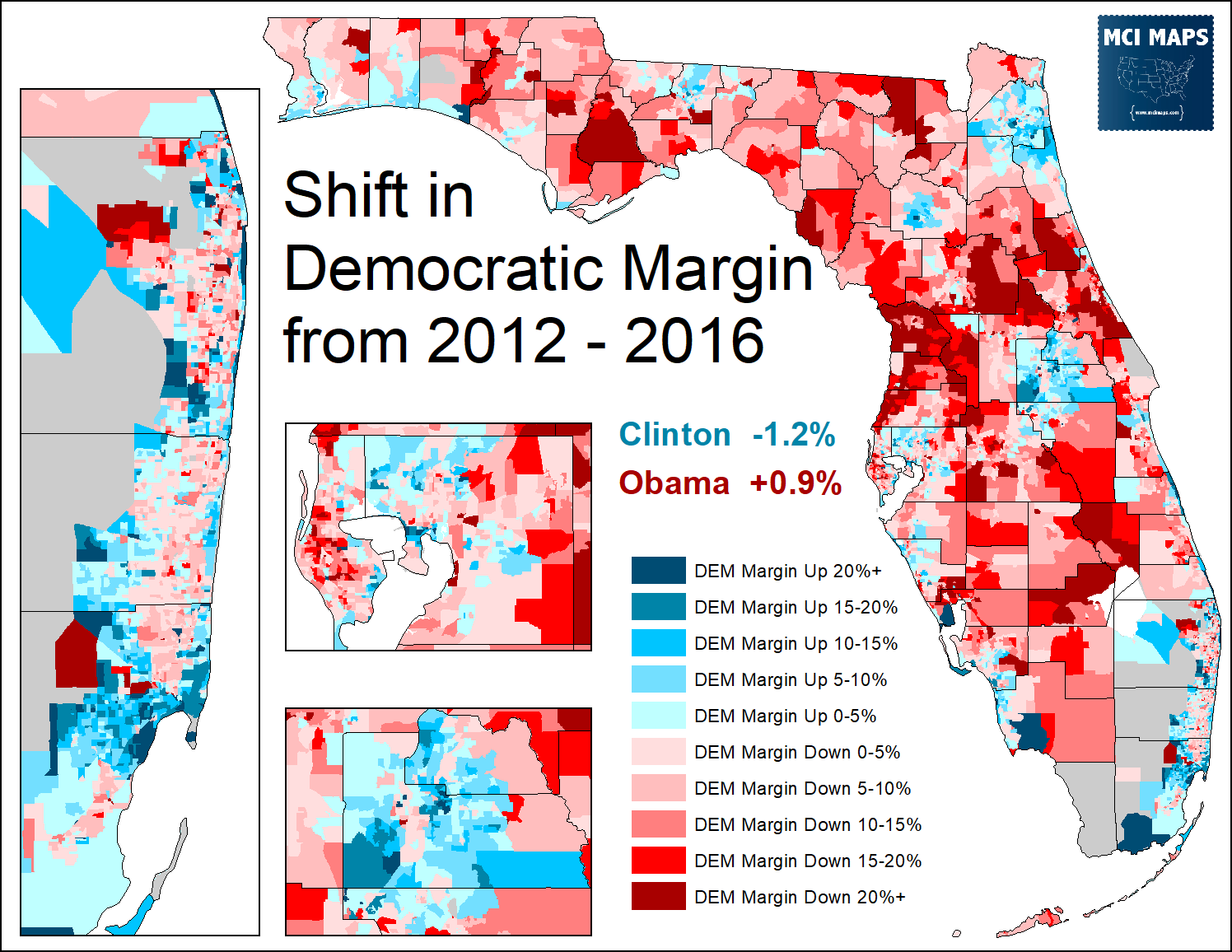
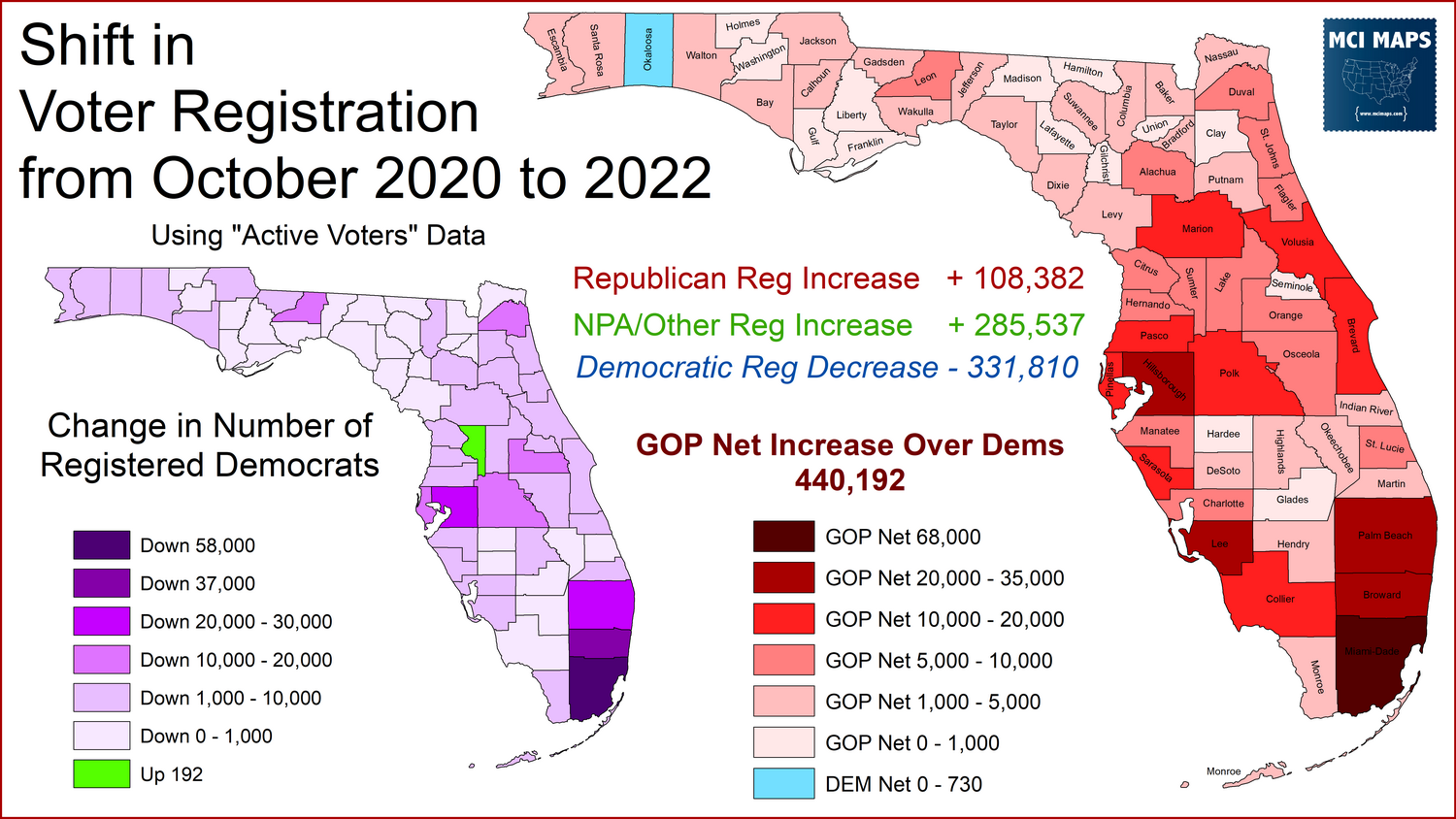
Whether Florida will “shift Democrat” in a political sense remains a subject of intense debate, but the cultural shift is already well underway. The state is becoming a complex mosaic of experiences that defy easy categorization.
The North-South Divide and the Middle Ground
The tourism experiences in Destin or Daytona Beach often feel worlds apart from the atmosphere in Miami. While the northern parts of the state often retain a more traditional, Southern feel, the southern and central regions are increasingly influenced by international trends and a younger, more diverse population. The “shift” is most palpable in the “I-4 Corridor,” where the influx of new residents is creating a middle ground that values both the economic benefits of tourism and the social progress of a modern society.
The Role of Technology and Connectivity
As Florida continues to modernize, technology is playing a vital role in how people experience the state. From high-speed rail projects connecting Miami to Orlando to the use of AI in personalizing travel itineraries, the state is embracing the future. This technological leap is attracting a “digital nomad” lifestyle, where young professionals can work from Sanibel Island one week and attend a tech conference in Tampa the next. This mobile, tech-savvy population is a key driver of the state’s evolving social values.

Conclusion: A State in Constant Motion
Florida has always been a place of reinvention. From the pioneering days of Henry Flagler to the modern era of commercial spaceflight, the state thrives on change. The question of whether it will “shift Democrat” is perhaps less important than the reality that it is shifting toward something new—a more inclusive, environmentally conscious, and culturally diverse version of itself. For the traveler, this means a Florida that offers more than just sunshine; it offers a glimpse into the future of the United States. As the state continues to navigate its complex identity, it remains one of the most fascinating and dynamic destinations in the world, constantly evolving to meet the needs and values of a changing global community.
LifeOutOfTheBox is a participant in the Amazon Services LLC Associates Program, an affiliate advertising program designed to provide a means for sites to earn advertising fees by advertising and linking to Amazon.com. Amazon, the Amazon logo, AmazonSupply, and the AmazonSupply logo are trademarks of Amazon.com, Inc. or its affiliates. As an Amazon Associate we earn affiliate commissions from qualifying purchases.