
New York City, a metropolis synonymous with towering skyscrapers and a relentless pace of modernity, holds within its vibrant urban fabric echoes of centuries past. While its skyline is a testament to innovation and progress, a deeper exploration reveals a rich architectural heritage that predates even the most iconic of its contemporary structures. For history buffs, architecture enthusiasts, and curious visitors alike, uncovering the oldest buildings in New York City offers a unique perspective on the evolution of this global icon. These venerable structures are more than just bricks and mortar; they are silent witnesses to the city’s transformation from a Dutch trading post to the bustling global center it is today.
The quest for New York City’s oldest building is not merely an academic exercise; it is an invitation to step back in time and connect with the very foundations of American history. These surviving edifices provide tangible links to the colonial era, the revolutionary period, and the early days of the burgeoning republic. They stand as enduring monuments, offering a stark contrast to the transient nature of contemporary architecture and reminding us of the enduring stories etched into the city’s landscape.
Tracing the Roots: The Earliest Inhabitants and Their Dwellings
Before delving into specific structures, it’s crucial to understand the historical context that shaped New York City’s earliest architecture. The narrative begins not with grand estates, but with the practical needs of its first European settlers. The Dutch, who established New Amsterdam in the early 17th century, laid the groundwork for the city’s initial architectural character. Their buildings, often constructed with timber and wattle-and-daub, were functional and reflected the building techniques of the Netherlands. However, very few of these early Dutch structures have survived the ravages of time, fire, and subsequent development.
The transition to English rule in 1664 marked a subtle shift in architectural styles, with influences from British colonial building practices beginning to emerge. As the city grew, so did the demand for more durable and substantial construction. Stone and brick became more prevalent, especially for public buildings and the homes of the more affluent. Yet, even these more robust materials faced significant challenges from the elements and the relentless expansion of the city.
The Legacy of Early Colonial Life
The surviving buildings from this period are rare treasures, offering invaluable insights into the daily lives, social structures, and economic activities of early New Yorkers. They speak of a time when the pace of life was dramatically different, when the city’s boundaries were far more contained, and when the land itself played a much more significant role in its inhabitants’ existence. Understanding these early structures requires an appreciation for the materials available, the craftsmanship of the era, and the specific environmental conditions that these buildings were designed to withstand.
The Contenders: Unearthing New York City’s Oldest Surviving Structure
Pinpointing the absolute “oldest” building can sometimes involve nuanced definitions, considering factors like original construction, significant renovations, and even relocated structures. However, when discussing intact, continuously occupied, and historically significant buildings, one structure consistently emerges as the leading contender.
The Wyckoff House Museum: A Glimpse into 17th-Century Life
The undisputed champion in the race for New York City’s oldest building is the Wyckoff House Museum in Brooklyn. Originally built around 1652 by Pieter Claesen Wyckoff, this remarkable Dutch colonial farmhouse stands as a testament to the earliest European settlement in the area. It is the oldest surviving structure in New York City and one of the oldest surviving examples of Dutch colonial architecture in the entire United States.
Architectural Significance and Preservation Efforts
The Wyckoff House Museum is a prime example of a “saltbox” style house, characterized by its asymmetrical gable roof, with the rearward slope extending to cover a single-story extension. Originally a modest structure, it was expanded over the centuries, reflecting the changing needs of the families who inhabited it. The building’s construction materials, primarily wood with a stone foundation, are typical of 17th-century Dutch building practices.
The preservation of the Wyckoff House Museum is a remarkable achievement. Through numerous restorations and ongoing conservation efforts, the museum has strived to maintain its historical integrity, allowing visitors to experience an authentic glimpse into 17th-century life. The careful attention to detail in preserving original features, such as the hearths, beams, and flooring, makes it an invaluable historical resource. The museum is not just a building; it is a living history experience, offering educational programs and exhibitions that illuminate the lives of early New Yorkers, including the experiences of enslaved people who lived and worked on the farm.
Beyond the Wyckoff House: Other Notable Early Structures
While the Wyckoff House Museum holds the top spot, several other buildings in New York City boast impressive historical pedigrees and offer valuable insights into the city’s past. These structures, though younger than the Wyckoff House, are still vital components of New York’s architectural heritage.
St. Paul’s Chapel: A Revolutionary Survivor
Another significant historical landmark is St. Paul’s Chapel in Manhattan. Consecrated in 1766, it is the oldest surviving church building in New York City and Manhattan. Designed in the Georgian style by architect McComb, it famously survived the devastating September 11th terrorist attacks in 2001. The chapel served as a refuge for rescue and recovery workers in the aftermath of the attacks, further cementing its status as a symbol of resilience and hope. Its enduring presence on Broadway, surrounded by modern skyscrapers, is a powerful visual reminder of the city’s layered history.
Fraunces Tavern: A Hub of Revolutionary Activity
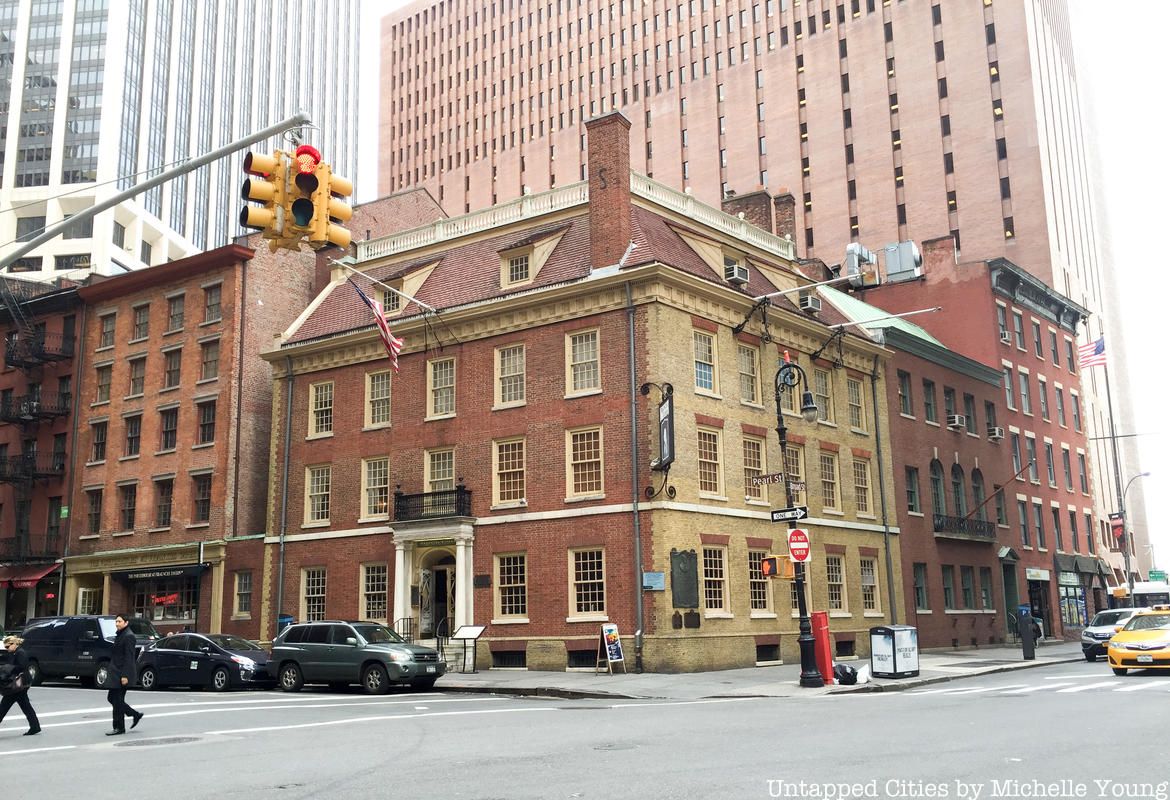
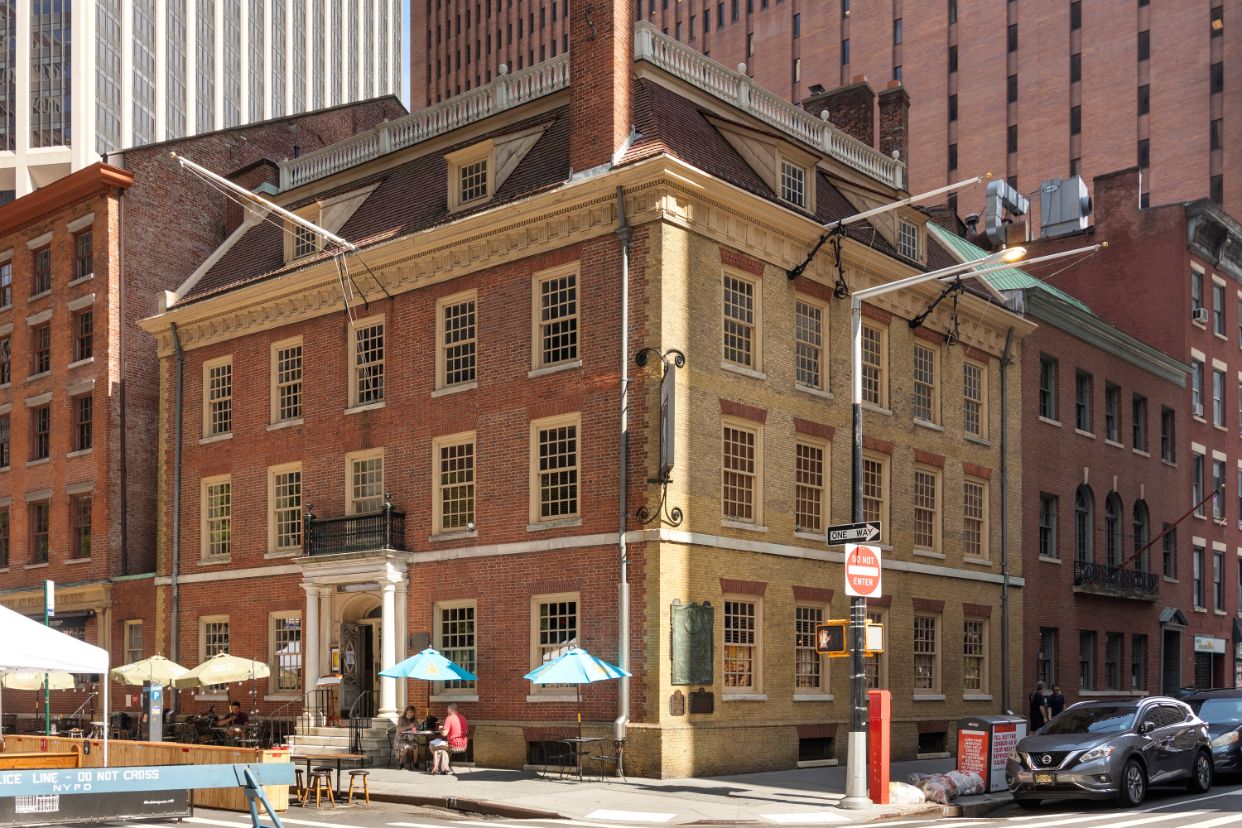
Fraunces Tavern, located at 54 Pearl Street in Manhattan, is another pivotal historical site. While much of the current structure is a reconstruction and subsequent renovation from the early 20th century, it occupies the site of the original 1719 building. Fraunces Tavern was a significant meeting place during the American Revolution, most famously known as the site where George Washington bid farewell to his officers in 1783. Its historical significance as a gathering spot for revolutionaries and its enduring role as a restaurant and museum make it a cherished landmark. The tavern’s continued operation as a place of public assembly links its past to the present in a living historical continuity.
Morris-Jumel Mansion: A Georgian Gem
The Morris-Jumel Mansion in Washington Heights, Manhattan, built in 1765, is the oldest house in Manhattan. This elegant Georgian-style mansion served as General George Washington’s headquarters during the Battle of Harlem Heights in 1776 and later as a residence for Vice President Aaron Burr. Its commanding position and well-preserved interiors offer a fascinating glimpse into the life of the colonial elite and the strategic importance of the area during the Revolution. The mansion’s beautiful grounds also provide a peaceful retreat and a connection to the natural landscape that once characterized the island.
The Enduring Significance of Oldest Buildings
The presence of these venerable structures within the bustling landscape of modern New York City serves multiple crucial functions. They are not merely relics of the past but are active participants in the city’s ongoing narrative.
Educational Value and Historical Understanding
These buildings are invaluable educational resources, providing tangible evidence of historical events, architectural styles, and the evolution of urban development. Visiting them allows individuals to connect with history in a way that textbooks alone cannot replicate. They offer a physical context for understanding the challenges and triumphs of past generations, fostering a deeper appreciation for the forces that shaped the city and the nation. The Wyckoff House Museum, for instance, provides a direct window into the daily routines, agricultural practices, and social dynamics of the Dutch colonial period, offering insights often overlooked in broader historical accounts.
Architectural Heritage and Urban Identity
The oldest buildings contribute significantly to New York City’s unique architectural tapestry. They provide a contrast to the dominant modernist and contemporary styles, offering a visual dialogue between past and present. Their preservation is crucial for maintaining the city’s historical character and a sense of place. These structures are anchors that ground the ever-changing urban environment, reminding residents and visitors alike of the deep historical roots that lie beneath the surface of contemporary life. The survival of the Wyckoff House Museum amidst Brooklyn’s rapid development underscores the importance of safeguarding these irreplaceable assets.

Tourism and Cultural Enrichment
For tourists, these historical buildings represent key attractions that offer unique experiences beyond the typical tourist circuits. They provide an opportunity to delve into the city’s colonial and revolutionary past, attracting history enthusiasts and those seeking a more profound understanding of New York City’s origins. Landmarks like St. Paul’s Chapel and Fraunces Tavern offer visitors a chance to walk in the footsteps of historical figures and engage with the stories that shaped America. This type of heritage tourism enriches the visitor experience and contributes to the cultural vibrancy of the city, drawing attention to its deep historical legacy.
In conclusion, while New York City is celebrated for its forward-looking ambition, its historical foundations remain vibrantly present. The Wyckoff House Museum stands as a proud sentinel of the 17th century, and alongside it, other historic buildings continue to tell the compelling story of this extraordinary metropolis. Exploring these sites is an essential part of understanding the full breadth of what makes New York City so captivating.
LifeOutOfTheBox is a participant in the Amazon Services LLC Associates Program, an affiliate advertising program designed to provide a means for sites to earn advertising fees by advertising and linking to Amazon.com. Amazon, the Amazon logo, AmazonSupply, and the AmazonSupply logo are trademarks of Amazon.com, Inc. or its affiliates. As an Amazon Associate we earn affiliate commissions from qualifying purchases.