
While the allure of Texas often conjures images of sprawling ranches, vibrant cityscapes, and a rich cultural tapestry, a crucial aspect of Texas living, especially for those considering relocation or investing in property, is understanding its unique property tax system. Unlike many other states in the United States, Texas does not have a state-level property tax. Instead, property taxes are levied at the local level by a variety of taxing units, including counties, cities, school districts, and special districts. This decentralized approach means that property tax rates can vary significantly across the state, even within the same metropolitan area. For prospective homeowners, tourists considering a long-term stay, or investors eyeing Texas real estate, a thorough understanding of how these rates are determined and what influences them is paramount.
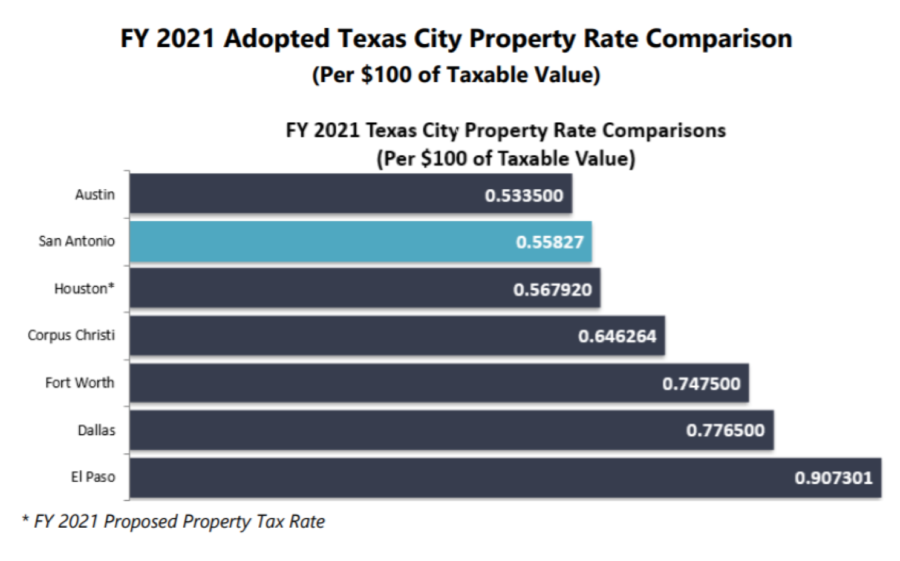
This exploration delves into the intricacies of property taxation in Texas, providing insights that can inform decisions related to travel, accommodation, and lifestyle choices within the Lone Star State. Whether you’re planning a luxurious resort getaway in the Texas Hill Country, a family trip exploring the historical landmarks of San Antonio, or a business stay in the bustling downtown of Houston, understanding the local tax implications can add an unexpected layer to your planning.
Understanding the Texas Property Tax Landscape
The absence of a state property tax in Texas is a defining characteristic, often cited as a significant draw for individuals and businesses. However, this absence doesn’t mean that property owners are exempt from contributing to local services. Instead, the responsibility falls upon local entities, creating a complex but potentially more localized and responsive system.
Who Levies Property Taxes in Texas?
In Texas, property taxes are collected by a multitude of local entities, each with the authority to set its own tax rate. These entities typically include:
- School Districts: These are often the largest component of a property tax bill, as they fund public education for the state’s students. The funding needs of a particular school district, driven by student enrollment, program offerings, and infrastructure requirements, directly influence its tax rate.
- Cities and Municipalities: Cities levy property taxes to fund a wide range of municipal services, such as police and fire departments, public works, parks, libraries, and city administration. The scope of services offered by a city will impact its tax rate. For example, a city that provides extensive recreational facilities or advanced public safety measures might have a higher tax rate than a smaller municipality with more limited services.
- Counties: County governments use property tax revenue to fund services like law enforcement, courts, roads and bridges, health services, and elections. The size and population of a county, as well as the extent of its infrastructure projects, will affect its tax burden.
- Special Districts: This category encompasses a variety of entities formed to provide specific services, such as water districts, hospital districts, community college districts, and appraisal districts. Each of these districts can impose its own tax rate. For instance, a popular tourist destination with a dedicated tourism improvement district might have an additional tax levied to support its attractions.
The combination of these individual tax rates forms the total property tax rate for a specific property. This means that two identical properties located just a few miles apart, but within different taxing jurisdictions, could have vastly different tax bills. This variation underscores the importance of researching the specific taxing entities that cover a property’s location, especially when considering long-term accommodation or purchasing property.
How Property is Valued for Taxation
Property taxes are calculated by multiplying the property’s taxable value by the combined tax rate of all the taxing entities that serve the property. The taxable value is not always the same as the market value. Texas law requires that all taxable property be appraised at “100 percent of its market value.” However, the market value itself is determined by appraisal districts, which are responsible for assessing the value of all property within their jurisdiction.
- Appraisal Districts: Each county in Texas has an independent appraisal district responsible for valuing property. These districts conduct periodic reappraisals to update property values based on market conditions.
- Protests and Appeals: Property owners have the right to protest their property’s appraised value if they believe it is too high. This process typically involves submitting evidence to the appraisal district and, if necessary, presenting a case before the local Appraisal Review Board. Successfully protesting an appraised value can lead to a lower tax bill.
- Homestead Exemptions: Texas offers various exemptions that can reduce the taxable value of a property. The most common is the homestead exemption, available to homeowners who occupy their primary residence. This exemption lowers the appraised value by a certain amount, thereby reducing the property tax burden. There are also additional homestead exemptions for homeowners who are disabled or over age 65, providing further tax relief.
Understanding the appraisal process and available exemptions is crucial for property owners to ensure they are not overpaying their taxes. For those considering purchasing a home or investment property, factoring in potential appraisal increases and understanding the protest process can be a vital part of their due diligence.
Factors Influencing Property Tax Rates in Texas
The property tax rates in Texas are not static; they fluctuate based on a variety of economic, social, and governmental factors. Being aware of these influences can help individuals anticipate potential changes and make informed decisions about their finances and lifestyle choices within the state.
Heading2: The Impact of Local Spending and Service Demands
The primary driver behind property tax rates at the local level is the demand for public services and the cost of providing them. Different communities have varying needs and priorities, which are reflected in their budgets and, consequently, their tax rates.
Heading3: Funding Education and School District Needs
As mentioned, school districts are often the largest taxing entities. The demand for quality education, driven by population growth, student-teacher ratios, and the need for updated facilities and technology, directly influences the tax rates set by these districts. For instance, a rapidly growing suburban area might see its school district tax rate increase to accommodate new schools and a larger student body. Conversely, a district experiencing declining enrollment might be able to lower its tax rate. When choosing a place to live, especially for families, the reputation and funding of local school districts are often key considerations, and these are intrinsically linked to property tax rates.
Heading3: Municipal Services and City Budgets
Cities across Texas provide a wide array of services that contribute to the quality of life for their residents. These include public safety (police and fire departments), infrastructure maintenance (roads, water, sewer), parks and recreation, and cultural amenities. The extent and quality of these services dictate a city’s budget, and therefore, its property tax rate. A city that invests heavily in urban renewal projects, public transportation, or a robust park system may require a higher tax rate to fund these initiatives. Travelers visiting cities like Austin or Dallas might notice differences in the upkeep of public spaces or the efficiency of services, which can sometimes be indirectly linked to the local tax base.
Heading3: County Infrastructure and Governance
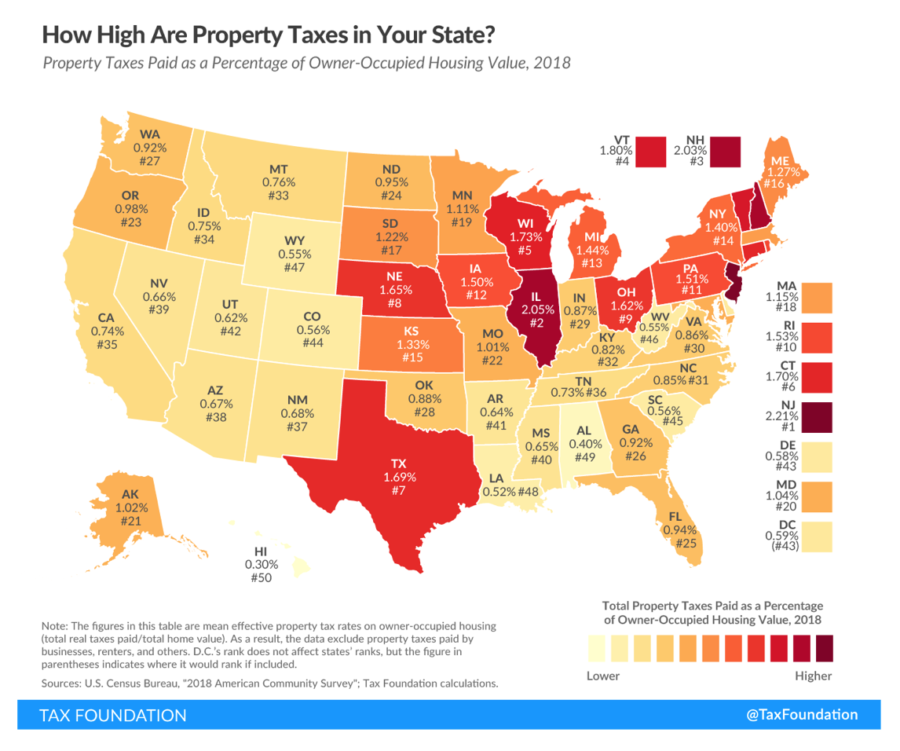
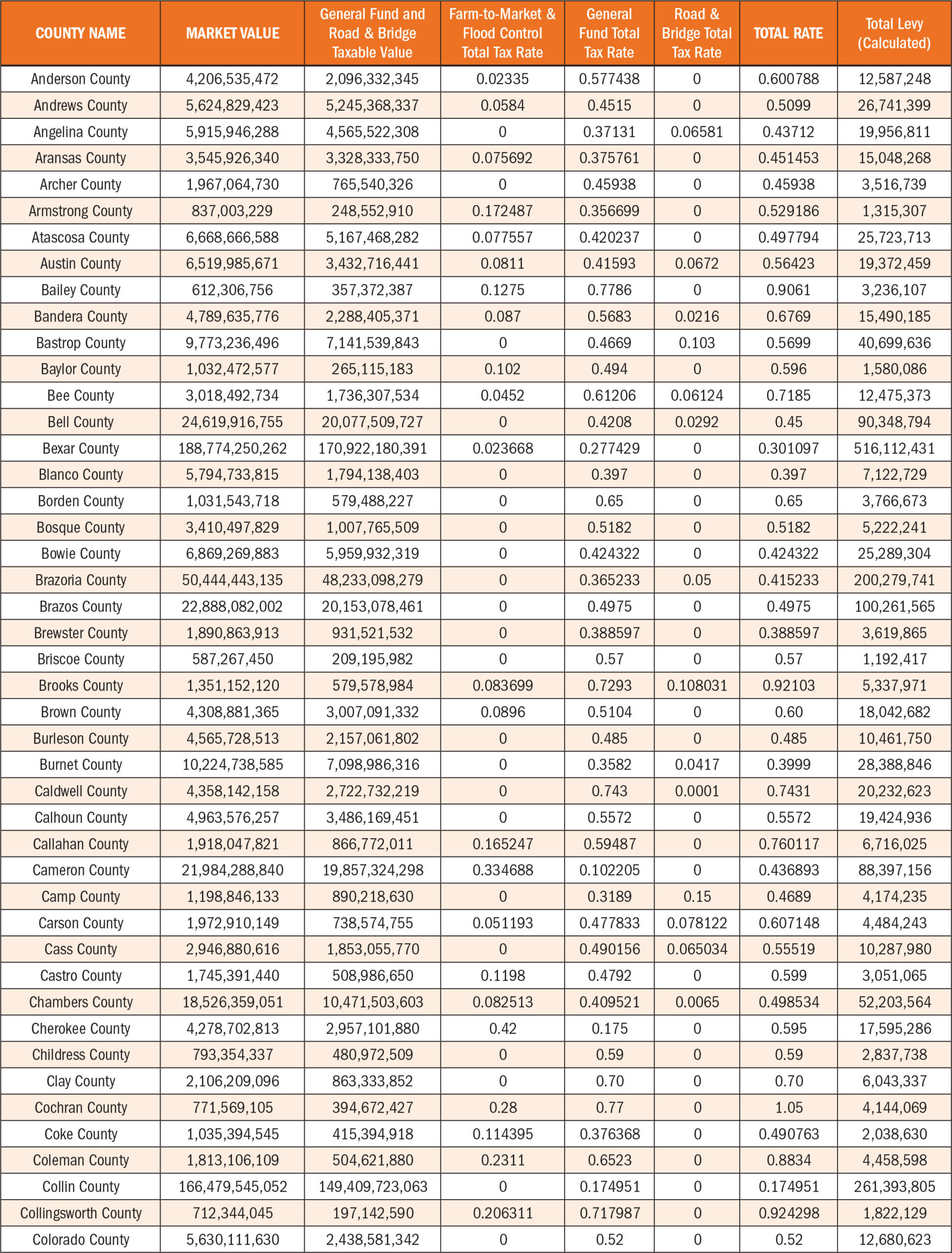
County governments are responsible for a broad range of services, particularly in more rural or unincorporated areas. This includes maintaining a vast network of roads and bridges, funding sheriff’s departments, operating county courts, and providing services like public health clinics. The geographical size of a county and the demands placed upon its infrastructure can significantly influence its property tax rate. For example, a county with a large number of rural roads to maintain will likely have a higher tax burden than a smaller, more urbanized county.
Heading2: Economic Factors and Property Value Fluctuations
The overall economic health of Texas and its various regions plays a substantial role in property values and, consequently, in the amount of property tax collected.
Heading3: Real Estate Market Trends
The booming real estate markets in many Texas cities, such as Austin and Dallas-Fort Worth, have led to significant increases in property values. While higher property values mean a larger tax base for taxing entities, they also mean higher tax bills for individual property owners, even if the tax rate remains the same. When property values are rising rapidly, appraisal districts are tasked with reflecting these increases, which can lead to sticker shock for homeowners. Conversely, in areas with stagnant or declining property values, taxing entities might need to increase their tax rates to maintain sufficient revenue for services. This dynamic is particularly relevant for those considering purchasing property, as understanding local market trends is crucial for financial planning.
Heading3: Business Development and Employment Growth
Economic development and job growth in Texas have a direct impact on property values and demand. Areas with strong job markets attract new residents, leading to increased demand for housing and commercial properties, which in turn drives up property values. Robust business development can also lead to increased commercial property tax revenue, potentially easing the burden on residential property owners. However, it can also lead to increased demand for public services, necessitating higher tax rates. The economic vitality of a region, therefore, is a complex interplay of factors that influences property tax outcomes.
Navigating Property Taxes for Travelers and Residents in Texas
For those planning a trip to Texas, considering a long-term stay, or even dreaming of a permanent relocation, understanding the property tax landscape can significantly enhance planning and budgeting. The absence of a state property tax and the localized nature of taxation offer unique considerations for various scenarios.
Heading2: Property Taxes and Short-Term Stays/Tourism
While the direct property tax implications for short-term visitors are minimal, understanding the system can offer a deeper appreciation for the local communities you visit. Lodging taxes, which are often separate from property taxes, are levied on hotel rooms, vacation rentals, and other forms of accommodation. However, the property taxes paid by hotels, resorts, and property owners ultimately contribute to the local infrastructure and services that enhance the tourist experience.
For example, a beautifully maintained park in Houston, a well-preserved historic district in Galveston, or the efficient public transportation systems in San Antonio are all services funded, in part, by property taxes. When you book a suite at a luxury resort or an apartment for a longer visit, the owner of that property is paying property taxes that contribute to the upkeep and services of the area. This, in turn, can affect the pricing of accommodations. While you won’t be directly paying property tax, it’s a background factor that shapes the places you experience.
Heading2: Long-Term Stays and Property Ownership Considerations
For individuals considering a longer-term stay or investing in property in Texas, a detailed understanding of property taxes is essential. This is where the absence of a state property tax becomes a significant factor.
Heading3: Impact on Budgeting and Affordability
When comparing potential living locations within Texas, the variation in property tax rates can be a major deciding factor. For instance, a home in a Dallas suburb with a high school district tax rate might be more expensive to own annually than a similar home in a different county with lower school taxes, even if the purchase price is the same. This is particularly true for areas known for their acclaimed school districts. For those looking at long-term rentals, the landlord’s property tax burden will likely be factored into the rental price.
Heading3: Investment Property and Rental Income
For investors looking at rental properties in Texas, understanding the local property tax rates is crucial for calculating potential return on investment. High property taxes can significantly eat into rental income, making some areas more attractive for investment than others. Researching the property tax rates of specific neighborhoods and understanding the appraisal process for investment properties are key steps. Furthermore, considering the potential for future tax increases due to economic development or increased service demands is a prudent aspect of investment strategy.
Heading3: Relocation and Lifestyle Choices
The property tax system in Texas can influence relocation decisions. For retirees or individuals on fixed incomes, the potentially high property taxes can be a significant consideration. While the absence of a state income tax is a major draw, the cumulative property tax burden, combined with sales tax, needs to be carefully weighed. For those seeking a luxurious lifestyle, understanding how property taxes factor into the cost of high-end properties in areas like the Texas Hill Country or exclusive Austin neighborhoods is important. Conversely, budget-conscious travelers or residents might find more affordable options in areas with lower property tax rates, though this often correlates with different service levels or amenities.
In conclusion, while the title “What Is The Property Tax Rate In Texas?” might seem straightforward, the reality is a complex, localized system. By understanding the roles of different taxing entities, the appraisal process, and the economic factors at play, individuals can make more informed decisions about their travel, accommodation, and lifestyle choices within the vast and diverse state of Texas. Whether you are planning a weekend getaway to explore the rich history of Goliad, a long-term stay to experience the unique culture of West Texas, or are considering making Texas your permanent home, a grasp of its property tax nuances will undoubtedly prove valuable.
LifeOutOfTheBox is a participant in the Amazon Services LLC Associates Program, an affiliate advertising program designed to provide a means for sites to earn advertising fees by advertising and linking to Amazon.com. Amazon, the Amazon logo, AmazonSupply, and the AmazonSupply logo are trademarks of Amazon.com, Inc. or its affiliates. As an Amazon Associate we earn affiliate commissions from qualifying purchases.