
California, renowned for its diverse landscapes, vibrant cities, and unparalleled lifestyle, consistently draws individuals seeking everything from temporary escapes to permanent relocation and long-term accommodation. Whether you’re considering a vacation home in Palm Springs, a vineyard estate in Napa Valley, or a family residence in San Diego County, understanding the financial intricacies of property ownership is paramount. Among these, property tax stands out as a significant and often misunderstood annual expense. For anyone planning a long-term stay, investing in real estate for personal use, or considering properties for rental income within the accommodation market, comprehending California’s property tax system is crucial for accurate budgeting and informed decision-making.
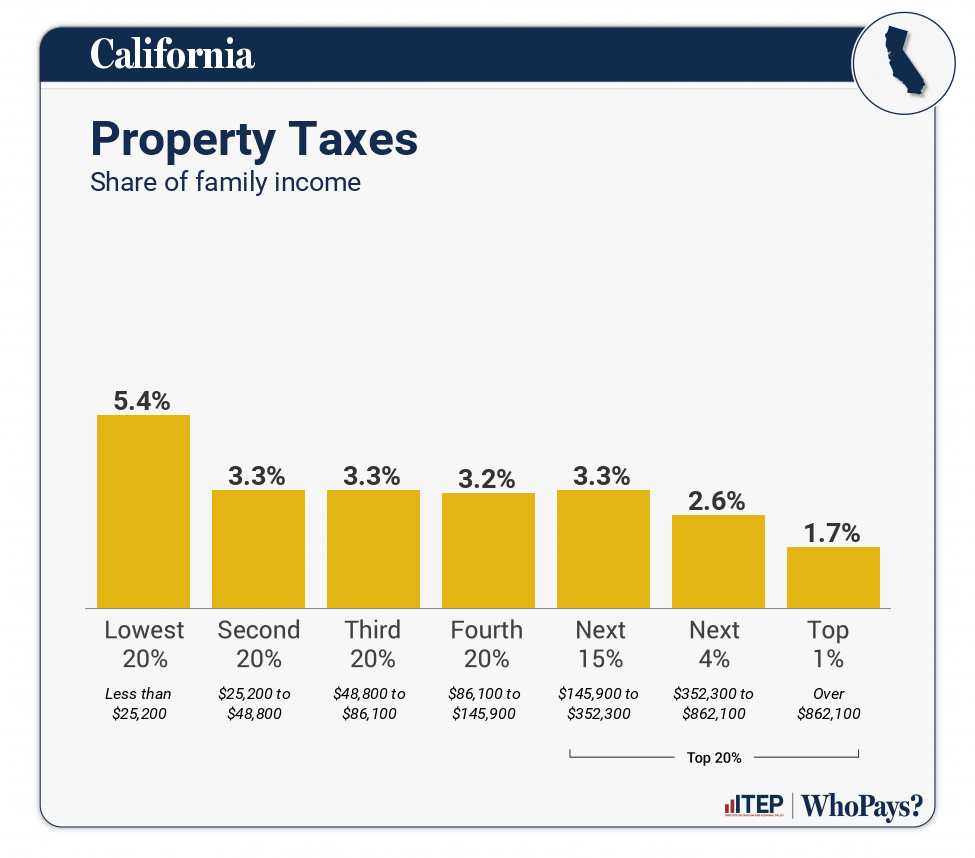
The question of “What is the percentage of property tax in California?” is not as straightforward as a single, uniform number. While there’s a foundational state law, local nuances and specific property characteristics can significantly alter the final bill. This guide delves into the core components of California’s property tax structure, providing clarity for those navigating the long-term accommodation landscape.
Understanding California’s Property Tax System: Proposition 13
At the heart of California’s property tax system is Proposition 13, a landmark ballot initiative passed in 1978. This proposition fundamentally changed how property is assessed and taxed, creating a more predictable—though sometimes complex—framework for homeowners and investors.
The core tenets of Proposition 13 are:
- Base Property Tax Rate: It establishes a base property tax rate of 1% of the property’s assessed value. This 1% is consistent across all counties in California.
- Acquisition Value System: Property is assessed at its market value only when it is purchased or newly constructed. This “acquisition value” then becomes the new base year value for tax purposes.
- Annual Cap on Assessed Value Increases: After the initial assessment upon acquisition, the assessed value of a property can only increase by a maximum of 2% per year, or the rate of inflation, whichever is lower. This cap continues as long as there is no change in ownership or new construction.
- Reassessment Upon Change of Ownership: When a property changes hands, its assessed value is typically reassessed to its current market value. This is a critical point for anyone buying accommodation for a long-term stay, as their tax bill will be based on their purchase price (or current market value) rather than the previous owner’s potentially much lower assessed value.
For those planning a long-term stay in California, Proposition 13 offers a degree of predictability regarding future property tax increases. Once you own a property, the assessed value for tax purposes will not skyrocket, making long-term financial planning more manageable. However, it also means that new buyers often face significantly higher property tax bills than long-time residents who purchased their homes years or decades ago.
Beyond the Base Rate: Local Levies and Mello-Roos
While Proposition 13 sets the base rate at 1%, the effective property tax rate in many California communities is often higher. This is due to additional levies that are permissible under the framework of Proposition 13 and other state laws. These additions can significantly impact the total cost of owning accommodation, especially in desirable or newly developed areas.
Direct Levies and Bond Indebtedness
Many local jurisdictions (cities, counties, school districts, water districts, etc.) impose additional property taxes to fund specific services or repay general obligation bonds. These bonds are typically approved by local voters and are used to finance essential infrastructure projects such as:
- Schools: Construction and renovation of public schools.
- Libraries: Funding for public libraries.
- Parks and Recreation: Development and maintenance of local parks and recreational facilities.
- Public Safety: Supporting police and fire departments.
- Transportation: Improvements to roads, bridges, and public transit.
These additional levies are calculated as a percentage of the assessed value and are added on top of the 1% base rate. Consequently, the actual “effective” property tax rate can range from 1.1% to 1.5% or even higher, depending on the specific location within California. When evaluating a property for long-term accommodation, it’s crucial to investigate these local additions, as they are a permanent part of the annual tax bill.
Mello-Roos Community Facilities Districts
One particularly impactful type of additional levy is the Mello-Roos Community Facilities District (CFD) tax. These taxes are established by local governments to finance public services and facilities in specific geographic areas, particularly in newer, developing communities where traditional funding sources may be insufficient. Mello-Roos taxes fund things like:
- New Schools: Building new educational facilities for growing populations.
- Roads and Highways: Constructing new transportation infrastructure.
- Sewer and Water Systems: Developing essential utilities.
- Parks and Open Space: Creating community recreational areas.
- Police and Fire Protection: Providing ongoing public safety services.
Unlike bond levies that are often based on a percentage of assessed value, Mello-Roos taxes can be assessed in various ways—per parcel, per unit, or based on square footage, for example. They can be substantial and, importantly, are not subject to the 2% annual cap imposed by Proposition 13 on the assessed value. This means a Mello-Roos tax can potentially increase by more than 2% per year.
For those seeking long-term accommodation, especially in master-planned communities or new developments, properties subject to Mello-Roos can have significantly higher total property tax bills. It’s not uncommon for these properties to have effective tax rates approaching 2% or even 2.5% of their purchase price when all levies are combined. Always ask about Mello-Roos taxes when considering a property in newer areas.
Calculating Your Property Tax: A Practical Approach for Accommodation Seekers
Understanding the components is one thing; calculating your actual property tax bill is another. For prospective long-term residents and property owners, a practical approach to estimation is essential.
Assessed Value vs. Market Value

A common point of confusion is the distinction between a property’s market value and its assessed value for tax purposes. As dictated by Proposition 13:
- Market Value: This is what a property would sell for in the current real estate market.
- Assessed Value: This is the value determined by the county assessor, used for calculating property taxes. For a newly acquired property, the initial assessed value will typically be its purchase price (its market value at the time of sale). For properties held for an extended period, the assessed value will be the original acquisition value plus the annual 2% (or less) inflation adjustment, which often means it’s significantly lower than the current market value.
When you purchase a property, the county assessor will typically reassess it to its new market value (your purchase price). This new assessed value will then serve as the base for your property tax calculations going forward, subject to the annual 2% cap.
Impact of Property Transfers
The reassessment upon change of ownership is arguably the most significant factor affecting a new owner’s property tax bill. A property that has been owned by the same family for decades might have an incredibly low assessed value, resulting in a modest tax bill. However, when it’s sold, the new owner’s tax bill will dramatically increase to reflect the current market value. This dynamic is crucial for anyone entering California’s property market for a long-term stay.
Tools and Resources
To get precise figures for a specific property, you should consult the county assessor’s office for the county in which the property is located. Websites for counties like Los Angeles County or San Diego County typically have online portals where you can search for a property by address or parcel number and view its assessed value, tax history, and current tax bill details, including any special assessments or Mello-Roos taxes. This is an indispensable step when budgeting for long-term accommodation costs.
Exemptions and Relief Programs for California Homeowners
While California’s property tax system can seem daunting, several exemptions and relief programs are available that can help reduce the tax burden for eligible homeowners, particularly those establishing a long-term residence.
Homeowners’ Exemption
The most common relief program is the Homeowners’ Exemption. If you own and occupy a property as your principal place of residence, you are eligible for an exemption of up to $7,000 off your property’s assessed value. While this might seem modest compared to a property’s total value, it translates to an annual saving of approximately $70 (1% of $7,000) on your property tax bill. To qualify, you must file a claim with your county assessor’s office.
Other Potential Exemptions
California also offers other, less common exemptions for specific groups, such as:
- Veterans’ Exemption: For qualifying veterans and their unremarried spouses, an exemption of up to $4,000 is available.
- Disabled Veterans’ Exemption: A more substantial exemption of up to $100,000 (or $150,000 for low-income recipients) is available for certain disabled veterans or their surviving spouses.
- Welfare Exemption: For properties owned and operated by non-profit organizations for religious, hospital, scientific, or charitable purposes.
These exemptions are designed to provide relief and support various segments of the population, impacting the overall cost of their long-term accommodation.
Proposition 19 (Intergenerational Transfers and Portability)
Proposition 19, passed in 2020, significantly altered rules regarding property tax portability and intergenerational transfers. For homeowners aged 55 or older, severely disabled individuals, or victims of natural disasters, Proposition 19 allows them to transfer their existing Proposition 13 base year value to a replacement primary residence anywhere in California. This transfer can occur up to three times. This is particularly beneficial for older adults looking to downsize or move closer to family while retaining a lower property tax burden, directly affecting their long-term accommodation choices.
Additionally, Proposition 19 changed the rules for parent-to-child and grandparent-to-grandchild property transfers. While a primary residence can still be transferred without triggering a reassessment, it must remain the child’s or grandchild’s principal residence, and any market value exceeding the parents’ assessed value by more than $1 million will be reassessed. This change impacts long-term family wealth transfer and considerations for inherited accommodation.

Property Tax and the Long-Term Accommodation Market
Property taxes are an undeniable and substantial factor within California’s long-term accommodation market, influencing both ownership and rental costs.
For those considering purchasing a home for a long-term stay, whether it’s a primary residence or a secondary vacation home, property taxes directly contribute to the overall carrying cost of the property. A higher effective tax rate means a larger annual expense, impacting monthly budgets and long-term financial viability. This cost can vary significantly from one city to another, or even between neighborhoods within the same city, depending on local levies and Mello-Roos districts. Therefore, a thorough investigation of potential property tax burdens is as vital as the purchase price itself.
For investors interested in the long-term rental market, property taxes are a critical operating expense that directly affects profitability. These taxes must be factored into rental rate calculations to ensure a positive cash flow. Properties with higher effective tax rates might necessitate higher rents to maintain desired margins, potentially influencing their competitiveness in the rental market. Conversely, properties with lower assessed values and, consequently, lower tax bills can offer a more attractive return on investment over time.
In conclusion, while the foundational property tax rate in California is 1% of the assessed value, the effective rate for any given property can be notably higher due to a mosaic of local bonds, special assessments, and Mello-Roos taxes. For anyone considering long-term accommodation in this sought-after state, a deep dive into the specific property’s tax history and future projections is an essential step in securing a financially sound and enjoyable stay.
LifeOutOfTheBox is a participant in the Amazon Services LLC Associates Program, an affiliate advertising program designed to provide a means for sites to earn advertising fees by advertising and linking to Amazon.com. Amazon, the Amazon logo, AmazonSupply, and the AmazonSupply logo are trademarks of Amazon.com, Inc. or its affiliates. As an Amazon Associate we earn affiliate commissions from qualifying purchases.