
Alaska, the United States’ largest state by area, is renowned for its breathtaking wilderness, unique cultural heritage, and vast, untouched landscapes. Often called “The Last Frontier,” it presents a distinct allure for travelers seeking adventure, pristine nature, and a glimpse into a lifestyle far removed from the urban bustle. Yet, beyond its iconic glaciers and abundant wildlife, understanding the human element – its population – offers crucial insights into the state’s dynamics, economy, and the very fabric of its identity. As of 2024, estimates suggest that Alaska’s population hovers around 733,000 residents. This figure, while relatively small compared to other states, tells a story of a unique demographic influenced by geography, economy, and a distinct way of life that also intertwines deeply with the state’s thriving tourism and accommodation sectors.
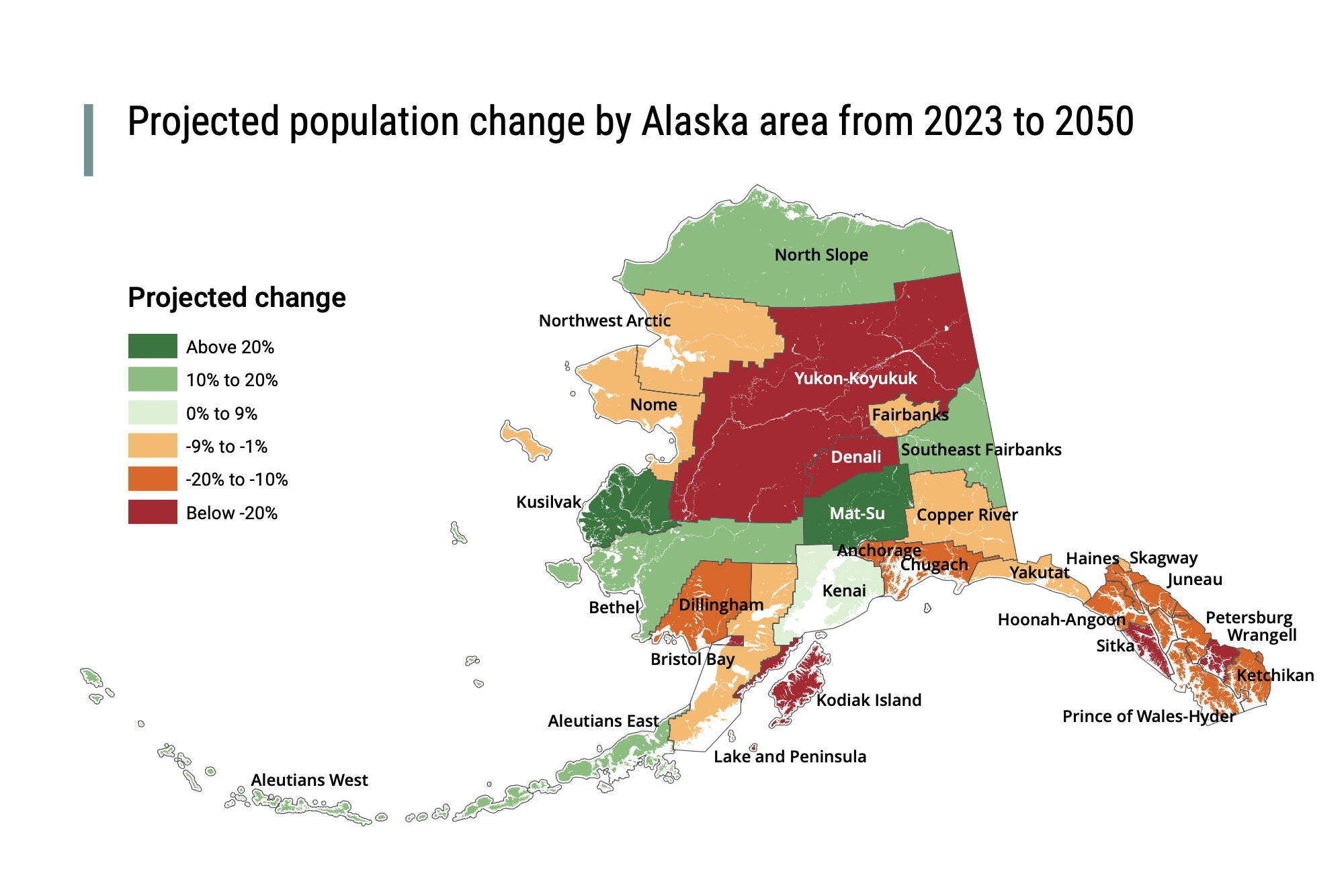
The relatively sparse population spread across such an immense landmass is one of Alaska’s’ defining characteristics. This article delves into the latest population figures, the factors shaping these numbers, and how human settlement and activity are intrinsically linked to the state’s appeal as a travel destination and a place to call home.
Understanding Alaska’s Unique Demographics in 2024
Alaska’s population isn’t just a number; it’s a reflection of its frontier spirit, its economic drivers, and its cultural diversity. The latest projections for 2024 provide a fascinating snapshot of who lives in this majestic state.
The Latest Population Estimates
While official census data is compiled every ten years, annual estimates from entities like the U.S. Census Bureau and the Alaska Department of Labor and Workforce Development provide real-time insights. For 2024, the estimate of approximately 733,000 residents suggests a relatively stable, albeit slowly fluctuating, population. This stability is remarkable given the state’s extreme environment and the transient nature of certain industries.
The population density is incredibly low, averaging around 1.2 residents per square mile, emphasizing the vast tracts of uninhabited land. Most of the population is concentrated in a few key urban centers, particularly Anchorage, which serves as the economic and population hub. This concentration influences everything from the availability of hotels and infrastructure to the accessibility of medical services and cultural attractions. For visitors, understanding this distribution helps in planning travel itineraries, knowing where services are readily available, and where one might venture into true wilderness.
A Snapshot of Alaskan Diversity
Alaska’s population is notable for its rich cultural diversity, especially its significant Alaska Native population. This includes distinct groups such as the Inuit (including Iñupiat and Yup’ik), Athabascan, Tlingit, Haida, and Tsimshian peoples, each contributing unique traditions, languages, and histories that deeply enrich the state’s overall tourism experience. These indigenous cultures are celebrated through various landmarks and cultural centers, such as the Alaska Native Heritage Center in Anchorage, offering visitors invaluable insights into the state’s heritage.
Beyond indigenous groups, Alaska attracts people from all over the United States and the world, drawn by economic opportunities, the adventurous lifestyle, or simply the allure of living close to nature. This melting pot of cultures contributes to vibrant local communities, diverse culinary scenes, and a dynamic social fabric that travelers can explore. From family-run restaurants serving up global cuisines to local festivals showcasing diverse traditions, the human element adds another layer to Alaska’s appeal.
Factors Shaping Alaska’s Population Landscape
The ebb and flow of Alaska’s population are not random; they are driven by a complex interplay of economic forces, environmental factors, and the unique lifestyle the state offers. Understanding these influences is key to appreciating why people choose to move to, stay in, or leave Alaska.
Economic Drivers and Migration Patterns
One of the primary drivers of population change in Alaska has historically been its resource-based economy. The oil and gas industry, fishing, and mining have attracted a significant workforce over the decades. When these industries experience boom periods, the population tends to grow, as individuals and families relocate for job opportunities. Conversely, downturns can lead to out-migration.
The Permanent Fund Dividend, a unique annual payment to eligible residents from the state’s oil wealth, also plays a role, offering a financial incentive for long-term residency. However, it’s often the availability of high-paying jobs in remote, challenging environments that truly draws individuals seeking a distinct career path.
Beyond resource extraction, the tourism sector has grown into a major economic pillar, creating numerous seasonal and permanent jobs in various fields, from hotel management and tour guiding to transportation and hospitality. This industry brings a temporary influx of seasonal workers, impacting local services and accommodation availability in popular destinations like Juneau, Seward, and Ketchikan. Cruise ship operations, for example, require thousands of staff each season, many of whom reside in Alaska for the summer months.
Lifestyle, Amenities, and Quality of Life

Living in Alaska is a deliberate choice, often motivated by a desire for a particular lifestyle. The appeal of endless outdoor adventures – fishing, hunting, hiking, skiing, and wildlife viewing – is a major draw. Cities like Anchorage and Fairbanks offer a surprising array of urban amenities, including diverse dining, cultural events, and higher education institutions like the University of Alaska system, while still providing easy access to wilderness.
However, the Alaskan lifestyle also comes with challenges: long, dark winters, high cost of living (especially for imported goods), and limited infrastructure in remote areas. These factors can influence decisions to stay or leave. For instance, the demand for specialized services and unique accommodation options, like wilderness lodges or remote cabins, reflects the adventurous spirit of both residents and visitors. The community spirit in Alaska is often strong, forged by shared experiences of living in such a unique environment, fostering a sense of resilience and camaraderie that is deeply attractive to many.
Population Centers and Their Appeal to Travelers and Residents
While Alaska is vast, its population is primarily concentrated in a handful of key areas, each offering distinct experiences for both residents and those on a holiday. These population centers also serve as critical hubs for travel, tourism, and accommodation.
Major Cities and Tourist Hubs
Anchorage remains the most populous city, home to well over half of the state’s residents. It functions as the state’s primary gateway, featuring the largest airport and a bustling port. For residents, it offers the widest range of job opportunities, educational institutions, and urban conveniences. For travelers, Anchorage provides a diverse selection of hotels, from luxury options like the Hotel Captain Cook to comfortable mid-range choices like The Lakefront Anchorage. It’s also a hub for accessing iconic landmarks and outdoor adventures, including the nearby Chugach Mountains and the Alaska Wildlife Conservation Center.
Fairbanks, located in the interior, is the second-largest city. It’s known for its extreme seasonal temperature variations and its prime viewing opportunities for the Northern Lights. Its population is bolstered by the presence of a military base and the University of Alaska Fairbanks campus. Accommodation options here cater to both tourists seeking auroral displays and business travelers, with establishments like the Wedgewood Resort being popular choices.
Juneau, the state capital, is unique in that it’s only accessible by air or sea, underscoring Alaska’s rugged geography. Its population is tied closely to government and the tourism industry, particularly cruise ship visits to the Inside Passage. Key attractions like the Mendenhall Glacier draw thousands annually, supporting a range of hotels and guesthouses, from more budget-friendly options like the Juneau Hostel to boutique hotels.
Smaller towns like Sitka, Ketchikan, Seward, and Homer also serve as significant population and tourist hubs, especially during the summer. These communities often highlight local culture, historical landmarks, and access to world-class fishing or wildlife viewing in areas like the Kenai Peninsula and Prince William Sound.
The Role of Tourism and Accommodation in Population Dynamics
The tourism industry significantly impacts Alaska’s population, albeit often temporarily. Seasonal workers flock to the state to fill roles in hotels, resorts like Alyeska Resort in Girdwood, tour operations, and cruise lines. While many of these individuals are not permanent residents, their presence creates a vibrant, albeit temporary, surge in local populations, particularly in summer months. This dynamic influences demand for short-term accommodation, services, and even temporary infrastructure.
Furthermore, the allure of Alaska’s’s unique lifestyle and economic opportunities in tourism can inspire some seasonal workers to become permanent residents, contributing to a slow but steady population growth or stabilization. The success of local businesses, from small B&Bs to major resorts, is intrinsically linked to this human flow, making the industry a key component of the state’s demographic story. The increasing interest in experiential travel and remote work has also led some to consider longer stays or even permanent relocation to Alaska, valuing its natural beauty and distinct quality of life over more conventional urban living.
The Future of Alaska’s Population
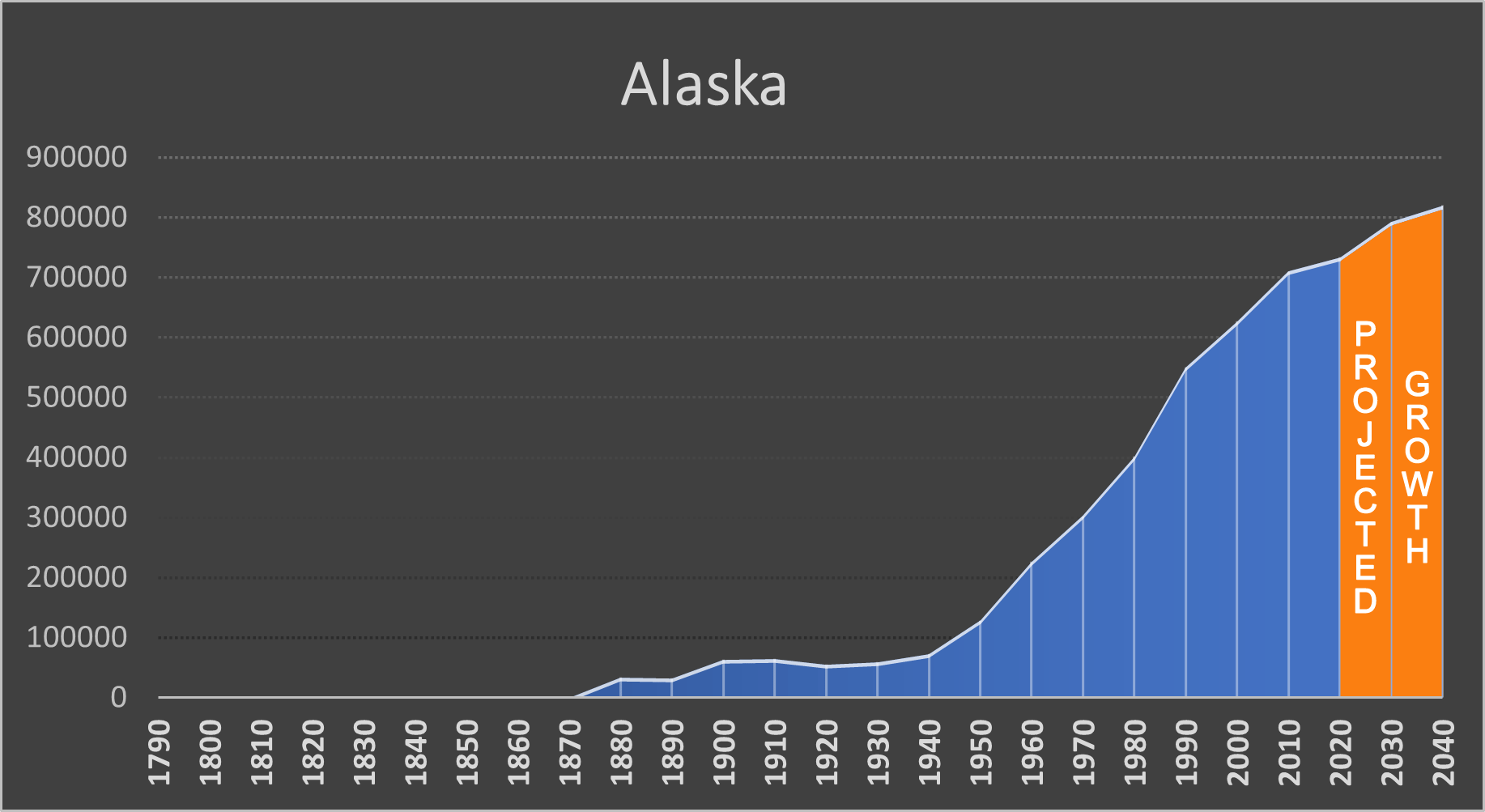
Projecting population trends in Alaska involves considering a multitude of factors, from global economic shifts to environmental changes. The state’s future population trajectory will undoubtedly continue to shape its unique character and influence its key industries, including travel and tourism.
Projections and Potential Influences
Demographers often look at birth rates, death rates, and net migration to forecast population changes. In Alaska, migration remains a significant variable. The state has experienced periods of both net in-migration and net out-migration, largely tied to the health of its resource industries. As the global energy landscape evolves, and as new economic sectors, such as renewable energy or technology, potentially emerge, these shifts could influence future population numbers.
Climate change also presents a unique challenge and opportunity for Alaska. While it impacts traditional livelihoods in the Arctic and infrastructure across the state, it also draws researchers and professionals focused on environmental science, potentially creating new pockets of population growth.
The diversification of Alaska’s economy, with a growing emphasis on tourism, education, and healthcare, could contribute to a more stable and diverse population base. Investments in infrastructure, such as improved transportation networks like the Alaska Railroad or enhanced internet connectivity in rural areas, could also make the state more attractive to a broader range of residents and businesses.
Ultimately, Alaska’s population in 2024, hovering around 733,000, reflects a state that, despite its challenges, continues to attract those seeking a life of adventure, connection to nature, and unique economic opportunities. For anyone interested in traveling to Alaska, understanding these demographic patterns offers a deeper appreciation for the communities they visit, the services available, and the resilient spirit of the people who call this extraordinary place home. The human story of Alaska is as compelling and complex as its landscapes, continually evolving while retaining its distinctive frontier allure.
LifeOutOfTheBox is a participant in the Amazon Services LLC Associates Program, an affiliate advertising program designed to provide a means for sites to earn advertising fees by advertising and linking to Amazon.com. Amazon, the Amazon logo, AmazonSupply, and the AmazonSupply logo are trademarks of Amazon.com, Inc. or its affiliates. As an Amazon Associate we earn affiliate commissions from qualifying purchases.