
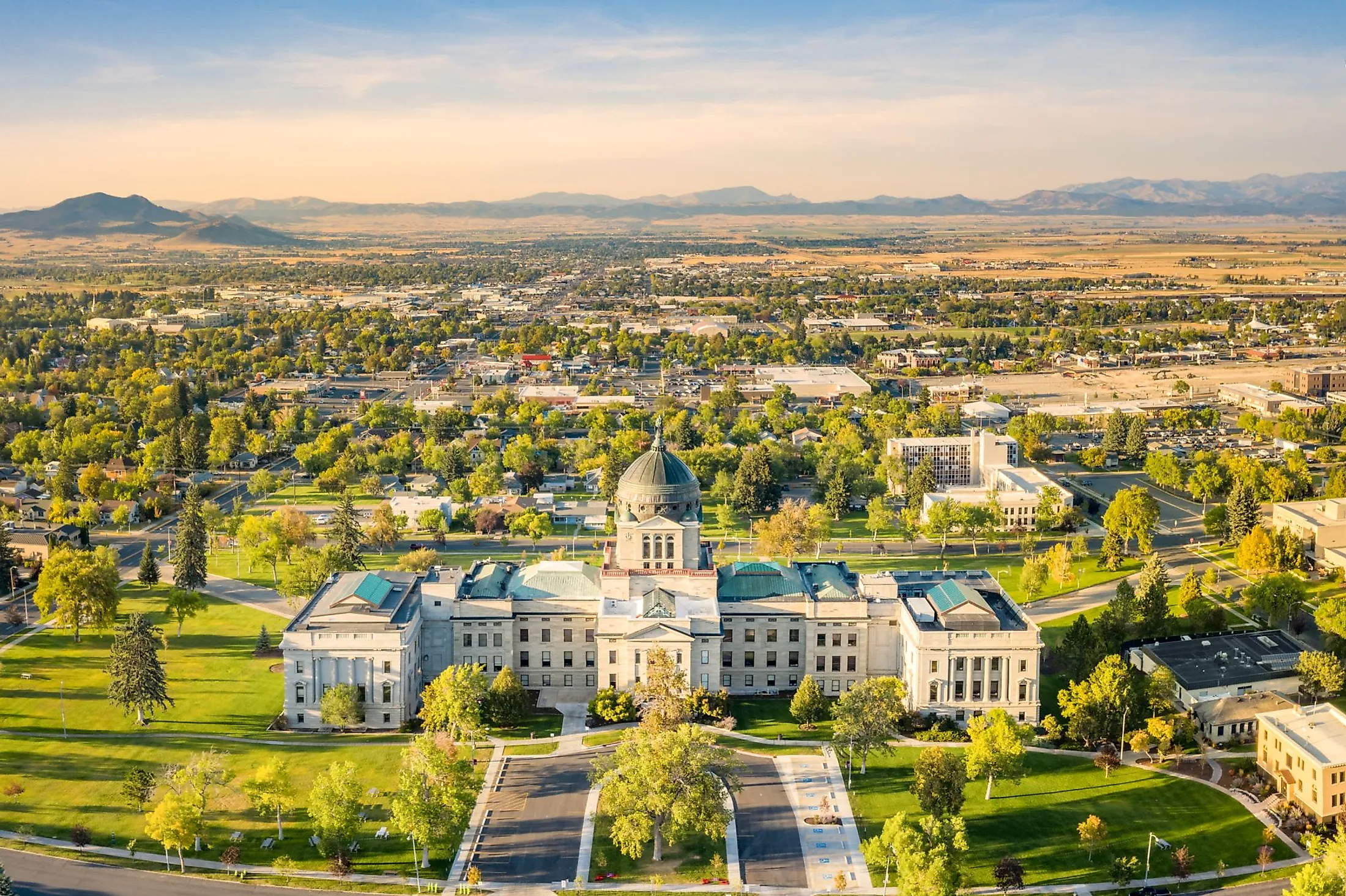
When considering a move to the American West or simply planning an extended visit to soak in the mountain air, understanding the demographic landscape is a crucial first step. Helena, the capital city of Montana, offers a unique blend of government hub functionality and small-town charm. As of the most recent census data and subsequent projections, the population of Helena sits at approximately 33,000 residents within the city limits. However, when examining the broader Lewis and Clark County, that figure expands significantly to over 75,000 people. This distinction is vital for those looking to understand the true “reach” of the capital city.
The Growth and Demographic Evolution of the Capital City
The population of Helena has seen a steady, albeit moderate, growth rate over the last decade. Unlike the rapid, explosive growth seen in cities like Bozeman or Missoula, the capital city has maintained a more measured pace. This stability is largely attributed to the city’s economic reliance on state government operations, which provide a consistent bedrock of employment.
Economic Drivers and Migration Patterns
The primary factor influencing population trends in Montana today is the “zoom town” phenomenon. Professionals who have moved away from dense coastal urban centers are increasingly seeking the high quality of life offered by the Rocky Mountains. In Helena, this has resulted in a diverse influx of new residents who bring remote work capabilities, thereby insulating the local economy from the traditional boom-and-bust cycles associated with natural resource extraction.
Age Demographics and Workforce Composition
Demographically, Helena features a balanced mix of young families, civil servants, and retirees. The presence of state agencies and healthcare providers ensures that there is a constant demand for skilled labor. Furthermore, the city’s proximity to Carroll College introduces a vibrant student population that contributes to the local economy and social scene for nine months of the year, keeping the median age slightly lower than in other similar-sized regional hubs.
Geographic and Social Impact of the Population Density
While the raw number of 33,000 residents might seem small by national standards, the footprint of the Helena community is expansive. The city is nestled in a narrow valley, forcing development into interesting patterns that balance historic preservation with modern expansion.
Understanding the Urban-Rural Interface
Because Helena serves as the seat for Lewis and Clark County, it acts as a centralized service hub for the surrounding rural areas. On weekdays, the population effectively swells as commuters from surrounding towns—such as East Helena or Montana City—arrive to access the Montana State Capitol, the Helena Regional Airport, and specialized medical facilities. This “daytime population” is a critical metric for business owners and urban planners who need to gauge the true capacity of the city’s infrastructure.

The Influence of Geography on Development
The surrounding Big Belt Mountains and the Continental Divide act as natural boundaries, influencing where people choose to settle. This has created a tight-knit community feel where residents often prioritize access to outdoor recreation, such as Mount Helena and the Arch Park, over suburban sprawl. The desire to maintain this proximity to nature is a limiting factor for population density, ensuring that Helena retains its “big village” atmosphere even as it grows.
Quality of Life as a Population Magnet
What draws people to this specific corner of the United States? It is rarely the sheer size of the population; rather, it is the lifestyle that such a number supports. The population size in Helena is often referred to as the “Goldilocks” zone—large enough to support professional-grade amenities, but small enough to avoid the traffic and congestion of major metropolitan areas.
Essential Amenities for a Growing City
Despite a population under 40,000, Helena boasts a sophisticated cultural life. The Holter Museum of Art and the Grandstreet Theatre serve as cornerstones for the local arts community. These institutions are well-supported by the local population, which prides itself on an intellectual and creative culture. The presence of high-quality dining and craft breweries has also surged in the last decade, reflecting the tastes of a demographic that is increasingly looking for “big city” experiences without the “big city” wait times.
Outdoor Access and Community Wellness
The population of Helena is famously active. With over 80 miles of trails within city limits, the culture here is centered on health and outdoor engagement. This is not a city where people stay indoors; it is a community that utilizes the Tenmile Creek Park or explores the Gates of the Mountains on weekends. This shared cultural value of wellness acts as a social glue, bringing together different segments of the population regardless of their professional background.
Future Projections and Urban Sustainability
Looking toward the next twenty years, urban planners anticipate that the population of Helena will continue to climb. The challenge, however, will be managing this growth in a way that preserves the historic charm of areas like Last Chance Gulch.
Infrastructure and Sustainable Expansion
Sustainable growth is a hot topic at the Helena City Hall. With a finite amount of space in the valley, the focus is shifting toward “infill” development—renovating existing structures and optimizing land use within the city core. This strategy is intended to prevent the loss of open space while accommodating new arrivals who are eager to participate in the local economy.

Attracting the Next Generation
To ensure the population remains vibrant, the city is actively working to diversify its economic base. By encouraging tech startups and light manufacturing to set up shop near the Helena College, officials hope to retain graduates who might otherwise seek opportunities in Seattle or Denver. The aim is to create a dynamic ecosystem where the population density grows in lockstep with economic opportunity, ensuring that Helena remains a viable and attractive destination for years to come.
Ultimately, while the population of Helena is defined by its numbers, the city is defined by its spirit. Whether you are moving for the career opportunities at the state level or the unparalleled access to the American West, Helena offers a scale of living that is increasingly rare in the modern world. It is a city that provides the comfort of a small community with the influence and culture of a major capital, making it a unique gem in the heart of Montana.
LifeOutOfTheBox is a participant in the Amazon Services LLC Associates Program, an affiliate advertising program designed to provide a means for sites to earn advertising fees by advertising and linking to Amazon.com. Amazon, the Amazon logo, AmazonSupply, and the AmazonSupply logo are trademarks of Amazon.com, Inc. or its affiliates. As an Amazon Associate we earn affiliate commissions from qualifying purchases.