
Las Vegas, often dubbed “The Entertainment Capital of the World,” is a city that conjures images of dazzling lights, world-class resorts, and endless entertainment. But beyond the vibrant facade of the Las Vegas Strip, there’s a thriving metropolis home to a significant and ever-growing population. Understanding the demographics of Las Vegas is crucial for anyone interested in its unique blend of tourism, residential life, and economic dynamism. The city’s population isn’t just a number; it’s a living, breathing component that shapes its identity, drives its economy, and influences everything from the availability of accommodation to the development of new attractions.
When we talk about the population of Las Vegas, it’s important to distinguish between the incorporated city limits and the broader metropolitan area, which encompasses much of Clark County, Nevada. The metropolitan area includes neighboring cities like Henderson and North Las Vegas, which together form a sprawling urban landscape. This distinction is vital because while the city of Las Vegas itself has a substantial population, the greater Las Vegas statistical area is one of the fastest-growing regions in the United States, reflecting an ongoing influx of new residents drawn by job opportunities, a unique lifestyle, and the allure of the desert.

Understanding Las Vegas’s Population: More Than Just Residents
The concept of “population” in Las Vegas is multifaceted. It includes not only the permanent residents who call the city home but also the millions of tourists and business travelers who visit annually, creating a transient population that vastly inflates the numbers on any given day. This constant ebb and flow of visitors is fundamental to the city’s identity and economic model, directly impacting its tourism, hotel, and lifestyle sectors.
The City vs. The Metro Area: A Tale of Two Populations
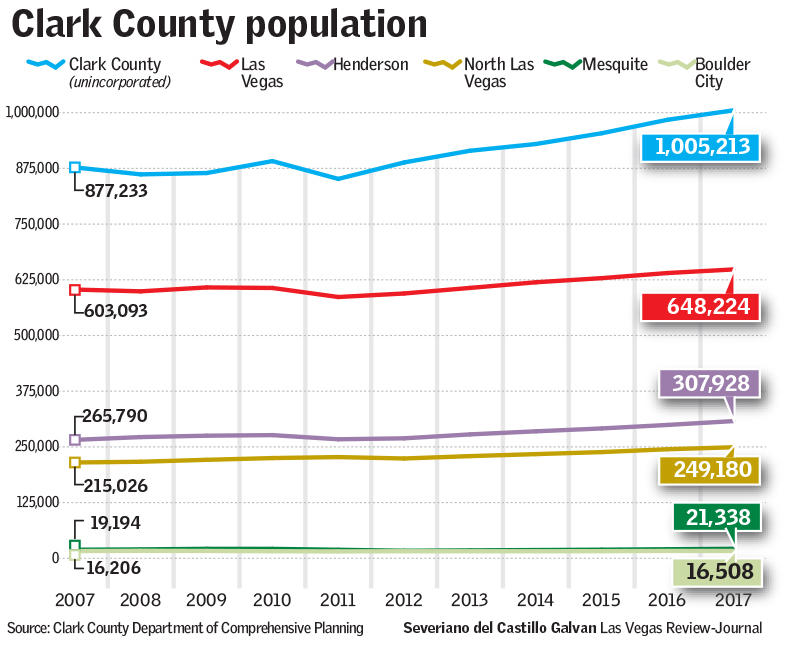
As of recent estimates, the incorporated City of Las Vegas has a population of approximately 670,000 residents. This figure positions Las Vegas as the most populous city in Nevada. However, this number only tells part of the story. The Las Vegas-Henderson-Paradise Metropolitan Statistical Area (MSA), which provides a more comprehensive picture of the urban footprint, boasts a population exceeding 2.3 million people. This broader metropolitan area encompasses not just Las Vegas city, but also Henderson, North Las Vegas, and other unincorporated communities within Clark County.
This distinction is critical for understanding the city’s infrastructure, housing market, and service demands. While the city proper focuses on downtown revitalization and core urban services, the metropolitan area grapples with regional transportation, water resources, and the expansion of residential communities into the surrounding desert. The growth in the MSA is a testament to Las Vegas’s appeal as a place to live, not just to visit. Families, retirees, and professionals are increasingly choosing to relocate here, attracted by the lower cost of living compared to coastal cities, the vibrant job market, and a unique lifestyle that offers both urban amenities and access to natural beauty like Red Rock Canyon and Lake Mead.
The Daily Influx: Tourists and Visitors Swelling the Ranks
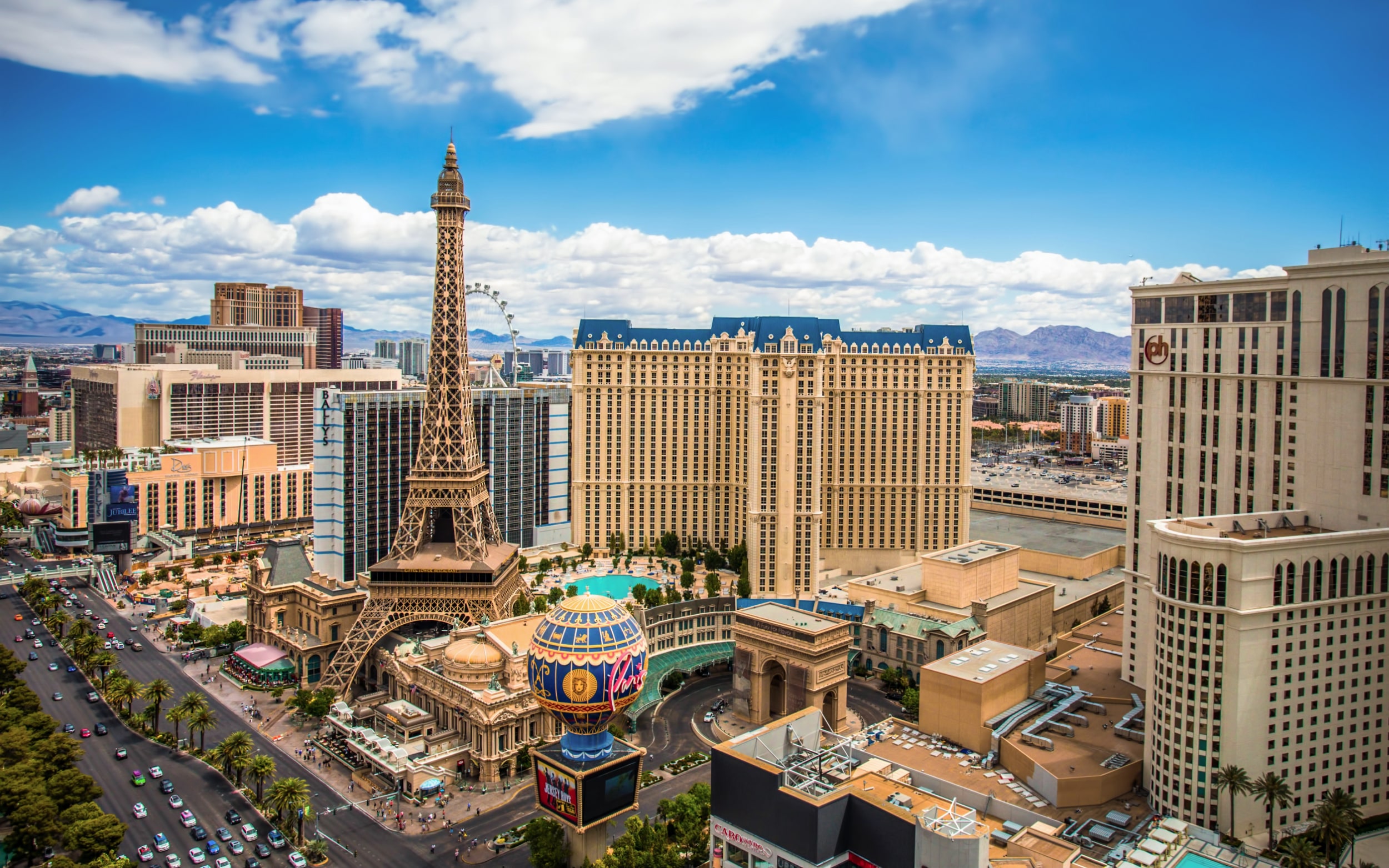
Beyond its permanent residents, Las Vegas hosts an astounding number of visitors annually. Before the global pandemic, the city welcomed over 42 million tourists each year. While numbers fluctuated during the pandemic, the city has shown a remarkable recovery, with visitor counts rapidly approaching pre-pandemic levels. On any given weekend, the population of the Las Vegas Strip alone can swell by hundreds of thousands, a dynamic entirely separate from its residential population.
This constant influx of tourists dramatically impacts the city’s infrastructure and services. The demand for accommodation is astronomical, supporting thousands of hotel rooms across iconic resorts like Caesars Palace, The Venetian, MGM Grand, and Wynn Las Vegas. These properties are not just hotels; they are self-contained ecosystems offering dining, entertainment, shopping, and convention facilities. The transient population also drives the need for extensive public transportation, taxis, ride-sharing services, and a robust hospitality workforce. The presence of millions of visitors transforms Las Vegas into a bustling global hub, far exceeding the typical activity level of a city its residential size. This unique characteristic underscores why its population, both resident and transient, is inextricably linked to its identity as a premier travel destination.
The Economic Engine: How Population Drives Tourism and Hospitality
The symbiotic relationship between Las Vegas’s population and its economic prosperity, particularly in the tourism and hospitality sectors, cannot be overstated. The growing resident population provides a stable workforce for the city’s vast array of hotels, casinos, restaurants, and entertainment venues, while the constant flow of tourists fuels the demand for these services, thereby creating more jobs and attracting more residents.
Hospitality Sector’s Dependence on Population and Tourism
The hospitality industry is the lifeblood of Las Vegas. It directly accounts for a significant portion of the city’s employment, supporting a diverse workforce ranging from hotel managers and chefs to performers and convention staff. Resorts like Aria Resort & Casino and The Cosmopolitan of Las Vegas are major employers, offering careers that attract talent from across the globe. The presence of a substantial and growing local population ensures a continuous supply of labor for these establishments, from entry-level positions to specialized roles. Without a stable resident population, the city would struggle to maintain the high level of service and operational efficiency that its global reputation demands.
Moreover, the resident population itself contributes to the local economy by patronizing restaurants, entertainment, and retail establishments, especially those catering to locals off the main tourist corridors. This creates a more diversified economic base, reducing the city’s sole reliance on tourist spending. Events like concerts, sporting events, and cultural festivals appeal to both residents and visitors, further blurring the lines and strengthening the overall economic fabric. The constant demand generated by both groups ensures sustained investment in new attractions, hotels, and entertainment options, solidifying Las Vegas’s position as a leading global destination.
Infrastructure and Accommodation Demands for a Growing Populace
The expansion of both the resident and transient populations places immense pressure on Las Vegas’s infrastructure and accommodation sectors. From new residential developments in areas like Summerlin and Green Valley to the continuous upgrades and expansions of its world-famous hotels, the city is in a constant state of growth and adaptation.
For residents, this means an ongoing need for housing, schools, healthcare facilities, and transportation networks. The demand for new apartments, condominiums, and single-family homes has led to a boom in construction, transforming the desert landscape. Simultaneously, the tourism sector continually invests in new hotel towers, convention centers, and entertainment complexes. The Las Vegas Convention Center, for example, is regularly expanded and modernized to host major events like CES, attracting hundreds of thousands of attendees who require accommodation.
The availability of diverse accommodation options is key to attracting a wide range of travelers, from luxury seekers to budget-conscious families. Beyond the grand resorts on the Strip, Las Vegas offers boutique hotels, vacation rentals, and extended-stay apartments, catering to both short-term visitors and those considering longer stays. The constant evolution of its accommodation landscape is a direct response to the growth in both its resident and visitor populations, ensuring the city remains a top choice for travel and relocation.
Lifestyle and Growth: Attracting New Residents to the Desert Oasis
The narrative of Las Vegas’s population growth is deeply intertwined with its evolving lifestyle offerings. What once began as a frontier town, then a gambling mecca, has matured into a diverse urban center that appeals to a broad demographic, from young professionals to families and retirees. This transformation highlights the strategic shift to diversify its economy beyond gaming and embrace a more comprehensive approach to urban living.
Beyond the Strip: Community Life and Amenities
While the Las Vegas Strip remains the iconic symbol of the city, much of the resident population lives a vibrant life “off-Strip.” Communities like Summerlin, Henderson, and Southern Highlands offer master-planned developments with excellent schools, parks, golf courses, and a wide array of retail and dining options that cater to everyday life. Downtown Las Vegas has also experienced a significant renaissance, with new residential lofts, innovative restaurants, and cultural attractions like the Arts District and the Mob Museum, making it an attractive hub for urban dwellers.
The city’s lifestyle extends beyond entertainment to include a burgeoning arts scene, professional sports teams like the Las Vegas Raiders (NFL) and the Vegas Golden Knights (NHL), and ample outdoor recreation opportunities. Residents have easy access to hiking and climbing in Red Rock Canyon, boating on Lake Mead, and day trips to attractions like the Hoover Dam or even the Grand Canyon. This blend of urban excitement and natural escape is a powerful draw for those seeking an active and diverse lifestyle. The low tax burden, particularly the absence of state income tax in Nevada, also makes it an attractive destination for individuals and businesses alike, fostering entrepreneurship and job creation that further fuels population growth.
Demographic Shifts and Real Estate
The sustained population growth in Las Vegas has led to notable demographic shifts. The city is becoming increasingly diverse, attracting people from various parts of the United States and internationally. Retirees are drawn by the warm climate and active adult communities, while young professionals find opportunities in the growing tech, healthcare, and logistics sectors, diversifying the job market beyond its traditional hospitality roots.
This continuous influx of new residents directly impacts the real estate market. Demand for housing remains strong, driving property values and rents, though fluctuations occur. Developers are constantly planning new residential projects, from high-rise condominiums to sprawling suburban communities, to accommodate the growth. The variety in housing options reflects the diverse needs and preferences of its expanding population. From luxury villas in exclusive neighborhoods to affordable starter homes, Las Vegas offers a range of choices for those looking to establish roots. This robust real estate activity is a clear indicator of confidence in the city’s long-term growth trajectory and its appeal as a permanent home, not just a temporary escape.
Future Outlook: Projections and Challenges for Las Vegas’s Population
Looking ahead, Las Vegas’s population is projected to continue its upward trend. Its magnetic appeal as a global entertainment hub, coupled with its evolving identity as a desirable place to live and work, ensures ongoing growth. However, this expansion also brings a unique set of challenges that the city must address to ensure sustainable development and maintain its quality of life.
Sustainable Growth and Urban Planning
The rapid population increase necessitates comprehensive urban planning and sustainable development strategies. Clark County planners are focused on creating walkable communities, expanding public transportation, and preserving open spaces. The goal is to manage growth in a way that avoids urban sprawl while enhancing the livability of the metropolitan area. This includes investing in smart city technologies, promoting mixed-use developments, and fostering green initiatives to reduce the environmental footprint.
Furthermore, the city’s commitment to diversifying its economy is a key factor in its sustainable growth. Efforts to attract tech companies, healthcare providers, and manufacturing industries aim to create a more resilient job market that is less susceptible to fluctuations in the tourism sector. This diversification will attract a wider range of skilled professionals, further contributing to a stable and growing resident population. The development of new attractions like the Sphere at The Venetian Resort demonstrates the city’s continuous innovation in tourism, ensuring its allure remains strong for future generations of visitors.
Addressing Resource Challenges: Water, Energy, and Infrastructure
Perhaps the most significant challenge facing a growing population in the desert environment of Las Vegas is resource management, particularly water. Dependent primarily on the Colorado River via Lake Mead, the region has made remarkable strides in water conservation, becoming a global leader in urban water efficiency. Future growth will require continued innovation and strict conservation policies to ensure a sustainable water supply for both residents and visitors.
Energy demands also rise with population. Las Vegas is increasingly investing in renewable energy sources, particularly solar power, to meet its growing needs responsibly. Infrastructure development, including road networks, public transit expansion, and utility upgrades, must keep pace with both residential and commercial expansion to prevent congestion and maintain operational efficiency. Addressing these challenges through forward-thinking policies and investment will be crucial for Las Vegas to continue thriving as a dynamic, desirable place to live and visit. Its population, both permanent and temporary, will remain the driving force behind its enduring evolution and unparalleled energy.
LifeOutOfTheBox is a participant in the Amazon Services LLC Associates Program, an affiliate advertising program designed to provide a means for sites to earn advertising fees by advertising and linking to Amazon.com. Amazon, the Amazon logo, AmazonSupply, and the AmazonSupply logo are trademarks of Amazon.com, Inc. or its affiliates. As an Amazon Associate we earn affiliate commissions from qualifying purchases.