
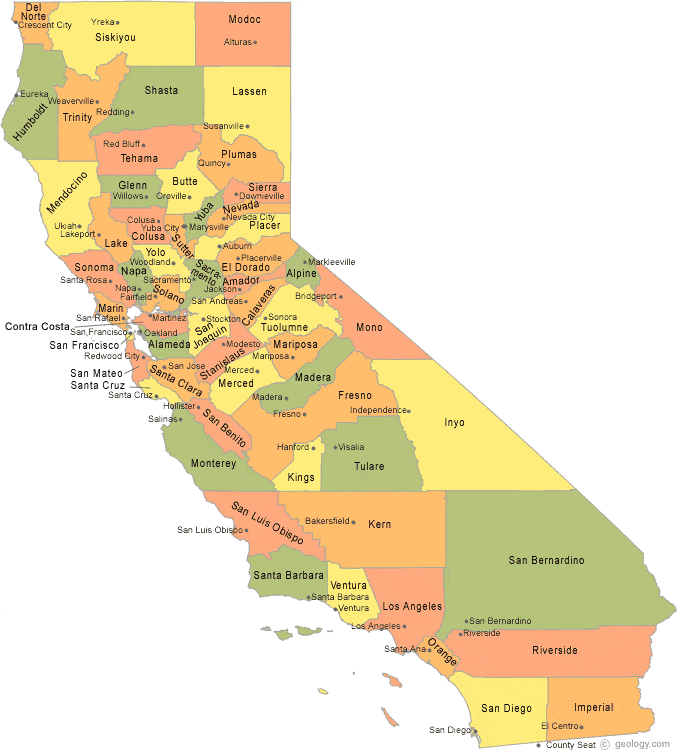
The Golden State of California, a land of unparalleled diversity, breathtaking landscapes, and vibrant cultures, beckons travelers from every corner of the globe. From sun-kissed beaches to snow-capped mountains, bustling metropolises to serene deserts, California offers an endless array of experiences for every type of explorer. But to truly unlock the secrets of this majestic state and plan an unforgettable journey, it’s essential to understand its foundational geographic divisions. So, how many counties are in California? The answer is 58. These 58 distinct counties serve as the bedrock for local governance, but more importantly for the discerning traveler, they represent unique cultural identities, economic engines, and tourism hotspots, each offering its own compelling reasons to visit.
Understanding the county structure of California is not merely a geographic exercise; it’s a strategic approach to travel planning. Each county presents a microcosm of the state’s vast offerings, influencing everything from the local cuisine and cultural events to the types of accommodations available and the specific landmarks you’ll encounter. For those looking to delve deep into California’s heart, a county-by-county exploration offers a rich tapestry of experiences, whether you’re seeking luxury resorts, budget-friendly adventures, family-centric fun, or a tranquil escape.
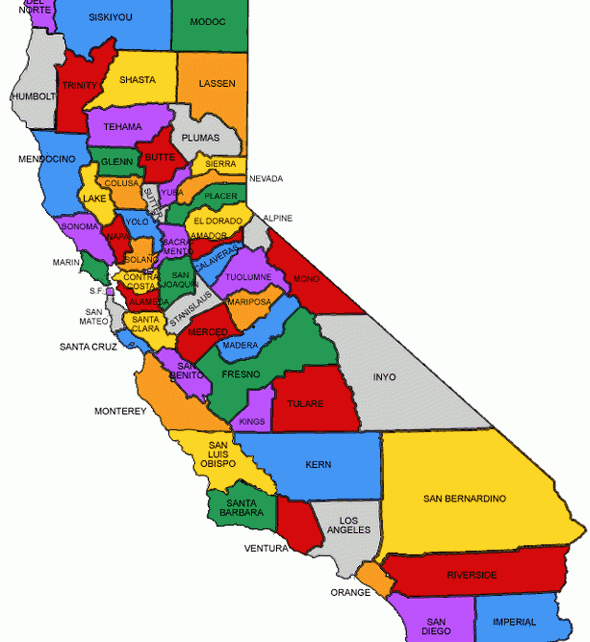
The Golden State’s Geographic Tapestry: An Overview of California’s Counties
California is the third-largest state by area in the United States and the most populous, a testament to its varied appeal. Its vastness means that geographical features, climate, demographics, and cultural nuances can change dramatically from one region to another, often demarcated by county lines.
A Land of 58 Distinct Regions
The 58 counties of California were established over time, reflecting the state’s historical development from the Gold Rush era to its modern status as a global economic and cultural powerhouse. These counties range dramatically in size and population. For instance, San Bernardino County in Southern California is the largest county by area in the entire United States (excluding Alaskan boroughs), encompassing vast expanses of the Mojave Desert and popular destinations like Big Bear Lake and Lake Arrowhead. On the other end of the spectrum, San Francisco County is both one of the smallest and most densely populated, entirely coterminous with the city of San Francisco.
This diversity means that a single trip to California could involve exploring the urban sophistication of Los Angeles County, the rugged wilderness of Inyo County (home to Mount Whitney and part of Death Valley National Park), the agricultural heartland of the Central Valley, or the ancient redwood forests of Humboldt County. Each county, with its distinct character, offers a unique lens through which to view the Golden State.

Understanding California’s Diverse Geography
California’s geography is a spectacular blend of natural wonders. The state is broadly divided by several significant natural features, many of which span multiple counties. The majestic Sierra Nevada mountain range, for instance, runs through counties like Mono County, Mariposa County (home to much of Yosemite National Park), and Tulare County (with Sequoia National Park and Kings Canyon National Park). The iconic coastline stretches for hundreds of miles, gracing counties such as San Diego County, Orange County, Ventura County, Santa Barbara County, Monterey County, and Mendocino County, each offering different beach experiences, from surfing havens to tranquil coves.
Inland, the vast Central Valley is an agricultural powerhouse, while the deserts of Southern California provide stark beauty in counties like San Bernardino County and Riverside County, which host Joshua Tree National Park and the oasis city of Palm Springs. This geographical mosaic means that travel within California often entails traversing diverse ecological zones, providing a continuous sense of discovery.
Exploring California’s Counties: A Traveler’s Guide
For travelers, the county map of California is not just a diagram but a guide to curated experiences. Each county offers a distinct set of attractions, culinary scenes, and cultural immersion opportunities.
Iconic Southern California Counties
Southern California is a magnet for tourists, with several counties standing out as world-renowned destinations.
- Los Angeles County: This sprawling county is home to the city of Los Angeles, a global center for entertainment, culture, and innovation. Here, you can walk the Walk of Fame in Hollywood, shop on Rodeo Drive in Beverly Hills, relax on the beaches of Santa Monica, or experience movie magic at Universal Studios Hollywood. Accommodation options range from luxury hotels like the Beverly Wilshire, A Four Seasons Hotel to chic boutique hotels and convenient apartments in various neighborhoods.
- Orange County: Directly south of Los Angeles County, Orange County is synonymous with family fun, primarily due to the presence of Disneyland Resort in Anaheim and Knott’s Berry Farm. Beyond theme parks, it boasts stunning coastal cities like Laguna Beach and Newport Beach, offering upscale resorts and a vibrant arts scene.
- San Diego County: At California’s southernmost tip, San Diego County captivates visitors with its idyllic climate, beautiful beaches, and family-friendly attractions. The city of San Diego offers Balboa Park, the San Diego Zoo, and the historic Gaslamp Quarter. Coastal towns like La Jolla provide luxurious stays and breathtaking ocean views.
The Allure of Central and Northern California
Venturing north, the landscape and cultural offerings shift, revealing more of California’s diverse appeal.
- San Francisco County: The iconic city of San Francisco forms its own county, a compact area bursting with famous landmarks. The Golden Gate Bridge, Alcatraz Island, cable cars, and diverse neighborhoods make it a must-visit destination. Accommodation ranges from historic hotels in Nob Hill to charming boutique stays in the Mission District.
- Napa County & Sonoma County: Together, these counties define California’s world-renowned Wine Country. Napa Valley is celebrated for its prestigious wineries, gourmet dining, and luxury resorts, while Sonoma County offers a more rustic charm with its diverse appellations and scenic rural routes. Both are perfect for a romantic getaway or a gastronomic adventure, with villas and charming inns complementing the vineyard experience.
- Monterey County: Along the stunning Central Coast, Monterey County is home to the rugged beauty of Big Sur, the picturesque town of Carmel-by-the-Sea, and the famous Monterey Bay Aquarium. It’s an ideal destination for scenic drives, marine life exploration, and luxury accommodation with ocean views.
- El Dorado County & Placer County: These counties share portions of the magnificent Lake Tahoe area, offering year-round outdoor adventures. Winter sports thrive in resorts like Squaw Valley Alpine Meadows and Heavenly Ski Resort, while summer brings hiking, boating, and stunning alpine scenery. Cabins, resorts, and vacation rentals are plentiful.
Beyond the Beaten Path: Discovering Lesser-Known Gems
While the marquee counties draw immense attention, California’s other 50+ counties offer incredible, often more intimate, travel experiences.
- San Luis Obispo County: Nestled along the Central Coast, this county boasts beautiful beaches, rolling vineyards (particularly around Paso Robles), and historic sites like Hearst Castle. The charming city of San Luis Obispo offers a vibrant downtown and the historic Mission San Luis Obispo de Tolosa.
- Shasta County: In Northern California’s Shasta Cascade region, this county is an outdoor enthusiast’s dream. Home to Shasta Lake and the iconic Mount Shasta, it offers opportunities for boating, fishing, hiking, and exploring volcanic landscapes. Rustic lodges and cabins are popular accommodation choices.
- Amador County: Part of the historic Gold Country, Amador County combines a rich past with a burgeoning wine scene, particularly known for its Zinfandel. Quaint towns like Sutter Creek and Jackson offer glimpses into the state’s pioneer days, with charming bed and breakfasts providing a cozy stay.
Tailoring Your Californian Experience: Counties and Travel Styles
The county structure profoundly influences how different travel styles are catered to across California. Whether you’re a luxury seeker, a budget backpacker, or planning a family adventure, understanding the county-specific offerings can help you craft the perfect itinerary.
Accommodation Choices Across the Golden State
The variety of accommodations available in California is directly linked to the character of its counties.
- Luxury Travel: Counties like Los Angeles County (e.g., Beverly Hills), Orange County (e.g., Newport Coast), Napa County, and Santa Barbara County (e.g., Montecito) offer world-class resorts, boutique hotels, and opulent private villas. These often come with amenities like spa services, gourmet dining, and concierge services, catering to an exclusive lifestyle.
- Budget Travel: More rural counties or those with state and national parks like Mariposa County (near Yosemite National Park), Inyo County, and Humboldt County provide abundant camping, hostel, and budget motel options. Cities like Sacramento (Sacramento County) also offer a range of affordable hotels and long-term stay apartments for those looking to explore without breaking the bank.
- Family Trips: Counties centered around major attractions, such as Orange County for theme parks, San Diego County for its zoo and beaches, and Mono County for outdoor activities around Mammoth Lakes, typically feature family-friendly resorts, vacation rentals, and hotels with amenities like pools and kids’ clubs.
- Business Stays: Major metropolitan counties like Los Angeles County, San Francisco County, Santa Clara County (Silicon Valley), and Alameda County (Oakland, Berkeley) boast extensive business hotel infrastructure, including convention centers, executive suites, and easy access to transportation.
Culinary Journeys and Local Culture
Each county in California fosters its own distinct culinary scene and cultural identity, heavily influenced by its geography and history.
- Farm-to-Table Freshness: The agricultural bounty of the Central Valley counties, like Fresno County, means fresh produce is always at the forefront. Similarly, coastal counties offer incredible seafood.
- Wine and Craft Beer: Napa and Sonoma Counties are just the beginning; burgeoning wine regions can be found in San Luis Obispo County (Paso Robles), Santa Barbara County (Santa Ynez Valley), and Riverside County (Temecula Valley). Craft breweries are prevalent in urban areas like San Diego County and Alameda County.
- Ethnic Diversity: The major metropolitan counties, particularly Los Angeles County and San Francisco County, are renowned for their incredible culinary diversity, offering authentic flavors from around the world. Festivals, art exhibits, and music scenes also vary widely by county, reflecting local traditions and demographics.
From Landmarks to Lifestyle: What Each County Offers
The array of landmarks and activities is directly tied to a county’s natural features and historical development.
- Natural Wonders: California’s national parks are spread across multiple counties. Yosemite in Mariposa County, Sequoia and Kings Canyon in Tulare County and Fresno County, Death Valley in Inyo County and San Bernardino County, Joshua Tree in San Bernardino County and Riverside County, and Redwood National Park in Del Norte County and Humboldt County. Each offers unique opportunities for hiking, photography, and exploring the outdoors.
- Historical Significance: Counties in the Gold Country region, like Tuolumne County and Calaveras County, are rich in history, with preserved mining towns and museums. Mission trails span many coastal counties, offering architectural and religious history.
- Urban Excitement: Cities like San Jose (Santa Clara County), Oakland (Alameda County), Long Beach (Los Angeles County), and Pasadena (Los Angeles County) provide a different kind of landmark: vibrant downtowns, innovative architecture, and thriving arts scenes.
Planning Your California Adventure: Leveraging County Knowledge
Armed with the knowledge of California’s 58 counties, travelers can approach trip planning with greater precision and enthusiasm. Thinking in terms of counties allows for a more focused and enriching travel experience.
Practical Tips for County-Based Exploration
- Define Your Travel Style: Before you start, consider what kind of trip you want. Is it a luxury wine tour, a family theme park adventure, a rugged hiking expedition, or a cultural deep-dive? This will immediately narrow down the most suitable counties.
- Research County-Specific Attractions: Once you have a region or a few counties in mind, dive into their specific attractions. For example, if you’re interested in redwood trees, focus on Humboldt and Mendocino Counties, perhaps extending to Del Norte County for Redwood National Park and nearby Muir Woods National Monument in Marin County.
- Consider Logistics and Drive Times: California is vast. Traveling between non-adjacent counties can involve significant drive times. Grouping contiguous counties for a road trip (e.g., Los Angeles to Orange to San Diego) makes for a more efficient and enjoyable journey.
- Local Expertise: Many counties have their own tourism boards or visitor centers. These resources can provide invaluable local tips on hidden gems, seasonal events, and trusted local accommodation options, from cozy bed and breakfasts to unique apartment rentals.
- Accommodation Bookings: Use county names as part of your search criteria when booking hotels, resorts, or long-term stays. This can help you pinpoint accommodation closer to specific attractions or within particular communities that align with your desired travel experience. For example, searching “hotels in Santa Cruz County” will yield options suited for the laid-back beach town vibe of Santa Cruz.
The Future of California Travel
As global travel evolves, the importance of understanding local nuances, as defined by county lines, will only grow. Sustainable tourism, supporting local businesses, and immersing oneself in authentic local culture are increasingly important to modern travelers. By choosing to explore California through the lens of its 58 counties, visitors contribute directly to local economies, discover unique attractions that might otherwise be overlooked, and gain a deeper appreciation for the unparalleled diversity that defines the Golden State.
In conclusion, the 58 counties of California are far more than administrative divisions; they are gateways to distinct worlds, each offering a unique chapter in the grand narrative of the state. From the glitz and glamour of Los Angeles to the serene beauty of the Redwoods, and from the historic charm of the Gold Country to the sun-drenched vineyards of Napa, these counties are the key to unlocking an endless array of unforgettable California experiences. Happy travels!
LifeOutOfTheBox is a participant in the Amazon Services LLC Associates Program, an affiliate advertising program designed to provide a means for sites to earn advertising fees by advertising and linking to Amazon.com. Amazon, the Amazon logo, AmazonSupply, and the AmazonSupply logo are trademarks of Amazon.com, Inc. or its affiliates. As an Amazon Associate we earn affiliate commissions from qualifying purchases.