
Understanding the poverty line in California is crucial for grasping the economic realities that shape lifestyle across this diverse and often expensive state. Far from a simple metric, the poverty line reflects complex financial thresholds that influence everything from housing and healthcare access to the everyday choices residents make. For individuals and families considering a move to the Golden State, or even those planning extended stays, a nuanced comprehension of these economic benchmarks is essential to navigate life, budget effectively, and achieve a desired lifestyle.
Defining the Poverty Line in California’s Unique Landscape
The concept of a “poverty line” generally refers to the minimum level of income deemed adequate in a particular country. In the United States, the federal poverty line (FPL) is set by the U.S. Department of Health and Human Services and varies based on family size and age. However, applying a national standard to a state as economically diverse and costly as California often falls short of reflecting the true financial challenges faced by its residents.
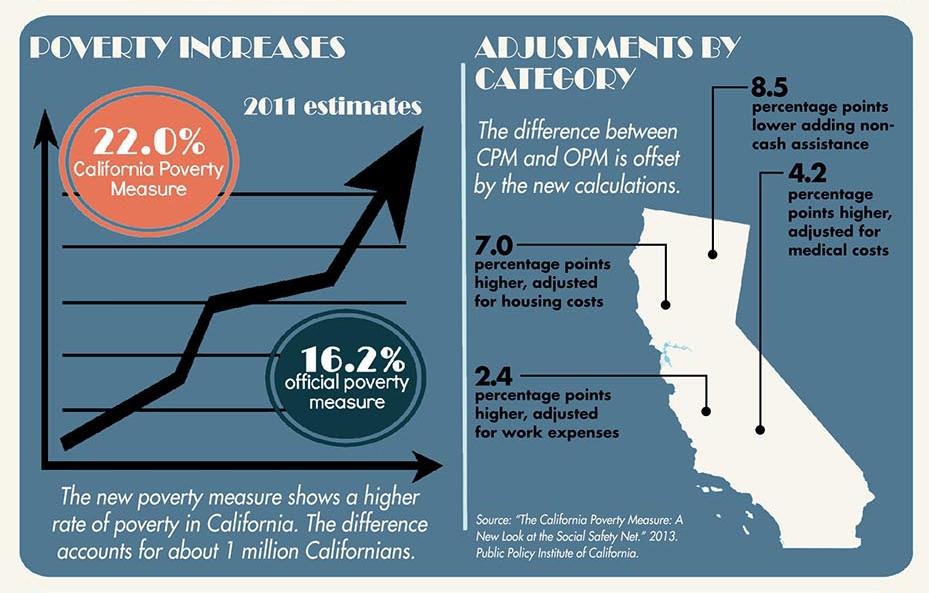
The federal poverty line, for instance, might classify a single individual earning around $14,580 per year (as of 2023) as living above the poverty threshold. For a family of four, this threshold could be approximately $30,000. While these figures provide a national baseline, they do not account for significant regional variations in the cost of living within California, particularly for housing, transportation, and childcare. As a result, many families and individuals in California who technically earn above the FPL still struggle to meet their basic needs, leading to a phenomenon often termed “near-poverty” or “working poverty.”
The Inadequacy of Federal Metrics for Californian Lifestyles
The primary critique of the federal poverty line, especially in a high-cost state like California, is its static nature and failure to adjust for local economic conditions. This single-tier approach overlooks the stark differences in expenses between, say, rural Central Valley and metropolitan areas like the Bay Area. For many, the federal poverty line merely represents a subsistence level, barely covering the most fundamental needs without allowing for any semblance of a comfortable or secure lifestyle, let alone savings or discretionary spending crucial for long-term stability and well-being. This disconnect means that simply meeting the FPL does not equate to self-sufficiency or economic comfort in California.
Beyond Federal Thresholds: The California Self-Sufficiency Standard
Recognizing the limitations of the federal poverty line, policymakers and advocacy groups in California often refer to alternative measures, such as the California Self-Sufficiency Standard. This standard calculates the income required for working families to meet their basic needs without public or private assistance, taking into account geographic variations in the cost of living. It offers a far more realistic portrayal of what it truly costs to live in California.
The Self-Sufficiency Standard considers the actual costs of housing, food, childcare, healthcare, transportation, and taxes for various family configurations and locations. The numbers generated by this standard are significantly higher than the federal poverty line. For example, a single adult in San Francisco might need to earn over $40,000 annually to be self-sufficient, while a family of four (two adults, two children) might need upwards of $100,000 or even more, depending on the specific county. These figures underscore the vast difference between merely existing above the FPL and genuinely affording a stable lifestyle in the state.
Components of the Self-Sufficiency Standard
- Housing: This is often the largest component, reflecting California’s notoriously high rental and homeownership costs.
- Childcare: For families with children, childcare expenses can consume a significant portion of income, particularly in urban centers.
- Food: While less variable than housing, food costs still contribute substantially to the overall budget.
- Transportation: Depending on access to public transit versus reliance on personal vehicles, transportation costs can vary widely.
- Healthcare: Even with insurance, out-of-pocket medical expenses can be substantial.
- Miscellaneous: Includes personal care, clothing, household supplies, and modest entertainment.
- Taxes: State and federal taxes are factored in to determine the gross income needed.
By incorporating these real-world expenses, the Self-Sufficiency Standard paints a clearer picture of the financial hurdles many Californians face and provides a more accurate benchmark for understanding economic well-being and lifestyle feasibility within the state.
Regional Disparities and the Cost of Living
One of the most striking aspects of California’s economic landscape is the dramatic disparity in the cost of living across its different regions. The “poverty line” or, more accurately, the income required for a comfortable lifestyle, can vary by tens of thousands of dollars depending on whether one resides in a bustling metropolitan hub or a more rural, inland community.
High-Cost Urban Centers
Cities like San Francisco, Los Angeles, San Jose, and San Diego are consistently ranked among the most expensive places to live in the United States. In the Bay Area, particularly within Silicon Valley, the average rent for a modest apartment can consume more than half of a household’s income, even for those earning well above the federal poverty line. In these areas, an income that might provide a comfortable lifestyle in many other states or even other parts of California could place an individual or family in significant financial precarity, struggling to make ends meet. This intense cost of living necessitates higher wages, influencing everything from local business strategies to individual career choices and overall lifestyle expectations.

More Affordable Regions
Conversely, regions like the Central Valley (e.g., Fresno, Bakersfield), parts of Northern California outside the major metropolitan corridors, and even some inland areas of Southern California (e.g., Riverside, San Bernardino) offer a relatively lower cost of living. Housing prices, while still higher than the national average, are considerably more accessible than on the coast. In these areas, the income required for self-sufficiency approaches, or in some cases even aligns more closely with, the federal poverty line, albeit still often exceeding it. This geographic variance creates vastly different lifestyle potentials within the same state, influencing migration patterns and the distribution of economic opportunity. Understanding these regional nuances is vital for anyone assessing their economic prospects and lifestyle choices in California.
Impact on Lifestyle Choices and Economic Mobility
The high cost of living, reflected in the various poverty and self-sufficiency standards, profoundly shapes lifestyle choices and economic mobility for Californians. For those with incomes near or below the self-sufficiency standard, everyday decisions become strategic necessities rather than preferences.
Housing and Residential Lifestyle
The most significant impact is on housing. Many individuals and families are forced to allocate an inordinate portion of their income to rent or mortgage payments, often leading to longer commutes as they seek more affordable housing further from job centers. This can translate into less time for family, leisure, and personal well-being, directly affecting quality of life. The dream of homeownership, a cornerstone of the American lifestyle for generations, remains out of reach for a substantial portion of the population, even those in professional careers, particularly in major urban markets like Orange County and Sacramento.
Food, Health, and Leisure
Economic pressures also influence dietary choices, with lower-income households often having limited access to fresh, healthy, and affordable food options, impacting long-term health. Healthcare access, even with state-subsidized programs, can still present financial barriers through co-pays and deductibles. Discretionary spending, which includes activities like dining out, entertainment, and travel—elements often associated with a vibrant lifestyle—is severely curtailed or non-existent for those struggling to meet basic needs. This financial strain can lead to increased stress, limited opportunities for personal development, and a constrained social life.
Economic Mobility and Future Prospects
The high cost of living in California also affects economic mobility. While the state offers abundant opportunities for high-paying jobs in tech, entertainment, and other industries, the entry barriers due to high living costs can be daunting. Accumulating savings, investing in education, or starting a business becomes more challenging when most of one’s income is consumed by basic expenses. This creates a challenging environment for upward mobility, particularly for younger generations and those from disadvantaged backgrounds, highlighting a significant aspect of the California lifestyle that often goes unseen amidst its glamorous image.
Navigating California on a Budget: Resources and Realities
For residents and visitors alike, understanding the true cost of living and the varying poverty thresholds in California is essential for effective financial planning. While the state presents significant economic hurdles, there are resources and strategies to navigate its landscape more efficiently.
State and Local Assistance Programs
California offers numerous state and local programs designed to assist low-income individuals and families. These include housing assistance, food aid (CalFresh), healthcare subsidies (Medi-Cal), and childcare support. Accessing these programs requires understanding eligibility criteria, which are often tied to income levels relative to the federal poverty line or specific state-defined thresholds. While not a permanent solution for achieving self-sufficiency, these programs are vital for stabilizing the lives of many Californians and providing a safety net.

Strategic Living and Budgeting
For those aspiring to live or spend extended time in California, strategic planning is paramount. This may involve:
- Geographic Relocation: Considering more affordable inland or northern regions rather than coastal metropolises.
- Communal Living: Exploring shared housing arrangements to reduce the burden of rent.
- Public Transportation: Utilizing California’s growing public transit networks, especially in urban areas, to mitigate high transportation costs.
- Budget-Conscious Lifestyles: Embracing a lifestyle that prioritizes free or low-cost activities, cooking at home, and seeking out affordable entertainment options.
- Income Diversification: For residents, exploring additional income streams or leveraging skills in the gig economy can help bridge the gap between income and the cost of living.
Ultimately, the poverty line in California is a dynamic and multifaceted concept, extending far beyond the basic federal definition. It serves as a stark reminder of the financial realities that shape the lives and lifestyles of millions within this iconic state. A comprehensive understanding of these economic benchmarks is key to appreciating the true cost of the Californian dream and planning for a sustainable and fulfilling existence within its diverse boundaries.
LifeOutOfTheBox is a participant in the Amazon Services LLC Associates Program, an affiliate advertising program designed to provide a means for sites to earn advertising fees by advertising and linking to Amazon.com. Amazon, the Amazon logo, AmazonSupply, and the AmazonSupply logo are trademarks of Amazon.com, Inc. or its affiliates. As an Amazon Associate we earn affiliate commissions from qualifying purchases.