
Florida, often celebrated as the Sunshine State and a premier global destination for travel, tourism, and vibrant lifestyle, presents a fascinating paradox. While its pristine beaches, world-class theme parks, and luxurious resorts paint a picture of idyllic affluence, the reality for many residents is far more complex. Understanding “What is the poverty line in Florida?” isn’t just a matter of quoting federal statistics; it’s about delving into the unique economic landscape shaped by a booming tourism industry, a rapidly growing population, and a cost of living that often outpaces wages. This exploration goes beyond mere numbers, touching upon how economic realities influence access to accommodation, opportunities for experiences, and the daily lives of those who call this popular destination home.
For visitors planning their next Florida vacation, the state’s economic undercurrents might seem distant. Yet, the cost of labor, housing availability for hospitality workers, and the overall economic health of local communities directly impact the quality and sustainability of the tourism sector. From the bustling streets of Miami to the enchanting magic of Orlando and the serene beauty of the Florida Keys, the disparity between the state’s outward allure and the financial struggles faced by many residents is a critical aspect of its identity. This article will dissect the various facets of the poverty line in Florida, examining its definition, its practical implications for residents, and its intricate relationship with the state’s dominant industries, offering a comprehensive look at the economic reality behind the postcards.
Understanding the Poverty Line in the Sunshine State
Defining the poverty line in Florida requires a nuanced approach, extending beyond the simple federal guidelines. While the federal poverty level (FPL) provides a baseline, it often fails to capture the true cost of living in a state known for its desirability and rapid growth. This disconnect is particularly stark in Florida, where regional variations in housing, transportation, and daily expenses can dramatically alter what constitutes a “livable income.”
Federal Guidelines vs. Florida’s Reality
The Department of Health and Human Services (HHS) issues poverty guidelines annually, which vary based on family size. For instance, in 2024, the FPL for a single individual might be around $15,060, while for a family of four, it could be $31,200. These figures are uniform across the continental United States, with only minor adjustments for Alaska and Hawaii. The problem for Floridians, especially those in high-cost metropolitan areas, is that these federal benchmarks often fall significantly short of what’s truly needed to cover basic necessities.
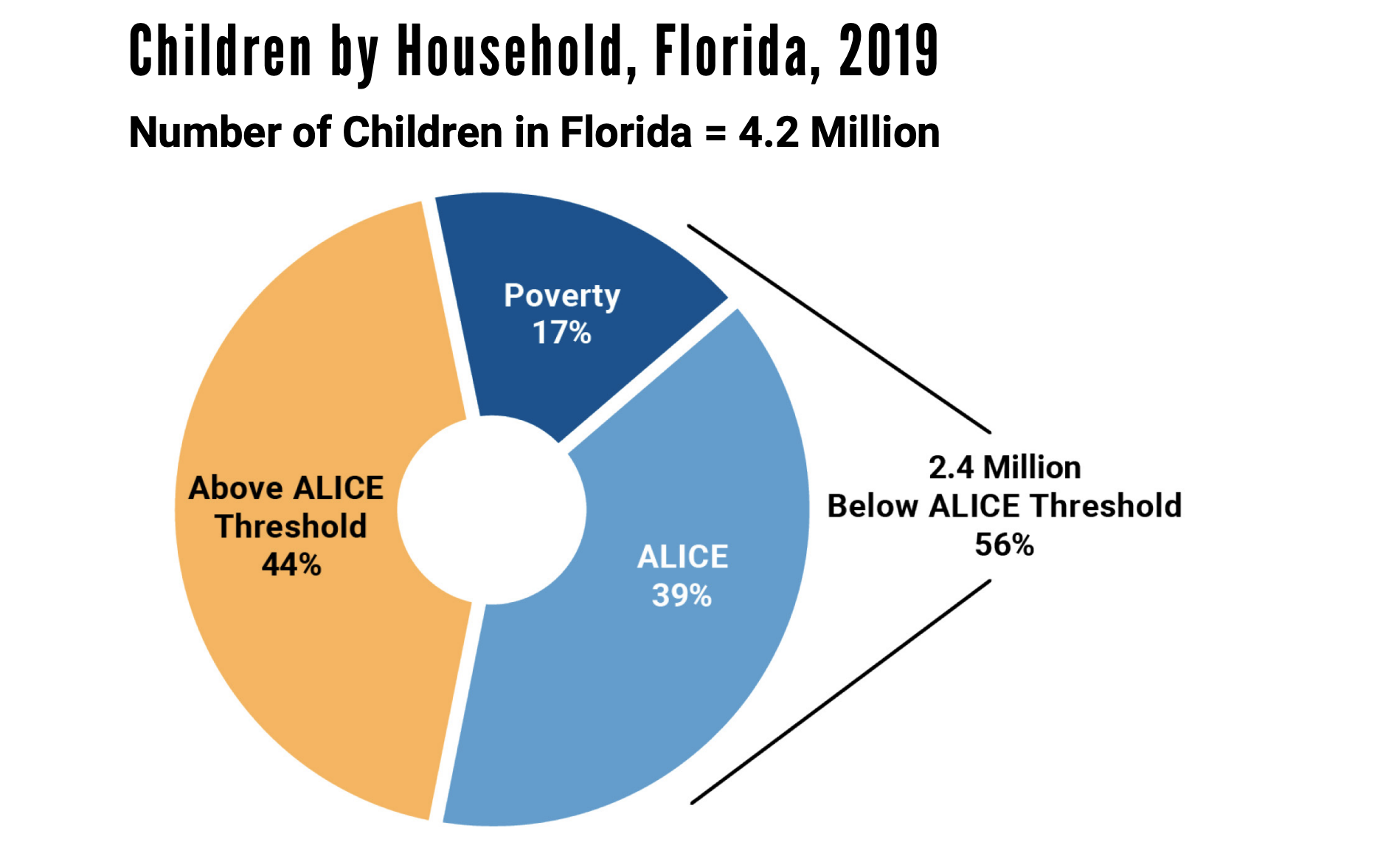
Consider a family residing in South Florida, where rent for a modest two-bedroom apartment can easily exceed $2,000 per month. If this family of four earns the federal poverty line income of $31,200 annually, they would be spending over 75% of their gross income solely on rent, leaving very little for food, utilities, childcare, healthcare, and transportation. This scenario highlights the concept of a “living wage” – an income level that allows individuals and families to afford basic necessities and maintain a minimum standard of living, which is often considerably higher than the FPL in many parts of Florida. Organizations like MIT’s Living Wage Calculator consistently show that the living wage in Florida cities like Tampa, Fort Lauderdale, or Sarasota is two to three times the federal poverty line. This disparity means that many individuals and families who are technically above the federal poverty line are, in practical terms, still struggling to make ends meet, experiencing what is often termed “hidden poverty.”
Key Factors Driving Cost of Living
Several factors contribute to Florida’s elevated cost of living, making it challenging for residents to stay above the poverty line, even when earning what might seem like a decent wage elsewhere. Housing costs are arguably the most significant driver. The state’s appeal as a tourist destination and a relocation hub has fueled a competitive housing market. Areas like Palm Beach, Naples, and the aforementioned major cities have seen property values and rental rates skyrocket. The influx of remote workers, retirees, and investors seeking vacation homes or short-term rental opportunities through platforms like Airbnb and Vrbo further exacerbates the housing shortage for permanent residents. This intense demand makes affordable apartments or villas increasingly scarce, forcing many to live further from their workplaces, incurring higher transportation costs.
Beyond housing, transportation expenses are substantial in a state where public transit is less comprehensive than in older, denser urban centers. Most Floridians rely on personal vehicles, meaning costs for gas, insurance, maintenance, and car payments add up. Childcare is another major burden; quality childcare centers in Florida can charge thousands of dollars per month, an impossible sum for families earning near the poverty line. Healthcare costs, even with insurance, often present significant out-of-pocket expenses, especially for those with chronic conditions. Lastly, while Florida boasts no state income tax, sales taxes and rising property insurance rates (due to hurricane risks) contribute to the overall financial strain. These cumulative expenses create a formidable barrier for many Floridians striving for financial stability, pushing countless households to the brink, or well into, economic hardship despite working full-time.
The Interplay of Tourism, Wages, and Affordability
Florida’s economy is inextricably linked to tourism. This vibrant industry, which draws millions of visitors annually, provides a significant number of jobs and contributes billions to the state’s coffers. However, beneath the surface of this economic engine lies a complex challenge: how the predominantly low-wage nature of many tourism-related jobs impacts the affordability crisis and the prevalence of working poverty among Floridians.
The Backbone of Florida’s Economy
Tourism is not just a part of Florida’s economy; it is, in many respects, its heart and soul. The state is home to iconic landmarks and attractions like Walt Disney World Resort, Universal Orlando Resort, and Busch Gardens Tampa Bay, which alone employ tens of thousands. Beyond these major players, thousands of smaller businesses—restaurants, retail shops, tour operators, and hotels across the state—rely on visitor spending. This industry generates a vast number of service-sector jobs: housekeepers, waitstaff, ride operators, retail clerks, front-desk agents, and many more.
While these roles are crucial for the seamless operation of Florida’s hospitality sector, a significant portion of them are classified as low-wage positions. Many employees work full-time hours, yet their earnings often hover just above, or even below, the federal poverty line, especially for single individuals or small families. For example, a housekeeper at a luxury hotel or a food service worker at a major theme park might earn minimum wage or slightly more. When factoring in the high cost of living in tourist-centric cities like Orlando, Key West, or Miami Beach, these wages become grossly insufficient. This creates a challenging situation where the very people who power the state’s most lucrative industry struggle to afford basic living expenses, often having to work multiple jobs or rely on public assistance. The economic prosperity brought by tourism, while vital, does not always trickle down effectively to the frontline workers who make it possible.
Finding Affordable Accommodation in a Tourist Hub
The struggle for affordable accommodation for Florida’s service workers is a critical manifestation of the state’s economic disparities. In popular tourist destinations, the demand for housing is driven by both permanent residents and an ever-increasing flow of visitors seeking short-term rentals. This dual demand inflates housing prices to levels that are simply unattainable for many hospitality employees.
Consider the example of a server working in a popular St. Petersburg restaurant or a concierge at a Boca Raton resort. These individuals are essential to the visitor experience, yet they often find themselves commuting long distances from more affordable outlying communities because they cannot afford to live near their workplaces. This adds significant time and cost to their daily lives. The proliferation of short-term rentals further exacerbates the issue by converting residential properties into tourist lodging, reducing the supply of long-term rental units and driving up the remaining prices. Landlords, eyeing higher profits from nightly or weekly rentals, often opt out of the long-term market.
This phenomenon creates “invisible poverty” – a situation where workers appear to be employed in thriving, affluent areas, contributing to a booming economy, but are themselves living paycheck to paycheck, often in precarious housing situations. The dream of homeownership or even stable long-term renting becomes a distant fantasy for many, leading to high turnover rates in the hospitality industry, as workers seek more financially sustainable living arrangements. The consequence is a workforce under immense stress, impacting service quality and the overall visitor experience, and underscoring the urgent need for comprehensive solutions to Florida’s affordable housing crisis.
Navigating Florida’s Attractions on a Budget
Florida is synonymous with world-class attractions, from its pristine beaches to its iconic theme parks. For many residents, however, especially those near or below the poverty line, access to these celebrated destinations can be a significant challenge. The cost of admission, travel, and ancillary expenses can render many of Florida’s treasures out of reach, highlighting the stark contrast between the state’s tourist-centric image and the daily financial realities for a substantial portion of its population.
Budget-Friendly Travel for Florida Residents
Despite the high cost associated with many of Florida’s premier attractions, there are still numerous ways for residents on a tight budget to enjoy the state’s natural beauty and cultural offerings. Smart planning and an emphasis on free or low-cost activities are key to creating memorable family trips without breaking the bank.
Florida’s State Parks offer an incredible value. For a modest entrance fee per vehicle, families can access stunning natural environments, from hiking trails and pristine springs to coastal preserves. Everglades National Park, a UNESCO World Heritage Site, offers relatively inexpensive entrance and allows visitors to experience unique ecosystems. Other gems like John Pennekamp Coral Reef State Park in Key Largo provide access to spectacular marine life without the steep prices of commercial excursions. Similarly, many of Florida’s award-winning beaches—such as Clearwater Beach, Siesta Key, and South Beach—are free to access, offering endless opportunities for relaxation, swimming, and nature observation. Parking might be a cost, but often public access points provide free or affordable options.
Local culture and community events also offer rich experiences at minimal cost. Many Florida cities host free festivals, farmers’ markets, outdoor concerts, and art walks throughout the year. Public libraries often provide free passes to local museums or cultural institutions. Exploring historic districts, like St. Augustine’s charming streets or the art deco architecture of Miami Beach, can be an enriching experience that costs nothing more than transportation. For those interested in nature and wildlife, many nature preserves and walking trails are freely accessible. By focusing on these accessible options, Floridians on a budget can still partake in the beauty and excitement that makes their home state so appealing to millions of tourists.
The Impact on Family Lifestyle and Experiences
The financial constraints imposed by living near the poverty line profoundly impact the lifestyle and experiences available to families in Florida. While tourists flock to Walt Disney World or Universal Studios for unforgettable memories, for many local families, such outings remain an unattainable dream. The cost of theme park tickets, parking, food, and souvenirs for a family of four can easily exceed several hundred dollars for a single day, an amount that represents a significant portion of a low-income family’s monthly budget.
This disparity creates a sense of exclusion and can lead to emotional strain. Children in Florida often grow up surrounded by images and stories of magical kingdoms and thrilling rides, yet many never get to experience them firsthand. This can affect their sense of belonging and opportunities for shared family experiences that are often taken for granted by more affluent residents and visitors. The aspiration of “luxury travel” or even standard “mid-range travel” is simply not within the realm of possibility for these families; their reality is focused purely on “budget travel,” often by necessity limited to free public parks or local community events.
Furthermore, beyond the major attractions, financial limitations restrict access to other enriching experiences. Educational trips to museums, participation in after-school sports, or even a simple meal out at a local restaurant become luxuries. The daily grind of making ends meet often leaves little room for leisure, personal development, or even small indulgences that contribute to a higher quality of life. This erosion of discretionary spending directly impacts a family’s ability to create lasting memories and participate fully in the cultural and recreational fabric of their own state. Addressing the poverty line in Florida is therefore not just about economic statistics, but about restoring access to a vibrant lifestyle for all its residents, fostering social equity alongside economic prosperity.
Initiatives and Future Outlook
Addressing the complexities of the poverty line in Florida requires a multi-faceted approach, one that acknowledges the state’s unique economic drivers and societal challenges. As Florida continues to grow and attract visitors from around the globe, ensuring a sustainable and equitable future for all its residents is paramount. This involves strategic initiatives aimed at bridging the affordability gap and fostering a balanced economy that benefits both the tourism sector and the local workforce.
Addressing the Affordability Gap
The most pressing challenge in combating poverty in Florida is the significant affordability gap, particularly in housing. Various initiatives are being explored and implemented to tackle this issue. Local governments in high-cost areas like Miami-Dade County and Orange County are increasingly focusing on affordable housing projects, utilizing public land, and offering incentives to developers who include affordable units in their plans. Policies that protect existing affordable housing stock and regulate the conversion of long-term rentals to short-term holiday rentals are also gaining traction in some municipalities. Furthermore, community land trusts and housing vouchers programs provide essential support, helping low-income families secure stable housing.
Beyond housing, the conversation around a living wage is critical. While Florida’s statewide minimum wage has gradually increased and is set to reach $15 per hour by 2026, many argue that this is still insufficient in certain urban areas. Advocacy groups continue to push for wages that truly reflect the cost of living. Several businesses, recognizing the importance of retaining a skilled workforce, have voluntarily implemented higher starting wages and improved benefits packages, contributing to a more stable local economy. Non-profit organizations across the state play a vital role, providing services like food assistance, job training, and financial literacy programs to help individuals and families achieve greater economic independence. The goal is not just to lift people above the poverty line but to empower them to thrive within Florida’s dynamic economic environment.
A Balanced Approach to Florida’s Future
The long-term prosperity of Florida hinges on achieving a delicate balance between its booming tourism industry and the well-being of its local population. A sustainable future for the Sunshine State means fostering an environment where hospitality workers can afford to live comfortably in the communities they serve, and where economic growth benefits everyone, not just a select few.
This balanced approach involves several key components. Firstly, there’s a need for continued investment in diversifying Florida’s economy beyond tourism. While tourism is crucial, developing sectors like technology, healthcare, and advanced manufacturing can create higher-paying jobs that offer more stability and better career progression, reducing reliance on low-wage service sector employment. Secondly, promoting sustainable tourism practices is essential. This includes supporting businesses that prioritize fair wages, offer benefits, and invest in local communities. It also means managing visitor numbers to prevent over-tourism from further straining local resources and housing markets.
Furthermore, ongoing collaboration between state and local governments, the private sector, and non-profit organizations is vital. This collaboration can lead to innovative solutions for affordable housing, improved public transportation, accessible childcare, and expanded educational opportunities, all of which directly impact a family’s ability to overcome poverty. By ensuring that every Floridian has access to a living wage, affordable housing, and opportunities for upward mobility, the state can strengthen its social fabric and enhance its appeal as a destination that genuinely offers quality of life for both its residents and its millions of visitors. The future of Florida, vibrant and prosperous, depends on this commitment to equity and sustainability.
LifeOutOfTheBox is a participant in the Amazon Services LLC Associates Program, an affiliate advertising program designed to provide a means for sites to earn advertising fees by advertising and linking to Amazon.com. Amazon, the Amazon logo, AmazonSupply, and the AmazonSupply logo are trademarks of Amazon.com, Inc. or its affiliates. As an Amazon Associate we earn affiliate commissions from qualifying purchases.