
Navigating the vibrant streets of Chicago, whether as a long-term resident or a new arrival, involves understanding a unique urban requirement: the Chicago City Sticker. Far more than just a decal for your windshield, this sticker represents a commitment to the city’s infrastructure and services, playing a crucial role in maintaining the high quality of life and the smooth operation of municipal functions. For anyone who owns or regularly uses a vehicle garaged within the city limits, securing this sticker is not merely a recommendation but a mandatory aspect of responsible urban travel and lifestyle.
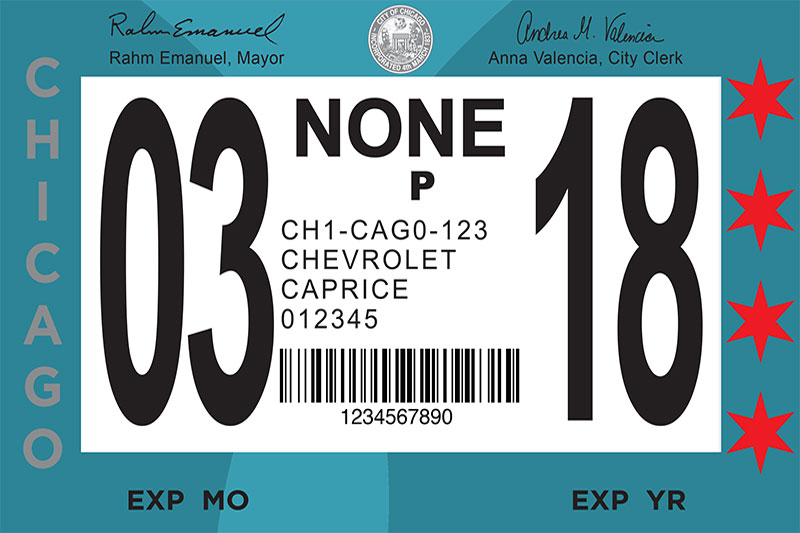
This comprehensive guide aims to demystify the process of purchasing a Chicago City Sticker, offering detailed insights into where and how to acquire it, what documents you’ll need, and how it integrates into the broader context of living and experiencing Chicago. From the convenience of online portals to the accessibility of in-person locations, we’ll explore all avenues, ensuring you remain compliant and contribute to the city’s continued vibrancy. Whether you’re planning an extended stay, looking for accommodation with parking, or simply need to renew your existing sticker, understanding these steps is vital for a hassle-free experience in the Windy City.
Understanding the Chicago City Sticker Requirement
The Chicago City Sticker is a municipal vehicle tax that applies to all motor vehicles owned by Chicago residents or vehicles that are primarily garaged within the City of Chicago. This tax is an essential component of the city’s revenue generation, directly contributing to vital public services that enhance the urban experience for both residents and millions of annual tourists.
Who Needs a Chicago City Sticker?
The requirement for a Chicago City Sticker extends broadly to most vehicles within city limits. If you are a Chicago resident and own a vehicle, or if your vehicle is primarily garaged in Chicago for more than 30 days within a 365-day period, you are legally obligated to purchase and display a valid city sticker. This includes passenger cars, vans, SUVs, and even certain types of trucks and motorcycles. The definition of “resident” in this context is typically tied to where your vehicle is registered and where you reside.
For businesses operating within Chicago, any company-owned vehicle primarily garaged in the city also falls under this mandate. This ensures that all vehicles utilizing the city’s infrastructure contribute to its upkeep.
There are, however, specific exemptions. Temporary visitors, for instance, who are merely driving through or staying for a short period in Chicago – perhaps on a travel itinerary or for a weekend getaway exploring Chicago’s landmarks – are generally not required to purchase a city sticker, provided their vehicle is registered elsewhere and not primarily garaged in the city. Similarly, certain government vehicles, vehicles owned by non-profit organizations, and some classes of commercial vehicles might have different regulations or exemptions. Understanding these nuances is crucial for both residents managing their daily lifestyle and tourism operators advising visitors.
What the Sticker Funds
The revenue generated from the sale of Chicago City Stickers is critical for the City of Chicago’s operational budget. These funds are allocated to a range of essential public services that directly impact the urban environment and the quality of life for its inhabitants. Key areas include:
- Road Maintenance and Infrastructure: A significant portion goes towards repairing potholes, resurfacing streets, and maintaining bridges and expressways. Given the harsh Illinois winters and heavy traffic, continuous investment in road infrastructure is paramount for smooth travel and mobility within the city.
- Public Safety: Funds support the Chicago Police Department, fire department, and emergency services, ensuring the safety and security of residents and visitors alike.
- Sanitation and Environmental Programs: The sticker helps fund waste management, street sweeping, and various environmental initiatives, contributing to Chicago’s cleanliness and green efforts.
- Traffic Management: Investments in traffic light synchronization, signage, and other measures to improve traffic flow and reduce congestion, enhancing the overall urban travel experience.
By purchasing a city sticker, residents directly contribute to the upkeep and improvement of the city they call home, supporting the infrastructure that facilitates their daily commutes, recreational outings, and access to landmarks and attractions.
Annual Renewal and Deadlines
The Chicago City Sticker operates on an annual renewal cycle, with specific deadlines tied to the expiration of your vehicle’s Illinois license plate registration. This staggered system helps distribute the workload throughout the year. Typically, your city sticker will expire on the same date as your vehicle’s registration, which is usually indicated on your license plate sticker.
It is absolutely crucial to be aware of your renewal date. The City of Chicago provides a 30-day grace period from your sticker’s expiration date. This means you have a month after your sticker expires to purchase a new one without incurring late fees or penalties. However, once this grace period passes, you become subject to fines for non-compliance. Timely renewal is an important aspect of managing your lifestyle in Chicago and avoiding unnecessary expenses. Many residents opt to renew both their license plate and city sticker simultaneously to streamline the process. Notifications are often sent via mail or email, but it’s ultimately the vehicle owner’s responsibility to track their expiration date.
Official Channels for Purchasing Your Chicago City Sticker
Acquiring a Chicago City Sticker has been made increasingly convenient over the years, offering both online and in-person options to suit various preferences and schedules. The City Clerk’s Office is the primary authority for these transactions, overseeing all distribution channels.
Online Purchase: Convenience at Your Fingertips
For many, the most straightforward and time-efficient method to purchase or renew a Chicago City Sticker is online. The official website of the City Clerk’s Office serves as the primary portal for this service. This option is particularly advantageous for busy professionals, families, or individuals who prefer managing their administrative tasks from the comfort of their home or accommodation.
To complete an online purchase, you will typically need:
- Your vehicle’s license plate number and VIN (Vehicle Identification Number).
- Proof of Chicago residency, which can often be verified electronically through existing databases or by uploading scanned documents.
- A valid credit or debit card for payment.
The benefits of purchasing online are numerous:
- 24/7 Access: The portal is available around the clock, allowing you to complete the transaction at your convenience, regardless of business hours.
- Avoid Queues: Skip the lines and wait times often associated with in-person locations.
- Direct Delivery: Your new sticker will be mailed directly to your registered address. While this adds a few days for delivery, it eliminates the need for an immediate in-person pick-up.
- User-Friendly Interface: The City Clerk’s Office website is designed to guide users through the process step-by-step, making it accessible even for those less familiar with online transactions.
This method is ideal for those seeking a seamless experience, especially new residents who are still settling into their Chicago accommodation or existing residents planning ahead for their renewal.
In-Person Options: Traditional and Accessible
For those who prefer face-to-face interaction, immediate gratification, or assistance with their purchase, several in-person options are available throughout Chicago. These traditional channels offer a tangible experience and can be particularly helpful if you have specific questions or need to resolve an issue.
- City Clerk’s Office Locations: The main City Clerk’s Office and various satellite offices are equipped to process sticker purchases and renewals. These locations offer direct service from city personnel who can assist with any complexities.
- Authorized Currency Exchanges: A vast network of authorized Currency Exchanges across Chicago also sells city stickers. These are convenient for many residents as they are often located within neighborhoods, making them easily accessible for quick transactions. They typically charge a small service fee in addition to the sticker cost.
- Authorized Grocery Stores: Certain major grocery store chains, such as Jewel-Osco, have partnered with the City Clerk’s Office to offer city sticker sales. This allows residents to combine their grocery shopping with their sticker purchase, integrating it into their daily lifestyle routine.
When purchasing in person, you’ll need to bring the same required documents as for online purchases: vehicle registration, proof of residency (e.g., a utility bill, lease agreement for your accommodation), and your driver’s license. The primary advantages of in-person purchases include receiving your sticker immediately and having access to direct assistance. The main drawbacks can be potential wait times, especially during peak renewal periods, and adherence to specific business hours.
Essential Information for a Smooth Purchase
Regardless of the channel you choose, being prepared with the correct documentation and understanding the payment structure will significantly streamline your Chicago City Sticker purchase.
Documents and Information Required

To ensure a quick and hassle-free transaction, gather the following essential documents and information:
- Vehicle Information:
- License Plate Number: The current number displayed on your Illinois license plates.
- Vehicle Identification Number (VIN): A unique 17-character code found on your dashboard (visible through the windshield) or on your vehicle’s registration card.
- Vehicle Make, Model, and Year: Basic descriptive information about your car.
- Proof of Residency:
- Current Illinois Vehicle Registration: This is often the primary document used to confirm your vehicle is registered in Illinois.
- Proof of Chicago Address: For new residents or when the registration address doesn’t clearly show a Chicago address, you may need to provide a recent utility bill (gas, electric, water), a current lease agreement for your accommodation, a property tax bill, or a bank statement showing your Chicago address. This confirms your eligibility as a Chicago resident.
- Personal Identification:
- Driver’s License: Your valid driver’s license is often requested for verification.
Having all these details readily available, especially for online purchases, will prevent delays and ensure the accuracy of the information linked to your city sticker.
Pricing and Payment Options
The cost of a Chicago City Sticker varies depending on the type of vehicle. For standard passenger vehicles, the annual fee is usually around $87. However, larger vehicles like SUVs, pickup trucks, and commercial vans may incur higher fees. Motorcycles also have a different, generally lower, rate. It’s always best to check the official City Clerk’s Office website for the most current pricing structure.
The City of Chicago also offers discounts for certain groups:
- Seniors: Residents aged 65 and older may be eligible for a discounted rate on one passenger vehicle.
- Persons with Disabilities: Individuals with a valid State of Illinois Persons with Disabilities License Plate or Parking Card may also qualify for a discounted sticker.
Payment methods are flexible:
- Online: Typically, major credit cards (Visa, Mastercard, American Express, Discover) and debit cards are accepted.
- In-Person: Cash, credit/debit cards, and sometimes money orders are accepted at City Clerk’s Office locations and authorized Currency Exchanges. Jewel-Osco and other retail partners will also accept various payment methods.
Be aware that authorized third-party vendors like Currency Exchanges might charge a small additional service fee on top of the sticker cost. Budgeting for this annual expense is a key part of managing your lifestyle and travel costs in Chicago.
Installation and Display
Once you receive your Chicago City Sticker, proper installation and display are crucial to avoid fines. The sticker must be affixed to the lower right-hand corner of your vehicle’s front windshield, specifically on the passenger side. It should be fully visible from the outside and free from any obstructions.
The sticker is designed to be tamper-proof, meaning it will tear or become unusable if removed once applied. This feature prevents unauthorized transfers between vehicles. Instructions for proper application are usually provided with the sticker. Improper display – such as placing it on the wrong side, obstructing its view, or failing to affix it permanently – can lead to citations, just as if you didn’t have a sticker at all. Ensuring your sticker is correctly placed is a simple step that helps avoid unnecessary hassle with the Chicago Police Department or parking enforcement officers.
Avoiding Penalties and Ensuring Compliance
Ignoring the Chicago City Sticker requirement can lead to significant financial penalties and administrative headaches. Understanding the consequences of non-compliance and being aware of special situations will help you navigate urban driving in Chicago smoothly.
The Cost of Non-Compliance
The City of Chicago is vigilant about enforcing its city sticker ordinance. Failure to display a valid and current sticker can result in substantial fines.
- Expired or Missing Stickers: The typical fine for an expired or missing city sticker can range from $60 to $200 or more, depending on the elapsed time since expiration and any additional late penalties.
- Parking Tickets: If your vehicle is parked on a Chicago street without a valid sticker, you are also at risk of receiving a parking ticket for this violation.
- Towing Possibilities: In more egregious or repeated cases, or if combined with other violations, your vehicle could be towed, adding significant towing and impoundment fees on top of the sticker fine.
- Booting: Vehicles with multiple unpaid parking or sticker violations may be subject to booting, immobilizing your car until all outstanding fines are paid.
These penalties can quickly accumulate, making the initial cost of the sticker seem negligible in comparison. Timely renewal and proper display are not just about compliance; they are critical for managing your personal finances and maintaining a stress-free urban lifestyle.
Special Situations and Exemptions
While the general rule is clear, certain scenarios require specific attention:
- New Residents: If you have recently moved to Chicago, you are granted a 30-day grace period from the date you establish residency to purchase your city sticker. This allows time to settle into your new accommodation and complete the necessary administrative tasks. You will need to provide proof of the date you established residency.
- Purchasing a New Car: When you buy a new or used vehicle, you generally have a 30-day grace period from the date of purchase to acquire a new city sticker. If you already have a valid sticker from a previous vehicle, you might be able to transfer it to your new vehicle for a small fee, provided the old sticker is intact and transferable. Contact the City Clerk’s Office for transfer rules.
- Vehicles Owned by Non-Residents but Driven Frequently in Chicago: If you are a non-resident who regularly parks or garages your vehicle in Chicago for more than 30 days within a 365-day period (e.g., if you commute daily for work and park in a Chicago lot), you may still be required to purchase a city sticker. This is often determined by where the vehicle is primarily garaged rather than just the owner’s official residence. Clarification from the City Clerk’s Office is recommended in such cases.
- Military Personnel: Specific exemptions or special provisions may apply to active military personnel. It’s advisable for service members to inquire directly with the City Clerk’s Office regarding their status.
Always err on the side of caution and verify your specific situation with the City Clerk’s Office to avoid any misunderstandings or penalties.
Navigating Chicago: Broader Travel and Lifestyle Considerations
The Chicago City Sticker is a particular concern for residents, but understanding its implications also has a broader context for travel and tourism in the city.
For Visitors and Tourists
If you’re visiting Chicago for a short trip, perhaps flying into O’Hare International Airport or Midway International Airport and renting a car, or driving in from another state for a vacation, you generally do not need a Chicago City Sticker. The requirement primarily applies to vehicles registered or garaged in Chicago for an extended period. Your out-of-state registration is sufficient for temporary visits.
However, visitors should be aware of other driving-related challenges in Chicago:
- Parking Challenges: Parking in Chicago, especially downtown and near popular landmarks like Millennium Park, Navy Pier, or the Art Institute of Chicago, can be expensive and difficult to find. Many streets have metered parking, permit-only zones, or strict restrictions. Always read parking signs carefully.
- Public Transportation: For many tourists, the CTA (Chicago Transit Authority) ‘L’ train and bus system offers a convenient and often more efficient way to explore the city. Consider purchasing a multi-day pass to access various attractions without the hassle of driving and parking. Metra commuter rail also provides access from the suburbs.
- Ride-Sharing: Services like Uber and Lyft are widely available and can be an excellent option for navigating the city, especially when going out for food or nightlife.
Choosing to rely on public transit or ride-sharing services can significantly enhance a visitor’s experience, allowing them to focus on enjoying Chicago’s culture, food scene, and landmarks without the added stress of driving regulations.

Choosing Your Accommodation Wisely
For both long-term residents and visitors, the choice of accommodation can be influenced by vehicle ownership and the city sticker requirement.
- Hotels and Parking: When booking a hotel in Chicago, especially luxury resorts or boutique hotels in the downtown area, inquire about parking availability and costs. Many hotels offer valet parking, but it can be quite expensive. Some may have self-parking options, while others might direct you to nearby public garages. If driving is essential for your travel plans, factor parking expenses into your budget.
- Long-Term Accommodation for New Residents: For those moving to Chicago and seeking long-term accommodation – be it an apartment, condo, or house – understanding parking options is crucial. Some residential buildings offer dedicated parking, while others rely on street parking, which may require a residential parking permit in addition to the city sticker. The address of your new accommodation will be key in determining your city sticker and potentially residential parking permit eligibility.
- Budgeting for City Living: When planning your lifestyle in Chicago, remember to budget not only for the annual city sticker but also for potential parking costs, tolls (like those on the Chicago Skyway or Illinois Tollway), and occasional fines if not fully compliant. These expenses are part of the reality of driving in a major metropolitan area.
In conclusion, the Chicago City Sticker is a fundamental aspect of vehicle ownership within the City of Chicago. While it represents a mandatory municipal tax, it also symbolizes a direct contribution to the city’s upkeep, infrastructure, and the myriad services that make Chicago a world-class destination for travel and a vibrant place to live. By understanding where and how to purchase your sticker, adhering to deadlines, and being aware of the broader travel and lifestyle considerations, you ensure a smooth, compliant, and enjoyable experience in this magnificent city. Always refer to the official City Clerk’s Office website for the most current information and specific details pertaining to your situation.
LifeOutOfTheBox is a participant in the Amazon Services LLC Associates Program, an affiliate advertising program designed to provide a means for sites to earn advertising fees by advertising and linking to Amazon.com. Amazon, the Amazon logo, AmazonSupply, and the AmazonSupply logo are trademarks of Amazon.com, Inc. or its affiliates. As an Amazon Associate we earn affiliate commissions from qualifying purchases.