
For any traveler planning a trip to Las Vegas, the “resort fee” is an unavoidable reality. Often perceived as a hidden cost that appears only at the final stage of the booking process, these mandatory daily charges can significantly impact the overall budget of a stay. Understanding what these fees actually cover—and why they exist—is essential for any guest looking to navigate the hospitality landscape of this iconic desert city.
Understanding the Purpose of Resort Fees
At its core, the resort fee is a mandatory daily charge added to the room rate at most major properties, including those managed by MGM Resorts International and Caesars Entertainment. While these fees are often criticized for lack of transparency, the hospitality industry defends them as a way to bundle various amenities into a single, predictable price point.
The Evolution of Ancillary Revenue
Historically, hotels charged individually for items like gym access, local phone calls, and high-speed internet. As technology advanced and traveler expectations shifted, many resorts in Nevada opted to package these services into a daily fee. This strategy allows the base room rate to appear more competitive on third-party travel search engines, even though the total cost to the guest remains the same.
What Is Typically Included?
While the exact list of amenities varies by property—whether you are staying at the Bellagio or the Flamingo Las Vegas—a standard resort fee generally encompasses:
- Fitness Center Access: Entry to the hotel’s gym and cardio facilities is almost always included.
- In-Room Internet: High-speed Wi-Fi access for a set number of devices is a staple of these fees.
- Local and Toll-Free Calls: Guests are typically granted unlimited local calling from their room phones.
- Printing Services: Access to boarding pass printing stations and occasional document printing at the business center.
- Pool Access: While the pool itself is for guests, the fee is often cited as contributing to the maintenance and staffing of these massive aquatic complexes.
Evaluating Value Across Different Tiers of Hotels
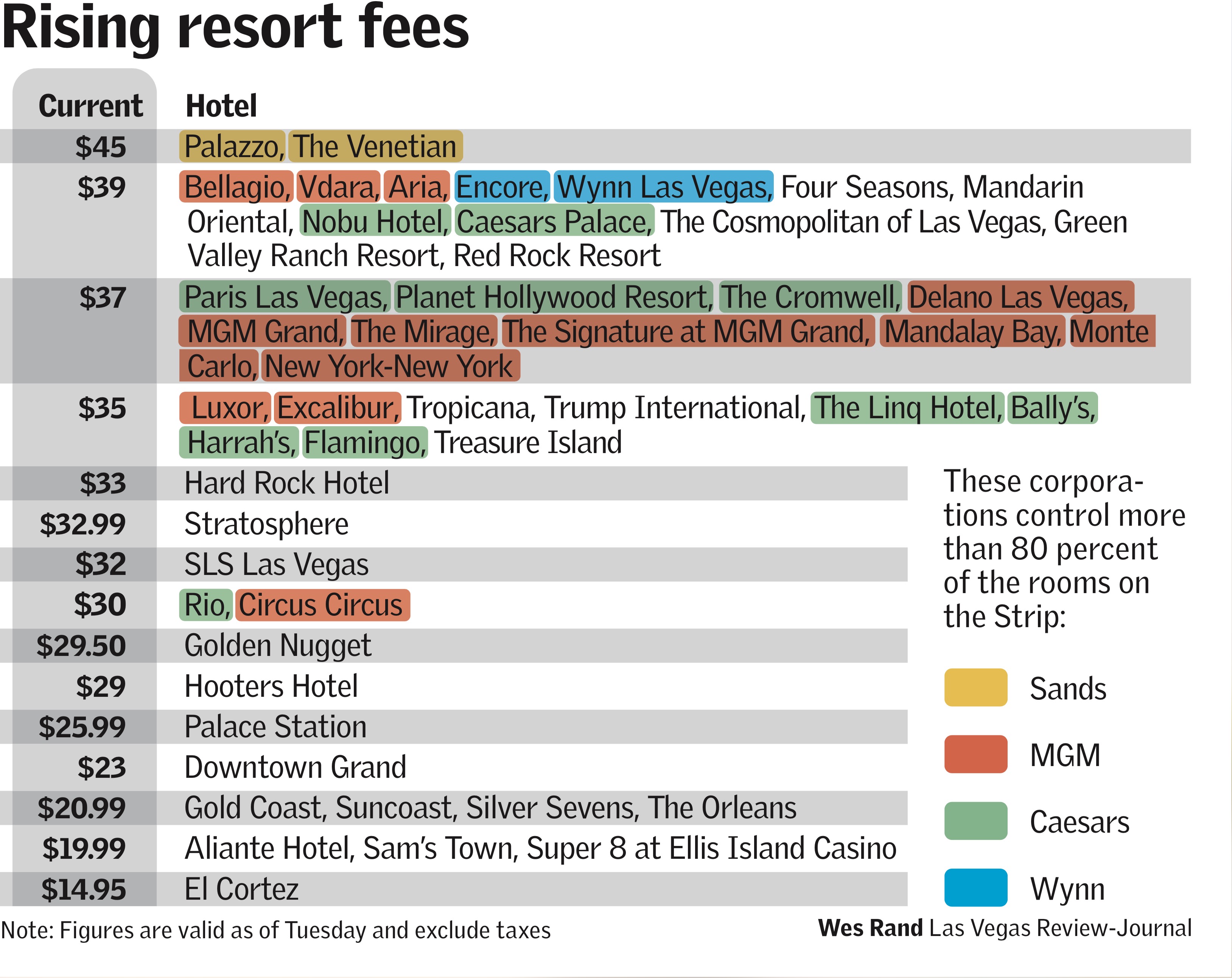
Not all resort fees are created equal, and the “value” you receive depends heavily on which property you choose. A boutique hotel or a lower-end resort might charge a lower fee, whereas luxury giants like the Wynn Las Vegas or The Venetian may have higher fees that correspond to more premium offerings.
Analyzing Luxury vs. Value Resorts
When booking a stay, it is vital to look past the dollar amount and assess the utility. If you are a business traveler, the inclusion of premium Wi-Fi might be worth the fee. If you are a leisure traveler interested in fitness, access to a state-of-the-art facility like those found at Aria Resort and Casino provides significant value compared to paying for a guest pass at a local gym.

Hidden Benefits and “Soft” Perks
Beyond the list of standard amenities, some resorts incorporate “soft” perks into their fees to justify the cost. For example, guests at Caesars Palace might find that their resort fee includes discounts on certain spa treatments, curated daily newsletters, or priority access to specific property attractions. Always check the fine print on the hotel’s official website, as these inclusions are subject to change.
Strategies to Manage and Mitigate Costs
Since resort fees are almost universally mandatory, avoiding them is nearly impossible for the average guest. However, there are strategic ways to manage these expenses or ensure you are getting the most out of your payment.
Loyalty Programs and Status
The most effective way to navigate resort fees is to leverage hotel loyalty programs. Programs like MGM Rewards often offer fee waivers for high-tier status members. If you are a frequent traveler to The Strip, reaching an elite status tier can save you hundreds of dollars annually in unnecessary fees.
Booking Directly vs. Third-Party
While it is tempting to book via discount sites, booking directly through the hotel’s brand website is often the safest route. Hotels are sometimes more transparent about the exact daily fee during the direct checkout process. Furthermore, if you are a member of their rewards program, the direct booking process will automatically apply any relevant fee waivers or member discounts that third-party sites might ignore.
Factoring Fees into the Budget
The golden rule of visiting The United States and specifically Las Vegas is to calculate the “out-the-door” price. If a room is advertised at $100 per night, but the resort fee is $45 plus tax, the real price is significantly higher. Use a spreadsheet or a notepad to add the daily resort fee plus the local hotel tax (which is usually a percentage of both the room rate and the resort fee) to get an accurate representation of your nightly expense.
The Future of Resort Fees in the Hospitality Industry
The debate surrounding resort fees is ongoing. Regulatory bodies and consumer protection agencies in California and beyond have begun to scrutinize “junk fees,” leading some to speculate that the industry may eventually shift toward “all-in” pricing.
Industry Transparency
For now, the Nevada tourism market remains reliant on this revenue stream to support the immense upkeep of mega-resorts. These properties, such as Planet Hollywood, require massive teams of staff, elaborate air conditioning systems, and constant maintenance to operate 24/7. Whether or not you agree with the structure, the fees are currently an integral part of the business model that keeps the city running.

How to Stay Informed
Before checking into your hotel, take a moment to visit their website’s “Frequently Asked Questions” section. Look specifically for the “Daily Resort Fee” entry. This will provide the most current list of included items. By proactively understanding what is covered, you can turn a perceived “hidden fee” into a set of tools that you utilize throughout your stay. Whether you are using the Wi-Fi for your travel blog or hitting the treadmill before a night of entertainment, understanding the fee allows you to capture the value you have already paid for.
Ultimately, being an informed guest is the best way to enjoy a stress-free trip. By treating the resort fee as a standard part of your travel budget rather than a surprise, you can focus on what really matters: enjoying the unparalleled hospitality, entertainment, and culinary landscape of one of the world’s most famous destinations.
LifeOutOfTheBox is a participant in the Amazon Services LLC Associates Program, an affiliate advertising program designed to provide a means for sites to earn advertising fees by advertising and linking to Amazon.com. Amazon, the Amazon logo, AmazonSupply, and the AmazonSupply logo are trademarks of Amazon.com, Inc. or its affiliates. As an Amazon Associate we earn affiliate commissions from qualifying purchases.