
This comprehensive guide will delve into the intricacies of [Texas] sales tax, explaining not only the state’s base rate but also how local taxes can impact your spending. We’ll explore where you’re most likely to encounter these taxes as a traveler—from accommodation and dining to shopping and attractions—and highlight specific exemptions and considerations. By the end, you’ll be equipped with the knowledge to confidently plan your financial footprint while enjoying everything the diverse state of [Texas] has to offer.
Understanding the Texas Sales Tax Landscape
Before diving into specific scenarios, it’s essential to grasp the fundamental structure of sales tax in [Texas]. Unlike some states, [Texas] has a statewide sales tax, but it also allows local jurisdictions to impose their own additional taxes, creating a variable rate depending on your exact location within the state.
The Statewide Base Rate
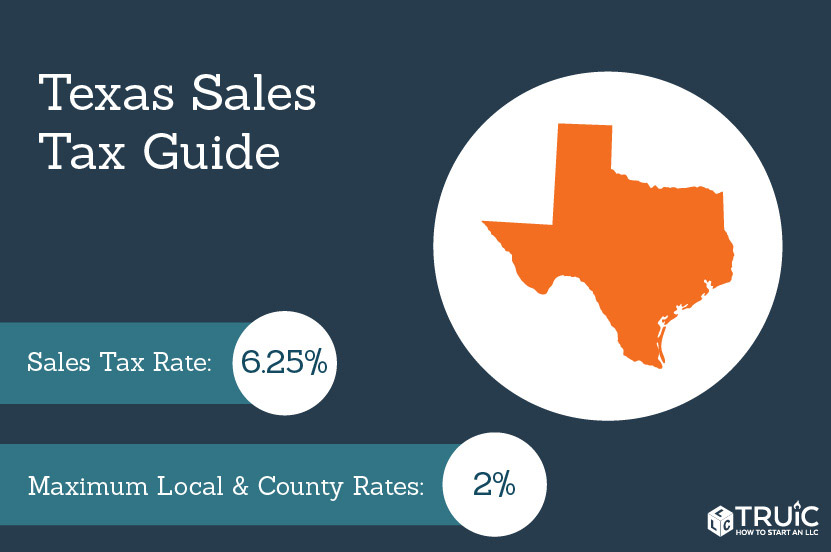
The state of [Texas] imposes a general sales and use tax of 6.25%. This rate applies broadly across the state to the sale, lease, or rental of most goods and certain services. It’s the foundational percentage you’ll encounter on a wide range of purchases. This 6.25% is consistent, no matter if you’re buying a handcrafted item in a small town or a designer outfit in a major city.
Local Tax Add-ons: City, County, and Special Districts
This is where the sales tax picture in [Texas] becomes more complex and varies for travelers. In addition to the state’s 6.25%, cities, counties, and various special purpose districts (such as metropolitan transit authorities or crime control districts) have the authority to levy their own local sales and use taxes. These local taxes can add up to an additional 2% on top of the state rate.
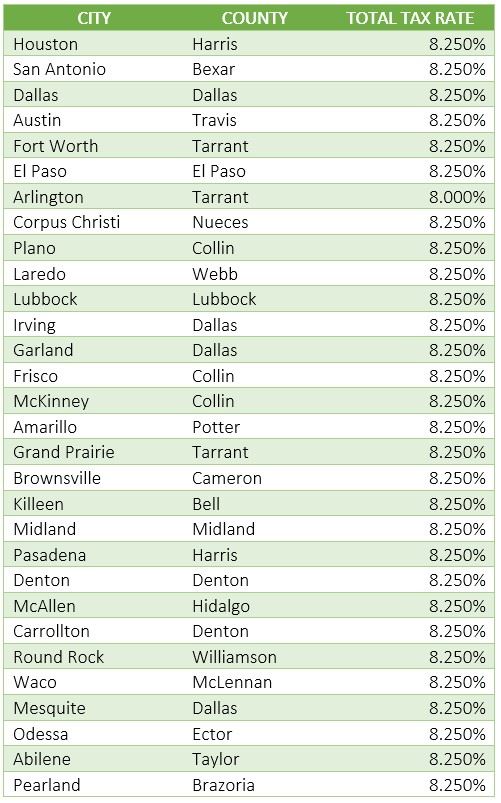
What does this mean for you? It means the total sales tax rate you pay in [Texas] can range from the base 6.25% in unincorporated areas with no local taxes, up to a maximum of 8.25% in many cities. For instance, in downtown [Dallas] or [Houston], you’re very likely to pay the full 8.25%. A purchase made just outside city limits in an unincorporated county area might only be subject to the county’s portion, or just the state’s 6.25% if the county doesn’t impose a tax.
The cumulative effect of these taxes can be significant, especially when planning for larger purchases or extended stays. Always keep in mind that the final price displayed on goods and services, particularly in retail settings, often does not include these taxes, which are added at the point of sale.
Calculating Your Total Sales Tax
To calculate the total sales tax, you simply add the state rate and the applicable local rates. For example, if you are in a city with a 1.5% city sales tax and a 0.5% special district sales tax, the calculation would be:
- State Sales Tax: 6.25%
- City Sales Tax: 1.50%
- Special District Sales Tax: 0.50%
- Total Sales Tax: 8.25%
Understanding this structure is your first step to being a savvy spender in the Lone Star State. While you won’t need to perform these calculations on every purchase, knowing that the final price will likely be higher than the tag can help you allocate funds more accurately, whether you’re budgeting for souvenirs, dining experiences, or larger travel expenses.
Where Travelers Encounter Sales Tax in Texas
As a visitor to [Texas], you’ll encounter sales tax in a myriad of situations. Knowing where and how these taxes apply can help you anticipate costs and manage your travel budget more effectively. From your sleeping arrangements to your dining experiences and shopping sprees, sales tax is an integral part of nearly every transaction.
Accommodation: Beyond the Room Rate
When booking your stay, whether it’s a luxurious suite, a cozy resort, a practical apartment, or a charming villa, it’s crucial to understand that the advertised nightly rate is rarely the final price. In [Texas], hotel stays are subject to Hotel Occupancy Tax (HOT), which is distinct from the general sales tax and often significantly higher.
The state of [Texas] levies a 6% Hotel Occupancy Tax. On top of this, cities and counties can impose their own local HOT. For example, major tourist destinations like [Houston], [Dallas], [San Antonio], and [Austin] often have cumulative HOT rates that can reach as high as 15-17% (e.g., 6% state + up to 9-11% local). This means a $100 room could easily become a $117 room before any resort fees or other charges. This tax applies to hotels, motels, bed and breakfasts, and often short-term rentals, so it’s a major consideration for any traveler.
Dining and Food Purchases
Food is a highlight of any [Texas] trip, from sizzling barbecue to authentic Tex-Mex and sophisticated urban cuisine. When you dine out at restaurants, cafes, food trucks, or any establishment where food is prepared for immediate consumption, you will pay the general state and local sales tax rate (up to 8.25%) on your entire bill, including beverages. This also applies to pre-prepared foods bought from grocery stores or convenience stores, such as a hot rotisserie chicken or a sandwich from the deli counter, consumed on-site. However, groceries purchased for home preparation are generally exempt, a distinction we’ll explore further.
Shopping for Souvenirs and Necessities
Whether you’re picking up a cowboy hat, a pair of boots, local artisan crafts, or essential toiletries, nearly all tangible personal property purchased in [Texas] is subject to sales tax. This includes clothing, electronics, books, toys, and any other retail goods. The tax will be applied at the register based on the combined state and local rate for that specific location. Remember, the price tag often doesn’t reflect the final amount you’ll pay.
Attractions, Entertainment, and Services
Your admission to popular attractions like [Space Center Houston], the [Alamo], or a museum will typically be subject to sales tax. The same applies to tickets for sporting events, concerts, movie theaters, and other entertainment venues. While many services are exempt from sales tax in [Texas], certain taxable services include repair and remodeling of nonresidential real property, cable television services, pest control services, and specific data processing services, though these are less likely to impact the average traveler directly. For the most part, entry fees to landmarks, parks (excluding state park entrance fees, which are generally not taxed as goods), and other tourist experiences will include sales tax.
Transportation: Car Rentals and More
If you plan to rent a car to explore [Texas]’ expansive landscapes, be aware that car rentals are subject to the general sales tax rate. Additionally, there may be specific vehicle rental taxes or surcharges that add to the total cost, beyond the advertised daily rate. These can vary by city or county, so it’s always wise to check the detailed breakdown of charges when booking your rental vehicle. Public transportation fares, such as bus or subway tickets in cities like [Houston] or [Dallas], are typically not subject to sales tax.
Key Exemptions and Special Considerations for Visitors
While sales tax is a pervasive element of spending in [Texas], there are important exemptions and special rules that travelers should be aware of, especially concerning food and specific tax types. Understanding these nuances can further refine your budgeting strategy.
Groceries vs. Prepared Food
One of the most significant exemptions for everyday spending relates to food. Most unprepared food items, or “groceries,” purchased for preparation and consumption at home, are exempt from [Texas] sales tax. This means buying ingredients like fresh produce, meats, dairy, and packaged goods at a grocery store generally won’t incur sales tax.
However, as mentioned earlier, this exemption does not apply to prepared foods or ready-to-eat meals, even if purchased from a grocery store. If you buy a hot sandwich, a salad from a salad bar, a pre-cooked meal, or fountain drinks from a convenience store, these items are typically subject to sales tax because they are considered prepared for immediate consumption. This distinction can be important for budget travelers who plan to cook some meals during their stay in accommodations with kitchenettes or those looking to picnic.
The Impact of Hotel Occupancy Tax Explained
Revisiting the Hotel Occupancy Tax (HOT) is critical because it’s often the largest single tax expenditure for travelers in [Texas]. Unlike the general sales tax, which applies to goods, HOT specifically targets revenue generated from renting hotel rooms and similar lodging. The funds collected from HOT are often earmarked for tourism promotion, convention centers, and other tourism-related infrastructure.
As an example, if you book a hotel room in [Austin], you might pay a 6% state HOT plus a 9% city HOT, totaling 15%. For a $200 per night room, this adds $30 to your bill. Over several nights, this can add up substantially. It’s important to factor this into your accommodation budget from the outset, as it can significantly increase the final cost of your stay at a [resort], [hotel], or even a vacation [rental apartment]. Always look for the total price including all taxes when comparing accommodation options.
Tax-Free Shopping for International Travelers
For international visitors departing the [United States] from [Texas] airports, there’s an opportunity for “tax-free shopping” on eligible purchases. [Texas] is one of a few states that offer sales tax refunds to qualifying foreign visitors on items they purchase and take out of the [United States].
To qualify, visitors must generally meet certain criteria, including being a resident of a foreign country (e.g., [Canada] or [Mexico]), having a passport and visa (if required), and purchasing eligible goods from participating retailers. The goods must be taken out of [Texas] and the [United States] within a certain timeframe. The refund process typically involves visiting a designated refund center at the airport or in major shopping areas, presenting your passport, boarding pass, and receipts from participating stores. There’s often a minimum purchase amount per store to qualify, and a small processing fee may be deducted from your refund. This program can be a considerable saving for international guests on larger purchases like electronics, clothing, or jewelry.
Budgeting for Your Texas Journey: Sales Tax in Practice
Understanding the sales tax rates and where they apply is only part of the equation. The real benefit comes from integrating this knowledge into your overall travel planning and budgeting. A thoughtful approach to your finances can ensure your [Texas] experience is enjoyable and free from unexpected expenses.
Planning for Different Travel Styles
The impact of sales tax varies depending on your travel philosophy:
- Budget Travelers: For those counting every dollar, sales tax can significantly influence choices. Opting for accommodations with kitchenettes to prepare some meals (taking advantage of grocery tax exemptions), seeking out free attractions, and being mindful of shopping habits become even more important. A small purchase of $10 suddenly costs $10.83 in a high-tax area, and these add up.
- Luxury Travelers: While not as focused on individual percentages, even luxury travelers benefit from understanding the total cost of their opulent stays and high-end purchases. Knowing that a lavish hotel room will incur a substantial Hotel Occupancy Tax and that designer goods will have sales tax added at the register helps prevent any surprises on the final bill.
- Family Trips: Families often have larger budgets due to multiple people and more varied activities. Sales tax applies to all those entry tickets to theme parks, meals for everyone, and souvenirs for the kids. Budgeting an extra 8-15% on major spending categories can prevent overshooting the budget.
- Business Stays: Business travelers need clear expense tracking. Understanding which taxes apply to hotel rooms, meals, and client entertainment is crucial for accurate expense reports and reimbursement. The Hotel Occupancy Tax is a particularly significant line item to note.
Practical Tips for Savvy Spending
- Allocate Extra for Taxes: When setting your budget, don’t just account for the base price of items or services. Add a buffer of 8-15% for general sales tax and a potentially higher percentage (up to 17%) for accommodation.
- Check Local Rates: If you’re traveling through multiple cities, remember that local sales and HOT rates can change. A quick online search for “sales tax [city name Texas]” or visiting the [Texas Comptroller of Public Accounts] website can give you the precise rates.
- Distinguish Groceries from Prepared Meals: If you’re looking to save on food, buy unprepared ingredients from grocery stores. If you opt for convenience, remember that deli items and ready-to-eat foods will likely be taxed.
- Inquire About All Fees: When booking hotels, car rentals, or tours, always ask for the “all-in” price, including all taxes and mandatory fees. This prevents sticker shock upon checkout.
- Utilize Tax-Free Shopping (if applicable): If you’re an international traveler, plan your major purchases at participating retailers and keep your receipts organized to take advantage of the tax refund program.
- Track Your Spending: Keep a running tally of your expenses. This is always good advice, but it helps identify how much of your budget is going towards taxes, allowing for adjustments if needed.
Experiencing Texas’ Iconic Destinations with Tax in Mind
Exploring the diverse landscape and vibrant culture of [Texas] is an unforgettable experience. From historical landmarks to natural wonders, each destination offers its unique charm, and understanding the local tax environment can further enhance your visit.
Major Metros: Houston, Dallas, Austin, San Antonio
- [Houston]: As the largest city in [Texas], [Houston] offers world-class museums, a thriving culinary scene, and the famed [Space Center Houston]. Expect the maximum combined sales tax rate of 8.25% on most purchases and potentially a higher Hotel Occupancy Tax rate, given its status as a major convention city.
- [Dallas]: Known for its impressive skyline, arts district, and upscale shopping, [Dallas] also operates under the maximum 8.25% sales tax rate. Luxury accommodations and high-end retail purchases will see this full rate applied, alongside a significant HOT.
- [Austin]: The live music capital of the world, [Austin], balances its quirky, vibrant culture with a bustling tech industry. Visitors will encounter the 8.25% sales tax on their meals, souvenirs, and concert tickets. Its popular hotels and Airbnb-style accommodations will also levy the applicable HOT.
- [San Antonio]: Home to the historic [Alamo] and the picturesque [Riverwalk], [San Antonio] is a prime destination for history buffs and leisure travelers alike. The 8.25% sales tax will apply to your purchases from the many shops along the [Riverwalk] and entry fees to historical sites, while hotels around these popular attractions will include a substantial HOT.

Beyond the Cities: State Parks and Coastal Getaways
Venturing outside the major urban centers, you might find slight variations in local sales tax rates, particularly in smaller towns or unincorporated areas. However, the state’s 6.25% will always apply.
- [Texas Hill Country]: This picturesque region, known for its wineries, charming towns like [Fredericksburg], and scenic drives, offers a different pace. While smaller towns might have a lower local sales tax component, the general rules still apply to dining and shopping. Accommodations in popular areas will certainly have local HOT.
- [Gulf Coast]: Destinations like [Galveston] and [South Padre Island] offer beautiful beaches and family-friendly attractions. Sales tax will apply to beach gear, seafood restaurants, and amusement park tickets. Due to their popularity as tourist destinations, coastal cities often have specific local taxes on top of the state sales tax and HOT.
- [Big Bend National Park]: For adventurers heading to the remote beauty of [Big Bend National Park], most purchases within the park or nearby gateway communities will be subject to sales tax. While primitive camping fees are less likely to be taxed, any purchases at park stores or local eateries will be.
In conclusion, a trip to [Texas] promises an extraordinary experience filled with diverse attractions, delicious food, and warm hospitality. By understanding the intricacies of the state’s sales tax and Hotel Occupancy Tax, you can approach your budgeting with confidence and avoid any unwelcome surprises. Factor in that extra percentage for taxes on your accommodation, meals, and souvenirs, and you’ll be well-prepared to enjoy the Lone Star State to its fullest, making memories without financial worries. Happy travels!
LifeOutOfTheBox is a participant in the Amazon Services LLC Associates Program, an affiliate advertising program designed to provide a means for sites to earn advertising fees by advertising and linking to Amazon.com. Amazon, the Amazon logo, AmazonSupply, and the AmazonSupply logo are trademarks of Amazon.com, Inc. or its affiliates. As an Amazon Associate we earn affiliate commissions from qualifying purchases.