
Navigating the financial landscape of any travel destination is an essential part of planning a successful trip, and Nevada is no exception. Known globally as the “Silver State” and a premier destination for tourism, entertainment, and vibrant city life, Nevada attracts millions of visitors annually. From the dazzling lights of Las Vegas to the serene beauty of Lake Tahoe and the rugged wilderness of its state and national parks, there’s an adventure for every type of traveler. However, amidst the excitement of planning accommodations, booking attractions, and mapping out a captivating itinerary, one crucial detail often gets overlooked: sales tax. Understanding Nevada’s sales tax is more than just a minor administrative detail; it’s a fundamental aspect of budgeting for your entire travel experience, impacting everything from your morning coffee to your luxury resort stay.
For both residents and tourists alike, deciphering the specifics of sales tax in Nevada can sometimes be a complex affair due to variations across different counties and the application of additional specialized taxes. This comprehensive guide aims to demystify the sales tax in Nevada, providing a clear breakdown of what to expect, how it affects your travel budget, and offering practical insights to help you plan a seamless and financially savvy trip. Whether you’re indulging in retail therapy along the Las Vegas Strip, savoring gourmet meals, or simply stocking up on essentials for a hiking adventure, knowing the tax implications will empower you to make informed decisions and enjoy your Nevada experience to the fullest. This article will delve into the statewide rates, local variations, and the specific ways these taxes apply to accommodation, dining, entertainment, and other aspects of your lifestyle while exploring this magnificent state, ensuring you’re well-prepared for your next Nevada adventure.
Understanding Nevada’s Sales Tax Landscape
The sales tax structure in Nevada is a multi-layered system, beginning with a statewide rate and supplemented by additional county-level taxes. This can make the total sales tax vary significantly depending on where you are in the state. For travelers, understanding these nuances is crucial for accurate budgeting and avoiding unexpected costs.
The Statewide Sales Tax Rate
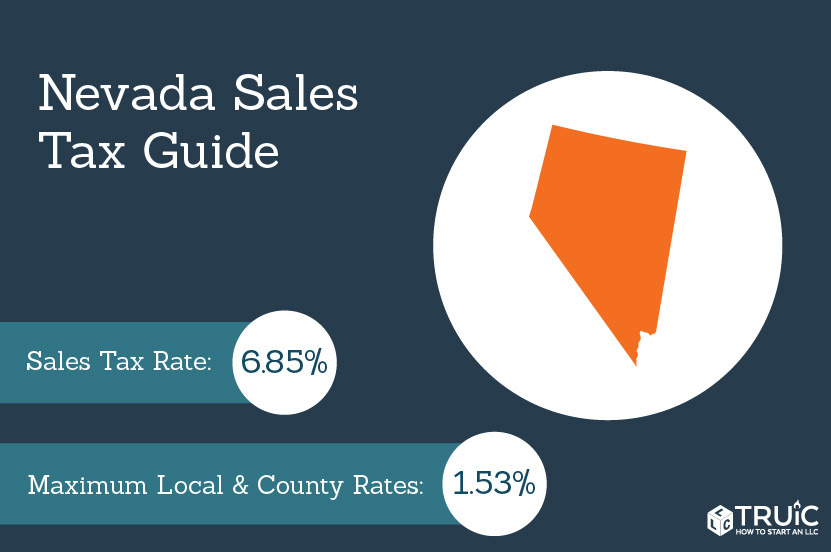
At its core, Nevada imposes a statewide sales and use tax rate of 6.85%. This base rate applies uniformly across all transactions involving the sale of tangible personal property, unless specifically exempted. This means that when you purchase a souvenir from a gift shop, a new piece of clothing, or even a vehicle, this 6.85% is the foundational tax you’ll encounter. The “use tax” component refers to the tax on items purchased outside the state but brought into and used within Nevada, ensuring a level playing field for in-state and out-of-state purchases. This statewide rate is a significant source of revenue for the state, funding various public services and infrastructure projects. For tourists, it’s the first figure to keep in mind when mentally calculating the cost of items. While 6.85% might seem modest, it adds up quickly, especially on larger purchases or cumulative spending throughout a vacation. Knowing this base rate sets the stage for understanding the additional layers that contribute to the final price tag in popular tourist destinations.
Local Sales Tax Variations
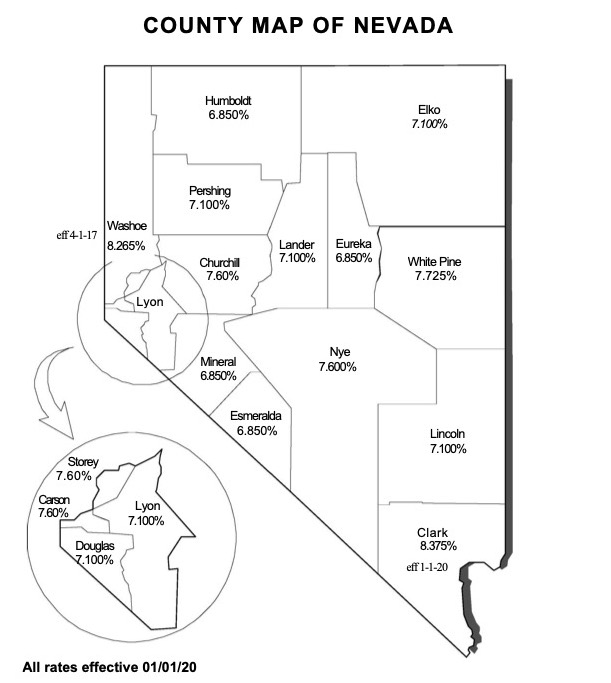
One of the most important aspects for travelers to grasp is that the 6.85% statewide sales tax is not the final rate in many areas. Counties in Nevada have the authority to levy additional local sales taxes, which are then added on top of the state rate. This results in varying total sales tax rates across different regions. For example, Clark County, home to the iconic city of Las Vegas and a major global tourism hub, has a higher combined sales tax rate. As of the time of writing, Clark County’s total sales tax rate is 8.375%. This increase is due to local option taxes designated for specific purposes, such as infrastructure improvements, public safety, and transportation projects, all of which directly or indirectly benefit the millions of visitors who flock to the region each year.
Similarly, Washoe County, which encompasses Reno (known as “The Biggest Little City in the World”) and parts of Lake Tahoe, also has a combined sales tax rate that typically hovers around 8.265%. Other counties across the state will have their own specific rates, which can change over time based on local government decisions and voter initiatives. This means that a purchase made in Las Vegas will incur a different sales tax than the exact same purchase made in Reno, or in smaller towns like Boulder City or Virginia City. For travelers exploring multiple destinations within Nevada, being aware of these local variations is key to accurate financial planning, particularly for those engaging in significant retail purchases or long-term stays where cumulative costs become substantial. Always double-check the current local rates for your specific destination to ensure your budget remains on track.
What’s Taxable and What’s Not?
Understanding what items and services are subject to Nevada’s sales tax is fundamental for both residents and visitors. Generally, the sales tax applies to the retail sale of tangible personal property. This broad category covers most goods you might purchase during your travels or daily life.
Common taxable items include:
- Retail Purchases: Clothing, electronics, souvenirs, gifts, books, artwork, sporting goods, and household items. If you’re shopping for high-end fashion at The Forum Shops at Caesars Palace or grabbing a T-shirt at a gift shop, expect to pay sales tax.
- Restaurant Meals and Prepared Foods: Whether you’re dining at a five-star restaurant in Las Vegas, grabbing a casual meal in Reno, or getting takeout, the food and beverages purchased are typically subject to sales tax. This includes alcoholic beverages served in bars and restaurants.
- Vending Machine Sales: Items purchased from vending machines are also generally taxable.
- Certain Services: While most services are exempt from sales tax, some are subject to it if they involve the transfer of tangible personal property. For example, if a car repair includes parts, those parts will be taxed. However, the labor component is usually not.
On the other hand, several categories of goods and services are exempt from sales tax, which can be beneficial for budgeting:
- Groceries: Unprepared food items sold for home consumption are typically exempt from sales tax. This means that if you buy ingredients at a supermarket to cook a meal at your rental apartment or villa, you won’t pay sales tax on those items. However, “prepared food” items like deli sandwiches, hot foods from a buffet, or ready-to-eat meals from a convenience store are usually taxable.
- Prescription Medications: Most prescription drugs are exempt from sales tax. Over-the-counter medications are generally taxable.
- Utilities: Services like electricity, gas, water, and internet are typically exempt from sales tax.
- Many Services: Professional services (e.g., legal, medical, accounting) and personal services (e.g., haircuts, massages) that do not involve the transfer of tangible property are generally not subject to sales tax.
- Tickets to Live Entertainment/Events: While there might be other fees or surcharges, the base price of tickets to concerts, shows (Cirque du Soleil, Blue Man Group), or sporting events often does not include sales tax. However, purchases made at the venue, such as concessions or merchandise, will be taxed.
Understanding these distinctions can help travelers make smarter choices, such as opting for grocery shopping for some meals rather than consistently dining out, thereby potentially saving on sales tax. This knowledge is particularly valuable for long-term stays or family trips where budgeting for daily expenses is critical.
Sales Tax and Your Nevada Travel Experience
For travelers, sales tax in Nevada extends beyond just retail purchases, weaving its way into various aspects of the travel experience. From where you lay your head at night to what you eat and how you’re entertained, understanding its impact is crucial for comprehensive financial planning.
Accommodation and Lodging Taxes
When planning your stay in Nevada, it’s vital to distinguish between sales tax and lodging tax, as both can significantly impact the final cost of your accommodation. Unlike tangible goods, hotel rooms and other lodging accommodations are generally not subject to the standard statewide sales tax. Instead, they are subject to a specific lodging tax, also known as a transient occupancy tax or room tax. This tax is levied by local governments and varies significantly by county and even by specific city or district within a county.
In Clark County, for example, where Las Vegas is located, the lodging tax rate on hotel rooms on the Las Vegas Strip and downtown Las Vegas is typically higher than in other parts of the county or state. These funds are often dedicated to supporting tourism infrastructure, conventions, and marketing efforts that benefit the local economy. For hotels and resorts like The Venetian Resort Las Vegas, Bellagio, MGM Grand, Caesars Palace, Wynn Las Vegas, Palazzo at The Venetian Resort, Mandalay Bay Resort and Casino, or Aria Resort & Casino, the lodging tax will be a noticeable addition to your nightly rate. Similarly, in Washoe County, hotels in Reno, such as the Grand Sierra Resort, and properties around Lake Tahoe will also have their own specific lodging tax rates.
It’s important to note that lodging taxes are separate from resort fees, which are an additional, often mandatory, charge levied by many hotels for amenities like Wi-Fi, fitness center access, and pool use. While resort fees are a separate charge, both lodging taxes and resort fees add to the overall cost of your stay, making it crucial to account for them when booking accommodations through platforms like Expedia or Booking.com. Always check the “total estimated cost” before confirming your reservation to see the full breakdown of charges.
Dining and Entertainment
Your culinary journey and entertainment pursuits in Nevada will also be subject to sales tax, primarily on prepared food and beverage purchases. Whether you’re indulging in a gourmet meal at a celebrity chef restaurant, grabbing a quick bite at a casual diner, or enjoying cocktails at a vibrant bar, sales tax will be applied to your bill. This falls under the general sales tax on tangible personal property, as prepared food and drinks are considered retail sales.
For example, a dinner out at a restaurant in Las Vegas or Reno will have the local combined sales tax rate (e.g., 8.375% in Clark County) applied to the total food and drink cost. This also applies to room service, mini-bar purchases, and even quick snacks bought at hotel convenience stores. If you’re planning a trip focused on Nevada’s renowned culinary scene or its nightlife, these cumulative taxes can become a significant portion of your budget.
When it comes to entertainment, the situation is a bit nuanced. Generally, tickets to live shows, concerts, theatrical performances (Cirque du Soleil, Blue Man Group), and sporting events are often not subject to the standard sales tax on the base ticket price itself. However, be prepared for various other fees and surcharges, such as service fees, facility fees, or entertainment taxes, which are distinct from sales tax but contribute to the final price. Where sales tax does come into play is on merchandise purchased at these venues (T-shirts, programs, souvenirs) and, crucially, on any food and beverages consumed while enjoying the show. A soda or popcorn at a concert will incur sales tax just like a meal at a restaurant. Understanding these distinctions helps travelers accurately predict the full cost of their dining and entertainment experiences, ensuring no surprises when the bill arrives.
Shopping for Souvenirs and Retail Therapy
Shopping is an integral part of the travel experience for many visitors to Nevada, whether it’s for luxury goods, unique souvenirs, or practical necessities. From high-end boutiques on the Las Vegas Strip and outlet malls to quaint gift shops near scenic landmarks like Lake Tahoe or Hoover Dam, sales tax will be applied to almost all tangible goods purchased.
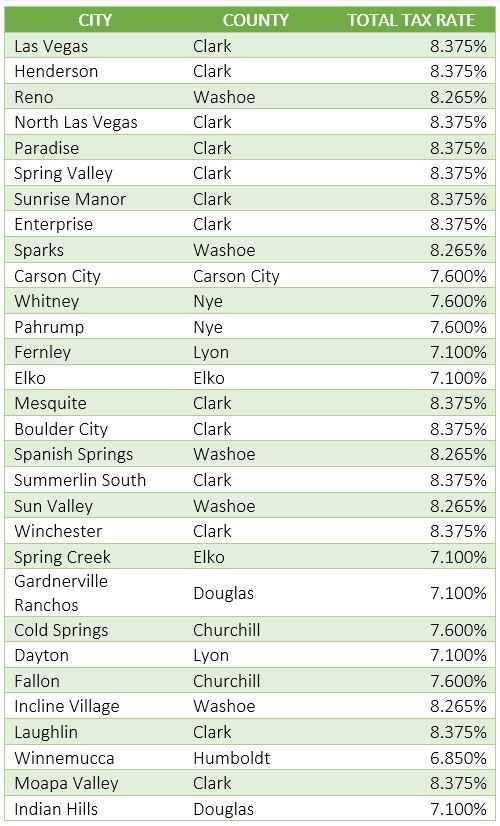
The applicable sales tax rate will be the combined state and local rate for the specific county where the purchase is made. For instance, if you’re buying designer clothing at The Shops at Crystals or picking up a poker chip set at a casino gift shop in Las Vegas, expect the Clark County rate of 8.375% to be added to your total. If you venture to Reno for some retail therapy, the Washoe County rate of 8.265% will apply. This also holds true for any other city in Nevada, from the capital city of Carson City to smaller towns like Laughlin or Elko.
This consistent application of sales tax means that whether you’re making a small impulse purchase or a significant investment, the tax will be factored into the final price. For budget travelers, even small souvenir purchases can add up, so factoring in that extra percentage is important. For luxury travelers making high-value purchases, the sales tax amount can be substantial, transforming a $10,000 item into an $10,837.50 expense in Clark County. Therefore, when browsing shops, it’s always wise to remember that the sticker price for most items doesn’t typically include sales tax, and you’ll need to add that extra percentage when calculating your total expenditure.
Budgeting for Your Nevada Adventure
Effective budgeting is the cornerstone of a stress-free travel experience, and accounting for sales tax is a critical component of that planning, especially in a state like Nevada where various taxes apply. Understanding how sales tax impacts different aspects of your trip, from the grandest resort to the simplest meal, ensures you maintain control over your finances and fully enjoy your adventure.
Practical Tips for Travelers
To navigate Nevada’s sales tax structure effectively, a few practical tips can go a long way:
- Always Factor in the “Extra Percentage”: When looking at menu prices, gift shop items, or activity costs, mentally add the local sales tax rate to the advertised price. In Las Vegas, for instance, assume an extra 8.375% on most tangible purchases. This simple habit prevents sticker shock at the register.
- Check Local Rates: Before visiting a specific county or city, quickly look up its current combined sales tax rate. Rates can occasionally change, and knowing the precise percentage for Reno, Carson City, or other destinations will improve your budget accuracy.
- Distinguish Between Taxes and Fees for Accommodation: When booking hotels or resorts, be vigilant about the difference between lodging tax and resort fees. Both add to your total, but they are separate charges. Many booking websites like Expedia or Booking.com will show an estimated “total cost” that includes these, but it’s always wise to verify directly with the hotel or scrutinize the breakdown.
- Consider Grocery Shopping for Some Meals: For budget-conscious travelers or families, purchasing groceries (which are exempt from sales tax on unprepared items) and preparing some meals in a suite or rental accommodation can significantly reduce dining costs and associated sales tax.
- Keep Track of Cumulative Spending: Small purchases add up. If you’re making numerous small transactions, the cumulative sales tax can become substantial. Monitor your spending to ensure you remain within your overall budget.
- Use Digital Wallets or Credit Cards for Easy Tracking: Many apps and banking services allow you to categorize expenses and track spending, making it easier to see where your money, including sales tax, is going.
By adopting these habits, travelers can confidently manage their finances, ensuring that sales tax becomes a predictable part of their budget rather than an unexpected drain.
Common Tourist Misconceptions
Travelers often arrive in Nevada with certain misconceptions about taxes and fees, which can lead to budgeting errors. Addressing these directly can save a lot of confusion:
- Sales Tax vs. Resort Fees: This is perhaps the most common source of confusion. Many tourists mistake resort fees for sales tax, or assume sales tax covers everything. As discussed, sales tax applies to tangible goods and prepared food, while resort fees are a separate charge from hotels for amenities. They are distinct and both add to your total cost. A hotel might charge a 13.375% lodging tax plus a $45 resort fee, and then sales tax on any purchases made within the hotel (like a souvenir or a restaurant meal).
- “No Sales Tax on Gambling Winnings”: While Nevada famously does not have a state income tax, which applies to gambling winnings, sales tax is completely unrelated. Sales tax applies to goods and services, not income. Winnings are subject to federal income tax, and casinos will issue W-2G forms for significant payouts. This has no bearing on sales tax.
- “Nevada Has No Taxes”: Some visitors mistakenly believe that because Nevada lacks a state income tax, it is largely tax-free. This is far from the truth. The state relies heavily on sales tax, lodging tax, and gaming taxes to fund its operations. Therefore, while you won’t pay state income tax on your earnings, you will pay various consumption taxes on virtually everything you buy or consume during your stay.
- Uniform Tax Rates: The idea that tax rates are the same everywhere in the United States or even within a single state is a common misconception. As highlighted, Nevada’s sales tax rates vary by county, and lodging taxes also differ significantly, emphasizing the importance of checking local specifics.
Clarifying these points helps tourists approach their Nevada vacation with a more accurate financial understanding, promoting a smoother and more enjoyable travel experience.
Impact on Different Travel Styles
The way sales tax affects a travel budget can vary significantly based on individual travel styles and priorities:
- Luxury Travel: For those indulging in luxury travel, the absolute dollar amount of sales tax can be substantial. Purchasing high-end designer items, dining at Michelin-starred restaurants, or booking extravagant suites at resorts like The Venetian Resort Las Vegas means that even an 8.375% sales tax can add hundreds or thousands of dollars to the total bill. While perhaps less of a concern for the overall budget, it’s still an additional cost to be aware of.
- Budget Travel: For budget-conscious travelers, every penny counts. Awareness of sales tax is paramount for controlling costs on food, activities, and basic necessities. Opting for grocery store meals, seeking out happy hour specials, or choosing free attractions like walking the Fremont Street Experience instead of paid shows can help minimize sales tax expenditures. Planning ahead and knowing the exact tax rate on essential items can make a real difference in stretching a limited budget.
- Family Trips: Larger groups, such as families, will experience a compounded effect of sales tax. More people mean more meals, more snacks, more souvenir purchases, and potentially more entrance fees to attractions like Hoover Dam, Red Rock Canyon National Conservation Area, or Discovery Children’s Museum. The cumulative sales tax across these various expenditures can become a significant portion of the total trip cost. Prioritizing activities and making strategic decisions about dining (e.g., packing picnics for excursions to Valley of Fire State Park or Mount Charleston) can help manage these costs.
- Business Stays: For business travelers, understanding sales tax is crucial for accurate expense reporting and corporate budgeting. Meals, conference materials, and hotel incidentals will all have sales tax applied. Companies often have strict expense policies, and properly accounting for sales tax ensures compliance and smooth reimbursement processes. For long-term business stays, familiarity with local tax rates can impact decisions on where to dine or make purchases, especially if the company has per diem limits.
Regardless of your travel style, a proactive approach to understanding and budgeting for Nevada’s sales tax will lead to a more financially predictable and enjoyable trip.
Exploring Nevada Beyond the Tax Rate
While understanding Nevada’s sales tax is crucial for practical planning, it’s just one small piece of what makes the state an extraordinary destination. Nevada offers a diverse tapestry of experiences, from iconic landmarks and vibrant urban centers to serene natural wonders and rich cultural heritage. Integrating your knowledge of local economics with a desire to explore can enhance your overall appreciation for this unique state.
Iconic Landmarks and Attractions
Nevada is home to some of the most famous landmarks and attractions in the United States, drawing visitors eager to witness their grandeur. While entrance fees to many state and national parks like Valley of Fire State Park, Red Rock Canyon National Conservation Area, or Great Basin National Park might not directly include sales tax on the base fee, any purchases made within their gift shops, visitor centers, or concession stands will be subject to the local sales tax rate.
The majestic Hoover Dam, a marvel of engineering, offers tours and a visitor center where souvenirs and educational materials are taxable. In Las Vegas, the Fremont Street Experience provides free entertainment, but any food, drinks, or merchandise bought from vendors will incur sales tax. Beyond the bright lights, natural wonders like the awe-inspiring Lake Tahoe on the California-Nevada border offers breathtaking scenery and outdoor activities; purchases for rentals or at local shops around the lake will also be subject to sales tax. Even destinations like Mount Charleston, offering a cool escape from the desert heat, has small shops where taxable items are sold. Knowing these details helps you appreciate these sites without any financial surprises from associated purchases.
Cultural Immersion and Local Flavors
Delving into Nevada’s local culture and culinary scene is an enriching experience that goes beyond the glitz of its major cities. From historic mining towns to vibrant art districts, each region offers a unique flavor. When exploring places like Virginia City, a living ghost town steeped in Old West history, you’ll find charming artisan shops, local eateries, and museums. Any purchase of handcrafted goods, antiques, or meals at historical saloons like the Pioneer Saloon will include sales tax.
Cities like Reno and Carson City boast thriving food scenes, from farm-to-table restaurants to craft breweries. Sampling local specialties at the Nevada Museum of Art cafe or enjoying a local brew in a Reno pub means factoring in sales tax on your bill. Experiencing Native American culture at places like Pyramid Lake might involve purchasing unique art or crafts directly from tribal members, which would also be subject to sales tax. Embracing the diverse lifestyle opportunities, whether it’s budget-friendly outdoor adventures or luxurious fine dining, involves a consistent application of sales tax on goods and prepared foods. Understanding this allows you to fully immerse yourself in the local culture without unexpected financial hiccups, focusing instead on the rich experiences and unique flavors that make Nevada so special.
Planning Your Ideal Stay
Ultimately, navigating Nevada’s sales tax is about informed planning, contributing to a seamless and enjoyable travel experience. Whether your ideal stay involves luxury suites at Bellagio, a family adventure exploring Cathedral Gorge State Park, or a business trip to the National Bowling Stadium in Reno, a little foresight goes a long way. This holistic approach ensures that your focus remains on creating unforgettable memories, rather than being sidetracked by unexpected costs.
In conclusion, Nevada’s sales tax, while varying by county and category, is an omnipresent part of the consumer experience. The statewide base rate of 6.85% is typically augmented by local taxes, leading to combined rates such as 8.375% in Clark County (Las Vegas) and 8.265% in Washoe County (Reno). This applies to most tangible goods, prepared foods, and certain services, but not directly to accommodation, which has its own lodging tax. By understanding these distinctions and incorporating them into your budget, you empower yourself to make smarter financial decisions. From shopping for souvenirs to dining out, every transaction contributes to your overall travel cost. So, as you prepare for your next journey to the Silver State, remember that a little knowledge about sales tax can significantly enhance your travel experience, allowing you to fully embrace the unparalleled excitement and natural beauty that Nevada has to offer. Enjoy your trip, confident in your financial preparation!
LifeOutOfTheBox is a participant in the Amazon Services LLC Associates Program, an affiliate advertising program designed to provide a means for sites to earn advertising fees by advertising and linking to Amazon.com. Amazon, the Amazon logo, AmazonSupply, and the AmazonSupply logo are trademarks of Amazon.com, Inc. or its affiliates. As an Amazon Associate we earn affiliate commissions from qualifying purchases.