
Planning a visit to the captivating landscapes of Arizona involves more than just mapping out stunning national parks like the Grand Canyon or vibrant city excursions to Phoenix and Tucson. For any discerning traveler, understanding the local financial landscape, particularly sales tax, is crucial for effective budgeting and avoiding unexpected costs. Unlike many other states that levy a direct sales tax on consumers, Arizona employs a system known as the Transaction Privilege Tax (TPT). This nuanced approach means businesses are taxed for the privilege of conducting business in the state, and they typically pass this cost onto the consumer, which effectively operates much like a sales tax from a tourist’s perspective. Navigating this system is key to maximizing your travel funds and enjoying all that the Grand Canyon State has to offer without financial surprises.
Understanding Arizona’s Transaction Privilege Tax (TPT) System
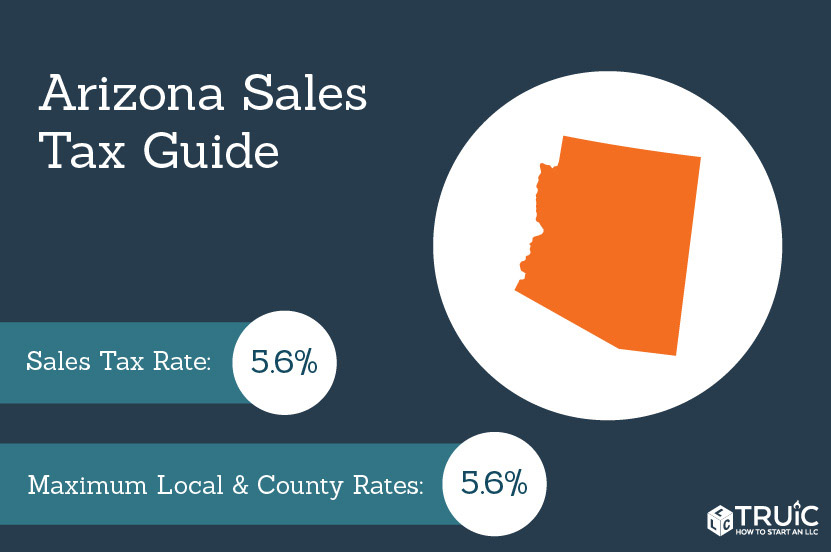
Arizona’s sales tax, officially known as Transaction Privilege Tax (TPT), can initially seem a bit complex for visitors accustomed to standard sales tax models. Instead of a direct tax on the consumer for retail purchases, the TPT is levied on businesses for the privilege of engaging in certain business activities within the state. However, almost universally, businesses will pass this tax on to the customer at the point of sale, making it appear and function very much like a traditional sales tax. The statewide base rate for TPT is currently 5.6%. This is the foundational rate applied across all taxable transactions in Arizona.
What makes the TPT system particularly important for tourists is the varying rates that can apply depending on the specific city and county you are visiting, as well as the type of transaction. On top of the statewide 5.6%, cities and counties can (and almost always do) levy their own TPT rates. This means the actual combined sales tax rate you pay can fluctuate significantly from one destination to another, even within a relatively short driving distance. For example, a souvenir purchased in Phoenix will likely incur a different total tax rate than an identical item bought in Flagstaff or Sedona, primarily due to these local additions. Being aware of these potential variances is the first step toward smart spending during your Arizona adventure.
The Impact on Tourists: What You’ll Pay Tax On
For visitors to Arizona, the Transaction Privilege Tax will apply to a wide array of goods and services commonly consumed during a trip. Understanding these categories is essential for accurate budgeting and avoiding unexpected expenses, allowing you to focus on the unique cultural experiences and breathtaking natural wonders of the state.
Lodging and Accommodation
One of the most significant expenses for any tourist is accommodation, and the TPT system directly impacts the cost of your stay. Whether you opt for a luxurious resort in Scottsdale, a charming bed-and-breakfast in Prescott, a chain hotel in Mesa, or a vacation rental near the Grand Canyon, your room rate will be subject to TPT. This typically includes the statewide 5.6% TPT, plus any applicable city and county taxes.
Furthermore, many popular tourist destinations in Arizona also impose additional occupancy taxes, sometimes referred to as bed taxes or tourism taxes. These are specifically designed to fund local tourism initiatives and infrastructure. For instance, a night at a hotel in Phoenix or Tucson will not only include the state and city TPT but also a city occupancy tax. These additional percentages can add several points to your total bill, sometimes pushing the combined tax rate for lodging into the high single or even low double digits. It’s always advisable to confirm the total tax rate, including any occupancy taxes, when booking your accommodation to get a precise understanding of the final cost.
Dining and Food Purchases
Exploring Arizona’s diverse culinary scene, from traditional Sonoran hot dogs in Tucson to upscale dining in Sedona, is a highlight for many visitors. When dining out at restaurants, cafes, or bars, the sales tax (TPT) will be applied to your entire bill, including food and beverages. This is consistent across virtually all eateries in the state.
However, a notable distinction exists for groceries. In Arizona, most unprepared food items purchased at grocery stores for home consumption are exempt from the statewide 5.6% TPT. This means if you’re stocking up for a camping trip to the Grand Canyon or preparing meals in a vacation rental, you won’t pay the state TPT on essentials like fresh produce, meats, or packaged goods. Be mindful, though, that prepared foods from a deli or hot bar within a grocery store, as well as items like sodas, candy, and restaurant meals, are still taxable. Some cities, however, might impose a municipal TPT on groceries, so it’s wise to check local regulations if you plan significant grocery shopping in a specific town.
Activities and Attractions
From entrance fees to Saguaro National Park or a guided tour through Antelope Canyon near Page, to tickets for a sporting event or a museum visit, most activities and attractions across Arizona will have TPT applied to their listed prices. This includes guided tours, adventure excursions (like jeep tours or rafting trips), spa services, and entertainment venues.
For many outdoor enthusiasts, permits or usage fees for state parks and recreation areas might also be subject to TPT. While national parks like the Grand Canyon typically operate under federal guidelines regarding fees, any services or retail items purchased within concessions inside these parks will usually be subject to Arizona’s TPT rules. Always factor in these taxes when planning your daily itineraries and purchasing tickets or passes.
Shopping and Souvenirs
A trip to Arizona wouldn’t be complete without picking up some souvenirs, unique artisan crafts, or even larger purchases. All retail purchases of tangible personal property—ranging from clothing and jewelry to electronics and local artwork—are subject to the Transaction Privilege Tax. This includes items bought at gift shops, art galleries, boutique stores, and major retail outlets across cities like Chandler, Glendale, and Tempe.
The key takeaway here is that virtually any tangible good you purchase will have the TPT added to its price. When browsing shops along Route 66 in Flagstaff or exploring the vibrant markets in Old Town Scottsdale, remember that the price tag often doesn’t reflect the final amount you’ll pay at the register. Always factor in the applicable TPT for that specific location.
Navigating Local Sales Tax Variations
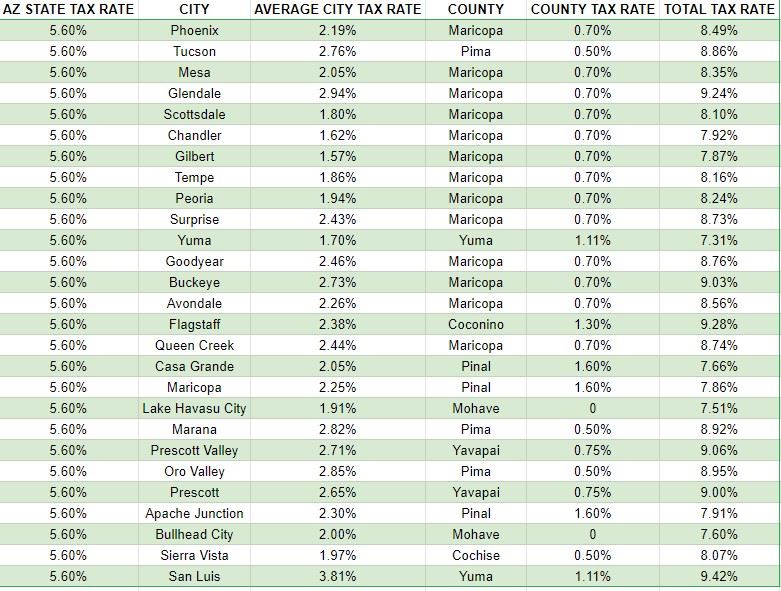
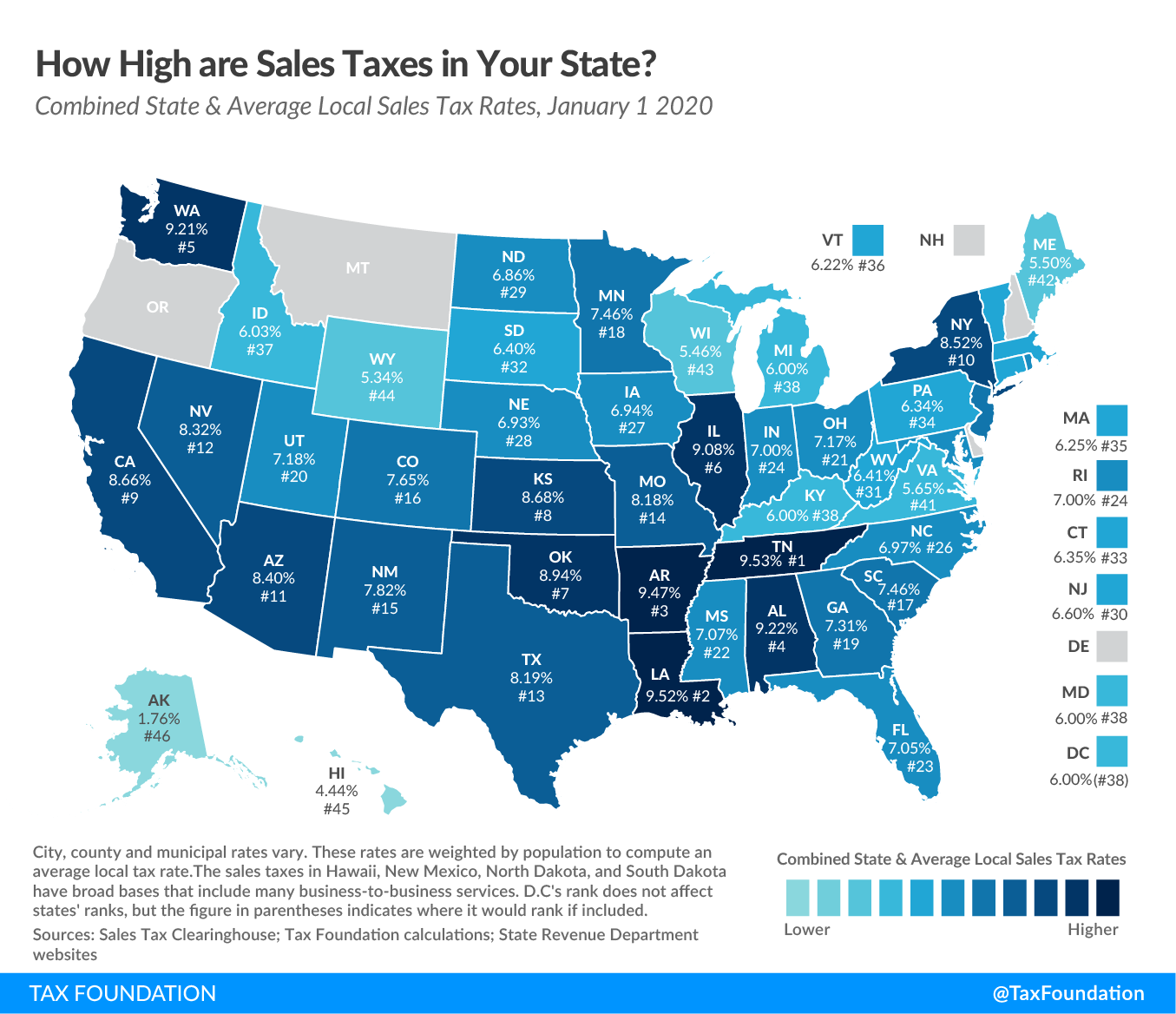
The statewide 5.6% TPT is merely the starting point. Arizona’s system allows for significant local variation, with cities and counties adding their own TPT rates, making the combined rate in some areas considerably higher. This mosaic of rates is a critical aspect for tourists to understand, as it directly impacts purchasing power and budgeting in different parts of the state.
For example, cities like Phoenix, the state capital and a major tourist hub, impose their own municipal TPT on top of the state rate. This applies to everything from hotel stays and restaurant meals to retail purchases. Neighboring cities in the Valley of the Sun, such as Scottsdale or Tempe, will have similar structures but might have slightly different municipal rates. The total combined rate you pay in Phoenix could reach over 8% or more, especially for lodging which includes additional occupancy taxes.
In Tucson, the state’s second-largest city, you’ll encounter a similar scenario with its own city TPT rate. Moving north, a visit to the picturesque red rock country of Sedona or the mountain town of Flagstaff, gateway to the Grand Canyon, will also involve distinct local TPT rates that will affect the cost of your dining, shopping, and activities. Even smaller, popular destinations like Lake Havasu City or Yuma will have their unique local tax structures.
To find the precise combined sales tax rate for any given location in Arizona, the Arizona Department of Revenue provides online resources where you can look up current rates by city and county. Many businesses also clearly display the applicable tax rates or break them down on receipts. When planning a multi-city itinerary, a quick check of these rates can help you anticipate costs and allocate your budget more effectively. For instance, if you’re making a significant purchase, knowing that one town has a slightly lower combined rate might influence where you choose to buy.
Smart Budgeting for Your Arizona Trip
Effective budgeting is a cornerstone of a stress-free vacation, and understanding Arizona’s sales tax is a significant component of that. By proactively accounting for the Transaction Privilege Tax and its local variations, you can avoid financial surprises and ensure your travel funds are maximized for experiences.
One of the simplest strategies is to assume all listed prices are pre-tax for most goods and services you’ll encounter. Always add a mental buffer of 7-12% (depending on the specific city and type of purchase) to the sticker price or menu item cost to estimate the final amount. For instance, if a restaurant meal is advertised at $20, expect to pay closer to $21.50 to $22.50 once state, city, and county TPT are applied, not including gratuity. This small adjustment in your thinking can prevent dozens of minor budget overruns that add up over a trip.
For accommodation, given that lodging often incurs both TPT and additional occupancy taxes, it’s wise to verify the total “all-in” price when booking. Many online travel agencies and hotel websites will show the base room rate, then itemize taxes and fees. Pay close attention to this final figure to compare true costs across different hotels or cities. A room advertised at $150 might actually cost $170-180 after all taxes and resort fees are factored in.
Consider strategic grocery shopping as a way to save. Since most unprepared groceries are exempt from statewide TPT, buying ingredients for some meals or snacks at a supermarket can be more cost-effective than dining out for every meal. This is particularly useful for travelers staying in accommodations with kitchenettes or for those embarking on extended road trips or camping excursions to sites like Monument Valley. Just remember that prepared foods, candy, and sodas typically remain taxable.
Finally, be mindful of major purchases. If you plan to buy high-value items like artwork, jewelry, or electronics, the difference of even one or two percentage points in combined TPT between cities can translate into significant savings. A quick online check of the sales tax rate for your desired shopping location versus an alternative can be a worthwhile exercise.
By integrating this understanding of Arizona’s Transaction Privilege Tax into your travel planning, you can budget with greater precision, make informed spending decisions, and fully immerse yourself in the unique charm and adventures that the Grand Canyon State offers without fiscal worries.
LifeOutOfTheBox is a participant in the Amazon Services LLC Associates Program, an affiliate advertising program designed to provide a means for sites to earn advertising fees by advertising and linking to Amazon.com. Amazon, the Amazon logo, AmazonSupply, and the AmazonSupply logo are trademarks of Amazon.com, Inc. or its affiliates. As an Amazon Associate we earn affiliate commissions from qualifying purchases.