
“Sweet Home Alabama,” a rollicking anthem by Lynyrd Skynyrd, is more than just a catchy tune that evokes images of rolling hills and Southern charm. Released in 1974, the song quickly became an iconic representation of the American South, particularly the state of Alabama. However, its meaning is layered, stemming from a specific cultural and political context that may not be immediately apparent to every listener. Understanding the song requires a dive into the historical backdrop of the early 1970s, the band’s origins, and the social commentary embedded within its memorable lyrics.

The song’s genesis lies in a response to two other prominent songs of the era: Neil Young’s “Southern Man” and “Alabama.” Young’s politically charged songs, released in 1970 and 1972 respectively, were critical of the South’s lingering racial prejudice and its historical ties to slavery. While Young’s intentions were to encourage social progress, his lyrics were perceived by many Southerners, including the members of Lynyrd Skynyrd, as a sweeping generalization and an unfair indictment of an entire region and its people.
“Sweet Home Alabama” emerged as a direct rebuttal, a declaration of pride and a defense of Southern identity. However, it’s crucial to note that the band members themselves were not advocating for racism or segregation. Instead, they were expressing a complex sentiment of defending their home and way of life from what they saw as external criticism. The song aimed to highlight the positive aspects of their homeland and to push back against what they felt was an oversimplified and negative portrayal of the South.
The Southern Response: Pride, Politics, and Prejudice
The early 1970s were a turbulent time in the United States, particularly concerning civil rights and regional identities. The Civil Rights Movement had made significant strides in dismantling legal segregation, but deep-seated racial tensions and prejudices persisted, especially in the South. This era saw a burgeoning sense of Southern pride, often intertwined with a resistance to perceived Northern interference or judgment.
Reacting to Neil Young’s Critique
Neil Young’s “Southern Man” and “Alabama” were powerful artistic statements that brought attention to the enduring issues of racism in the South. “Southern Man,” from his 1970 album After the Gold Rush, paints a bleak picture: “Southern man, better keep your head down / Sowin’ seeds of hate all over the town.” The title track, “Alabama,” from Harvest (1972), continues this theme, directly addressing the state: “See the old folks tied in white robes / Hear the children crying.”
These lyrics, while aiming to highlight injustice, struck a nerve with many in the South. For bands like Lynyrd Skynyrd, who hailed from Jacksonville, Florida, a state geographically and culturally intertwined with the Deep South, these accusations felt like an unfair broadstroke. They felt that Young, an outsider, was not accurately representing the complexities of their region or the experiences of its people.
Gary Rossington, a guitarist for Lynyrd Skynyrd, explained the song’s inspiration in interviews: “We’d been getting a lot of criticism for being a Southern band. But in reality, we were not condoning racism. We were defending our home.” The band felt their music, which drew heavily on blues and Southern rock traditions, was being unfairly associated with the negative aspects of the South’s past.
George Wallace and the Political Undercurrent
A significant element often cited in discussions of “Sweet Home Alabama” is its reference to George Wallace, the former governor of Alabama and a staunch segregationist. The lyric “Well, I heard Mister Young sing about her / Well, I heard ol’ Neil put her down / Well, I hope Neil Young will remember / A Southern man don’t need him around” is a direct jab at Young. However, the line that has generated the most debate is: “In Birmingham they love the governor / Now we all did what we could do.”
At the time of the song’s release, George Wallace was a prominent figure in American politics. He had famously declared in his 1963 inaugural address, “Segregation now! Segregation today! Segregation tomorrow! Segregation forever!” His stance on racial issues was deeply controversial.
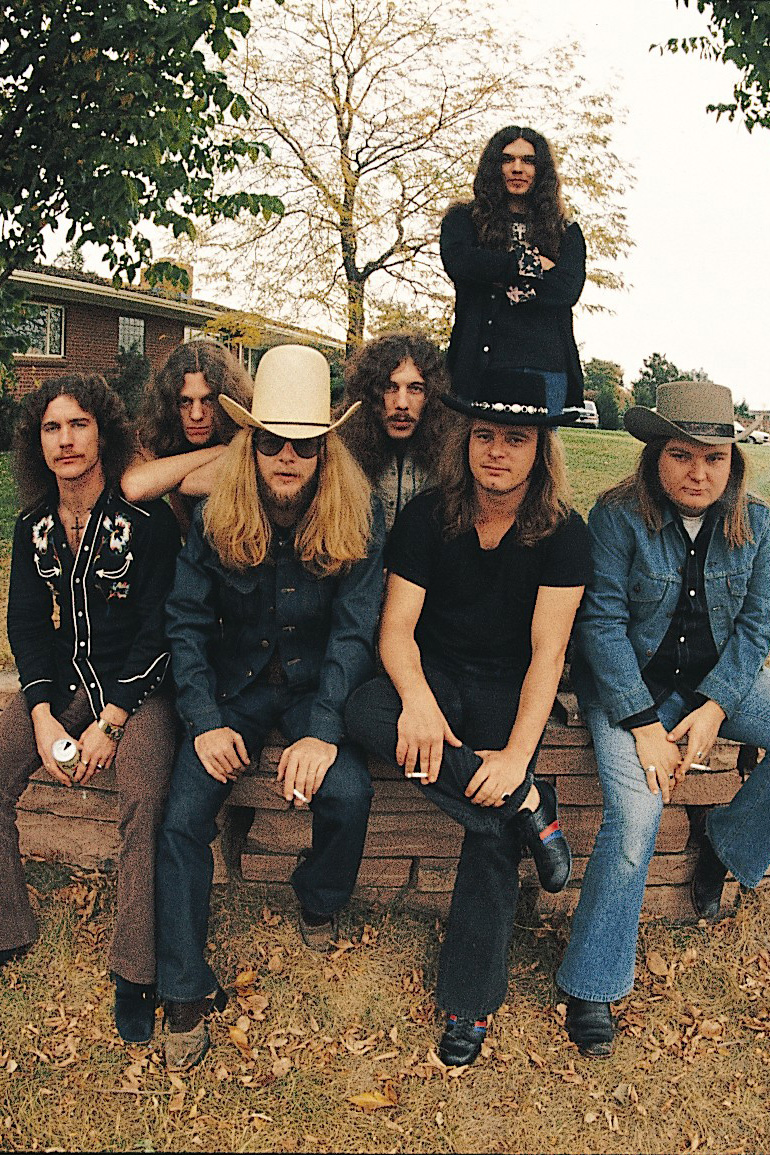
The line about loving the governor in Birmingham has been interpreted in various ways. Some believe it indicates the band’s support for Wallace and his segregationist policies. However, others, including band members, have offered a more nuanced explanation. The lyric might have been intended ironically, or as a reflection of the political sentiment of the time in that specific city, rather than an endorsement. It’s possible the band was acknowledging the political climate without necessarily agreeing with it. They were observers and commentators, aiming to capture the essence of their home.
The band has consistently maintained that the song is not a racist anthem. Ronnie Van Zant, the lead singer, stated before his death, “It was a song about the South, and about the pride of the South.” He emphasized that the band was “just being Southern” and that they were reacting to the criticism directed at their home region. The song, in this light, becomes a patriotic ode to the South, a declaration of belonging and resilience in the face of external judgment.
The Enduring Appeal: Beyond the Controversy
Despite the debates surrounding its political undertones, “Sweet Home Alabama” has transcended its origins to become a universally recognized and beloved song. Its infectious guitar riffs, powerful vocals, and anthemic chorus have made it a staple at sporting events, concerts, and gatherings across the globe. The song’s appeal lies not just in its lyrical content but in its raw energy and the sense of camaraderie it fosters.
A Symbol of Southern Identity
For many, the song is a powerful symbol of Southern identity, representing a pride in heritage, community, and a unique cultural landscape. It evokes images of open roads, sun-drenched fields, and the warmth of Southern hospitality. This positive association has made it a touchstone for people who feel a deep connection to the South, regardless of their political leanings.
The song’s narrative invites listeners to imagine themselves in this idyllic setting. It speaks to a sense of belonging, a place where one feels understood and accepted. Whether someone is traveling through the state or has lifelong roots there, the song taps into a universal desire for a place to call home, a “sweet home.” This emotional resonance is a key factor in its lasting popularity.
Cultural Impact and Tourism
The song’s immense popularity has had a tangible impact on tourism in Alabama and the broader American South. Many visitors are drawn to the state, curious to experience the places and the atmosphere that inspired such an iconic song. Tourist guides and travel itineraries often reference “Sweet Home Alabama,” pointing out landmarks and experiences that embody the spirit of the lyrics.
Cities like Birmingham, mentioned in the song, have seen increased interest from tourists eager to explore their history and culture. While the references in the song are complex, they have undeniably put these locations on the map for a global audience. The song has, in a way, become an unofficial anthem for the state, fostering a sense of curiosity and engagement with its heritage.
Beyond specific landmarks, the song contributes to a broader perception of the South as a destination rich in culture, music, and natural beauty. Travelers seeking authentic experiences might find themselves drawn to the blues clubs, the scenic drives, and the vibrant local communities that the song, in its own way, celebrates. The lifestyle associated with the song – one of freedom, simple pleasures, and deep roots – resonates with those looking for an escape from the hustle and bustle of modern life.

Misinterpretations and the Band’s Legacy
It is important to acknowledge that the song’s association with George Wallace and its perceived defense of Southern traditions have led to its appropriation by some groups with more problematic ideologies. However, the band Lynyrd Skynyrd consistently disavowed any association with racism or hate. They aimed to defend their home and their musical heritage, not to endorse prejudice.
The legacy of “Sweet Home Alabama” is a testament to the power of music to evoke strong emotions and spark dialogue. It’s a song that, while rooted in a specific historical and political moment, continues to resonate with audiences through its powerful melody and its invocation of a cherished homeland. While its lyrical interpretations may remain debated, its status as a cultural touchstone is undeniable, inviting listeners to explore the complexities of the American South and to find their own connection to its enduring spirit. Whether you’re staying in a luxurious resort in Montgomery or exploring the historic streets of Mobile, the song’s influence on how the world perceives Alabama is undeniable.
LifeOutOfTheBox is a participant in the Amazon Services LLC Associates Program, an affiliate advertising program designed to provide a means for sites to earn advertising fees by advertising and linking to Amazon.com. Amazon, the Amazon logo, AmazonSupply, and the AmazonSupply logo are trademarks of Amazon.com, Inc. or its affiliates. As an Amazon Associate we earn affiliate commissions from qualifying purchases.